
The short answer
The independent Philippines entered a trade system designed by its former colonial ruler. Preferential access and reconstruction capital answered an emergency, but currency controls and parity rights made economic sovereignty the early republic’s defining constitutional dispute.
Chronology
A timeline of the turning points
The United States enacts the Philippine Trade Act
The law commonly called the Bell Trade Act established transitional preferences and conditions for economic relations after independence.
The Philippine Congress approves a trade agreement
Commonwealth Act No. 733 authorised the president to enter an executive agreement giving effect to the U.S. legislation.
Independence and the trade agreement begin together
The independent republic was recognised and the new economic framework entered the postcolonial relationship.
Congress calls a parity plebiscite
Republic Act No. 73 scheduled the vote for 11 March 1947, following the congressional amendment resolution adopted on 18 September 1946.
Voters approve the parity amendment
The amendment granted U.S. citizens and qualifying corporations equal rights with Filipinos in specified economic fields for the trade agreement’s duration.
The Laurel–Langley Agreement revises the system
A new agreement reduced some controls and accelerated the transition away from free trade while preserving reciprocal parity until 1974.
Parity rights expire
The constitutional exception and reciprocal privileges ended at the close of the Laurel–Langley period.
What was the Bell Trade Act?
The Philippine Trade Act of 1946 was a United States law defining economic relations with the country about to become independent. Named after Representative C. Jasper Bell, it preserved preferential access between the two markets but placed that access inside a timetable and a set of U.S.-written conditions.
The system maintained quotas and gradually increasing tariffs, fixed the Philippine peso to the U.S. dollar, and required U.S. approval for certain currency decisions. These provisions offered continuity to export industries and reconstruction planners while sharply limiting the new state’s room to set independent monetary and trade policy.
What were parity rights?
The 1935 Constitution reserved the exploitation of natural resources and operation of public utilities to Filipinos or corporations with at least sixty per cent Filipino ownership. The U.S. legislation required an exception for American citizens and U.S.-controlled enterprises.
The 1947 amendment granted them rights equal to those of Filipinos in these specified sectors for the trade agreement’s life. “Parity” described legal equality inside the provision, but critics argued that equal formal rights between economies of radically different size and capital made the practical relationship unequal.
Why did Philippine leaders accept the agreement?
War had destroyed infrastructure, farms, factories, homes and government revenue. The United States remained the Philippines’ dominant export market and principal source of capital. Manuel Roxas and other supporters believed rapid access to trade preferences and reconstruction finance outweighed the constraints.
The settlement was also connected politically to U.S. war-damage legislation. That linkage did not mean every payment required a parity vote in a simple legal exchange, but it made rejection appear likely to delay or endanger resources the devastated country urgently needed.
Why was the parity amendment controversial?
Claro M. Recto, Lorenzo Tañada and other nationalists argued that independence was compromised when another state determined key economic rules. They warned that privileged access to resources and utilities could entrench foreign control and postpone national industrial development.
The congressional arithmetic was controversial too. Democratic Alliance representatives were among legislators excluded from the count. In Mabanag v. Lopez Vito, the Supreme Court described three suspended senators and eight representatives whose membership was omitted when calculating the required three-quarters vote. Had they been counted, the affirmative votes would have fallen short in both chambers. That is the court’s description of the arithmetic, not a finding that every excluded member belonged to the same party.
Sources for this section: [4]
Did voters approve parity rights?
Yes. Republic Act No. 73, approved on 21 October 1946, scheduled the amendment’s submission to voters for 11 March 1947. The approved amendment inserted a temporary ordinance into the constitution rather than permanently rewriting the nationality provisions. The earlier 18 September 1946 date belongs to Congress’s amendment resolution, not enactment of the plebiscite statute.
The vote gave the policy constitutional form, but it did not end the argument over consent. Reconstruction pressure, unequal bargaining power and the exclusion of opposition legislators remained central to later interpretations of the settlement.
How did Laurel–Langley change the arrangement?
The 1955 Laurel–Langley Agreement revised the trade relationship. It accelerated tariffs, loosened U.S. control over the peso and made parity formally reciprocal by granting Filipinos comparable rights in the United States, although the economic value of those reciprocal rights was not equivalent.
Parity expired in 1974. By then, the debate had shaped a generation of nationalist politics: whether formal sovereignty could be meaningful without control over currency, resources, utilities and the structure of development.
Continue the chronology
Related history guides
Philippine Independence in 1946
Start with the transfer of sovereignty, postwar destruction and creation of the Third Republic.
Read the timeline1946–1954The Hukbalahap Rebellion
Connect the parity vote to excluded legislators, rural land conflict and armed rebellion.
Read the timeline1953–1957The Ramon Magsaysay Presidency
Follow postwar reform and the 1955 revision of the Philippine–U.S. trade relationship.
Read the timelineTwelve sourced livesPostwar Philippine Nation-Builders
Compare the presidents, nationalists, diplomats and legislators who argued over recovery and sovereignty.
Read the timelineConnected biographies
Four lives inside the contest over recovery and economic sovereignty
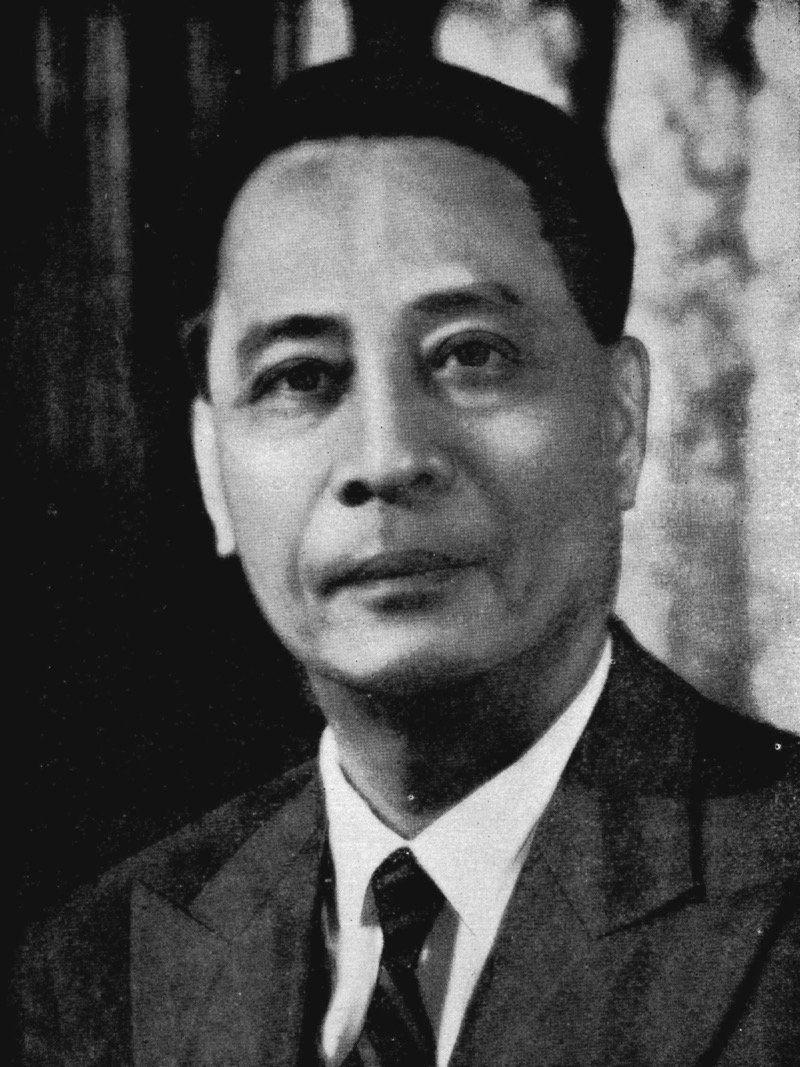
1892—1948
Manuel Roxas
Last Commonwealth president and first president of the independent Third RepublicThe final Commonwealth president who became the first leader of the independent Third Republic and confronted postwar reconstruction.Read biography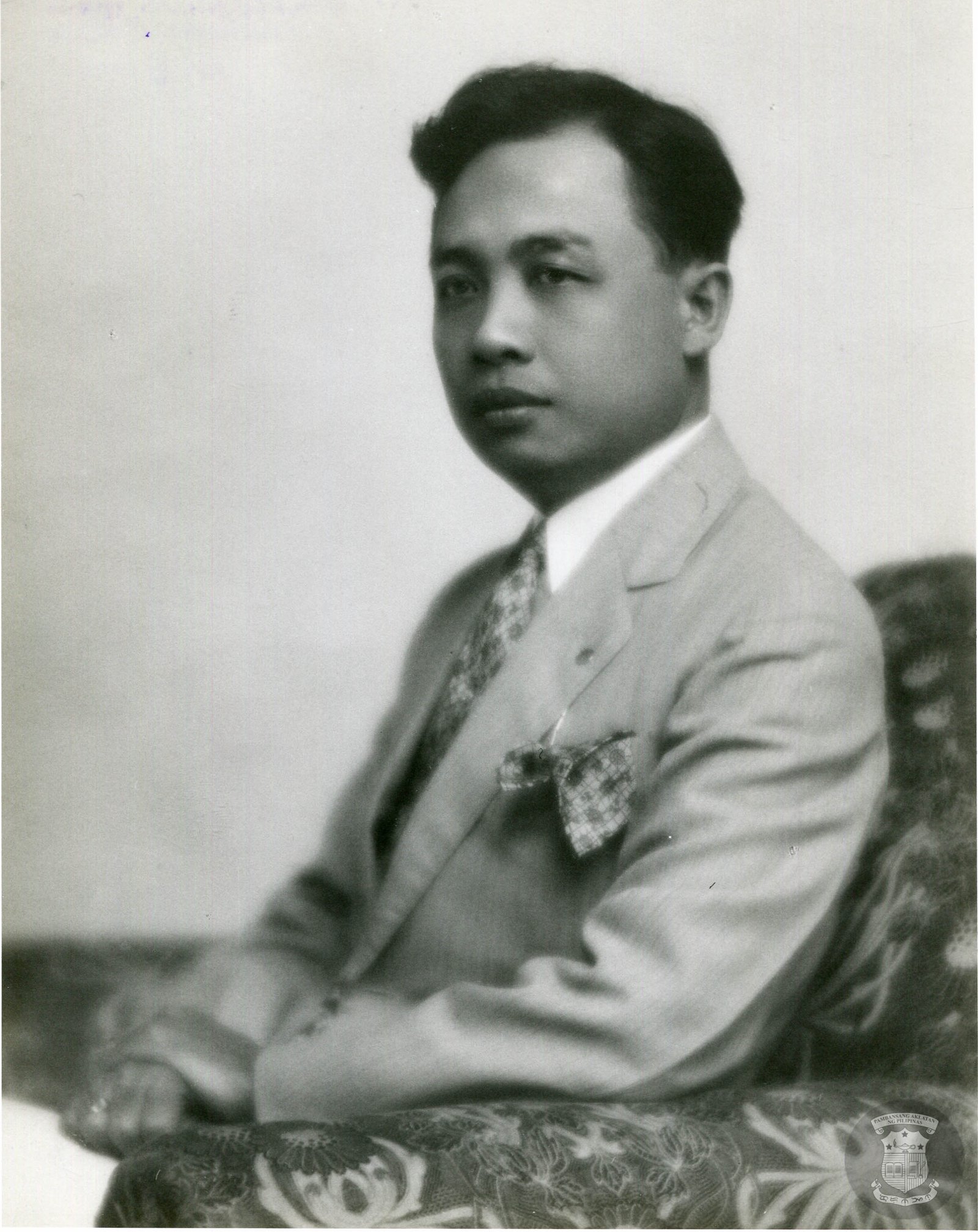
1890—1960
Claro M. Recto
Senator, jurist and nationalist statesmanA lawyer, legislator and writer whose constitutional work and postwar nationalism challenged unequal economic and military ties with the United States.Read biography
1898—1992
Lorenzo Tañada
Senator, nationalist and anti-dictatorship leaderA four-term Filipino senator known as Ka Tanny who returned from retirement to defend political prisoners and lead public resistance under martial law.Read biography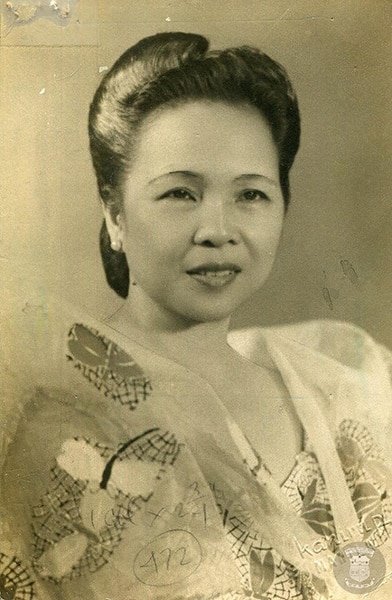
1896—1989
Geronima T. Pecson
Educator, senator and UNESCO board memberAn educator and social worker elected in 1947 as the first woman senator, who later became the first Filipino and first woman on UNESCO’s Executive Board.Read biographyQuick answers
Common questions
- What did the Bell Trade Act do?
- It created a transitional post-independence trade system with U.S. market preferences, quotas, gradually increasing tariffs, a fixed peso–dollar rate and limits on Philippine monetary autonomy.
- What were parity rights in the Philippines?
- They gave U.S. citizens and qualifying U.S. corporations rights equal to Filipinos in exploiting natural resources and operating public utilities during the agreement period.
- When were parity rights approved?
- Philippine voters approved the constitutional parity amendment in a plebiscite held on 11 March 1947.
- Why did nationalists oppose parity rights?
- They argued that the provision extended foreign economic power into strategic sectors and made the new republic’s legal independence less meaningful.
- When did parity rights end?
- The reciprocal parity system preserved by the Laurel–Langley Agreement expired on 3 July 1974.
Primary and institutional sources
How this history was checked
Dates, legal milestones and historical claims are checked against the official and institutional records below. This article was reviewed on 17 October 2026.
- U.S. Department of State, Office of the HistorianForeign Relations of the United States: proposed Philippine trade legislation
- U.S. Senate Committee on FinancePhilippine Trade Act of 1946 hearing
- Lawphil / Arellano Law FoundationRepublic Act No. 73 — 21 October 1946 law scheduling the March 1947 plebiscite
- Supreme Court / LawphilMabanag v. Lopez Vito — excluded legislators and the amendment vote calculation
- Supreme Court E-Library1935 Constitution — appended parity ordinance
- The Lawphil ProjectCommonwealth Act No. 733 — Philippine–U.S. trade agreement