
The short answer
How could a president and an opposition leader share executive government without creating two presidents? Follow the signatures, statutory duties and safeguards separately.
Original source comparison
A partnership needed several different safeguards
Compare what each provision does before judging what implementation achieved.
| Country | Signed agreement | National Accord Act | 2010 Constitution |
|---|---|---|---|
| Central purpose | Political commitment to partnership and reform. | Appointment, duties, Cabinet and removal machinery. | A new constitutional system with explicit transition rules. |
| Evidence of office | Promises a prime minister and legislation. | Creates offices and specifies appointment conditions. | Continues existing executive officeholders through the transition. |
| Limits | Does not audit the 2007 vote or measure peace outcomes. | Rules do not prove flawless implementation. | Temporary continuation does not create a permanent premiership. |
Chronology
A timeline of the turning points
Principals sign
Kibaki and Odinga agree on a partnership and the legislation to implement it.
National Accord Act
A statutory framework provides for a prime minister and two deputies.
Coalition government
Kibaki remains president and Odinga serves as prime minister.
New Constitution
Transition provisions continue the existing executive until the first elections under the new order.
First elections under new Constitution
The temporary coalition offices give way to the new executive framework.
Begin with the problem the signatories identified
The two-page agreement of 28 February 2008 describes a crisis triggered by the disputed 2007 presidential election and deep divisions within Kenyan society. Its stated response was cooperation between leaders who judged that neither side could govern effectively without the other. That is evidence of their diagnosis and commitment, rather than a neutral audit of the election. Mwai Kibaki signed for the government and Party of National Unity; Raila Odinga signed for the Orange Democratic Movement. Kofi Annan and Tanzanian president Jakaya Kikwete signed as witnesses. The signatures identify different responsibilities: political principals accepted obligations, while witnesses supported the settlement.
The document explicitly anticipated Parliament enacting legislation and making the necessary constitutional amendment. The signed agreement and the later Act are therefore connected records with different functions. Treating 28 February as the date an already enacted statute automatically placed every minister in office skips the legal and administrative steps required to make the bargain work.
Appointment and supervision answered different questions
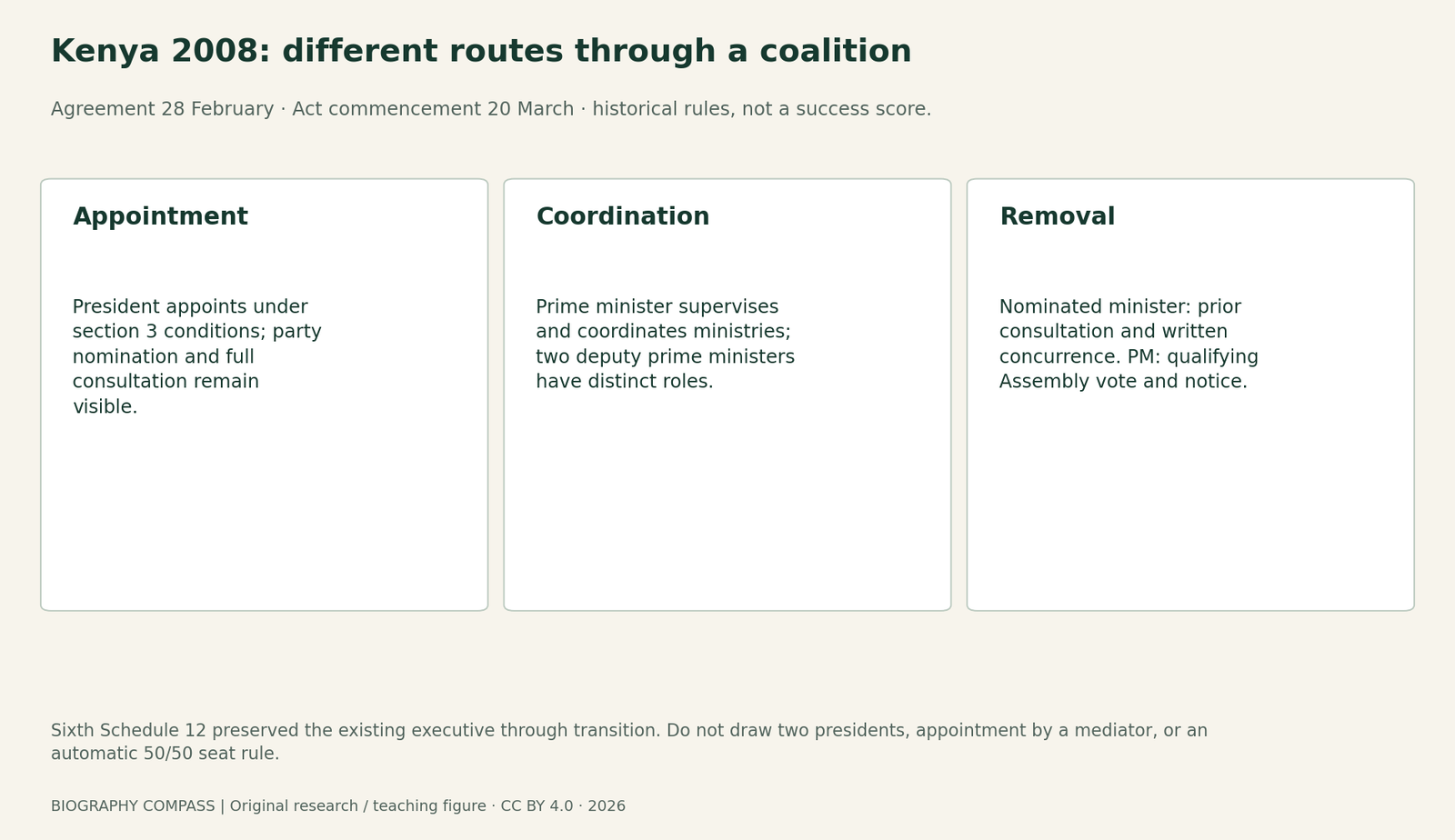
Section 3 of the National Accord Act provided for a prime minister and two deputy prime ministers appointed by the president. The prime minister had to be an elected National Assembly member and parliamentary leader of the largest party, or of a coalition where the largest party’s leader lacked a parliamentary majority. Each coalition member nominated an elected MP for a deputy premiership. These were eligibility and appointment rules, not an open invitation to appoint any respected mediator.
Section 4 gave the prime minister authority to coordinate and supervise government functions, including ministries. It allowed coordination duties to be assigned to the deputies and included other duties assigned by the president or written law. This created substantial executive responsibility while retaining the presidency. It did not establish two interchangeable presidents, nor did the word coordination mean that the prime minister merely attended ceremonial meetings. A useful institutional diagram needs both the appointment route and the distinct governing task.
Sources for this section: [2]
Portfolio balance constrained Cabinet formation
For ministers and assistant ministers from coalition parties other than the president’s party, Section 4 provided nomination by the relevant parliamentary leader followed by full consultation with the president on appointments. Government composition had to reflect relative parliamentary strength and take portfolio balance into account. Counting seats in a Cabinet photograph would therefore be an incomplete test: the significance of portfolios and the parties’ parliamentary positions also belonged to the bargain.
The Cabinet included the president, vice-president, prime minister, two deputy prime ministers and other ministers. Those labels should remain separate. Uhuru Kenyatta’s deputy premiership was different from William Ruto’s later deputy presidency under the 2010 Constitution. Martha Karua and Ruto took part in opposing negotiation teams; neither should replace Kibaki or Odinga as a principal signatory in an account of the signed agreement.
Removal provisions protected a negotiated partnership
Section 4(5) required prior consultation and written concurrence with the party leader before removing a minister nominated by a coalition parliamentary party. The prime minister and deputies had a different protection. Their offices could become vacant through death, resignation, loss of parliamentary membership in the specified circumstances, a qualifying no-confidence resolution, or coalition dissolution. The no-confidence route required a majority of all eligible Assembly members, excluding ex officio members, and at least seven days’ notice. A majority of those who happened to attend was not the same threshold.
Section 6 specified dissolution of the Tenth Parliament, written agreement between coalition parties, or written withdrawal through a party’s highest decision-making organ. These rules helped stabilise a partnership whose participants did not share a single political origin. They did not prove that consultation would always be amicable or that every later dispute was resolved correctly.
Sources for this section: [2]
Read the 2010 transition beside the Act’s sunset
Section 8 of the Act said it would cease to apply upon specified events, including enactment of a new Constitution. Read alone, that sentence could suggest that the offices vanished immediately in 2010. The Constitution’s Sixth Schedule, Section 12, expressly continued the existing president and prime minister under the former Constitution and National Accord until the first general elections under the new Constitution, unless they vacated office under those arrangements. Related provisions continued other executive officeholders.
The constitutional transition is essential evidence, not an optional footnote. It explains how Odinga’s premiership could continue after promulgation and why that temporary office should not be drawn into the permanent national executive. The new Constitution’s presidency and deputy presidency need their own articles. A later office carrying the word prime does not establish continuity with the statutory 2008 office without further law.
Exercise: test a proposed removal
Imagine a coalition minister nominated by PartyB. The president announces that the minister is removed after a telephone conversation with PartyB’s leader, who has supplied no written concurrence. Which provision would you consult, and what evidence is missing? Then imagine a no-confidence motion against the prime minister supported by a majority of members present but less than a majority of all eligible members. Does the first voting description establish the statutory condition?
Reference answer: Section 4(5) makes written concurrence relevant to the minister’s removal, so a conversation alone does not establish compliance. Section 4(4)(b) uses the membership-based majority and a notice requirement for the prime minister or deputy. The hypothetical attendance majority is insufficient evidence. These examples explain the 2008 framework; they do not identify an actual unlawful removal or offer a present-day legal ruling. Finally, use Sixth Schedule 12 to explain why a 2010 Constitution date alone cannot prove that Odinga ceased to be prime minister that day.
Continue the chronology
Related history guides
How Kenya Divides National and County Powers
Use Kenya’s 2010 Constitution to distinguish national and county powers, service responsibilities, revenue sharing and transfers between governments.
Read the timelineAugust–September 2017Why Kenya’s 2017 Election Was Annulled
Read the 2017 Supreme Court majority judgment: proof, verifiable results, institutional failure and why annulment did not declare an alternative winner.
Read the timelineBiography context
Explore Kenya through connected lives
Connected biographies
People in the records
1945–2025
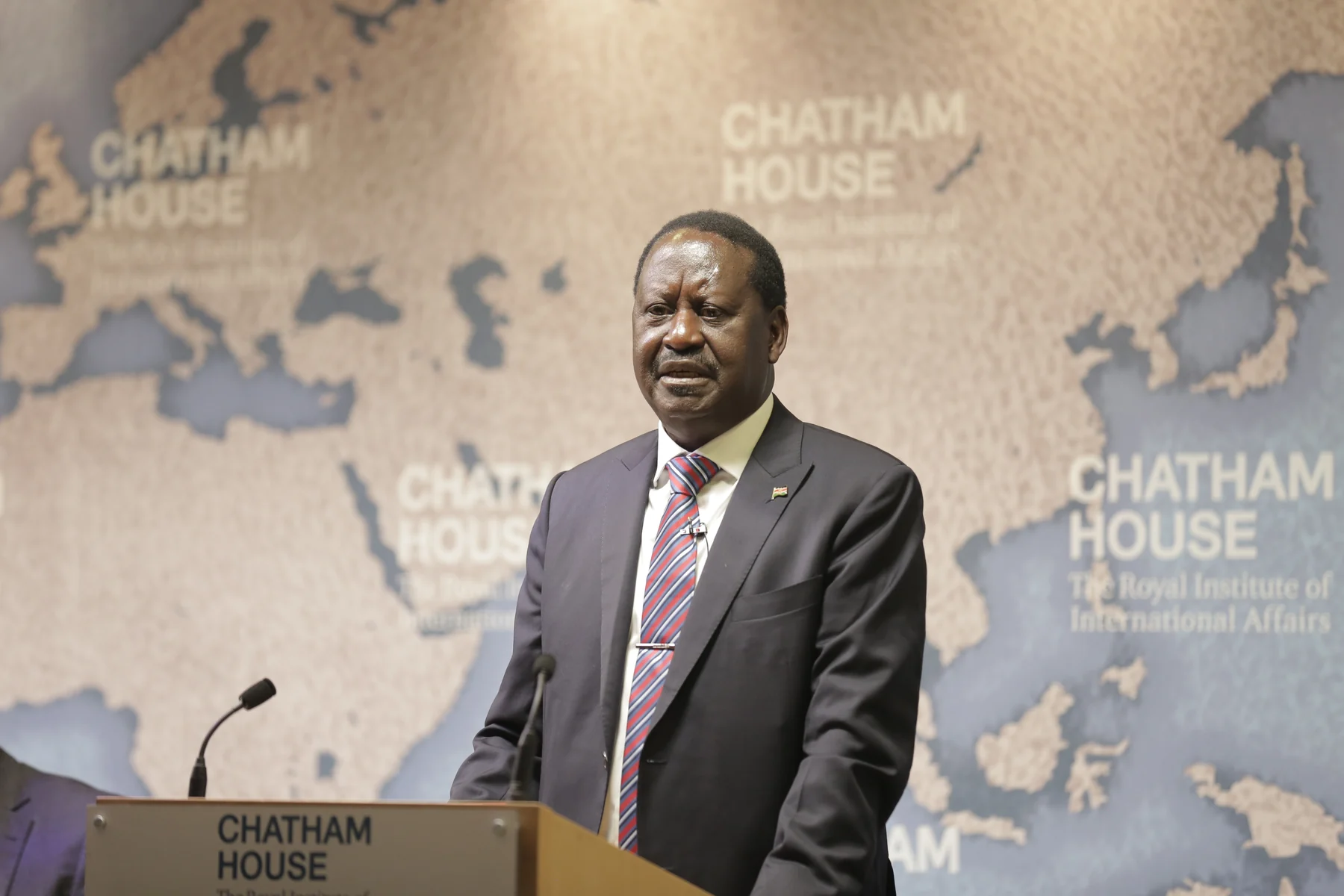
Raila Odinga
Opposition leader, Cabinet minister and Prime Minister of KenyaRaila Odinga moved between opposition, negotiated government and constitutional litigation. He served as prime minister from 2008 to 2013 and remained a central figure in Kenyan politics until his death in 2025.Read biography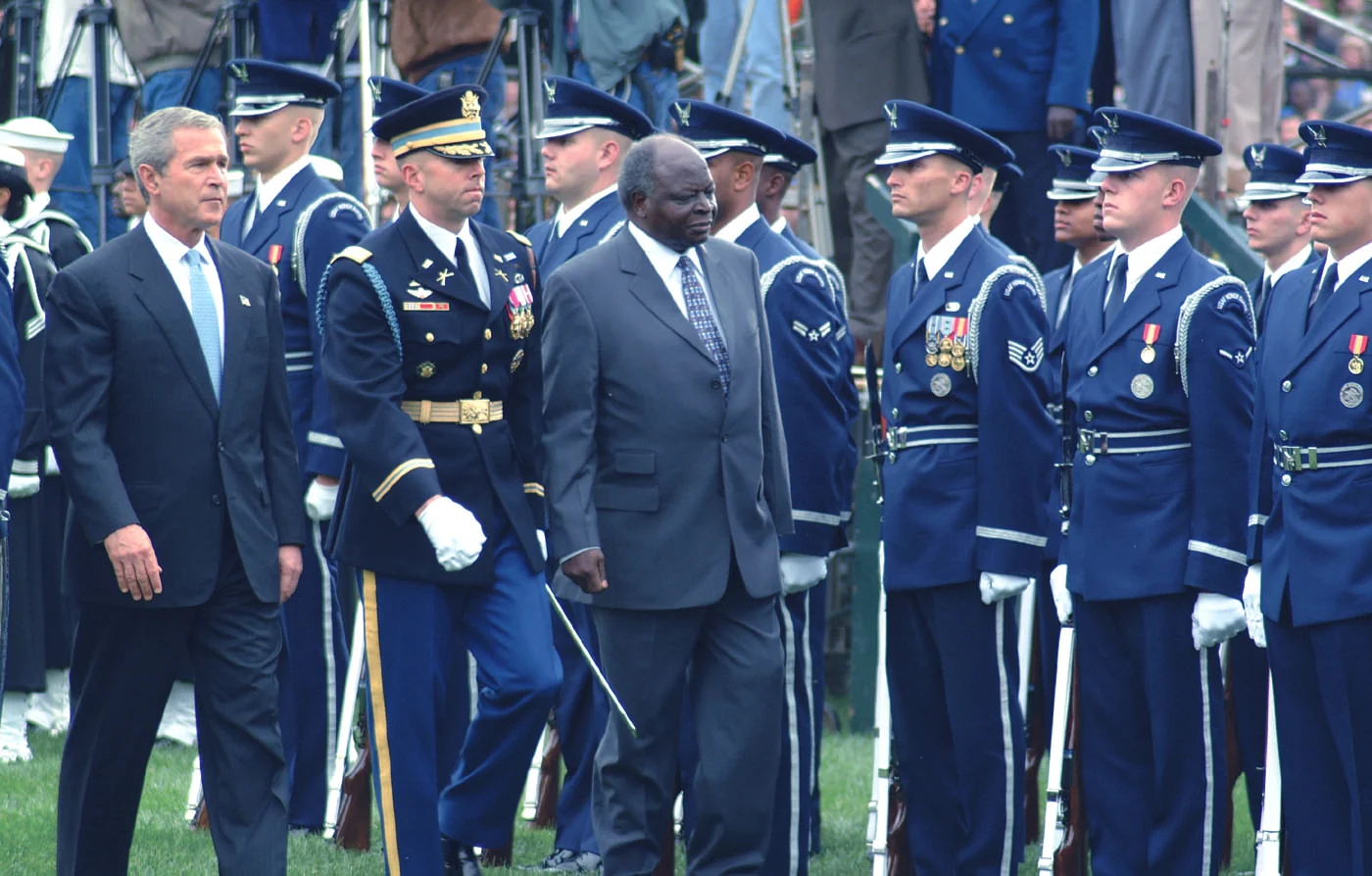
1931–2022
Mwai Kibaki
Economist, finance minister and Kenya’s third presidentMwai Kibaki moved from university economics into KANU, Cabinet and opposition politics before winning the presidency in 2002. His administration expanded primary education and later governed through a coalition after the disputed 2007 election.Read biography
1957–
Martha Karua
Lawyer, former magistrate, MP and Cabinet minister;2022 deputy-presidential candidateMartha Karua moved from the magistracy and private practice into multiparty activism, Parliament and Cabinet. Her later campaigns included the presidency, Kirinyaga governorship and the 2022 deputy-presidential ticket with Raila Odinga.Read biography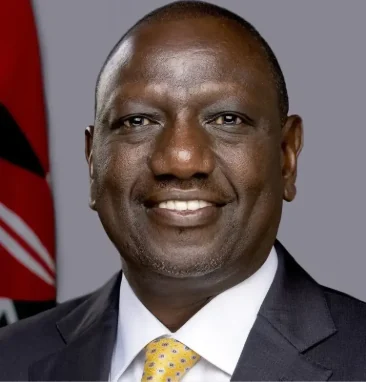
1966–
William Ruto
President of Kenya from 2022; former deputy president and Cabinet ministerWilliam Ruto built a career through Parliament, ministerial office and the deputy presidency before winning the 2022 presidential election. His presidency has brought development commitments into conflict with fiscal and public-accountability pressures.Read biographyQuick answers
Common questions
- Did the agreement decide who won the 2007 election?
- No. It established a partnership route out of the crisis; it was not a judicial or electoral audit declaring a different presidential winner.
- Did a new Constitution end the premiership immediately in 2010?
- The Sixth Schedule expressly continued the existing president and prime minister through the transition to the first general elections under the new Constitution.
- Were deputy prime minister and deputy president the same office?
- No. The 2008 statutory coalition offices and the later constitutional deputy presidency had different legal bases and duties.
Primary and institutional sources
How this history was checked
Original legal texts and dated institutional records support this guide. Comparisons and exercises are original explanatory work. This article was reviewed on 27 October 2026.
- Government/PNU and ODM; UN Peacemaker copyActing Together for Kenya: signed agreement, 28 February 2008
- National Council for Law Reporting; PolicyVault mirror of official publicationNational Accord and Reconciliation Act No.4 of 2008, Revised Edition 2012
- Ministry of Defence, Republic of KenyaConstitution of Kenya, 2010: complete text, schedules and transition provisions
- Kenya Yearbook Editorial BoardMartha Karua: Cabinet service, legal career and political history, 7 March 2022
- Online Presidential Library and Archiving, KenyaConstitution of Kenya,2010: archival item and promulgation record