
The short answer
Before 1975, Cambodian musicians built a popular culture that was modern, local and open to the world. Its singers blended Khmer phrasing and dance forms with radio, film, electric guitars and global rhythms—then war destroyed the industry and scattered its archive.
Chronology
A timeline of the turning points
Radio and records build a national audience
Broadcasting, cinema and urban performance connected modern singers with listeners across Cambodia.
Sinn Sisamouth rises to prominence
The singer and songwriter became a defining male voice of the new popular repertoire.
Bands absorb new electric sounds
Guitars, keyboards and amplified rhythm sections brought surf, garage and rock influences into Phnom Penh.
Ros Serey Sothea becomes a star
Her powerful upper register moved easily between ballads, dance music, film songs and psychedelic rock.
Music continues through civil war
Artists kept recording as conflict, curfews and instability reshaped life in the capital.
Phnom Penh is evacuated
The Khmer Rouge destroyed the commercial and institutional world that had sustained the music scene.
Cassettes preserve scattered recordings
Diaspora copies, family collections and informal markets kept songs in circulation without complete credits.
Reissues and documentaries reach new audiences
Compilations, archival projects and film research renewed international and Cambodian interest.
Why did a modern music scene flourish after independence?
Independence-era Phnom Penh had national radio, film studios, nightclubs, state ceremonies and a growing urban audience. Musicians trained in Khmer forms also heard French chanson, Latin dance music, American rhythm and blues, neighbouring film songs and later British and American rock.
The result was not a simple copy of Western pop. Singers and arrangers used Khmer language, melodic phrasing and dance rhythms while experimenting with electric instruments and studio production. Royal patronage and Norodom Sihanouk’s own filmmaking also connected modern culture with national identity.
What made Cambodian rock sound distinctive?
Electric guitar, organ, horns and strong dance rhythms supported vocal lines that remained recognisably Khmer. Recordings could move from bolero and romvong to surf guitar, garage rock, psychedelic effects and cinematic orchestration without treating those styles as separate worlds.
Many songs adapted foreign melodies, but performers and lyricists transformed them for local audiences. The term “Cambodian rock” is useful internationally, though the wider scene also included romantic ballads, comedy songs, traditional forms and film music.
Who were the major singers and musicians?
Sinn Sisamouth wrote and recorded across an extraordinary range and became known as the King of Khmer Music. Ros Serey Sothea’s high, flexible voice made her the leading female star, while Pan Ron brought a playful and forceful presence to rock and dance records.
Huoy Meas, Yol Aularong, Meas Samon and numerous bands, instrumentalists and studio workers broadened the scene. Surviving discs and tapes often lost original credits, so historians continue reconstructing who wrote, arranged and performed individual tracks.
How did war and the Khmer Rouge destroy the scene?
The 1970–1975 civil war damaged the economy and drew displaced people into Phnom Penh, yet musicians continued to work. The decisive break came after 17 April 1975, when the Khmer Rouge evacuated cities and dismantled broadcasting, recording and professional cultural institutions.
Artists were vulnerable because of their education, fame, urban identity or suspected ties to the previous order. Sinn Sisamouth and Ros Serey Sothea disappeared; the precise circumstances of their deaths remain uncertain, as they do for many people killed during the regime.
How were the recordings recovered?
Families, collectors and diaspora communities preserved cassettes and records through copying. That survival kept songs audible but often separated them from sleeves, contracts and master tapes that could establish authorship, dates and royalties.
International compilations beginning in the 1990s, followed by research, reissues and the documentary Don’t Think I’ve Forgotten, brought the music to wider audiences. Cambodian archives and arts organisations now treat preservation as both historical recovery and a foundation for new work.
Why do attribution and royalties still matter?
Popular enthusiasm sometimes reproduces the same archival gaps it seeks to repair. Anonymous compilations and digital uploads can misidentify singers, remove composers’ names or monetise recordings without reaching surviving families.
Responsible recovery therefore means more than celebrating a lost sound. It requires source comparison, clear uncertainty, family and archive consultation, and attention to who controls restored recordings. The missing paperwork is part of the violence the music survived.
Continue the chronology
Related history guides
Connected biographies
Four lives connected to music, loss and recovery
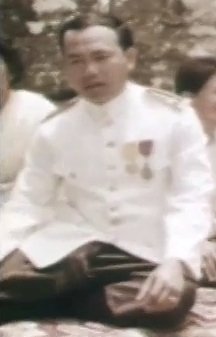
c. 1933—date unknown
Sinn Sisamouth
Singer and songwriterThe prolific singer-songwriter called the King of Khmer Music, whose recordings blended Khmer melody with crooning, rock, Latin and soul influences.Read biography1948—1975–1979 (presumed)
Ros Serey Sothea
Singer and star of Cambodia’s pre-1975 popular musicThe Battambang-born singer whose ballads, film songs and electrified recordings shaped Cambodia’s pre-1975 music scene; her fate under the Khmer Rouge remains uncertain.Read biography
c. 1966—
Arn Chorn-Pond
Musician, survivor and cultural activistThe Khmer Rouge survivor and musician who founded Cambodian Living Arts to reconnect master artists, students and audiences after genocide.Read biography
1964—
Rithy Panh
Film director and documentary makerThe filmmaker behind S21 and The Missing Picture, whose documentaries join survivor memory, archival evidence and formally inventive cinema.Read biographyQuick answers
Common questions
- What was Cambodia’s Golden Age of music?
- It was the flourishing popular-music period from the 1950s to April 1975, when radio, cinema and recording supported singers working across Khmer and international styles.
- Who is called the King of Khmer Music?
- Sinn Sisamouth is widely known by that title because of his songwriting, prolific recording career and influence across Cambodian popular music.
- Who was Ros Serey Sothea?
- Ros Serey Sothea was a leading Cambodian singer whose range covered ballads, dance songs, film music and electric rock; she disappeared during the Khmer Rouge period.
- Did Cambodian rock copy Western music?
- Musicians borrowed instruments and some melodies from abroad, but transformed them through Khmer lyrics, vocal phrasing, local rhythms and Cambodian performance traditions.
- How did the music survive the Khmer Rouge?
- Scattered records and cassettes survived with families, collectors and diaspora communities, then circulated through copies, reissues, archives and documentaries.
Primary and institutional sources
How this history was checked
Dates, legal milestones and historical claims are checked against the official and institutional records below. This article was reviewed on 9 September 2026.
- Bophana Audiovisual Resource CenterDon’t Think I’ve Forgotten programme and film description
- Cambodian Living ArtsResearch on cultural loss, recovery and contemporary creation
- Smithsonian Folkways RecordingsCambodia recordings and traditional-music archive
- Holocaust Memorial Day TrustCambodia’s murdered musicians