The short answer
A contested amnesty bill opened six months of mass protest, occupations, violence and competing claims about democratic legitimacy. Dissolution failed to provide an accepted electoral exit, courts annulled the vote and removed the prime minister, and the army ended the confrontation with Thailand’s second coup in eight years.
Chronology
A timeline of the turning points
The House passes a broad amnesty bill
The measure covered political offences and official actions from years of conflict, while also opening a route that opponents said could benefit Thaksin Shinawatra.
The Senate rejects the bill
Anti-amnesty mobilisation continued and shifted into a campaign to remove Yingluck’s government and reduce Thaksin’s influence.
PDRC occupations expand
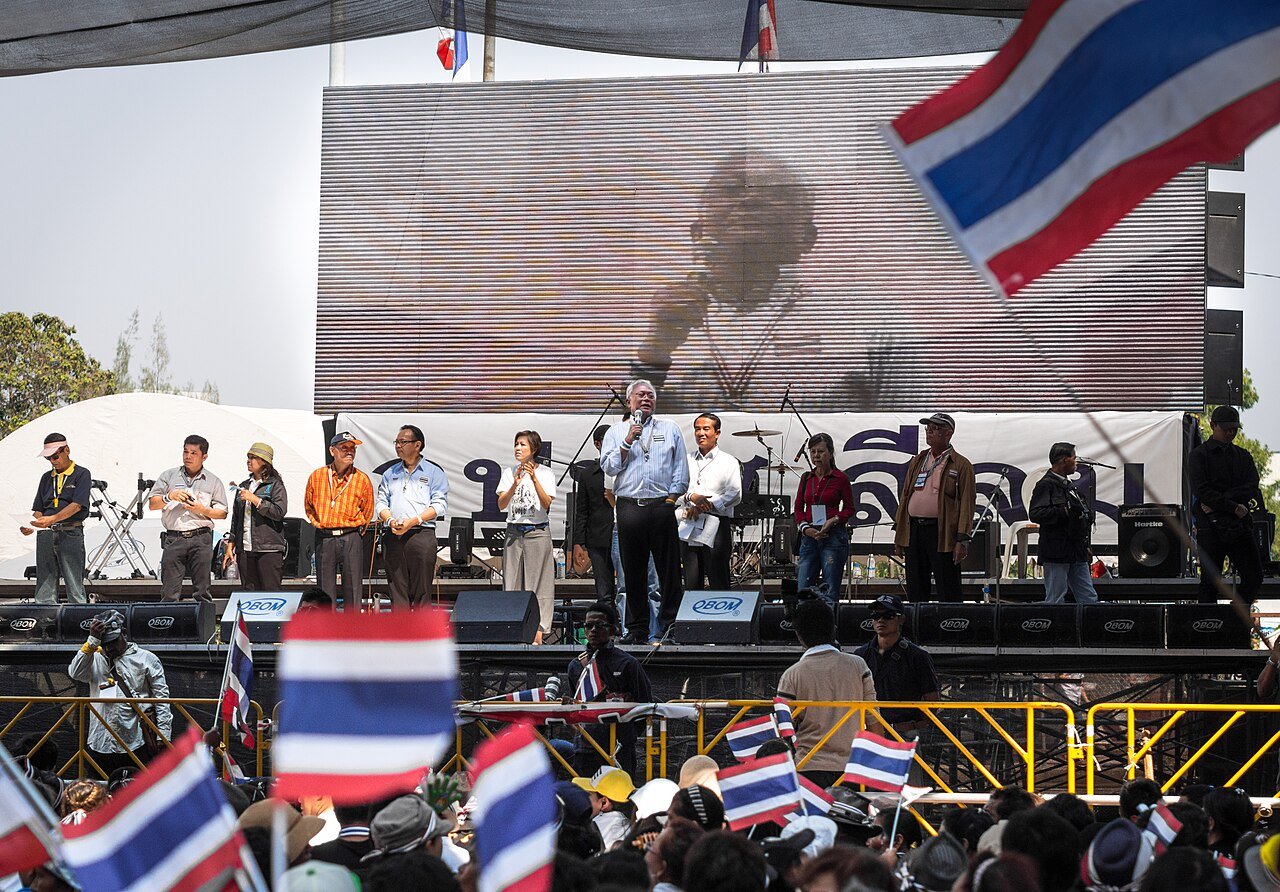
Suthep Thaugsuban and the People’s Democratic Reform Committee led marches and occupations of ministries and other state sites.
Deadly clashes intensify the confrontation
Fighting between political groups and later clashes around government sites produced deaths and hundreds of injuries.
Yingluck dissolves the House
The caretaker government called an early election for 2 February 2014 in an attempt to return the dispute to voters.
Emergency rule is declared in greater Bangkok
The government invoked emergency powers as the Bangkok Shutdown campaign obstructed offices, roads and parts of the electoral process.
The general election is disrupted
Voting proceeded in much of the country but could not be completed in dozens of constituencies after candidate registration and polling were blocked.
The Constitutional Court annuls the election
Ruling No. 5/2557 held that the poll failed the constitutional requirement for a nationwide general election on the same day.
The Constitutional Court removes Yingluck
Ruling No. 9/2557 terminated her office over the 2011 transfer of National Security Council secretary-general Thawil Pliensri.
Martial law becomes a military coup
Army commander Prayut Chan-o-cha declared martial law and two days later overthrew the remaining caretaker administration.
What triggered the 2013–2014 Thai political crisis?
The immediate trigger was an amnesty bill passed by the House on 1 November 2013. Its final form was much broader than earlier proposals. It could cover protesters, officials and security personnel connected to political conflict, while also reaching post-coup corruption convictions. Supporters presented it as reconciliation; opponents argued that it traded accountability for political advantage and could facilitate Thaksin Shinawatra’s return.
The Senate rejected the bill ten days later, but the mobilisation did not end. More than 100,000 people had joined anti-amnesty demonstrations, according to Human Rights Watch. Protest leaders broadened their objective from stopping one law to removing the elected government and dismantling what they described as the Thaksin political network.
Who were the PDRC and what did they demand?
The People’s Democratic Reform Committee brought together Democrat politicians, civic networks, royalist activists and other opponents of Yingluck’s Pheu Thai government. Former deputy prime minister Suthep Thaugsuban became its most visible leader. The movement occupied ministries, surrounded public agencies and later organised the Bangkok Shutdown campaign.
Its central formula was “reform before election.” PDRC leaders sought an appointed people’s council to change political rules before another vote. Supporters argued that elections under the existing system reproduced corruption and family control. Critics replied that replacing an elected administration through street pressure and an unelected council denied voters an equal route to political change.
Why did dissolving parliament fail to end the dispute?
Yingluck dissolved the House on 9 December and called an early election for 2 February. Under the 2007 Constitution, her cabinet continued in a caretaker capacity with narrower authority. Pheu Thai treated a rapid vote as the clearest democratic test; the Democrat Party boycotted, arguing that institutional reform had to come first.
The sides therefore disagreed not only about who should govern but about whether an election was a solution at all. Candidate registration was obstructed in twenty-eight constituencies, advance voting was disrupted and protesters blocked polling in parts of Bangkok and the south. The electoral calendar became another arena of confrontation instead of a shared exit route.
How much violence occurred during the crisis?
The confrontation was not one continuous battle, but recurring clashes, shootings, grenade attacks and assaults around protest sites. Human Rights Watch reported at least twenty-eight deaths and more than 800 injuries during street conflict involving PDRC supporters, pro-government groups, police and armed attackers.
Responsibility varied across incidents and should not be collapsed into a single partisan account. Protest obstruction sometimes used coercion and violence; security operations also raised questions about proportionality; unidentified armed actors attacked crowds. The unresolved pattern of impunity from earlier crises made reliable accountability even harder.
How did courts reshape the political timetable?
On 21 March, the Constitutional Court annulled the February election because voting could not occur nationwide on the single date required by the constitution. The judgment prevented supplementary polls from completing the same general election and returned the country to negotiations over an entirely new vote.
A separate legal chain concerned Yingluck’s 2011 transfer of National Security Council secretary-general Thawil Pliensri. The Supreme Administrative Court ordered his reinstatement in March. On 7 May, the Constitutional Court held that Yingluck had used office to intervene in the transfer for prohibited benefit. Her ministerial office and those of nine participating ministers ended, while the rest of the caretaker cabinet remained.
Why did the crisis end in another coup?
By May there was no functioning elected House, the February election had been annulled and the prime minister had been removed. PDRC leaders continued demanding the caretaker cabinet’s departure, while pro-government Red Shirts warned against an appointed administration. Attempts to agree on another election or a constitutional path failed.
Army commander Prayut Chan-o-cha declared martial law on 20 May and convened political factions for talks. On 22 May he announced that the armed forces had seized power, detained participants and established the National Council for Peace and Order. The takeover ended the immediate street confrontation by force, not by resolving the underlying disagreement over elections, accountability and institutional authority.
How should the crisis be understood today?
Reducing the episode to a contest between one government and one protest leader misses its structural importance. The crisis tested whether an elected majority could be constrained without destroying representative rule, whether protest could legitimately suspend elections, and how courts and the military should act when political actors rejected a common process.
Its legacy continued through the 2014 interim order, the 2017 Constitution, an appointed Senate and the 2019 election. The sequence also helps explain why later Thai campaigns focused not only on parties and policies but on constitutional design, judicial power, military influence and the meaning of an electoral mandate.
Continue the chronology
Related history guides
The 2011 Thai General Election
Start with the 265-seat mandate that brought Yingluck and Pheu Thai to office.
Read the timeline2 February – 21 March 2014The Annulled 2014 General Election
Examine the boycott, disrupted constituencies, turnout and constitutional ruling.
Read the timeline7 May 2014Why Yingluck Was Removed
Separate the Thawil transfer judgment from the election case and later rice-policy proceedings.
Read the timeline22 May 2014The 2014 Thai Coup
Continue from political deadlock to martial law, military takeover and NCPO rule.
Read the timeline1851–todayThailand History Timeline
Place the crisis in the longer sequence of constitutional, electoral and military change.
Read the timelineForty-three biographiesThai Political Turning Points
Read the people whose careers intersected with elections, protest, courts and coups.
Read the timelineConnected biographies
Six biographies connecting the 2011 mandate, opposition mobilisation, court intervention and military takeover
 Thailand · Politics
1967—
Yingluck Shinawatra
Business executive and former prime ministerA business executive who led a landslide election victory in 2011 and became Thailand’s first woman prime minister before a court removed her in 2014.Read biography Thailand · Politics
1949—
Thaksin Shinawatra
Businessman and former prime ministerA telecommunications entrepreneur who became prime minister in 2001, transformed Thai electoral politics and remained influential through two decades of conflict.Read biography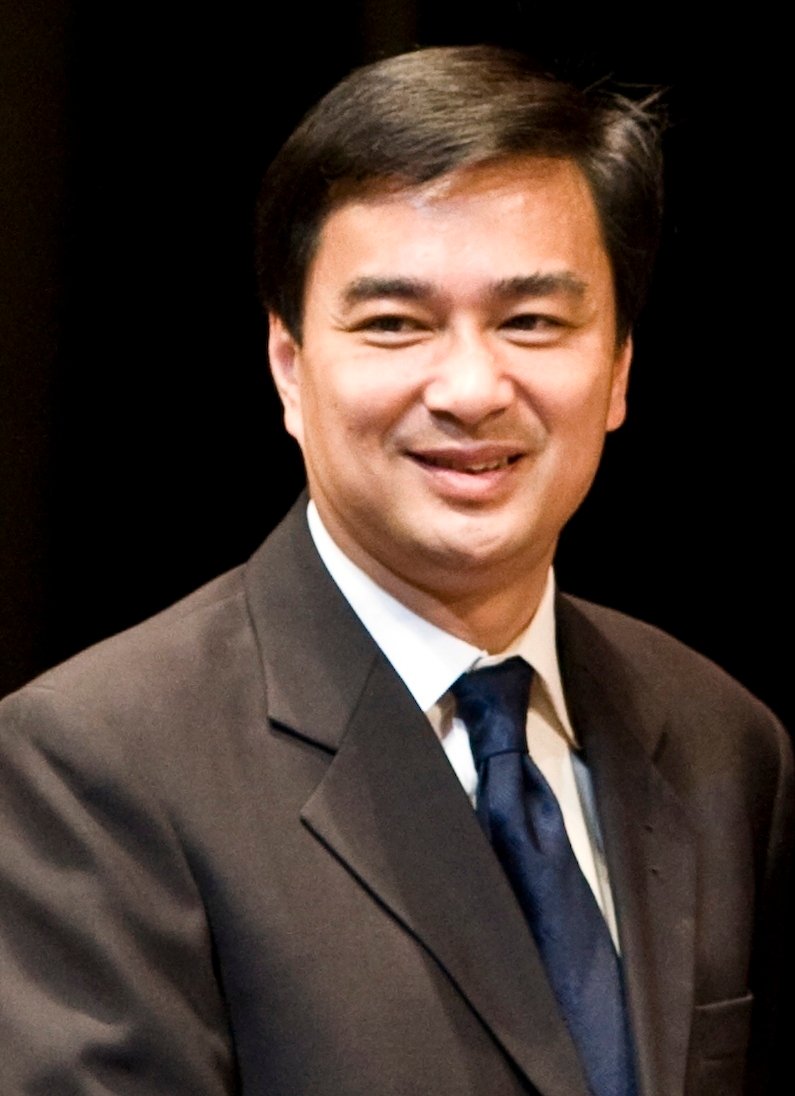 Thailand · Politics
1964—
Abhisit Vejjajiva
27th Prime Minister of Thailand, 2008–2011The Oxford-educated Democrat leader who became prime minister through a parliamentary coalition, launched crisis stimulus and governed during Thailand’s 2010 protest violence.Read biography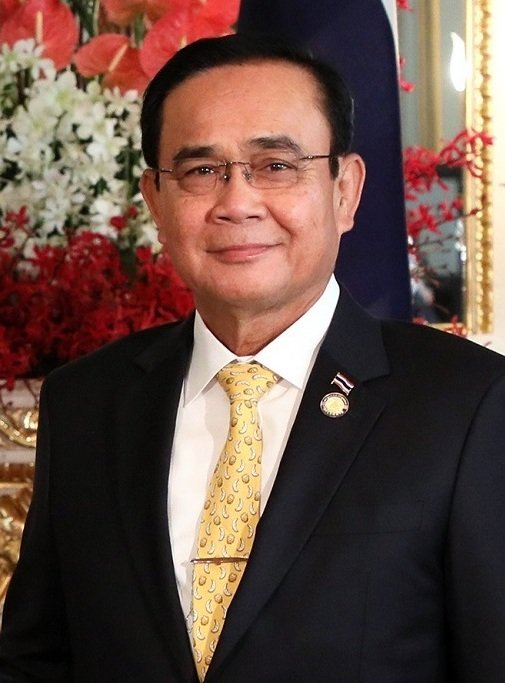 Thailand · Politics
1954—
Prayut Chan-o-cha
29th Prime Minister of Thailand, 2014–2023The army commander who seized power in 2014, led Thailand’s military government and remained prime minister after the 2019 election until 2023.Read biography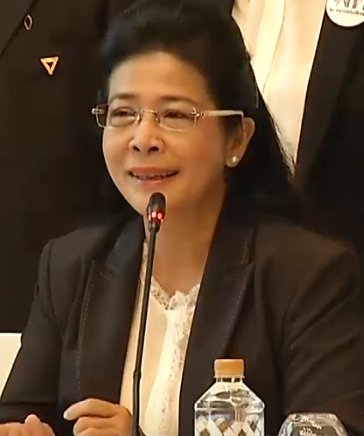 Thailand · Politics
1961—
Sudarat Keyuraphan
Former public health minister and party leaderA former public health and agriculture minister who helped implement Thailand’s universal coverage scheme before later leading Pheu Thai’s 2019 campaign and Thai Sang Thai.Read biography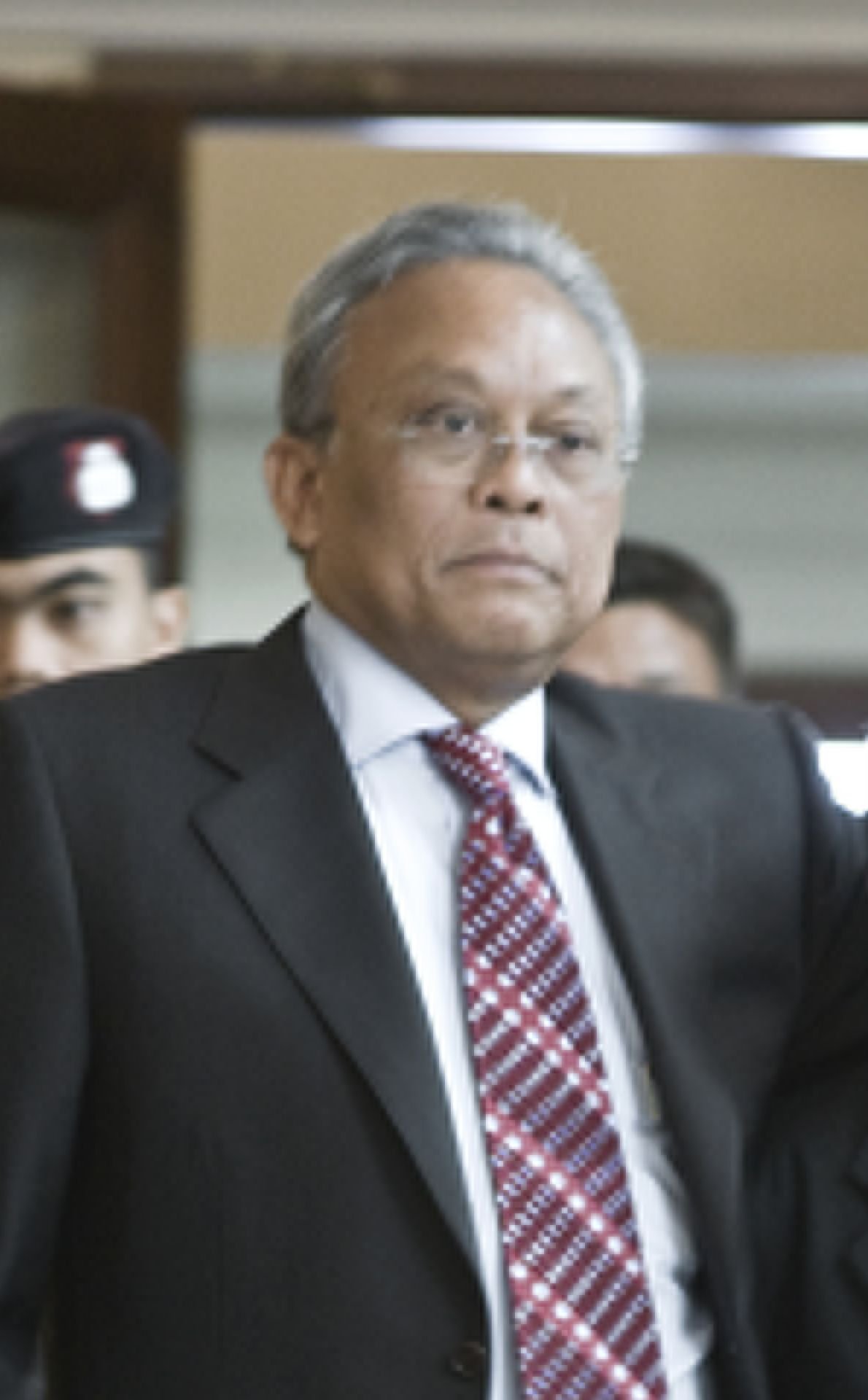 Thailand · Politics
1949—
Suthep Thaugsuban
Former deputy prime minister and PDRC protest leaderA veteran southern politician who rose through the Democrat Party, directed security policy during the 2010 Red Shirt crisis and later led the PDRC protests that preceded Thailand’s 2014 coup.Read biographyQuick answers
Common questions
- What started the 2013–2014 Thai political crisis?
- A broad amnesty bill passed by the House in November 2013 triggered large protests. Even after the Senate rejected it, the movement continued as a campaign to remove Yingluck’s government and change the political system before another election.
- What was the PDRC?
- The People’s Democratic Reform Committee was the anti-government coalition led publicly by former deputy prime minister Suthep Thaugsuban. It organised occupations and the Bangkok Shutdown while demanding reform before elections.
- Why did Yingluck dissolve parliament?
- She dissolved the House on 9 December 2013 and called an early election in an attempt to return the dispute to voters. Protest leaders rejected an election-first solution and the Democrat Party boycotted.
- Why was the February 2014 election annulled?
- Candidate registration and voting could not be completed in every constituency. The Constitutional Court ruled that this failed the requirement for a general election to take place throughout the country on the same day.
- How many people were killed in the crisis?
- Human Rights Watch reported at least twenty-eight deaths and more than 800 injuries from street conflict, attacks and clashes during the wider 2013–2014 confrontation.
- How did the political crisis end?
- The army declared martial law on 20 May 2014 and staged a coup two days later, removing the remaining caretaker government and establishing the NCPO junta.
Primary and institutional sources
How this history was checked
Dates, legal milestones and historical claims are checked against the official and institutional records below. This article was reviewed on 3 October 2026.
- Constitutional Court of ThailandRuling No. 5/2557 on the February 2014 general election
- Constitutional Court of ThailandRuling No. 9/2557 on Yingluck Shinawatra’s ministerial office
- Inter-Parliamentary UnionThailand House election, February 2014
- United Nations Treaty CollectionThailand notice of a severe emergency situation, January 2014
- Human Rights WatchWorld Report 2014: Thailand
- Human Rights WatchWorld Report 2015: Thailand
- United Nations Secretary-GeneralNote to correspondents on the February 2014 election
- Wikimedia CommonsSuthep Thaugsuban at the Silom protest site, 2 February 2014