
The short answer
Pakatan Harapan was formed by PKR, DAP and Amanah in 2015, expanded before its historic GE14 victory and lost office when Bersatu left in 2020. It returned as the lead bloc after GE15 through a broad unity government, with PKR, DAP and Amanah again forming its core in 2026.
Current structure
The three PH component parties in 2026
The core returned to three parties after UPKO’s November 2025 withdrawal. Allied or government-support parties are not automatically PH components.
| Party | Full name | Political roots | Coalition role |
|---|---|---|---|
| PKR | Parti Keadilan Rakyat | Reformasi and multiracial reform politics | Party of PH chair and prime minister Anwar Ibrahim |
| DAP | Democratic Action Party | Social democracy; strong urban base | Long-standing opposition and founding PH component |
| Amanah | Parti Amanah Negara | Islamic democratic politics; formed by former PAS leaders | Founding PH component replacing PAS in the alliance |
Chronology
A timeline of the turning points
Reformasi creates a new opposition base
Anwar Ibrahim’s dismissal and imprisonment drove a movement that produced Parti Keadilan Nasional, later part of PKR.
Pakatan Rakyat emerges after GE12
PKR, DAP and PAS coordinated state governments after denying BN a two-thirds federal majority.
Pakatan Rakyat breaks down
Conflict between DAP and PAS over policy and cooperation ended the earlier opposition coalition.
Pakatan Harapan is announced
PKR, DAP and the newly formed Amanah created a replacement opposition coalition.
Bersatu joins and Mahathir leads the election campaign
The expanded coalition selected former prime minister Mahathir Mohamad as its candidate for prime minister.
PH wins GE14
The result ended Alliance–BN federal rule and produced Malaysia’s first transfer between rival coalitions.
Bersatu leaves and the PH government falls
Mahathir resigned amid a parliamentary realignment; Muhyiddin Yassin later formed a new administration.
PH becomes the largest GE15 alignment
PH and aligned labels won 82 seats but fell short of the 112 required for a majority.
Anwar Ibrahim becomes prime minister
PH formed a broad government with BN, GPS, GRS and other supporters after royal consultations.
UPKO leaves PH
The Sabah party withdrew, leaving PKR, DAP and Amanah as the coalition’s core components.
Why was Pakatan Harapan formed?
PH was created after Pakatan Rakyat, the PKR–DAP–PAS opposition arrangement, broke down in 2015. Disputes between DAP and PAS over hudud legislation and coalition decision-making made continued cooperation untenable.
PKR and DAP joined Parti Amanah Negara, formed by former PAS progressives, to announce Pakatan Harapan on 22 September 2015. The coalition inherited the opposition’s reform platform but replaced PAS with Amanah.
Its name means Alliance of Hope. PH sought a common national programme across multi-ethnic, reformist and Islamic-democratic parties rather than organising around one communal party.
How did PH win the 2018 election?
Bersatu entered PH and gave the coalition a Malay nationalist component led by former UMNO figures. Mahathir Mohamad became chair and the candidate for prime minister, while Anwar remained imprisoned during the campaign.
PH campaigned against the 1MDB scandal, cost-of-living pressures and institutional abuse. Because the coalition had not secured registration in time, its peninsula candidates used the PKR eye symbol, creating a unified ballot identity.
PH won 113 of 222 seats and formed government with allied support, ending six decades of Alliance–BN rule. Mahathir returned as prime minister, Wan Azizah Wan Ismail became the first woman deputy prime minister and Anwar received a royal pardon.
Why did the PH government collapse in 2020?
The coalition contained unresolved leadership and policy tensions. A promised transition from Mahathir to Anwar had no fixed timetable, while factions disagreed over succession and the government’s political direction.
In February 2020, Bersatu withdrew from PH and a group of PKR MPs aligned elsewhere. Mahathir resigned, triggering consultations over who could command a Dewan Rakyat majority.
The King appointed Bersatu president Muhyiddin Yassin prime minister. PH returned to opposition after 22 months, and the episode became known as the Sheraton Move even though the constitutional change involved several decisions over multiple days.
How did PH return to federal leadership after GE15?
PH was the largest aligned bloc at GE15 with 82 seats, counting the official PH, DAP and MUDA labels together, but no coalition reached 112. PN won 74 aligned seats and BN won 30.
After negotiations, BN declined a PN-led arrangement and supported an administration led by Anwar. GPS, GRS and other MPs also backed the emerging government. The King appointed Anwar on 24 November 2022.
PH therefore returned as the lead coalition in a broader government, not as a single-bloc majority. Its durability depends on agreements with parties that campaigned separately and often hold different policy positions.
Which parties are in Pakatan Harapan in 2026?
At the 4 October 2026 review date, PH’s core components are Parti Keadilan Rakyat, the Democratic Action Party and Parti Amanah Negara. The three parties jointly led the coalition’s 2026 convention, with Anwar as chair.
UPKO joined PH in 2021 but left in November 2025. Older descriptions that list four components are therefore historically correct for that period but no longer describe the coalition’s core membership.
MUDA cooperated with PH at GE15 and won one seat under its own label, but it was not a PH component. Likewise, BN, GPS and GRS support the federal government without becoming PH parties.
What does PH stand for politically?
PH’s common programme has emphasised institutional reform, anti-corruption, social protection, parliamentary accountability and a multi-ethnic national framework. Its components reach different constituencies and do not share identical ideological roots.
PKR grew from Reformasi and describes itself as multiracial and reformist. DAP is a long-established social-democratic and secular party with strong urban support. Amanah combines an Islamic political identity with democratic coalition cooperation.
Government has required compromise with BN and regional partners. Assessing PH therefore requires distinguishing its manifesto from the negotiated programme and constraints of the wider unity government.
Continue the chronology
Related history guides
PKR: History and Reformasi Origins
Follow PH’s lead party from protest movement to government.
Read the timeline1965–presentDAP: History and Leaders
Trace the long-standing opposition party that helped found PH.
Read the timeline1952–presentMalaysia’s Political Parties Explained
Compare PH with BN, PN and the regional coalitions.
Read the timeline1998–presentMalaysia’s Reformasi Movement
Trace the movement and parties that built PH’s reform base.
Read the timeline9 May 2018Malaysia’s 2018 General Election
Read how PH ended BN’s federal rule.
Read the timeline19 November 2022Malaysia’s 2022 General Election
Follow the hung Parliament and Anwar’s appointment.
Read the timelineBiography context
Explore Malaysia through connected lives
Connected biographies
Five lives connecting Reformasi, Amanah, GE14, the 2020 collapse and GE15
 Malaysia · Politics
1947—
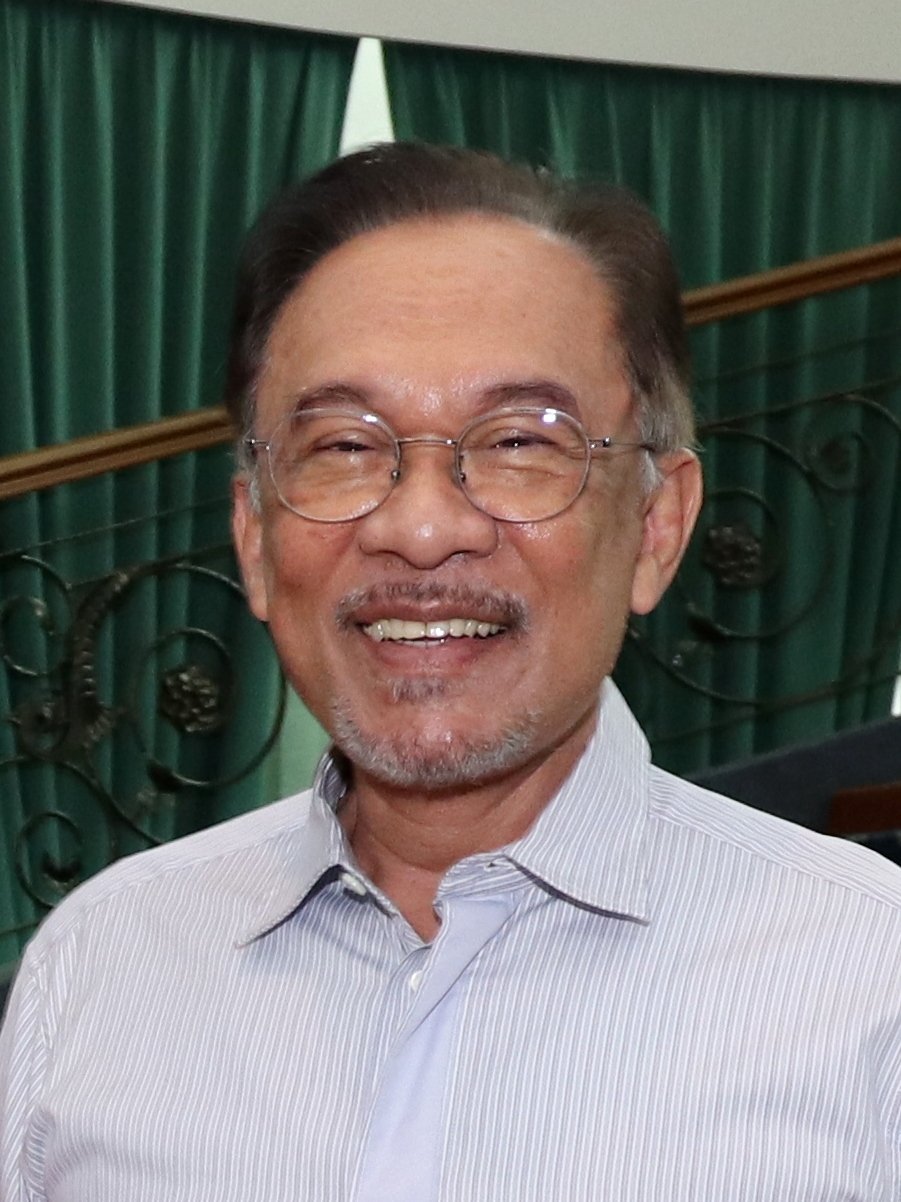
Anwar Ibrahim
Tenth Prime Minister of MalaysiaA student activist turned government minister, opposition leader and Malaysia’s tenth prime minister after one of the longest routes to national office.Read biography Malaysia · Politics
1952—
Wan Azizah Wan Ismail
Member of Parliament and former deputy prime ministerThe ophthalmologist who became a central Reformasi leader, Malaysia’s first woman opposition leader and its first woman deputy prime minister.Read biography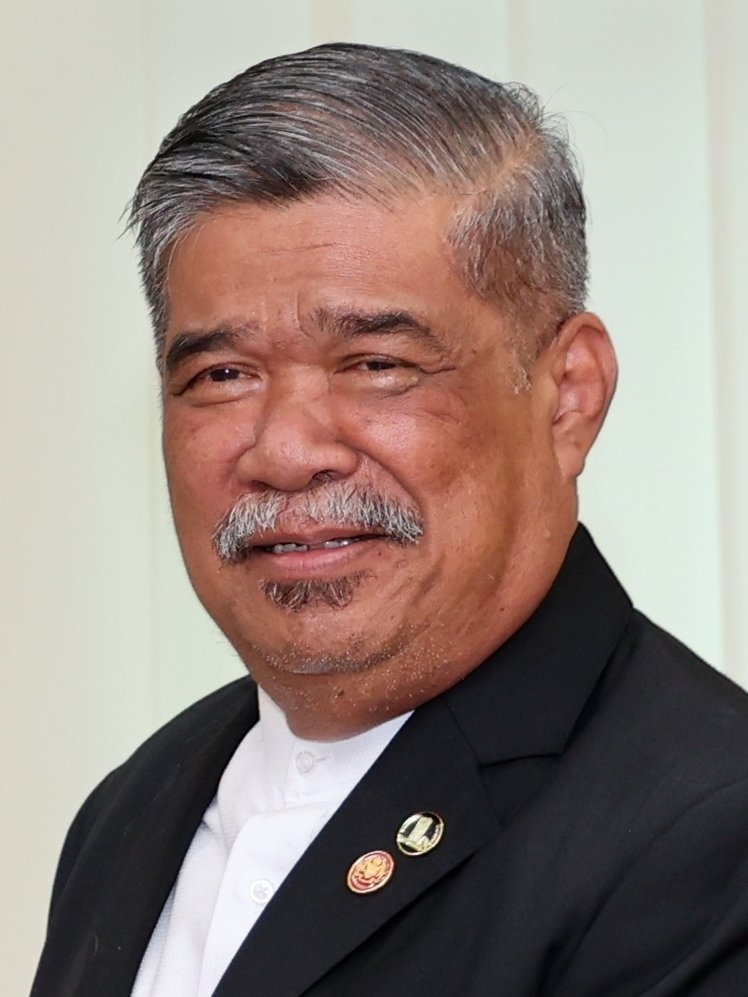 Malaysia · Politics
1954—
Mohamad Sabu
Amanah president and Minister of Agriculture and Food SecurityThe veteran campaigner known as Mat Sabu who left PAS, became Amanah’s founding president and served in two federal cabinet portfolios.Read biography Malaysia · Politics
1925—
Mahathir Mohamad
Fourth and seventh Prime Minister of MalaysiaA physician-politician whose two premierships—separated by fifteen years—made him the longest-serving and one of the most consequential leaders in Malaysian history.Read biography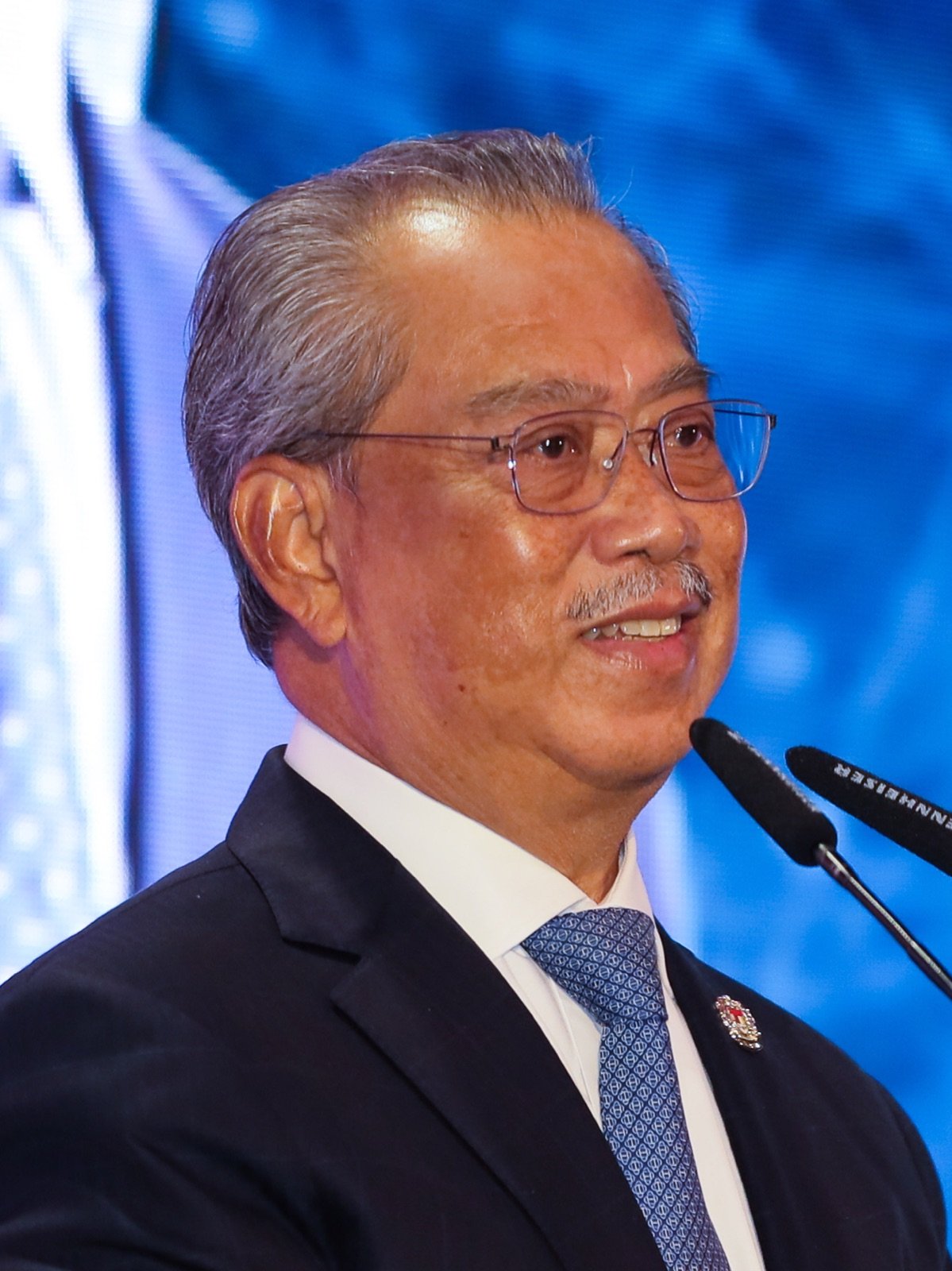 Malaysia · Politics
1947—
Muhyiddin Yassin
Eighth Prime Minister of MalaysiaA veteran Johor politician who became prime minister after the 2020 coalition crisis and governed through the most disruptive phase of the pandemic.Read biographyQuick answers
Common questions
- What does Pakatan Harapan mean?
- Pakatan Harapan means Alliance of Hope. It is commonly abbreviated PH.
- When was Pakatan Harapan formed?
- PKR, DAP and Amanah announced the coalition on 22 September 2015 after Pakatan Rakyat broke down.
- Which parties are in PH in 2026?
- PKR, DAP and Amanah form the core coalition as reviewed on 4 October 2026.
- Is Bersatu still part of Pakatan Harapan?
- No. Bersatu joined before GE14 but withdrew in February 2020, contributing to the collapse of the PH government.
- Did PH win GE14?
- Yes. PH won 113 of 222 seats in 2018 and formed the first federal government not led by the Alliance or BN.
- How many seats did PH win at GE15?
- The aligned total was 82: the official result listed PH on 76, DAP on five and allied MUDA on one.
- Is BN part of PH?
- No. They remain separate coalitions but govern together in the post-GE15 unity government.
- Why did UPKO leave PH?
- UPKO announced its withdrawal in November 2025 amid disagreements about Sabah representation and coalition direction; PH’s core then returned to three parties.
Primary and institutional sources
How this history was checked
Coalition and party records establish PH’s formation and current core; IPU and PMO records establish election and government-formation facts; BERNAMA establishes dated membership changes. This article was reviewed on 4 October 2026.
- Democratic Action PartyCEC Report on Pakatan Rakyat and Pakatan Harapan
- Pakatan Harapan Presidential CouncilCoalition Leadership and Common Position
- Inter-Parliamentary UnionMalaysia House of Representatives Election, May 2018
- Inter-Parliamentary UnionMalaysia House of Representatives Election, November 2022
- Prime Minister’s Office of MalaysiaAnwar Ibrahim Sworn In as Tenth Prime Minister
- BERNAMAPakatan Harapan Convention and Current Core Leadership
- BERNAMAUPKO Withdraws From Pakatan Harapan
- Parti Keadilan Rakyat2026 National Congress Policy Speech