
The short answer
Ontario’s NDP government introduced the Social Contract during the difficult economic conditions of Bob Rae’s premiership. Its compensation restraints became widely known through unpaid “Rae Days,” but the policy was more complicated than a uniform leave order. Negotiations, sector arrangements, statutory defaults and conflicting union responses are all necessary to understanding the episode. This is historical explanation, not current employment-law advice.
Chronology
A timeline of the turning points
An NDP majority government
Rae becomes premier as Ontario enters a difficult period of recession and fiscal pressure.
Government seeks negotiated savings
The Act’s preamble records invitations to public sector employers and employees to negotiate.
Legislation and implementation
The Social Contract combines negotiated sector and local arrangements with statutory default measures.
A labour rupture
Public sector opposition produces major conflict over bargaining rights and party affiliation.
Government defeated
The Progressive Conservatives win the provincial election after the NDP’s difficult governing term.
Compensation-restraint endpoint
The statutory compensation freeze’s specified period ends, though employment arrangements had varied.
A government with labour roots faced opposing demands
Rae’s NDP came to office with strong connections to organized labour. Governing during recession exposed tensions between those relationships, protection of public services and the search for savings. The Social Contract became especially divisive because the government seeking concessions was one many union members had helped elect.
The conflict was therefore not simply over whether public spending mattered. It concerned who would bear restraint and whether bargaining partners could regard an imposed framework as legitimate. Rae’s subsequent defeat belongs in that wider setting. A chronology establishes that the controversy preceded the 1995 election; it does not isolate one policy as the sole cause of the result.
Negotiated arrangements and a statutory fallback differed
The Social Contract Act encouraged sectoral and local agreements to achieve compensation savings while protecting employment and services. Sector frameworks and local arrangements could address productivity, redeployment and alternative ways of meeting targets. “The Social Contract” consequently names both a policy process and the legislation behind it.
Where qualifying arrangements were absent, Part VII supplied default rules, including a compensation freeze for the specified 1993–1996 period. Collective bargaining was not simply abolished, but agreements had to remain consistent with the Act. Distinguishing negotiation within statutory constraints from an unrestricted bargaining process explains why the government and its critics could describe the same framework so differently.
Rae Days were a ceiling with protections, not a universal schedule
Under the default provisions, an employer could require unpaid leave when necessary to meet its expenditure target, up to twelve days or the equivalent in each specified annual period. The provision did not order every employee to take one identical day off each month.
Part VII excluded employees earning less than $30,000 annually, excluding overtime, and leave could not reduce earnings below that threshold. The Act also addressed pension contributions and operational arrangements. Sector plans, local agreements and the fallback therefore need to be examined separately; a remembered slogan cannot establish what happened to an individual worker.
Sources for this section: [1]
Union opposition was intense but not organizationally uniform
Larry Savage’s labour history describes fierce public sector opposition and a 1993 Ontario Federation of Labour convention that condemned the interference with free collective bargaining. The dispute damaged a relationship that was both practical and ideological: unions supplied support to the NDP while expecting it to defend bargaining rights.
There was nonetheless no single union response. Some organizations favoured breaking their affiliations, while others opposed that step; subsequent anti-Conservative strategies also differed. Describing all labour as having abandoned the party erases these disagreements. The policy’s political consequences included a lasting argument about the limits of party loyalty when an allied government exercises employer and legislative power.
Sources for this section: [3]
Later research complicates a simple success or failure story
In their 1999 scholarly abstract, Bob Hebdon and Peter Warrian acknowledge widespread criticism that the Social Contract lacked negotiated consensus. Their survey of 1,225 public employers nevertheless led them to argue that its administration preserved important bargaining relationships and enabled open, accountable labour-management responses to restructuring.
That assessment does not undo workers’ objections or establish that every workplace benefited. Nor does an abstract provide a complete audit of savings, services or long-term outcomes. It does show why a history should separate fiscal aims, workplace administration, bargaining legitimacy and electoral damage. Those are different questions, and the evidence needed to answer one cannot automatically settle the others.
Sources for this section: [2]
Continue the chronology
Related history guides
Biography context
Explore Ontario, Canada through connected lives
Bob Rae
Read his parliamentary career, later Liberal leadership, negotiations and diplomatic service.
Explore the biographiesAn earlier provincial comparisonTommy Douglas
Explore another NDP premier’s public service programme without treating different provinces and decades as identical.
Explore the biographiesConnected biographies
Different NDP governments and public service conflicts
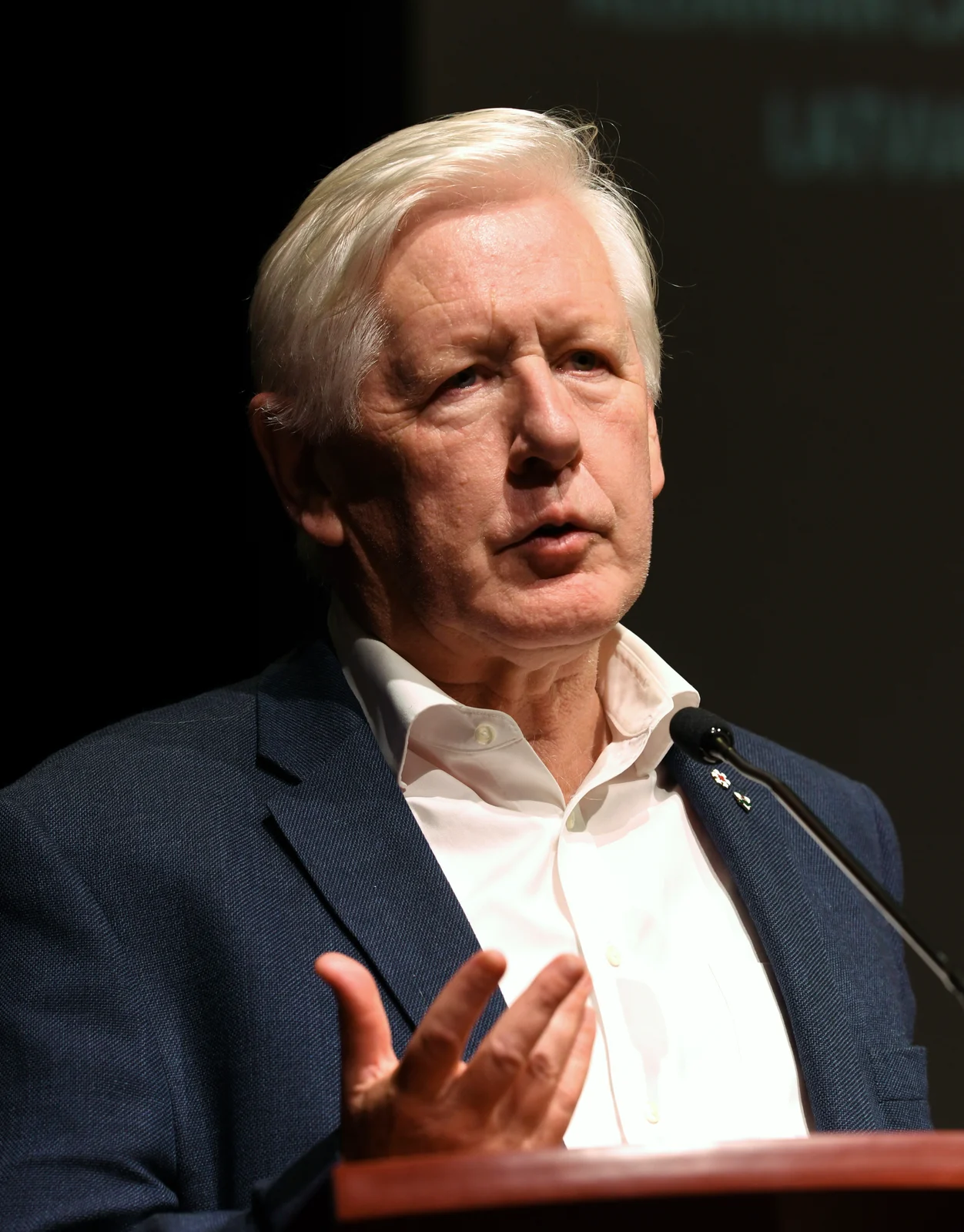
1948–
Bob Rae
Former Ontario premier, parliamentarian and UN ambassadorA lawyer and parliamentarian whose career moved from the federal and Ontario NDP to Liberal leadership, Indigenous negotiations and international diplomacy.Read biography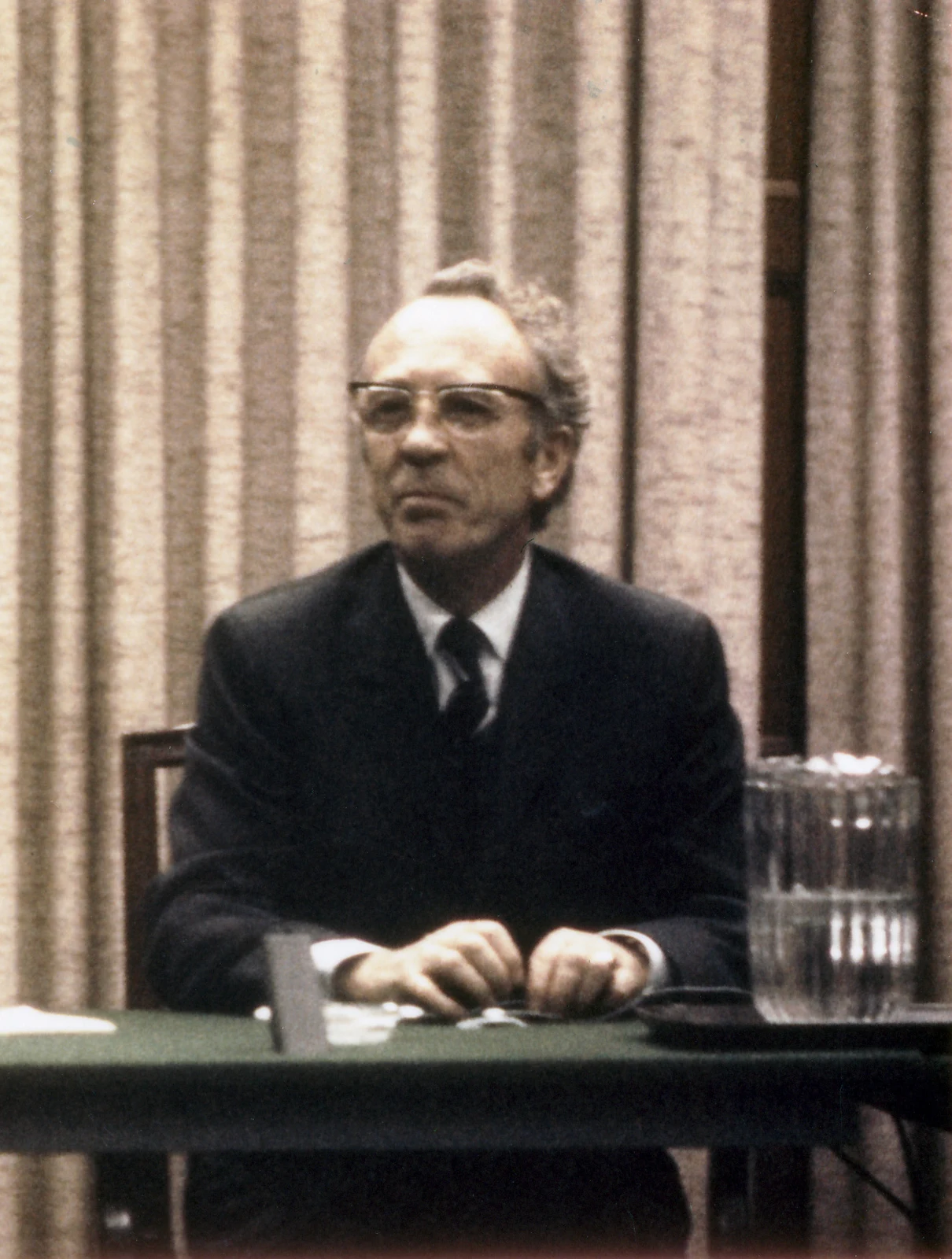
1904–1986
Tommy Douglas
Baptist minister, Saskatchewan premier and first federal NDP leaderTommy Douglas led Saskatchewan from 1944 to 1961 and the federal New Democratic Party from 1961 to 1971. His government’s hospital insurance and campaign for physician insurance helped establish Canadian medicare. The physician plan was enacted and implemented under his successor, Woodrow Lloyd, while Douglas’s earlier eugenic ideas complicate his social-justice legacy.Read biographyQuick answers
Common questions
- Did the Social Contract mean only unpaid days off?
- No. The framework combined negotiated sector and local arrangements with statutory fallback rules, including compensation restraint and possible unpaid leave.
- Did every public employee have to take twelve Rae Days?
- No. Twelve days or the equivalent was a ceiling under the default provisions, not a universal requirement. Qualifying agreements, lower-income exclusions and other rules mattered.
- Did every union sever its NDP connection?
- No. Opposition was severe, particularly in the public sector, but unions disagreed over disaffiliation and later electoral strategy.
- Did this law alone cause the NDP’s 1995 defeat?
- The labour rupture was significant, but these sources do not demonstrate a single-cause explanation for an election following recession and a difficult governing term.
Primary and institutional sources
How this history was checked
Selected sections and legislative histories were read from the indexed e-Laws consolidation; direct retrieval was blocked. This is not a claim to have read an original 1993 printed Act or all later amendments. Savage’s selected Ontario passages provide labour history. Only the Hebdon and Warrian abstract was accessible, not the full article. The 2019 photograph is illustrative and does not depict the 1993 negotiations. This article was reviewed on Reviewed 23 October 2026.
- Government of Ontario / e-LawsSocial Contract Act, 1993, S.O. 1993, c. 5: selected provisions and legislative histories in the consolidation
- ILR Review / SAGEBob Hebdon and Peter Warrian: Coercive Bargaining, Public Sector Restructuring under the Ontario Social Contract, 1993–1996, January 1999; abstract
- Labour / Le TravailLarry Savage: Organized Labour and the NDP, Looking Back on Sixty Years of Party-Union Relations, 2021; selected Ontario passages
- CityNewsBob Rae resigns as MP: key events in his life and career, 19 June 2013
- Wikimedia Commons / Mykola SwarnykBob Rae 2019: photographer’s own work under CC BY-SA 3.0