
The short answer
Before the 1962 coup, Ne Win led a temporary government that returned office to U Nu after elections. Follow the AFPFL rupture, the parliamentary handover and the army’s expanding role in Burma, the country now called Myanmar.
Two interventions, different political outcomes
Caretaker government versus the 1962 takeover
Military leadership appears in both episodes, but entry into office, constitutional arrangements and the outcome were different.
| Country | 1958–1960 caretaker period | 1962 military takeover |
|---|---|---|
| Entry into power | Transfer through Parliament, accepted by U Nu under military pressure. | Arrest of U Nu and removal of his government without his consent. |
| Political framework | Existing parliamentary constitution retained as the formal framework. | Revolutionary Council replaced constitutional government and dissolved Parliament. |
| Outcome | Election in February 1960; civilian premiership restored in April. | No equivalent electoral handback; the army created a lasting new political order. |
Chronology
A timeline of the turning points
Ba Swe’s premiership
Nu steps away from government, then returns before the coalition rupture.
AFPFL divides
Clean and Stable factions turn the governing coalition into competing political camps.
Military-led caretaker government
Nu accepts Ne Win’s temporary premiership through Parliament amid pressure and insecurity.
Parliamentary election
Nu’s faction defeats its rivals and secures a return to civilian government.
Nu resumes the premiership
The elected government succeeds Ne Win’s caretaker administration.
A different military intervention
Ne Win arrests Nu and replaces parliamentary government with a Revolutionary Council.
The party split behind the 1958 handover
The Anti-Fascist People’s Freedom League had governed Burma after independence, but in 1958 it divided into rival Clean and Stable factions. U Nu and Thakin Tin led the Clean faction; Ba Swe and Kyaw Nyein led the Stable group. The dispute endangered Nu’s parliamentary position and intensified rivalry among organisations linked to the parties.
Historian Ian Brown describes Nu retaining office after a precarious confidence vote, followed by pressure from senior military officers to transfer authority. In autumn 1958, Nu accepted Ne Win as caretaker prime minister through a parliamentary process. “Invited” captures the formal transfer but not the full political pressure behind it; “the 1962 coup” describes a later, different takeover.
What made the administration a caretaker government?
The 1947 Constitution placed the cabinet within a parliamentary framework. Sections 114–119 addressed collective responsibility to the Chamber of Deputies, qualifications for office and the consequences of losing its confidence. Ne Win’s first premiership operated within that existing order rather than immediately replacing it with a revolutionary council.
His stated purpose was temporary administration followed by elections. The military presented itself as protecting the union and constitution above party competition. That was its justification, not evidence that every action respected democratic rights. A promise to safeguard constitutional government and the practical exercise of military authority need to be assessed separately.
Security, administration and the army’s economic reach
The caretaker cabinet excluded party politicians and drew on former civil servants. It disbanded party-linked armed organisations and placed military personnel in administrative posts. The Area Handbook for Burma also records political arrests: the programme combined administrative reorganisation with coercive restrictions on political activity.
The Defence Services Institute, directed by Aung Gyi, expanded its role in commercial and industrial enterprises, including banking, shipping and factories. This is a crucial connection between the caretaker period and the army’s wider institutional power. Improved services did not mean a politically neutral state: the military was gaining experience and organisational reach beyond its original defence responsibilities.
The 1960 election and return to civilian office
The parliamentary election took place in February 1960. U Nu’s faction won, and he resumed the premiership on 4 April. Election day and the later installation of the government are therefore distinct milestones; this was not a direct presidential election.
The return mattered because the caretaker government actually handed executive office back to an electoral civilian administration. It did not resolve every dispute over religion, regional autonomy or military influence. Nu’s restored government remained responsible for negotiating those conflicts, while the armed forces retained the organisation and experience accumulated during their temporary control of government.
Why 1958–1960 is not the same as the 1962 coup
A U.S. intelligence memorandum dated 6 March 1962 explicitly contrasted the two interventions. In the earlier case, Ne Win had taken office with Nu’s approval. In the later one, the army arrested Nu and displaced his government without that consent. The document is a contemporary outside assessment, not a ruling that the earlier arrangement was free of pressure.
The 1962 Revolutionary Council dissolved Parliament and displaced constitutional rule. No comparable electoral handback followed. The caretaker years are consequently important both as an interruption that ended with a civilian return and as a period in which the army rehearsed government. The comparison explains the difference between a temporary premiership and a new military political order without treating the eventual coup as inevitable.
Continue the chronology
Related history guides
Myanmar Prime Ministers
Place Ba Swe, Nu and Ne Win in the sequence of separate premierships.
Read the timeline1947–1948Panglong and Independence
Understand the union and parliamentary settlement preceding the caretaker years.
Read the timeline1962–1988The 1962 Coup and Socialist Rule
Follow the later Revolutionary Council and the political economy it created.
Read the timelineBiography context
Explore Myanmar through connected lives
Connected biographies
Civilian premiership, military command and the presidency
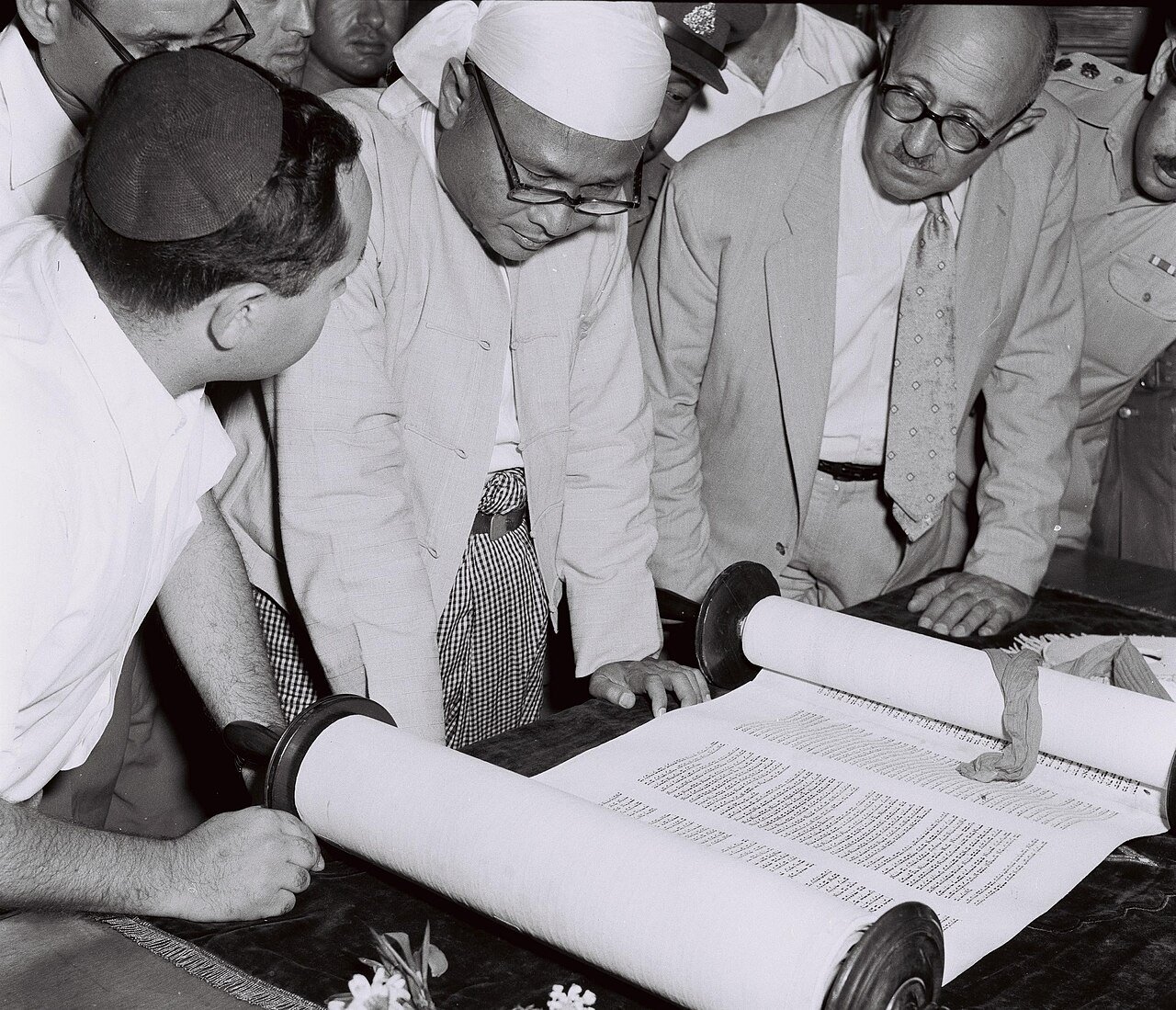
1907—1995
U Nu
First prime minister of independent BurmaThe writer, student activist and AFPFL politician who became independent Burma’s first prime minister and the central civilian leader of its parliamentary era.Read biography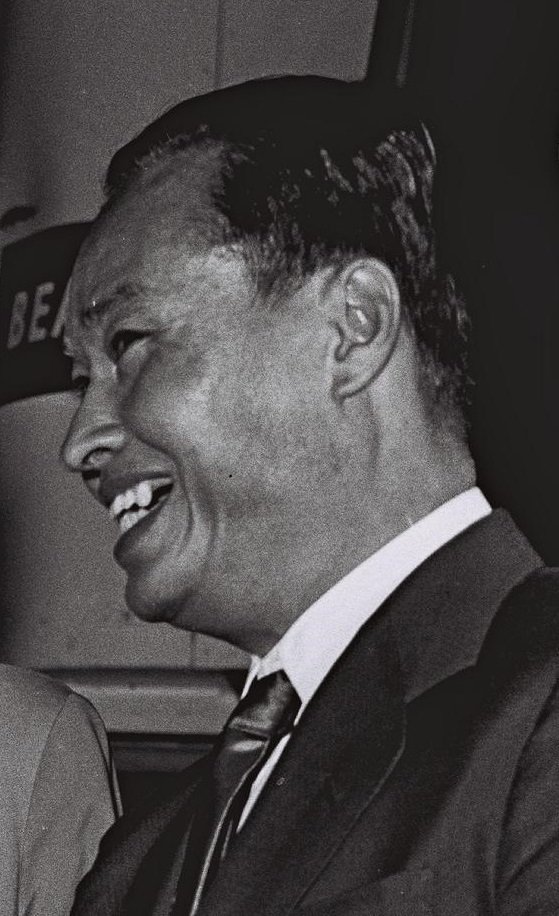
c. 1910—2002
Ne Win
Military ruler of Burma from 1962 to 1988The general who overthrew U Nu, nationalised much of the economy and built a one-party military state that lasted until the 1988 uprising.Read biography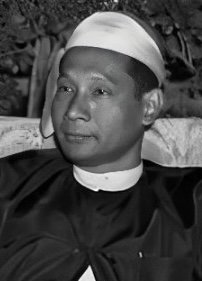
1915—1987
Ba Swe
Second prime minister of independent BurmaThe student nationalist, socialist organiser and defence minister who briefly succeeded U Nu as prime minister during Burma’s parliamentary era.Read biography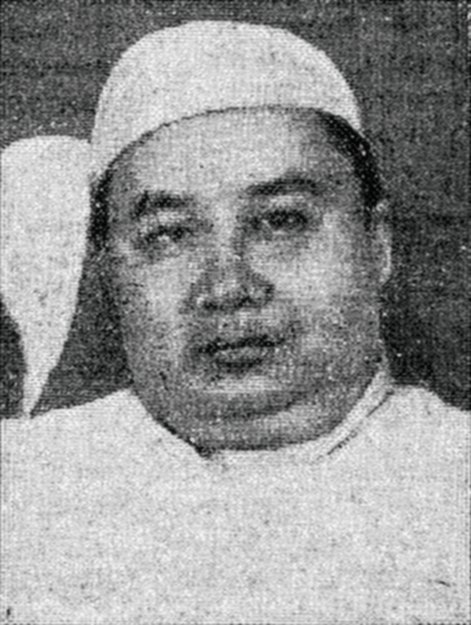
1916—1989
Win Maung
Third president of the Union of BurmaThe Karen politician and former cabinet minister who served as president from 1957 until soldiers removed and imprisoned him in 1962.Read biographyQuick answers
Common questions
- Who led Burma’s 1958–1960 caretaker government?
- General Ne Win led it as prime minister after U Nu accepted a temporary military-led administration through Parliament in autumn 1958.
- Why did U Nu hand over government in 1958?
- The AFPFL split weakened his parliamentary position amid insecurity. His formal acceptance of caretaker rule also followed pressure from senior military officers.
- When did the caretaker government return office to U Nu?
- Nu’s faction won the parliamentary election in February 1960. He resumed the premiership on 4 April 1960.
- Was the caretaker government the same as the 1962 coup?
- No. The earlier transfer kept the parliamentary framework and ended with an electoral civilian return. In March 1962, the army arrested Nu and replaced constitutional government with a Revolutionary Council.
Primary and institutional sources
How this history was checked
The constitutional text establishes the formal framework. Historical scholarship and the area handbook explain the political and administrative setting; the March 1962 intelligence memorandum provides a contemporary comparison, not a neutral endorsement of military rule. This article was reviewed on 14 October 2026.
- Myanmar Law LibraryConstitution of the Union of Burma, 1947, especially sections 114–119
- Ian Brown, Cambridge University PressIn pursuit of socialism: the AFPFL split and military handover
- Josef Silverstein, ANU PressThe military and its roots: ideology and the caretaker administration
- American University Foreign Area Studies / ERICArea Handbook for Burma, 1971, historical setting pp. 51–54
- Office of the Historian, U.S. Department of StateIntelligence memorandum, 6 March 1962: contrasting the two interventions