The short answer
The People Power Party won 233 of 480 seats in Thailand’s first post-coup general election. Its victory showed that dissolving Thai Rak Thai had not erased the electoral coalition associated with Thaksin Shinawatra. Samak Sundaravej formed a six-party, 315-seat government, but constitutional litigation and street confrontation destabilised it within months.
Election results
Every party represented in the 2007 House
Seven parties won seats; the first-place PPP needed five partners to form a majority government.
| Political party | Total seats | Constituency | Party list |
|---|---|---|---|
| People Power Party | 233 | 199 | 34 |
| Democrat Party | 164 | 131 | 33 |
| Chart Thai Party | 34 | 30 | 4 |
| Puea Pandin Party | 24 | 17 | 7 |
| Matchimathipataya Party | 11 | 7 | 4 |
| Ruam Jai Thai Chart Pattana | 9 | 8 | 1 |
| Pracharaj Party | 5 | 5 | 0 |
Chronology
A timeline of the turning points
The military removes Thaksin’s government
The coup cancelled a pending election, repealed the 1997 Constitution and restricted party activity.
Thai Rak Thai is dissolved
A tribunal dissolved the former governing party and barred 111 executives from politics for five years.
Voters approve a new constitution
The charter created a 480-seat House and a regional party-list system.
Former Thai Rak Thai networks regroup
Many politicians joined the People Power Party under veteran leader Samak Sundaravej.
Thailand returns to a national House election
The PPP won 233 seats and the Democrats 164; party-list turnout was 74.52 percent.
Six parties announce a coalition
The PPP alliance controlled 315 of 480 House seats.
The elected House opens
Parliament convened for the first time since the September 2006 takeover.
The House chooses Samak
Samak defeated Democrat leader Abhisit Vejjajiva in the parliamentary vote for prime minister.
The coalition cabinet is sworn in
The transfer ended the appointed Surayud government and restored elected civilian administration.
What political system produced the 2007 election?
The vote was the first completed House election after the September 2006 coup. The military-appointed Surayud government had supervised a new constitution, while political-party activity remained restricted for much of the transition. Voters therefore returned to the polls, but under institutions and rules made after an elected government had been removed by force.
The 2007 Constitution reduced the House from 500 to 480 members. Four hundred MPs came from multi-member constituencies and eighty from eight regional party lists. The system was less favourable to a single nationally dominant party than the 1997 design, while a partly selected Senate and stronger oversight institutions limited the authority of the elected chamber.
How did Thaksin-aligned politicians return?
Thai Rak Thai had been dissolved in May and 111 executives were barred for five years. The ruling removed much of the formal leadership, including Thaksin Shinawatra, but it did not erase the party’s organisers, local candidates, policies or electoral base. Many surviving politicians regrouped in the smaller People Power Party.
Samak Sundaravej became PPP leader and openly represented continuity with the deposed government’s constituency. His campaign promised to restore policies associated with Thai Rak Thai and opposed the coup’s political legacy. Critics called the party a proxy for Thaksin; supporters treated it as the available electoral vehicle for voters whose 2005 government had been removed.
What were the final election results?
The People Power Party won 233 seats—199 constituency and thirty-four party-list places—finishing just eight short of a majority. The Democrat Party won 164 seats, followed by Chart Thai with thirty-four, Puea Pandin with twenty-four, Matchimathipataya with eleven, Ruam Jai Thai Chart Pattana with nine and Pracharaj with five.
Election Commission figures recorded party-list turnout of 74.52 percent and constituency turnout of 74.49 percent. The result was competitive and returned a plural House, but the regional division remained pronounced: the PPP dominated much of the north and northeast, while the Democrats remained strongest in the south and performed well in Bangkok.
How was the six-party government formed?
Because 233 seats did not reach the 241 required for a majority, the PPP negotiated with five smaller parties. Chart Thai, Puea Pandin, Matchimathipataya, Ruam Jai Thai Chart Pattana and Pracharaj joined an alliance controlling 315 seats. The coalition combined the largest electoral bloc with provincial networks that had long shaped Thai multiparty government.
The House selected Samak as prime minister on 28 January, defeating Democrat leader Abhisit Vejjajiva. The new cabinet was sworn in on 6 February. The transition restored an elected government, but coalition bargaining and continuing military, judicial and street pressure meant that the electoral result did not settle who possessed legitimate authority.
Was the result a rejection of the coup?
The PPP victory demonstrated that the coup and dissolution of Thai Rak Thai had not eliminated support for the political programme associated with Thaksin. Voters gave the largest bloc to a party that explicitly claimed that inheritance. In that sense, the election contradicted any assumption that military intervention had permanently changed electoral preferences.
It was not a simple national plebiscite. The Democrats and smaller parties together won a majority of seats, regional preferences differed sharply and the PPP itself needed a coalition. The result is best understood as a return of the Thaksin-aligned bloc within a more fragmented parliament and a constitution designed to constrain dominant party government.
Why did the elected government last less than a year?
The People’s Alliance for Democracy resumed demonstrations, accusing the government of serving Thaksin and seeking constitutional amendments for partisan benefit. Protesters occupied Government House and later Bangkok’s airports. Courts simultaneously considered cases involving officeholders, electoral offences and the governing parties.
The Constitutional Court ended Samak’s premiership in September over compensated television appearances. Somchai Wongsawat succeeded him, but a December ruling dissolved the PPP and two coalition partners. Defections then allowed Abhisit to assemble a different House majority. The 2007 election restored civilian government; the 2008 crisis showed how little agreement existed over the rules by which that mandate could endure.
Continue the chronology
Related history guides
The 2007 Constitution and Referendum
Start with the post-coup rules under which the election was held.
Read the timeline19 September 2006The 2006 Thai Coup
Understand the military transition that preceded the vote.
Read the timelineJanuary–December 2008The 2008 Thai Political Crisis
Continue through protest, court removals and coalition realignment.
Read the timeline3 July 2011The 2011 Thai General Election
Compare the later Pheu Thai majority and Yingluck’s path to office.
Read the timelineConnected biographies
Six biographies connecting party continuity, coalition building and the post-election crisis
 Thailand · Politics
1935—2009
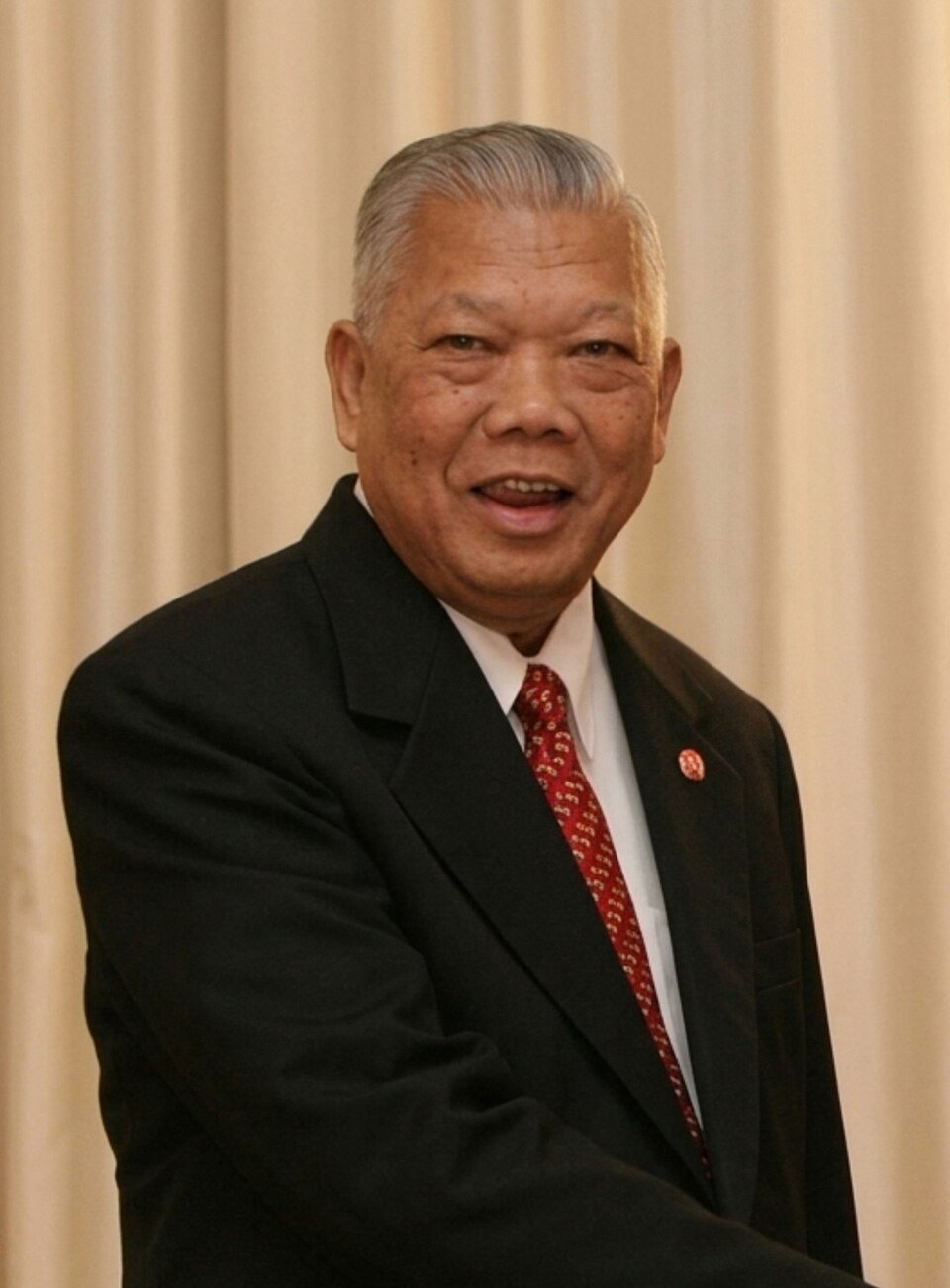
Samak Sundaravej
25th Prime Minister of Thailand, January–September 2008The combative veteran politician, Bangkok governor and television cook who led the first elected government after the 2006 coup before a court ended his premiership.Read biography Thailand · Politics
1949—
Thaksin Shinawatra
Businessman and former prime ministerA telecommunications entrepreneur who became prime minister in 2001, transformed Thai electoral politics and remained influential through two decades of conflict.Read biography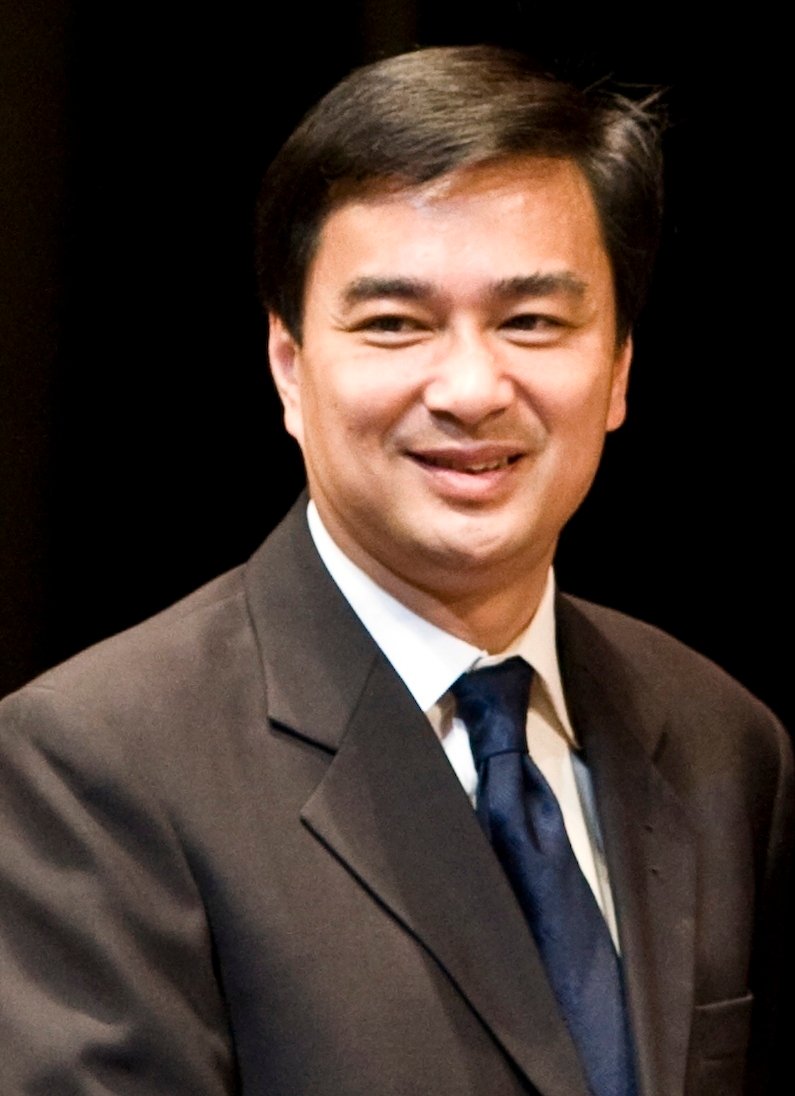 Thailand · Politics
1964—
Abhisit Vejjajiva
27th Prime Minister of Thailand, 2008–2011The Oxford-educated Democrat leader who became prime minister through a parliamentary coalition, launched crisis stimulus and governed during Thailand’s 2010 protest violence.Read biography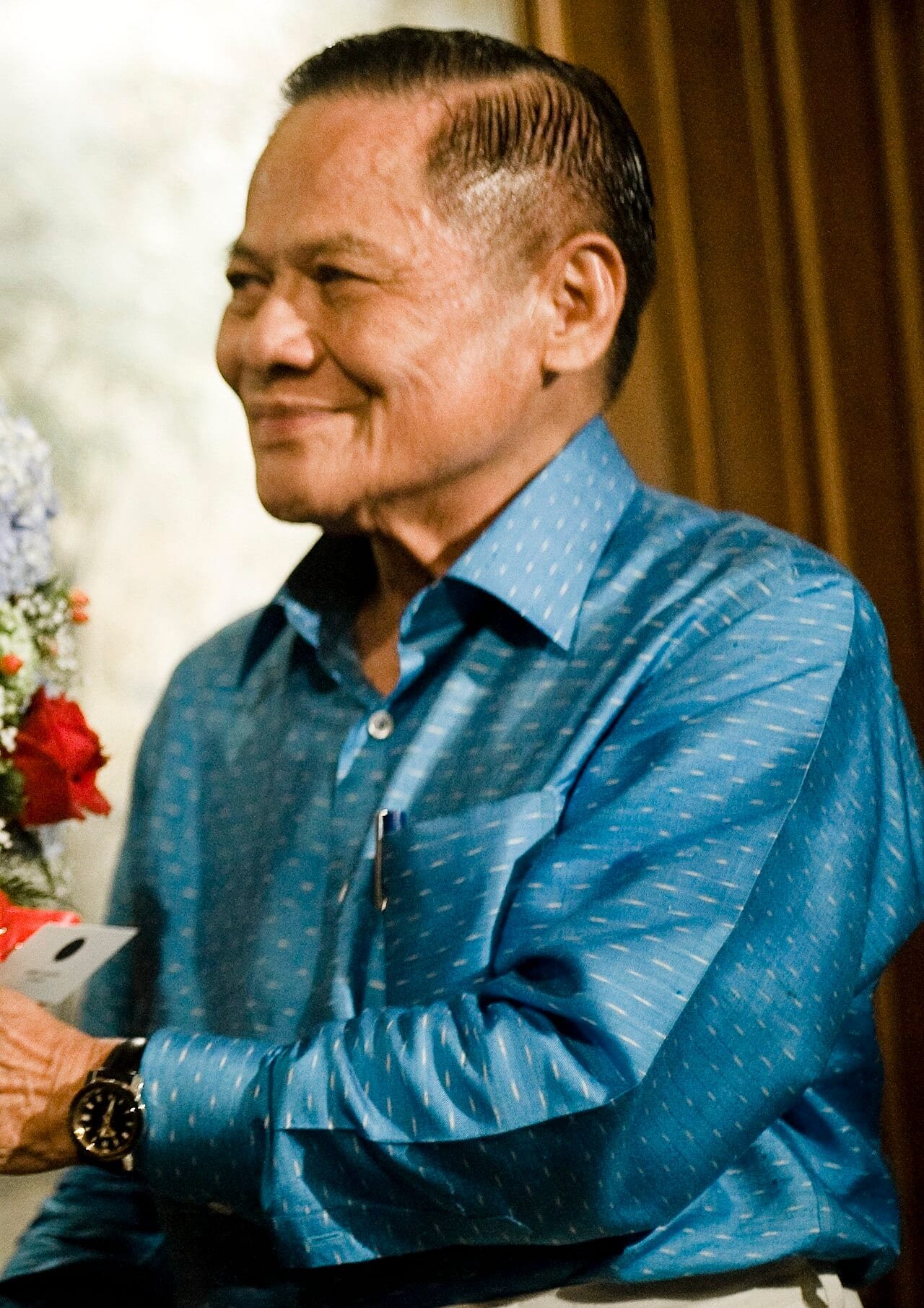 Thailand · Politics
1932—2016
Banharn Silpa-archa
21st Prime Minister of Thailand, 1995–1996The construction entrepreneur and Suphan Buri power broker who led Chart Thai to first place in 1995 and headed a seven-party coalition for sixteen turbulent months.Read biography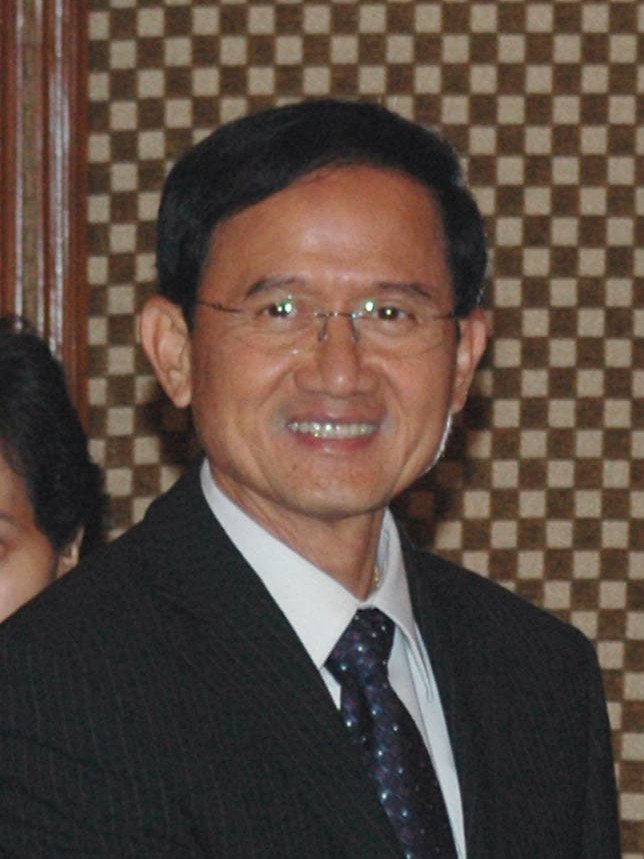 Thailand · Politics
1947—
Somchai Wongsawat
26th Prime Minister of Thailand, September–December 2008The former judge and senior civil servant whose three-month premiership ended when the Constitutional Court dissolved his party during the 2008 political crisis.Read biography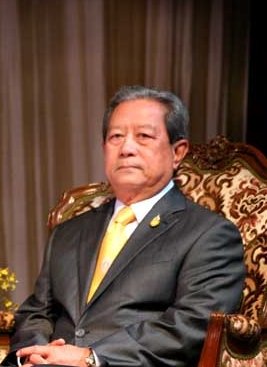 Thailand · Politics
1943—
Surayud Chulanont
24th Prime Minister of Thailand, 2006–2008The former army commander and privy councillor appointed prime minister after the 2006 coup, who oversaw a new constitution and Thailand’s return to elected government.Read biographyQuick answers
Common questions
- When was Thailand’s 2007 general election?
- It was held on 23 December 2007 for all 480 seats in the House of Representatives.
- Which party won the 2007 Thai election?
- The People Power Party won the largest bloc with 233 seats, followed by the Democrat Party with 164.
- What was voter turnout?
- Election Commission data record 74.52 percent turnout for the party-list ballot and 74.49 percent for constituency voting.
- How many parties joined Samak’s coalition?
- Six parties joined: the PPP and five smaller partners, together controlling 315 of 480 seats.
- Why did Thai Rak Thai not contest the election?
- The party had been dissolved in May 2007 and 111 executives were barred; many remaining politicians regrouped in the People Power Party.
Primary and institutional sources
How this history was checked
Dates, legal milestones and historical claims are checked against the official and institutional records below. This article was reviewed on 3 October 2026.
- Inter-Parliamentary UnionThailand parliamentary election, 23 December 2007
- Election Commission of ThailandStatistical comparison of the 2007 and 2011 general elections
- ConstitutionNet · International IDEAConstitutional history of Thailand
- WIPO LexConstitution of the Kingdom of Thailand, B.E. 2550 (2007)
- U.S. Department of StateThailand country report on human rights practices, 2007
- Wikimedia CommonsSamak Sundaravej photograph and licence record