
The short answer
Brunei’s independence was a staged transfer rather than a single break. The 1959 Constitution created internal self-government, later agreements shifted additional powers and the 1979 treaty set a five-year timetable for full sovereignty in 1984.
Chronology
A timeline of the turning points
Written constitution commenced
Brunei gained internal self-government, replacing the British Resident with a high commissioner.
Revolt and emergency
The Brunei revolt was suppressed and emergency powers reshaped the constitutional order.
Royal succession
Hassanal Bolkiah succeeded after Omar Ali Saifuddien III abdicated.
Agreement revised
Brunei assumed fuller internal responsibility while Britain retained defence and external affairs roles.
Independence treaty signed
A new treaty set the end of British responsibilities for 1 January 1984.
Full independence proclaimed
Brunei Darussalam became a fully sovereign state with the sultan as prime minister.
Joined ASEAN
Brunei became ASEAN’s sixth member state.
Joined the United Nations
The General Assembly admitted Brunei as a UN member.
What did the 1959 Constitution change?
Brunei had been a British protected state since the nineteenth century, with a British Resident advising on administration. Negotiations led by Sultan Omar Ali Saifuddien III produced a written constitution that commenced on 29 September 1959.
The constitution established internal self-government and offices including a chief minister, while a British high commissioner replaced the Resident. Britain still controlled defence and external affairs, so 1959 was a major constitutional change but not full independence.
Why did full independence take another 25 years?
The 1962 revolt, emergency rule and Brunei’s decision not to join Malaysia narrowed the path toward representative politics. The monarchy and British government instead negotiated the transfer of remaining powers through bilateral agreements.
A 1971 agreement gave Brunei fuller control of internal affairs. The 1979 Treaty of Friendship and Co-operation then fixed 1 January 1984 as the date when British responsibility for defence and foreign relations would end.
What happened on 1 January 1984?
At midnight, Sultan Hassanal Bolkiah proclaimed Brunei Darussalam a fully independent and sovereign state. He became prime minister, while Prince Mohamed Bolkiah became the first foreign minister and Omar Ali Saifuddien III served as minister of defence.
The new state retained the monarchy-centred institutions developed before independence. Its political system therefore differed from decolonisation stories in which independence immediately produced a parliamentary republic or competitive elections.
How did Brunei enter regional and global diplomacy?
Brunei joined the Association of Southeast Asian Nations on 7 January 1984, only days after independence. The membership located the state within a regional framework that already included Malaysia, Indonesia, Singapore, Thailand and the Philippines.
On 21 September 1984 the United Nations General Assembly admitted Brunei as a member. These accessions turned sovereignty into an international network of diplomatic relations, work led initially by the newly created Ministry of Foreign Affairs.
Continue the chronology
Related history guides
Biography context
Explore Brunei through connected lives
Brunei Biographies
Explore 20 sourced lives across politics, business, sport and culture.
Explore the biographiesPolitics collectionBruneian Political Leaders
Compare monarchy, constitutional government, nationalism and diplomacy.
Explore the biographiesCulture collectionBruneian Culture Icons
Follow national identity through the anthem, modern literature and regional media.
Explore the biographiesConnected biographies
Four lives connecting constitutional government, succession and sovereignty
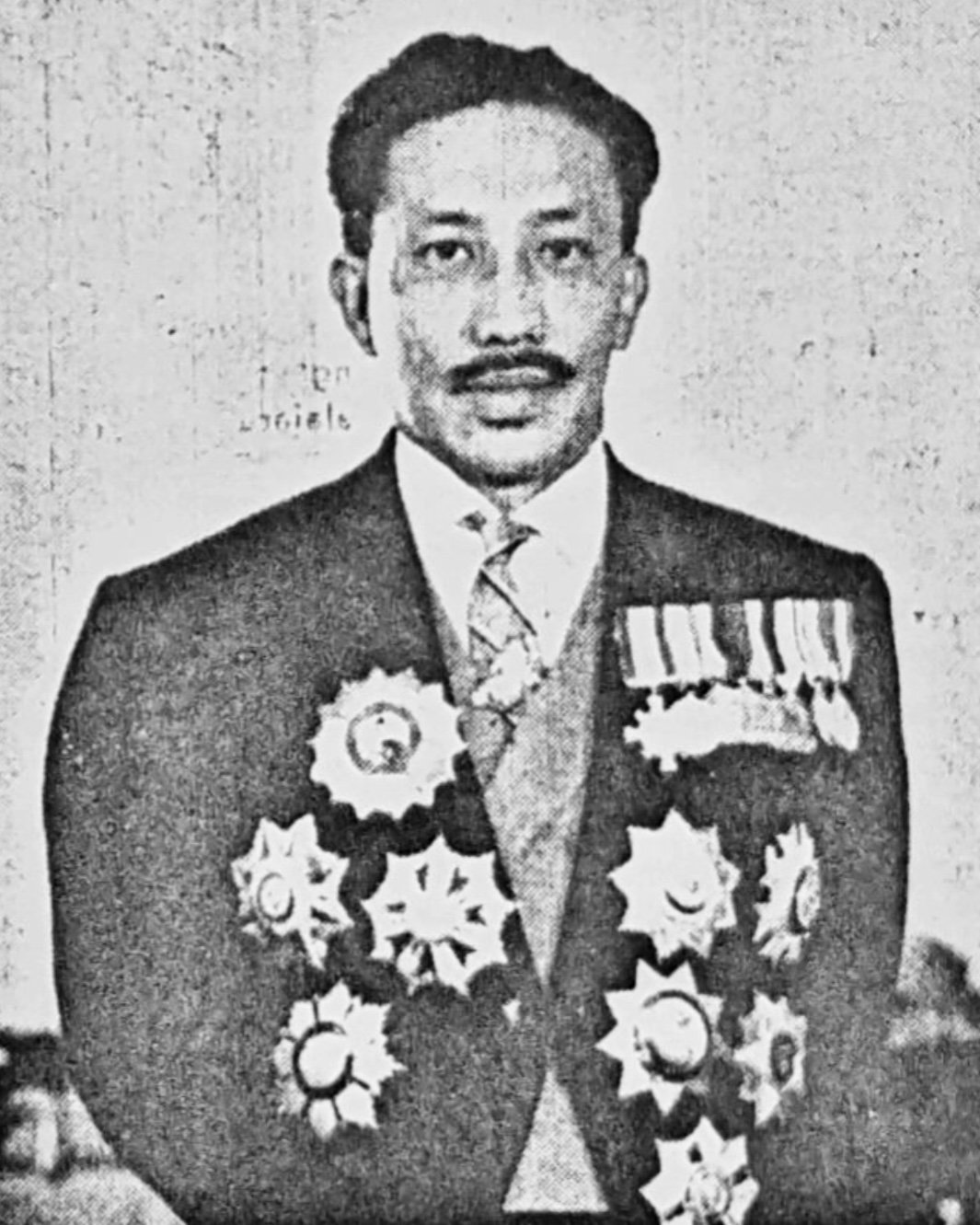
1914—1986
Omar Ali Saifuddien III
28th Sultan of Brunei and architect of the modern stateThe 28th Sultan who used oil revenue for national development, promulgated Brunei’s written constitution and guided the state toward self-government.Read biography
1946—
Hassanal Bolkiah
29th Sultan and prime minister of BruneiThe 29th Sultan who led Brunei into full independence in 1984 and has combined the offices of monarch and prime minister.Read biography
1913—2000
Marsal Maun
Teacher, administrator and second chief minister of BruneiThe pioneering teacher and civil servant who joined Brunei’s constitutional negotiations and served as chief minister from 1961 to 1968.Read biography
1947—
Prince Mohamed Bolkiah
Brunei’s first minister of foreign affairsThe royal diplomat appointed as Brunei’s first foreign minister at independence, who led its external relations from 1984 to 2015.Read biographyQuick answers
Common questions
- When did Brunei gain independence?
- Brunei became fully independent from British protection on 1 January 1984.
- What happened in Brunei in 1959?
- A written constitution established internal self-government and new governing institutions, although Britain retained responsibility for defence and external affairs.
- Who led Brunei at independence?
- Sultan Hassanal Bolkiah proclaimed independence and became prime minister. His father Omar Ali Saifuddien III remained a senior state figure.
- When did Brunei join ASEAN?
- Brunei joined ASEAN on 7 January 1984 as its sixth member.
- When did Brunei join the United Nations?
- The UN General Assembly admitted Brunei Darussalam on 21 September 1984.
Primary and institutional sources
How this history was checked
Dates, legal milestones and historical claims are checked against the official and institutional records below. This article was reviewed on 2 October 2026.