In this biography
Quick facts
- Born
- 13 February 1915
- Died
- 19 July 1947
- Birthplace
- Natmauk, Magway District, British Burma
- Country
- Myanmar
- Nationality
- Burmese
- Known for
- Negotiating the end of British rule and signing the 1947 Panglong Agreement
- Student office
- Rangoon University Students’ Union president
- Political front
- Anti-Fascist People’s Freedom League
- Panglong Agreement
- 12 February 1947
- Assassinated
- Secretariat, Rangoon · 19 July 1947
Why this life matters
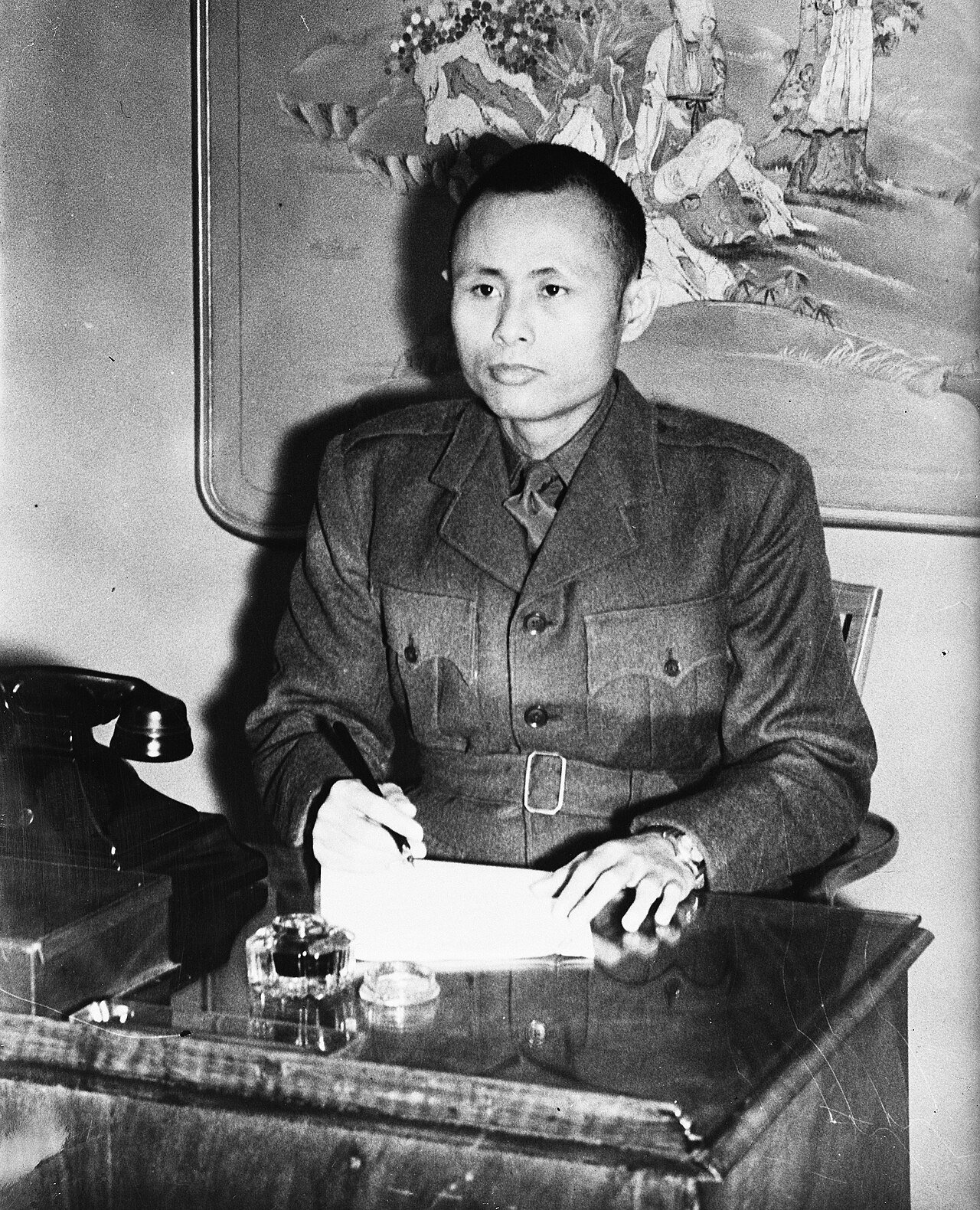
Aung San connected anticolonial organisation, wartime military alliances, negotiations with Britain and the unfinished promise of a federal union.
Timeline
Key moments
Born in Natmauk
Born on 13 February in central Burma.
Led the student strike
A university disciplinary dispute became a nationwide anticolonial mobilisation.
Helped form an independence army
Trained with the Thirty Comrades and entered Burma with Japanese support.
Turned against Japan
The Burma National Army joined the Allied struggle as the AFPFL expanded its political coalition.
Negotiated independence and union
Signed the Aung San–Attlee agreement in January and the Panglong Agreement in February.
Assassinated before independence
Gunmen killed Aung San and cabinet colleagues on 19 July.
Student nationalism and a wartime army
Aung San rose through the Rangoon University student movement and the Dobama Asiayone, where activists used the title Thakin—“master”—to challenge colonial hierarchy. The 1936 student strike made him a nationally recognised organiser.
During the Second World War he and the Thirty Comrades trained with Japanese support and formed the core of an independence army. Japanese occupation did not deliver genuine sovereignty, and in March 1945 his forces turned against Japan and aligned with the Allies.
Negotiating a state he did not live to lead
As leader of the AFPFL, Aung San negotiated with British prime minister Clement Attlee in January 1947. At Panglong the following month, representatives from the interim government and Shan, Kachin and Chin communities agreed principles for cooperation and frontier-area participation in the coming union.
His coalition won the April constituent-assembly election, but gunmen killed him and six cabinet colleagues at the Secretariat on 19 July. Burma became independent on 4 January 1948 under successors who inherited both his state-building programme and unresolved federal conflicts.
Quick answers
Frequently asked questions about Aung San
- Who was Aung San?
- Aung San was an independence leader and architect of modern Burma. Aung San connected anticolonial organisation, wartime military alliances, negotiations with Britain and the unfinished promise of a federal union.
- What is Aung San best known for?
- Aung San is best known for negotiating the end of British rule and signing the 1947 Panglong Agreement.
- When and where was Aung San born?
- Aung San was born on 13 February 1915 in Natmauk, Magway District, British Burma.
- When did Aung San die?
- Aung San died on 19 July 1947.
Sources and further reading
How this biography was checked
Core dates and offices are checked against the sources below. This profile was last reviewed on 9 September 2026.