
The short answer
Thailand’s 1995 election peacefully replaced Chuan Leekpai’s post–Black May coalition with a seven-party government led by Banharn Silpa-archa. Chart Thai’s 92 seats were enough to lead the bargaining, but the fragmented result also exposed the instability and patronage problems later targeted by the 1997 Constitution.
Election results
The leading parties in the 1995 House
Chart Thai placed first, but the House remained divided among eleven parties.
| Political party | Seats | Change | Government position |
|---|---|---|---|
| Chart Thai Party | 92 | +15 | Governing coalition |
| Democrat Party | 86 | +7 | Opposition |
| New Aspiration Party | 57 | +6 | Governing coalition |
| Chart Pattana Party | 53 | −7 | Opposition |
| Palang Dharma Party | 23 | −24 | Governing coalition |
Chronology
A timeline of the turning points
Chuan forms a pro-democracy coalition
Five parties backed the Democrat leader after the post–Black May election.
A land-reform controversy deepens
The opposition alleged that plots intended for poor farmers had reached wealthy beneficiaries.
Palang Dharma leaves government
The coalition partner withdrew shortly before a scheduled no-confidence vote.
Chuan dissolves the House
The prime minister chose an early election rather than test his reduced majority.
Voters elect a 391-seat House
The voting age fell to eighteen and turnout reached 62.04 per cent.
Chart Thai wins the largest bloc
Banharn’s party took 92 seats, ahead of the Democrats on 86.
Banharn becomes prime minister
A seven-party alliance with 233 seats replaced Chuan’s government.
The new cabinet is appointed
The coalition promised economic development and a constitutional reform process.
Reform creates a drafting pathway
A constitutional amendment enabled an outside assembly to prepare a new charter.
The House is dissolved again
Coalition pressure after a censure debate ended the government after fourteen months.
Why did Chuan call an early election?
Chuan Leekpai’s first government depended on a five-party coalition assembled after the September 1992 transition. A dispute over an agricultural land-reform programme damaged its anti-corruption credentials. Critics alleged that land intended for poor farmers had been allocated to wealthy or politically connected recipients.
Palang Dharma withdrew from the coalition on 19 May 1995, shortly before a no-confidence debate. Without a secure majority, Chuan dissolved the House and continued as caretaker premier. The election arrived more than a year before the normal end of the parliamentary term.
How was the 1995 election different?
The House expanded from 360 to 391 seats, reflecting population distribution, and eighteen-year-olds voted for the first time. Twelve parties and 2,285 candidates competed. The campaign was generally peaceful, but contemporary reporting and the IPU record emphasised allegations of vote buying and corruption.
Party programmes offered fewer clear national differences than personalities, provincial organisations and coalition expectations. That made the election a test of which network could become the largest bargaining centre rather than a direct choice between two possible governments.
What were the 1995 results?
Chart Thai won 92 seats, fifteen more than in 1992, and displaced the Democrats from first place. Chuan’s party increased to 86 seats, while New Aspiration won 57 and Chart Pattana 53. Palang Dharma suffered the sharpest major loss, falling from 47 to 23 seats after leaving government.
The IPU recorded 37,817,983 registered electors and 23,462,746 voters, a turnout of 62.04 per cent. Twenty-four women were elected, compared with fifteen in September 1992, but they still represented only 6.1 per cent of the House.
How did Banharn form a seven-party coalition?
Banharn Silpa-archa combined Chart Thai with New Aspiration, Palang Dharma, Social Action, Prachakorn Thai, Nam Thai and Muan Chon. Together the seven parties held 233 seats, comfortably above the 196-seat majority threshold. Chart Pattana and the Democrats remained outside government despite holding 139 seats between them.
King Bhumibol appointed Banharn prime minister on 13 July, and the cabinet followed on 18 July. The transfer confirmed that the largest party’s elected leader could form government after a competitive poll—the democratic norm reinforced in 1992.
What did the election reveal about coalition politics?
The result demonstrated peaceful alternation, but the seven-party cabinet multiplied veto points and demands for ministerial representation. Coalition partners could threaten withdrawal, while internal factions retained strong provincial and business bases. Banharn’s government therefore began with a numerical majority but limited policy cohesion.
Critics associated the system with “money politics”: candidates relied on costly local machines, then parties negotiated ministries after the vote. The accusation should not obscure genuine electoral competition or local responsiveness, but it explains why reformers later tried to strengthen national party labels and independent oversight.
How did Banharn’s government advance reform?
Pressure for institutional change had grown since Black May. During Banharn’s premiership, political reform moved from committee discussion toward a constitutional mechanism. A 1996 amendment authorised the creation of a Constitution Drafting Assembly selected through a process partly outside the sitting parties.
The drafting body was completed after Chavalit took office and later produced the 1997 Constitution. Banharn’s role was therefore paradoxical: a government criticised as an example of coalition patronage helped open the process designed to curb patronage, stabilise cabinets and increase accountability.
Why did the government last only fourteen months?
Opposition accusations focused on corruption, financial-sector management and appointments. During a bitter censure debate in September 1996, coalition allies—especially New Aspiration and Nam Thai—conditioned their support on Banharn’s departure. The government survived the vote but lost the political basis to continue.
Banharn dissolved the House on 27 September. In the November election, Chart Thai collapsed to 39 seats, while New Aspiration and the Democrats nearly tied for first. The rapid cycle from 1992 to 1996 became an important argument for the executive-stability provisions of the 1997 Constitution.
Continue the chronology
Related history guides
The September 1992 Thai General Election
Begin with Chuan’s pro-democracy coalition and the settlement that preceded its collapse.
Read the timeline17 November 1996The 1996 Thai General Election
Continue to Chart Thai’s defeat and Chavalit’s coalition government.
Read the timeline11 October 1997The 1997 Constitution of Thailand
Examine the reform framework initiated during Banharn’s government.
Read the timeline1997–1998Thailand and the Asian Financial Crisis
Follow the financial vulnerabilities that became a national crisis after this coalition era.
Read the timeline1932–presentPrime Ministers of Thailand
Compare Banharn’s sixteen-month premiership with the full officeholder sequence.
Read the timelineConnected biographies
Six biographies connecting coalition turnover, provincial power and the constitutional reform process
 Thailand · Politics
1932—2016
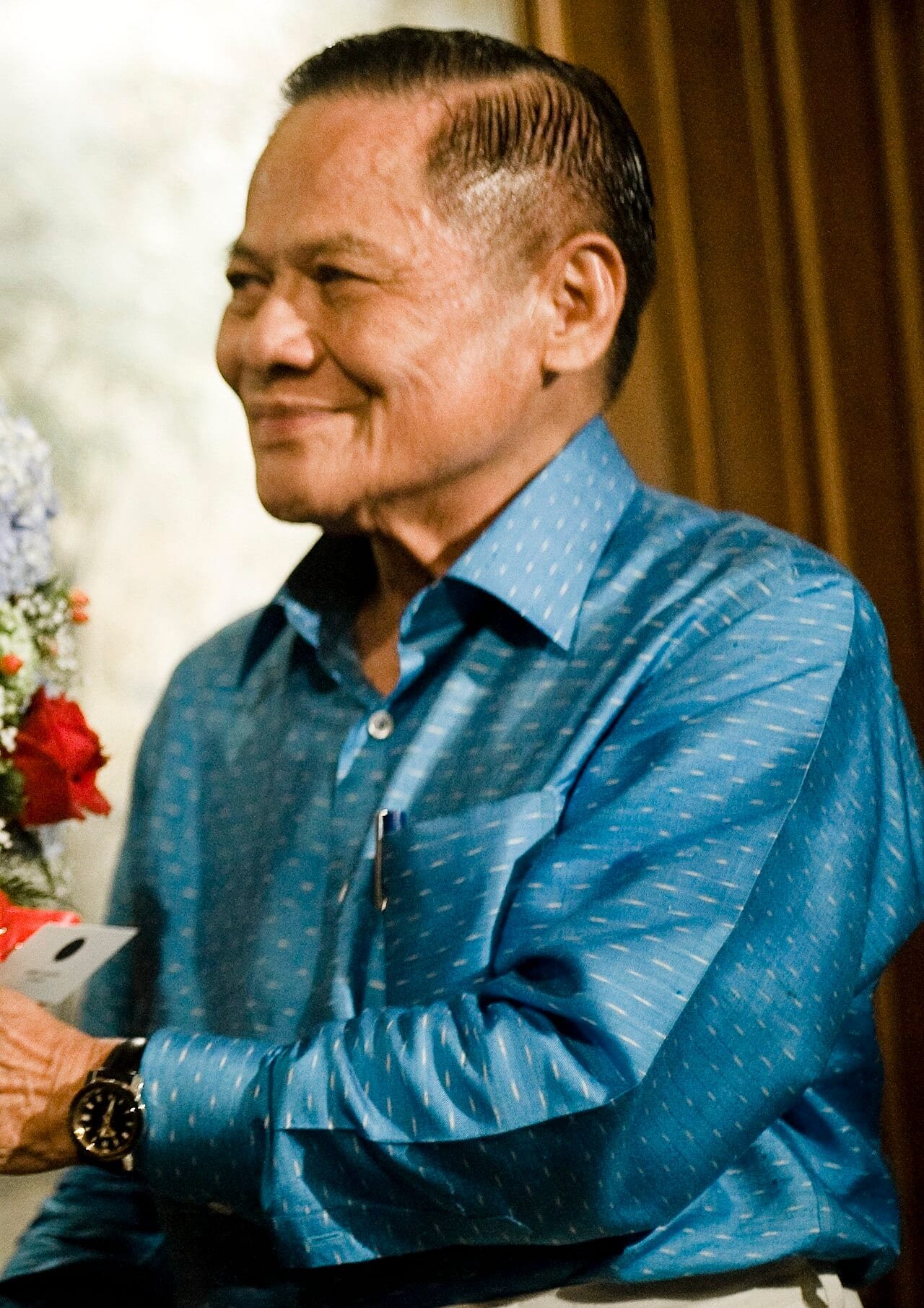
Banharn Silpa-archa
21st Prime Minister of Thailand, 1995–1996The construction entrepreneur and Suphan Buri power broker who led Chart Thai to first place in 1995 and headed a seven-party coalition for sixteen turbulent months.Read biography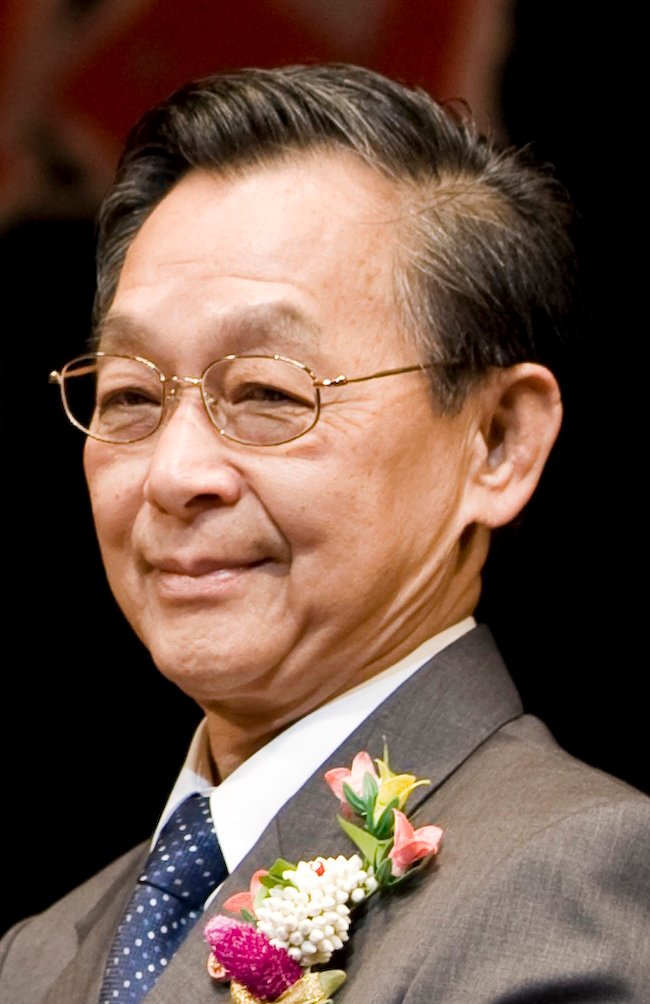 Thailand · Politics
1938—
Chuan Leekpai
20th Prime Minister of Thailand, 1992–1995 and 1997–2001The lawyer and veteran parliamentarian who led Thailand after the 1992 democratic transition and returned during the Asian financial crisis.Read biography Thailand · Politics
1932—
Chavalit Yongchaiyudh
Retired general and former prime ministerA former army commander who entered electoral politics, formed the New Aspiration Party and served as prime minister as the baht crisis became a regional financial shock.Read biography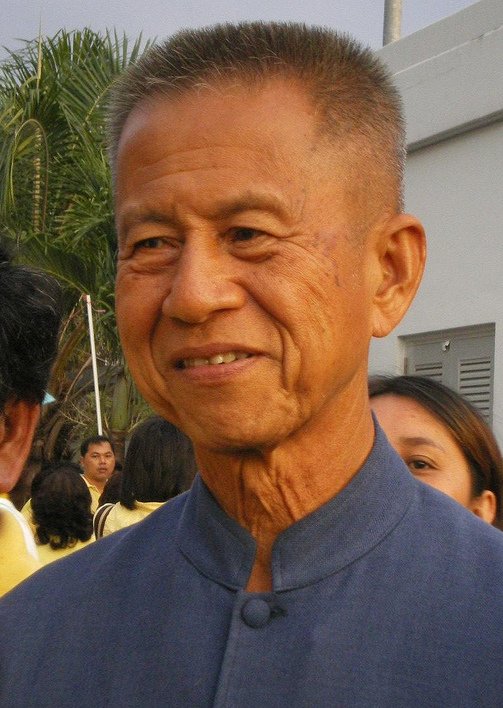 Thailand · Politics
1935—
Chamlong Srimuang
Former Bangkok governor, party leader and democracy activistThe former general and Bangkok governor whose austere public-service image, Palang Dharma movement and Black May leadership made him a major democratic campaigner.Read biography Thailand · Politics
1927—2016
Bhumibol Adulyadej
King of Thailand, 1946–2016Thailand’s longest-reigning monarch, whose seven decades on the throne spanned rapid development, repeated political crises and profound social change.Read biography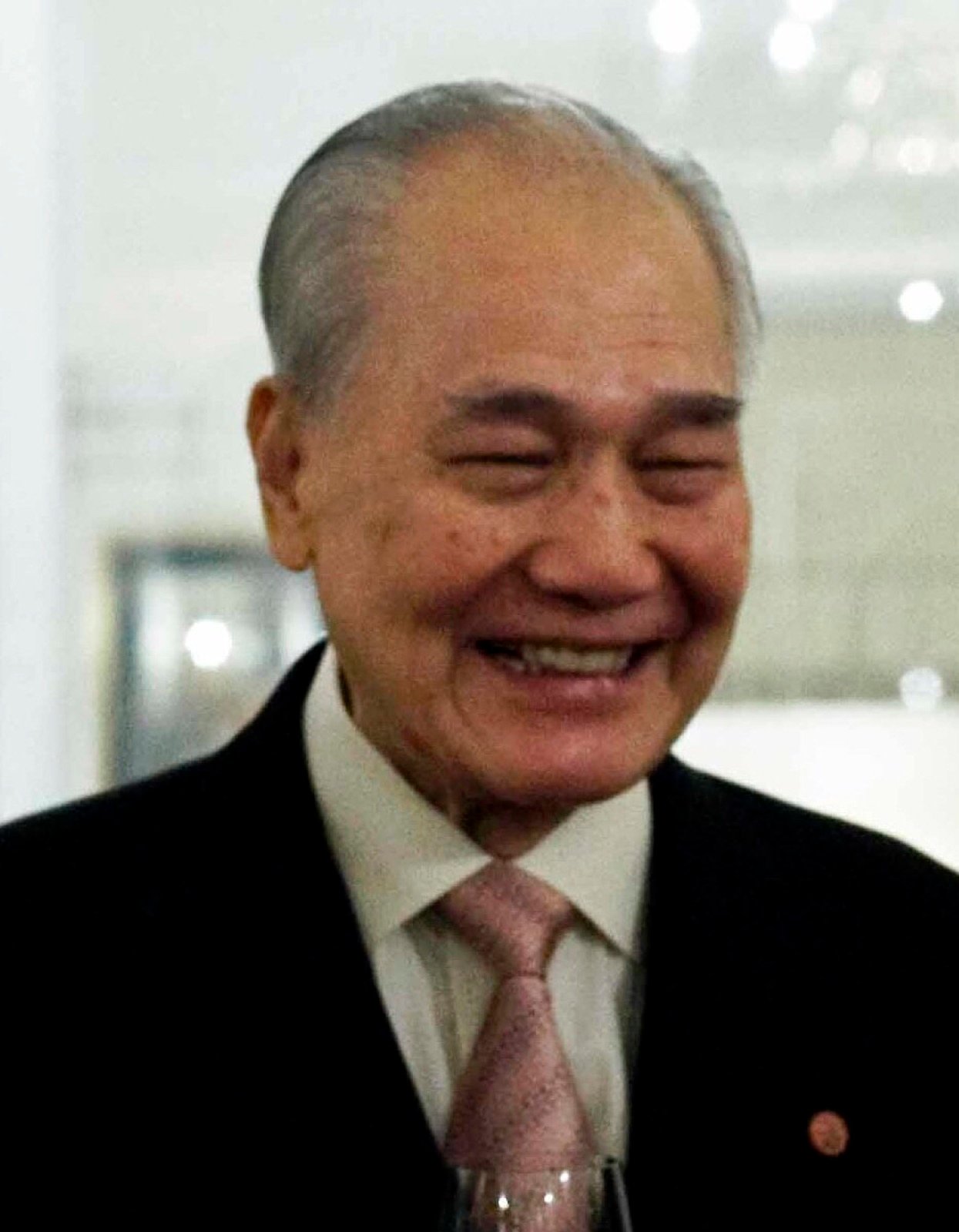 Thailand · Politics
1932—
Anand Panyarachun
Diplomat, business executive and former prime ministerA career diplomat and business leader who headed two appointed governments in 1991 and 1992 and later chaired major national and United Nations reform work.Read biographyQuick answers
Common questions
- When was the 1995 Thai general election?
- It was held on 2 July 1995 after Chuan Leekpai dissolved the House on 19 May.
- Which party won the most seats?
- Banharn Silpa-archa’s Chart Thai Party won 92 of 391 seats, six more than the Democrats.
- What was voter turnout?
- The IPU recorded 23,462,746 voters and turnout of 62.04 per cent.
- How many parties joined Banharn’s coalition?
- Seven parties joined the government, together controlling 233 House seats.
- Why did Chuan’s government fall?
- Palang Dharma withdrew over a land-reform controversy, leaving the coalition without secure support before a no-confidence vote.
- What did the election have to do with the 1997 Constitution?
- The instability and patronage criticisms surrounding fragmented coalitions helped drive reform; Banharn’s government enabled the drafting process through a 1996 amendment.
Primary and institutional sources
How this history was checked
Dates, legal milestones and historical claims are checked against the official and institutional records below. This article was reviewed on 3 October 2026.
- Inter-Parliamentary UnionThailand parliamentary election, 2 July 1995
- ConstitutionNet · International IDEAConstitutional history of Thailand
- ConstitutionNetThe Thai Constitution of 1997: Sources and Process
- Inter-Parliamentary UnionThailand parliamentary election, 17 November 1996
- Australian National UniversityThe Domination of a Fussy Strongman in Provincial Thailand
- Secretariat of the Prime Minister of ThailandOfficial directory of prime ministers of Thailand
- Wikimedia CommonsBanharn Silpa-archa portrait and CC BY 2.0 licence record