
The short answer
BN won 31 of Sabah’s 48 elected seats, while PBS won 17. The coalition secured a clear assembly majority with about 46.4 percent of valid votes because seats were decided constituency by constituency. Incumbent Bernard Dompok lost Moyog, PDS won only two seats and UMNO leader Osu Sukam became chief minister.
Results at a glance
Seats and valid votes in the 1999 Sabah election
The seat count determines control of the assembly; the vote share shows the statewide support behind it. Percentages are rounded to two decimal places from the historical results dataset.
| Party or coalition | Valid votes | Vote share | Seats won |
|---|---|---|---|
| Barisan Nasional | 239,915 | 46.40% | 31 |
| Parti Bersatu Sabah | 213,432 | 41.28% | 17 |
| BERSEKUTU | 54,732 | 10.59% | 0 |
| Other parties and independents | 8,985 | 1.73% | 0 |
Chronology
A timeline of the turning points
BN takes government after PBS defections
Sakaran Dandai replaced Joseph Pairin Kitingan after crossovers reversed PBS’s 25–23 election majority.
The full rotation sequence begins
Salleh Said Keruak began the first planned phase of BN’s community-based chief-minister arrangement.
Bernard Dompok becomes chief minister
The PDS president took the non-Muslim-bumiputera phase of the rotation system.
The state assembly is dissolved
Dissolution came shortly before the existing assembly would have completed its five-year term.
Candidates are nominated
BN divided all 48 constituencies among seven component parties while PBS contested statewide.
Sabah votes in 48 constituencies
More than half a million ballots were cast from an official register of 726,690 voters.
BN wins 31 seats and PBS wins 17
The coalition secured an elected majority but finished below 50 percent of the statewide valid vote.
Dompok loses Moyog
PDS won only two of its twelve allocated constituencies and the incumbent chief minister lost his own seat.
Osu Sukam becomes chief minister
The UMNO leader succeeded Dompok and began the next phase of the rotation arrangement.
PDS adopts the UPKO name
The party sought to reconnect with the earlier UPKO tradition after its poor performance in Kadazandusun-majority areas.
Who won the 1999 Sabah state election?
Barisan Nasional won 31 of the 48 elected seats, while Parti Bersatu Sabah won the remaining 17. Twenty-five seats were required for a majority, so BN could form government without relying on post-election defections.
The result reversed the order of 1994, when PBS had won 25 seats to BN’s 23 before crossovers changed the government. In 1999 the ballot-box result itself gave BN a clear seventeen-seat advantage over PBS.
The seat majority was larger than BN’s vote-share lead. Historical results record about 46.4 percent of valid votes for BN, 41.3 percent for PBS and 10.6 percent for BERSEKUTU, with smaller parties and independents sharing the rest.
What was the political background?
The election was the first full statewide test of the government formed after the 1994 crisis. PBS had won that earlier poll, but defections deprived Joseph Pairin Kitingan of his assembly majority and enabled Sakaran Dandai to lead a new BN administration.
BN then introduced a formula rotating the chief-ministership among leaders associated with Muslim-bumiputera, Chinese and non-Muslim-bumiputera communities. Salleh Said Keruak and Yong Teck Lee completed phases before Bernard Dompok took office in May 1998.
Dompok therefore entered the 1999 campaign both as chief minister and as president of PDS. Pairin led PBS from opposition, arguing that the party still represented Sabah regional interests and retained a particularly strong Kadazandusun base.
Which parties contested for BN?
BN allocated all 48 seats among seven component parties. UMNO received 24 constituencies, PDS 12, SAPP five, LDP two, AKAR two, PBRS two and MCA one.
Only four components won seats. UMNO won all 24 of its contests, SAPP won three, LDP won two and PDS won two. AKAR, PBRS and MCA did not win any of their allocated constituencies.
That result made UMNO overwhelmingly dominant inside the new 31-member government bloc. The smaller parties remained part of the coalition, but their collective seven elected seats could not balance UMNO’s twenty-four.
Why did BN win 31 seats with 46.4 percent of votes?
Sabah used first-past-the-post voting in single-member constituencies. The statewide popular vote did not directly allocate seats; the candidate with the most votes in each constituency won, even without an absolute majority.
BN’s support was distributed efficiently enough to win 31 local contests. PBS won a substantial statewide vote and seventeen constituencies, while BERSEKUTU received more than one vote in ten but did not finish first anywhere.
The result illustrates why seat totals and vote shares should both be reported. Calling the outcome a landslide describes the 31–17 chamber margin, but it should not be read as meaning that BN received a majority of all valid ballots.
How did voting vary across Sabah?
Academic studies found a pronounced geographical and community pattern. UMNO swept the constituencies classified as Muslim-majority, while PBS remained strongest in many Kadazandusun-majority areas.
Chinese and mixed constituencies were more divided among PBS and BN component parties such as SAPP and LDP. The pattern gave BN a multi-party statewide majority even though its Kadazandusun-oriented partners performed poorly against PBS.
These categories describe the political analysis used in contemporary research and do not imply that every voter followed a communal bloc. Local candidates, development promises, party organisation and federal–state relations also shaped individual contests.
Why did Bernard Dompok lose office?
Dompok lost Moyog to PBS candidate Clarence Bongkos, and PDS won only two of the twelve seats allocated to it. A chief minister normally needs to be an elected assembly member who can lead the governing majority, making his personal defeat decisive.
The broader PDS losses also weakened the claim that the party could deliver Kadazandusun support to BN. Parliamentary debate after the election highlighted both Dompok’s defeat and the return of many Kadazandusun-majority constituencies to PBS.
Dompok’s chief-ministerial phase ended after roughly ten months instead of the planned two years. He later returned to Parliament and led the party that adopted the UPKO name, but he did not return as chief minister.
Why did Osu Sukam become chief minister?
Osu retained Kawang and led Sabah UMNO, the party that held 24 of BN’s 31 elected seats. He was therefore positioned to command the largest bloc inside the governing coalition after Dompok’s defeat.
He became chief minister on 15 March 1999 according to Sabah’s official chronology. His appointment returned the office to the Muslim-bumiputera phase of the rotation system and began a two-year administration.
The transition showed that election results could override the intended timing of rotation. Community categories remained part of the formula, but the leader still needed a viable assembly seat and support from the coalition controlling the chamber.
What did the election change in Sabah politics?
The election gave BN a direct mandate that the coalition had lacked when it took power through defections in 1994. It also confirmed UMNO as the dominant party in the state government, with more seats than every other assembly party combined.
PBS survived as a substantial opposition rather than disappearing. Its seventeen seats and support in Kadazandusun areas demonstrated that Pairin’s regional party still had an organised base despite five years outside government.
The result accelerated changes among BN’s local components. PDS adopted the UPKO name, Osu served until Chong Kah Kiat’s 2001 phase, and the rotation sequence ended when Musa Aman took office in 2003.
Continue the chronology
Related history guides
UPKO Sabah: History and Elections
Continue from PDS’s two-seat result to the UPKO name, later coalitions and current leadership.
Read the timeline21 March 2004The 2004 Sabah State Election
Continue to the 60-seat poll after PBS returned to BN and Musa Aman took office.
Read the timelineFebruary–March 1994The 1994 Sabah Political Crisis
See how PBS won the previous election but lost government through defections.
Read the timeline1994–2003Sabah’s Chief Minister Rotation System
Understand the power-sharing formula interrupted by Dompok’s election defeat.
Read the timeline1985–presentParti Bersatu Sabah: History and Leaders
Follow PBS from government to its 17-seat opposition result and later coalition return.
Read the timeline1963–presentChief Ministers of Sabah: Complete List
Compare Dompok and Osu with every Sabah administration since 1963.
Read the timelineBiography context
Explore Sabah, Malaysia through connected lives
Connected biographies
Ten biographies connected to the 1999 election
1949—
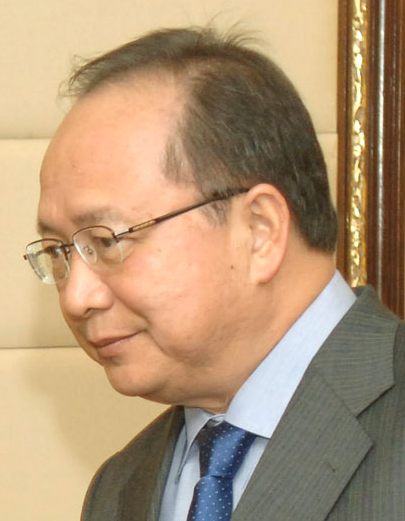
Bernard Dompok
Former Chief Minister of Sabah and Malaysian ambassadorThe land valuer turned political leader who served ten months as Sabah chief minister, led UPKO for two decades and later represented Malaysia at the Vatican.Read biography1949—
Osu Sukam
Former Chief Minister of SabahThe Papar politician and long-serving member of Parliament who led Sabah for two years after the 1999 state election.Read biography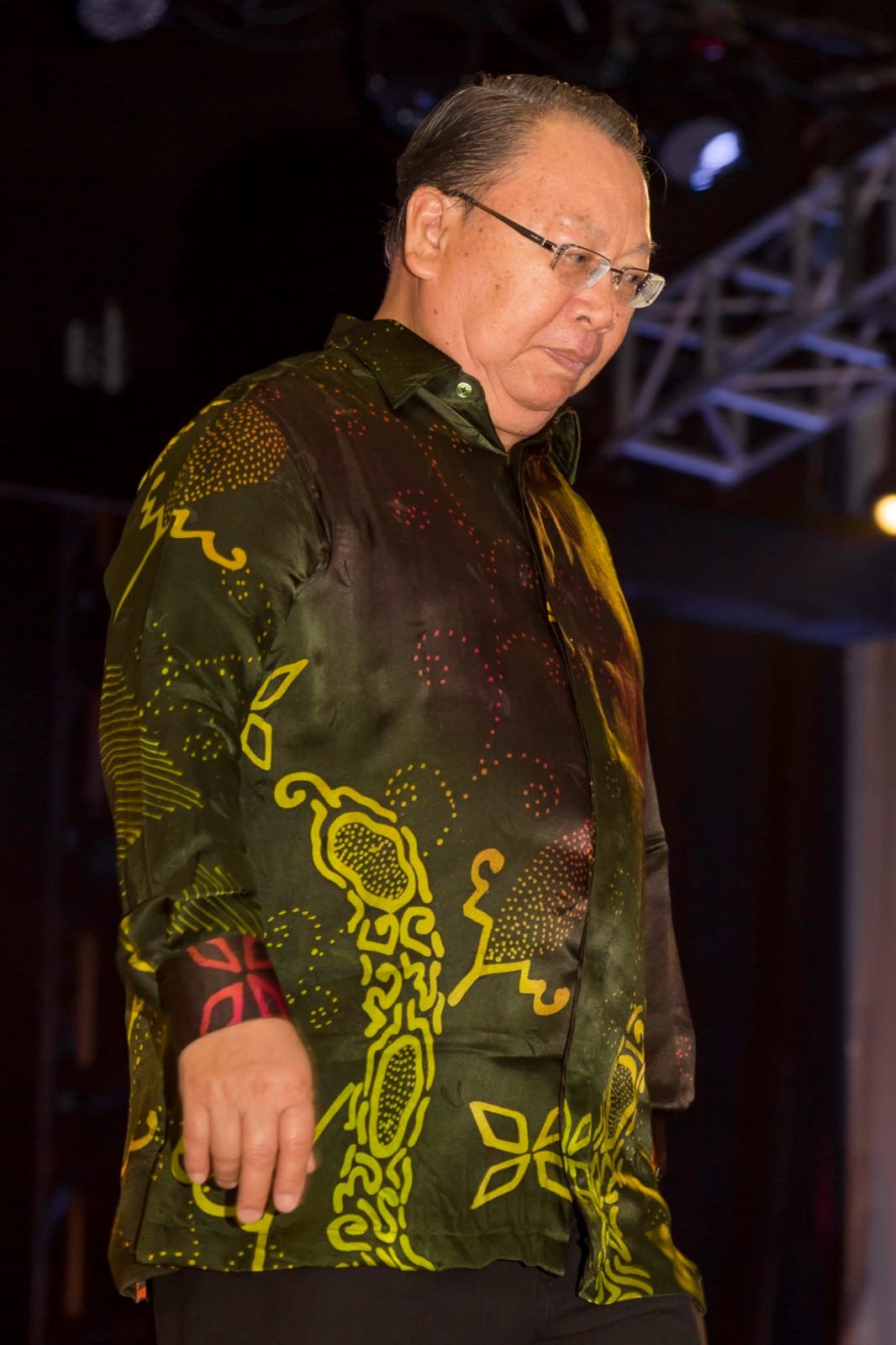
1940—
Joseph Pairin Kitingan
Founder of PBS and former Chief Minister of SabahThe lawyer and Kadazandusun leader who founded PBS, led four consecutive state-election victories and served as Sabah’s chief minister for nearly nine years.Read biography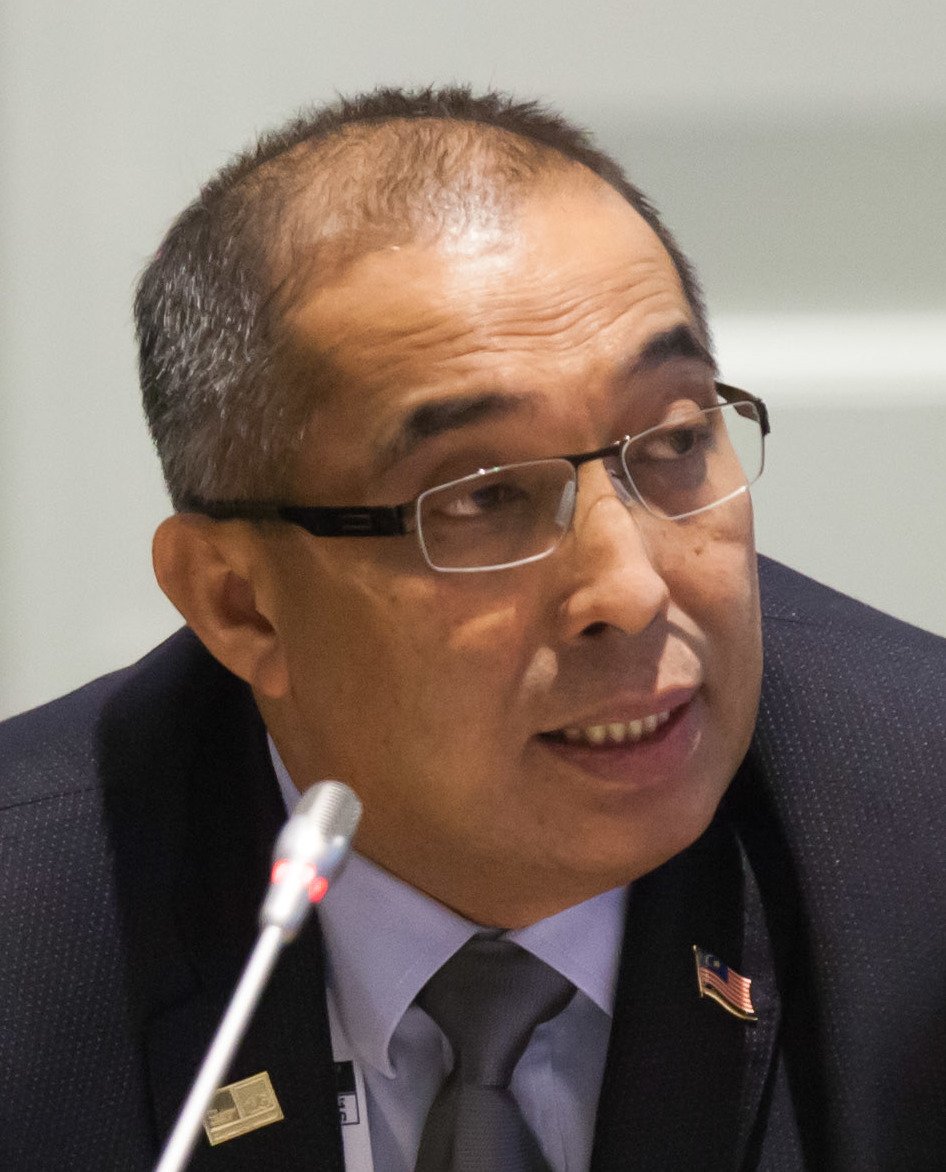
1957—
Salleh Said Keruak
Former Chief Minister of Sabah and federal ministerThe Kota Belud politician who led Sabah from 1994 to 1996, later chaired the state assembly and joined the federal cabinet.Read biography1958—
Yong Teck Lee
President of the Sabah Progressive PartyThe lawyer and former PBS deputy leader who founded SAPP in 1994, led Sabah from 1996 to 1998 and later returned as a nominated assemblyman.Read biography1947—
Chong Kah Kiat
Former Chief Minister of Sabah and lawyerThe Kudat lawyer who built LDP, served in the federal cabinet and led Sabah from 2001 until the rotation arrangement ended in 2003.Read biography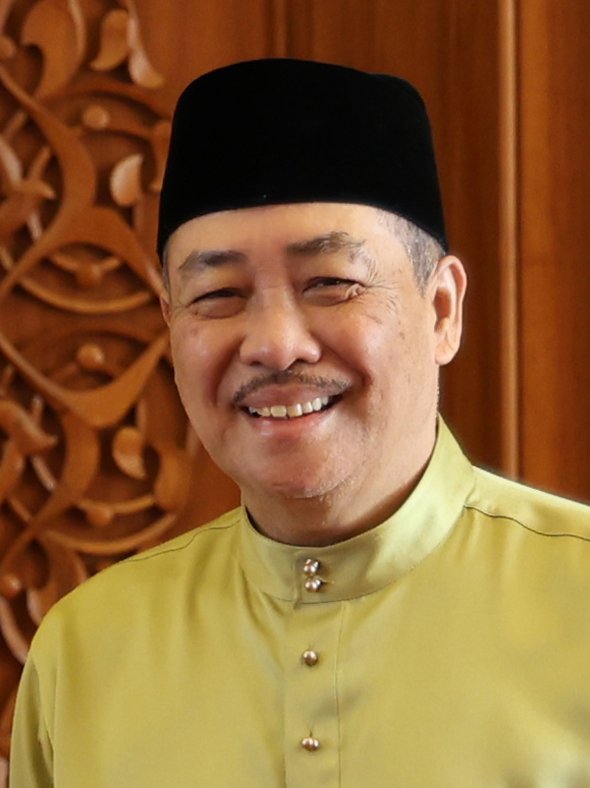
1955—
Hajiji Noor
Chief Minister of Sabah and Chairman of Gabungan Rakyat SabahThe long-serving Sulaman assemblyman who became Sabah chief minister in 2020 and won a second term at the 2025 state election.Read biography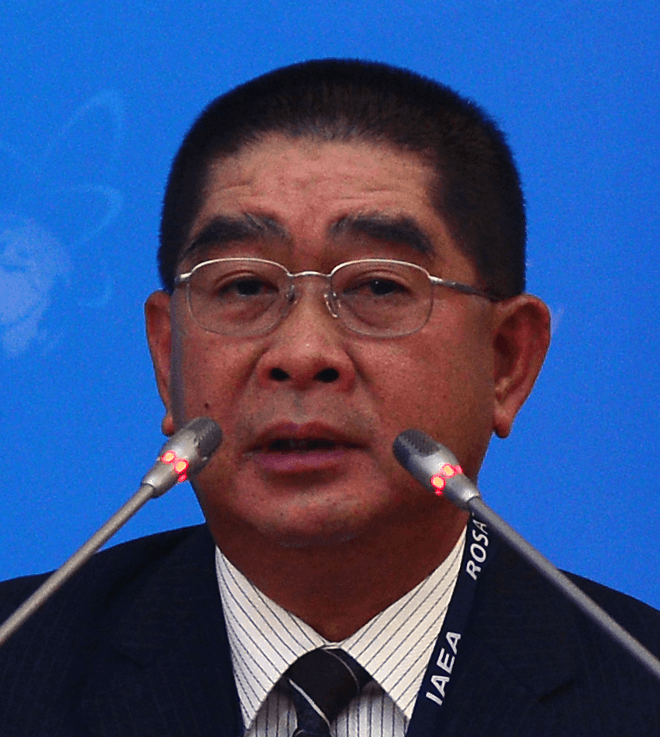
1953—
Maximus Ongkili
Chairman of the Energy Commission of Sabah and former PBS PresidentThe researcher-turned-politician who represented Sabah in Parliament for twenty-seven years, led several federal ministries and became PBS’s second president.Read biography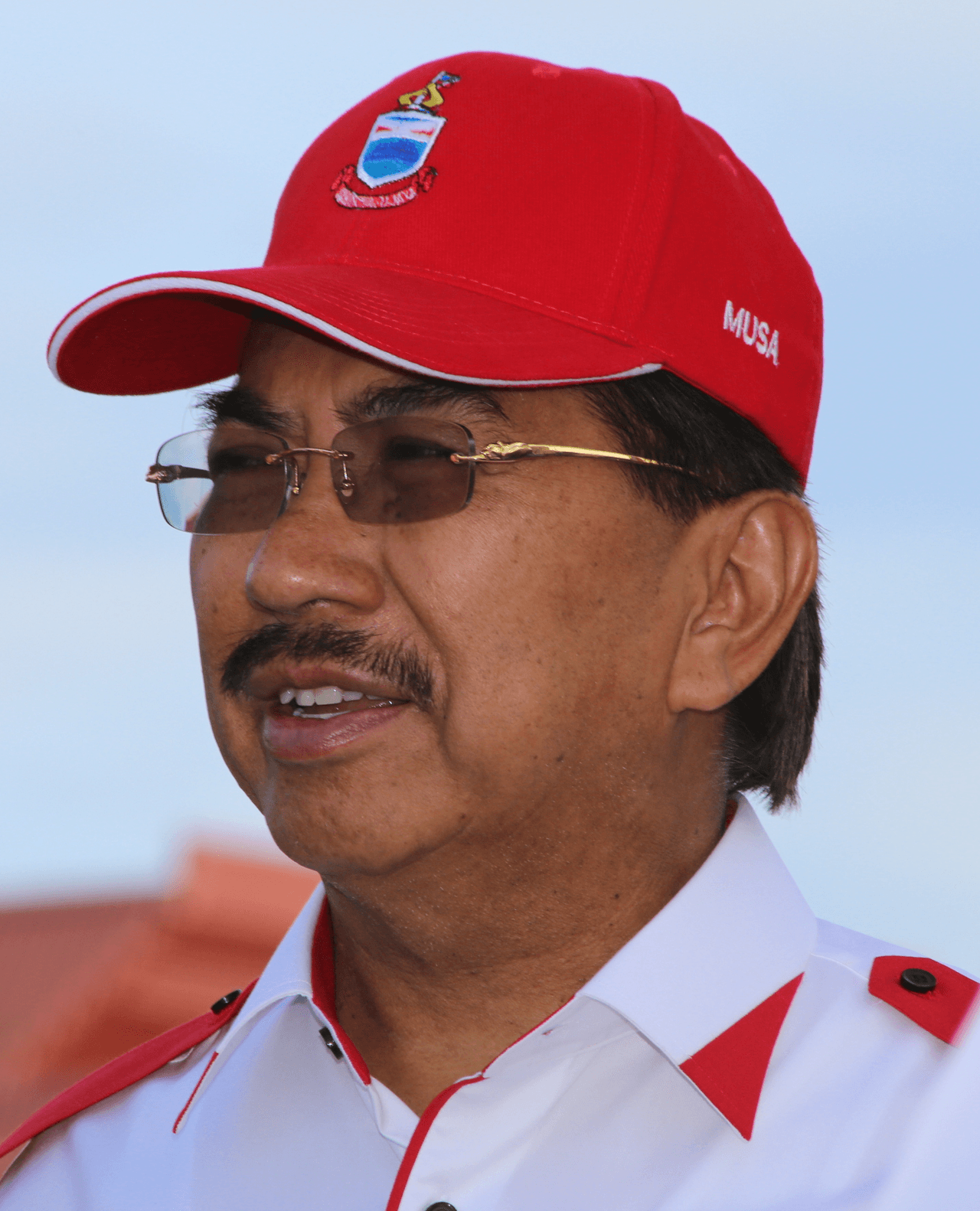
1951—
Musa Aman
Yang di-Pertua Negeri of SabahThe former Sungai Sibuga assemblyman who led Sabah for fifteen years, contested the 2018 transition and returned as Yang di-Pertua Negeri.Read biography
1950—
Masidi Manjun
Deputy Chief Minister and Finance Minister of SabahThe lawyer and former public administrator who has represented Karanaan since 2004 and now serves as Sabah’s Deputy Chief Minister II and finance minister.Read biographyQuick answers
Common questions
- When was the 1999 Sabah state election held?
- Polling took place on 12 and 13 March 1999.
- How many seats did BN win in Sabah in 1999?
- BN won 31 of the 48 elected seats.
- How many seats did PBS win in 1999?
- PBS won 17 seats and remained the only elected opposition party.
- What was the BN component-party seat breakdown?
- UMNO won 24 seats, SAPP three, LDP two and PDS two. The other BN components won none.
- What percentage of votes did BN receive?
- Historical results record approximately 46.4 percent of valid votes for BN.
- How many registered voters were there?
- The Sabah Election Commission office records 726,690 registered voters for the 1999 state election.
- Why did Bernard Dompok stop being chief minister?
- He lost Moyog and PDS won only two seats, ending his rotation phase after about ten months.
- Who became chief minister after the election?
- Osu Sukam became chief minister on 15 March 1999 and served until March 2001.
Primary and institutional sources
How this history was checked
Election Commission material establishes the register; historical constituency data supplies votes and seats; UMS, ANU and IRASEC studies explain the campaign and voting pattern; official officeholder records fix the change of chief minister. This article was reviewed on 4 October 2026.
- Election Commission of Malaysia, Sabah OfficeRegistered Voters in Sabah State Elections
- Universiti Malaysia SabahThe 1999 Sabah State Elections
- Australian National University“Kataks”, Kadazan-Dusun Nationalism and Development: The 1999 Sabah State Election
- IRASEC / Universiti Malaysia SarawakPolitical Development in Sabah, 1985–2010
- Parliament of MalaysiaDewan Rakyat Debate on the 1999 Sabah Election
- Tindak MalaysiaHistorical Constituency Results for the 1999 Sabah State Election
- Government of SabahOfficial List of Sabah Chief Ministers
- Wikimedia CommonsBernard Dompok Portrait and GODL-India Record