
The short answer
Myanmar’s 2008 Constitution created elections without placing the armed forces under elected civilian control. A quarter of legislative seats, three security ministries, an amendment veto and emergency powers formed a protected military sphere inside the constitutional state.
Institutional design
Where the 2008 Constitution reserves military influence
The military role is distributed across parliament, the executive, constitutional amendment and emergency power rather than contained in a single clause.
| Institution | Constitutional rule | Practical effect | Key section |
|---|---|---|---|
| Lower house | 110 of 440 seats appointed from the Defence Services | 25% military bloc without an election | 109(b) |
| Upper house | 56 of 224 seats appointed from the Defence Services | 25% military bloc without an election | 141(b) |
| Security ministries | Commander-in-Chief nominates Defence, Home Affairs and Border Affairs ministers | Key coercive institutions remain outside normal civilian appointment | 232(b)(ii) |
| President | Three parliamentary groups nominate candidates; the full parliament votes | The military bloc nominates one of three vice-presidential candidates | 60 |
| Constitutional amendment | More than 75% of all representatives required | Military appointees hold an effective veto | 436 |
| Nationwide emergency | Union powers may be transferred to the Commander-in-Chief | Emergency procedure can suspend the normal elected order | 417–418 |
Chronology
A timeline of the turning points
National Convention process began
The military government opened a long, tightly controlled process for drafting constitutional principles.
Drafting principles were completed
The National Convention concluded with a framework preserving an institutional role for the armed forces.
Constitutional referendum held
Voting proceeded in two stages during the devastation caused by Cyclone Nargis.
First election held under the new framework
The military-backed USDP won nearly four-fifths of elected national parliamentary seats.
The Union Parliament convened
The first Pyidaungsu Hluttaw session brought the constitution fully into operation.
Major amendment proposals failed
Proposals could not clear the more-than-75-percent threshold that gives military representatives an effective veto.
Another amendment effort was blocked
Parliament again failed to change the main military safeguards before the 2020 election.
The military invoked emergency provisions
The armed forces claimed constitutional authority for the takeover; UN experts concluded that it violated the constitution.
The framework was used for another military-controlled election
The new legislature again included the constitutionally reserved bloc of military appointees.
How is Myanmar’s parliament designed?
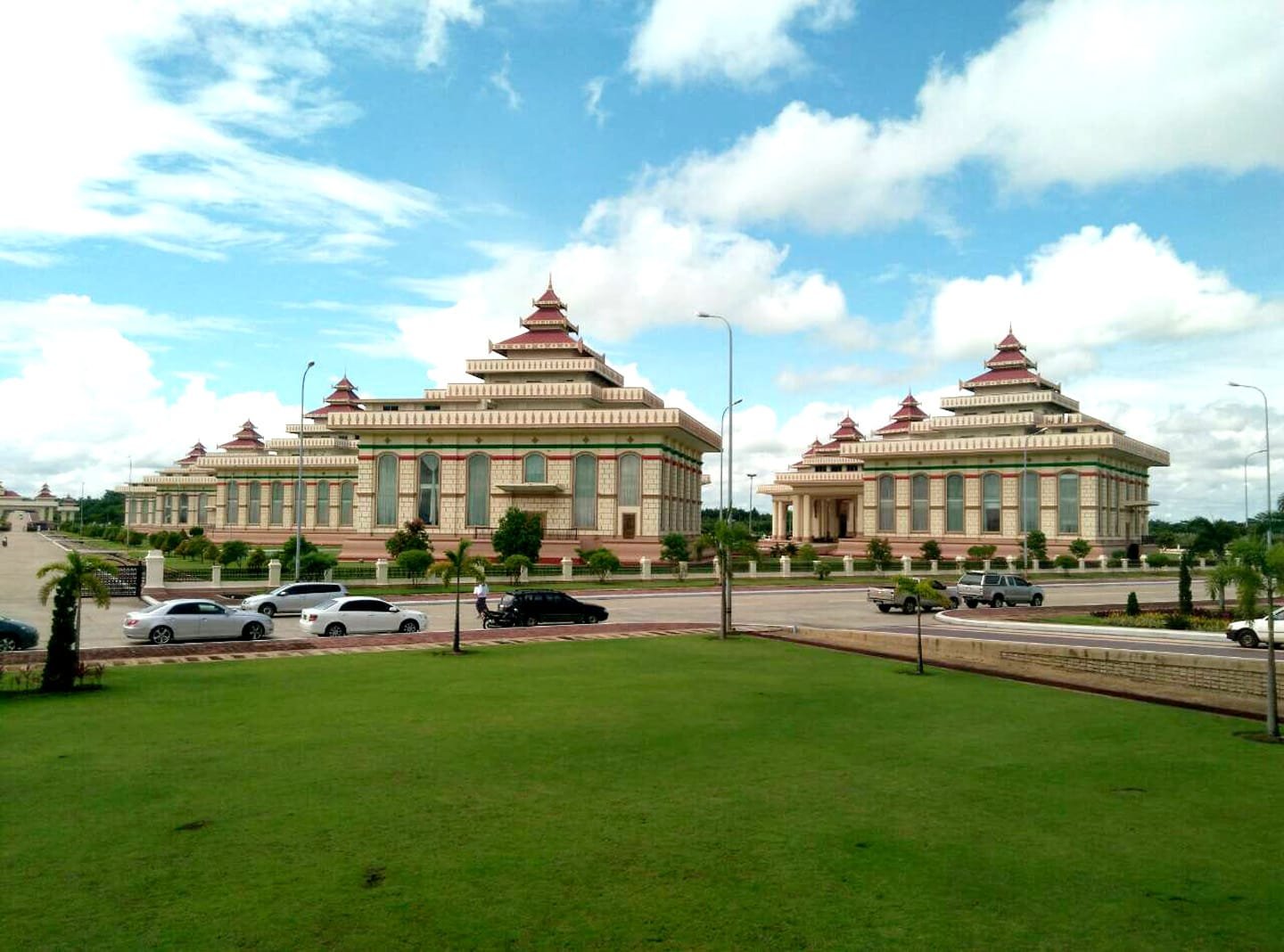
The Constitution creates a bicameral Union Parliament, or Pyidaungsu Hluttaw. The 440-seat lower house includes 330 elected representatives and 110 military representatives appointed by the Commander-in-Chief. The 224-seat upper house includes 168 elected members and 56 military appointees. The same one-quarter military allocation applies in state and regional legislatures.
Those members do not need to win constituencies and remain part of the armed forces’ command structure. Elected parties can form a large parliamentary majority, but they cannot by themselves treat the military bloc as an ordinary opposition caucus. It is a separate constitutional institution with guaranteed seats.
How is the president selected?
Voters do not directly elect the president. A presidential electoral college consists of three groups: elected representatives from the lower house, elected representatives from the upper house and the military representatives from both houses. Each group nominates one vice-presidential candidate. The full Union Parliament then votes among the three; the winner becomes president and the other two become vice-presidents.
Section 59 sets presidential qualifications. Subsection 59(f) disqualifies a person whose spouse or legitimate children owe allegiance to a foreign power or are entitled to foreign citizenship. This prevented Aung San Suu Kyi, whose late husband and sons were British, from becoming president after the National League for Democracy’s 2015 victory. Parliament instead created the office of State Counsellor in 2016.
What power does the military retain?
The Commander-in-Chief nominates the ministers for Defence, Home Affairs and Border Affairs. Home Affairs historically controlled the national police and the General Administration Department, giving the military reach into security and territorial administration even when elected civilians headed other ministries. The constitution also describes the Defence Services as responsible for safeguarding the constitution and grants the Commander-in-Chief substantial institutional autonomy.
Military representation is especially important in the National Defence and Security Council. The council combines civilian and military offices, but the constitutionally protected security ministries and commander-in-chief give the armed forces a decisive position in discussions about emergency rule.
Why is the constitution so difficult to amend?
Section 436 requires more than 75% of all Union Parliament representatives to approve amendments. Because military appointees hold 25%, elected members cannot reach that threshold without at least some military support. Changes to specified foundational provisions must then win a referendum with the support of more than half of all eligible voters, not merely a majority of votes cast.
The threshold blocked important proposals in 2015 and 2020. It also demonstrates why describing the 2011–2020 system as simply civilian government is incomplete: elections determined most seats, but the unelected military bloc could prevent constitutional redesign.
Did the constitution authorise the 2021 coup?
The military said alleged irregularities in the 2020 election created an emergency under Sections 417 and 418. Those provisions allow the president, after coordinating with the National Defence and Security Council, to declare a nationwide emergency and transfer legislative, executive and judicial powers to the Commander-in-Chief.
That claim is strongly disputed. President Win Myint later said he had been pressured to resign, and the military-installed acting president issued the declaration after elected leaders were detained. The UN Special Rapporteur concluded that the takeover violated the military-drafted constitution itself. A neutral explanation must therefore distinguish the military’s stated legal justification from the procedure and legality challenged by UN officials and constitutional analysts.
Why does the 2008 Constitution still matter?
The text shaped the limited transition after 2010 and the constitutional argument surrounding the 2021 takeover. It also remained part of the institutional framework used for the military-controlled election completed in January 2026. UN reporting noted that the returned 25% military bloc, combined with severe restrictions on opposition participation, further entrenched military power.
The constitution is therefore neither a complete democratic settlement nor an irrelevant document erased by the coup. It is a design for elected government bounded by permanent military authority—and an essential reference for understanding why large electoral victories did not produce civilian control of the state.
Continue the chronology
Related history guides
The 2010 Election and Its Disputed Result
See the Constitution’s first Parliament, military quota and presidential college put into operation.
Read the timelineApril–May 2012The 2012 By-Elections and NLD Landslide
See why the incoming NLD legislators disputed an oath requiring them to safeguard the charter.
Read the timelineNovember 2020—February 2021The 2020 Election: Results and Coup Claims
See how the framework shaped the vote and how emergency provisions were invoked after it.
Read the timelineNovember 2015—April 2016The 2015 Election and Transfer of Power
See how reserved seats, presidential rules and security ministries shaped the NLD handover.
Read the timeline2010—2020Myanmar’s Democratic Transition
See how elections and reform operated within the military-designed framework.
Read the timeline1978—2026The Rohingya Crisis: Timeline and Accountability
Distinguish the 1982 citizenship regime from the later constitution while tracing how military autonomy obstructed accountability.
Read the timeline2021—2026The 2021 Coup and Civil War
Follow the disputed use of emergency clauses and the conflict that followed.
Read the timelineMarch—September 1988Myanmar’s 8888 Uprising
Trace the protest movement and military order that preceded the constitution.
Read the timelineAugust—September 2007Myanmar’s Saffron Revolution
Place the final mass challenge to direct junta rule before the constitutional referendum.
Read the timeline1948—2026Myanmar Presidents and Heads of State
Compare constitutional presidents, acting officeholders and military council chairmen across successive political systems.
Read the timeline2011—presentVice Presidents of Myanmar
See the three-group electoral college and vacancy rules operating across every deputy officeholder.
Read the timelineBiography context
Explore Myanmar through connected lives
Myanmar Biographies
Explore 57 sourced lives across politics, business, sport and culture.
Explore the biographiesPolitics collectionMyanmar Political Leaders
Compare independence, parliamentary government, military rule and democratic opposition.
Explore the biographiesCategory indexPolitical Biographies
Browse political leaders and institution-builders across Southeast Asia.
Explore the biographiesConnected biographies
Seven biographies for comparing the 2008 order, parliamentary opening and executive design
1933—
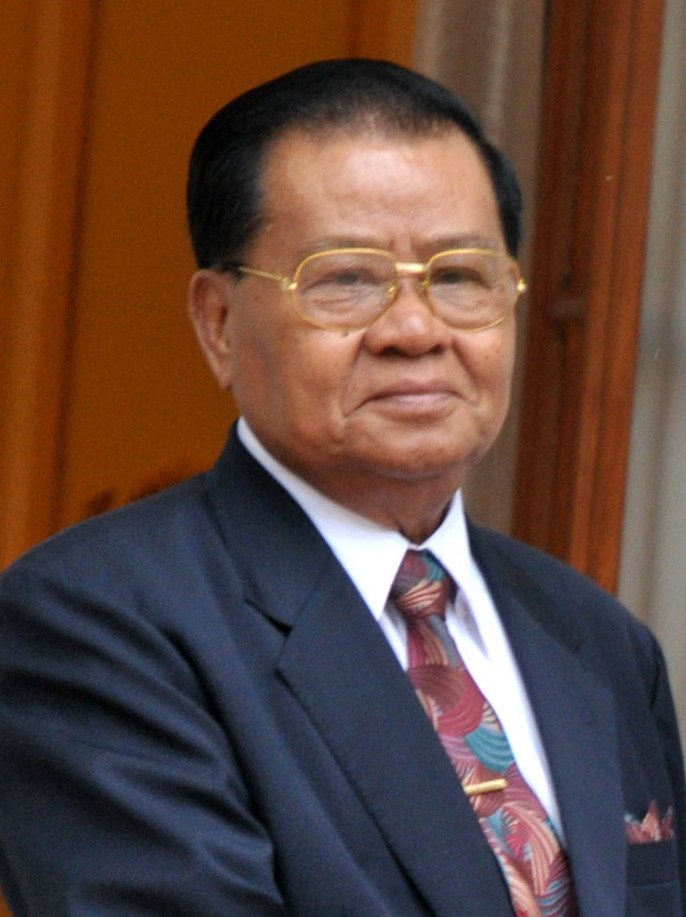
Than Shwe
Military ruler of Myanmar from 1992 to 2011The senior general who ruled Myanmar for nineteen years, suppressed organised opposition and designed the constitutional system that followed direct military government.Read biography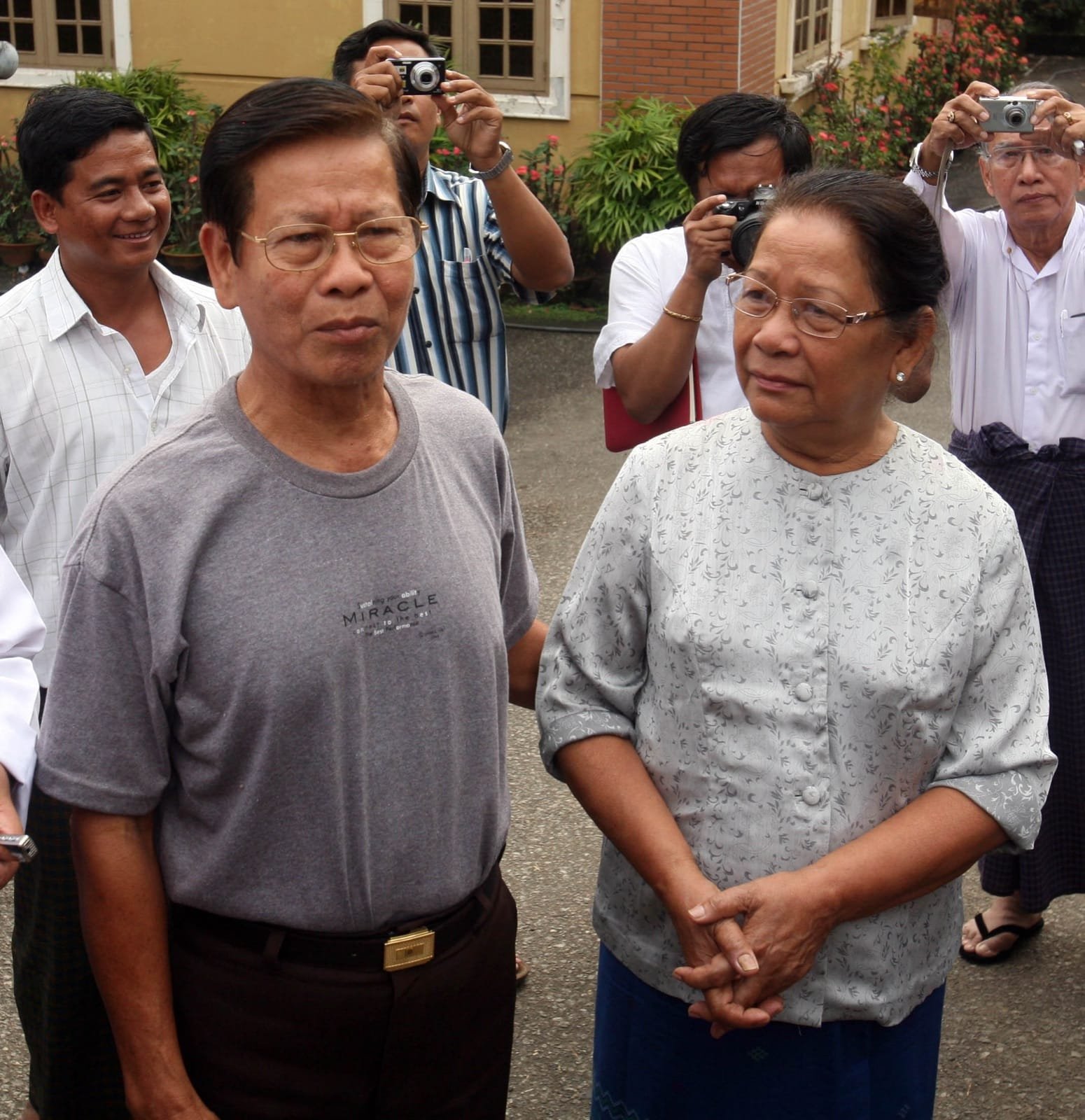
1939—
Khin Nyunt
Military intelligence chief and prime minister of MyanmarThe longtime intelligence chief who negotiated ceasefires, monitored domestic opposition, briefly became prime minister and was purged by his own military government.Read biography
1951—2025
Myint Swe
Military officer, first vice-president and disputed acting presidentThe former general who became Yangon chief minister, military-selected first vice-president and the formal constitutional instrument of the 2021 takeover.Read biography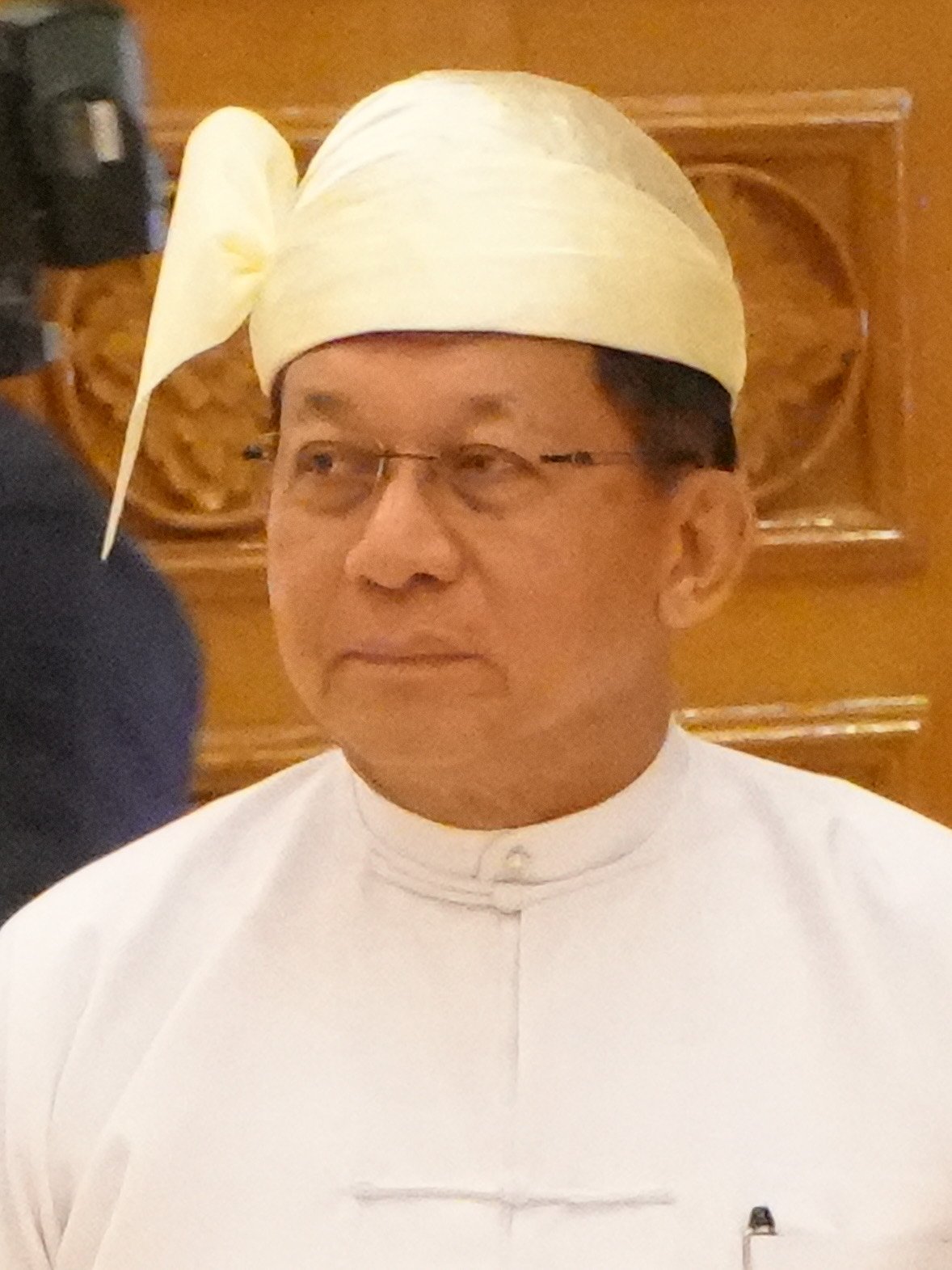
1956—
Min Aung Hlaing
President of Myanmar and leader of the 2021 military takeoverThe former commander-in-chief who led Myanmar’s 2021 coup, presided over nationwide war and became president through a military-controlled political process in 2026.Read biography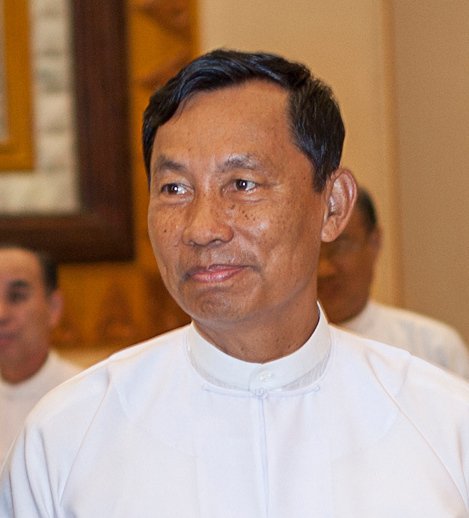
1947—
Shwe Mann
Former general and speaker of Myanmar’s lower houseThe former senior general who became parliament’s first lower-house speaker, challenged parts of the executive’s agenda and lost his party leadership before the landmark 2015 vote.Read biography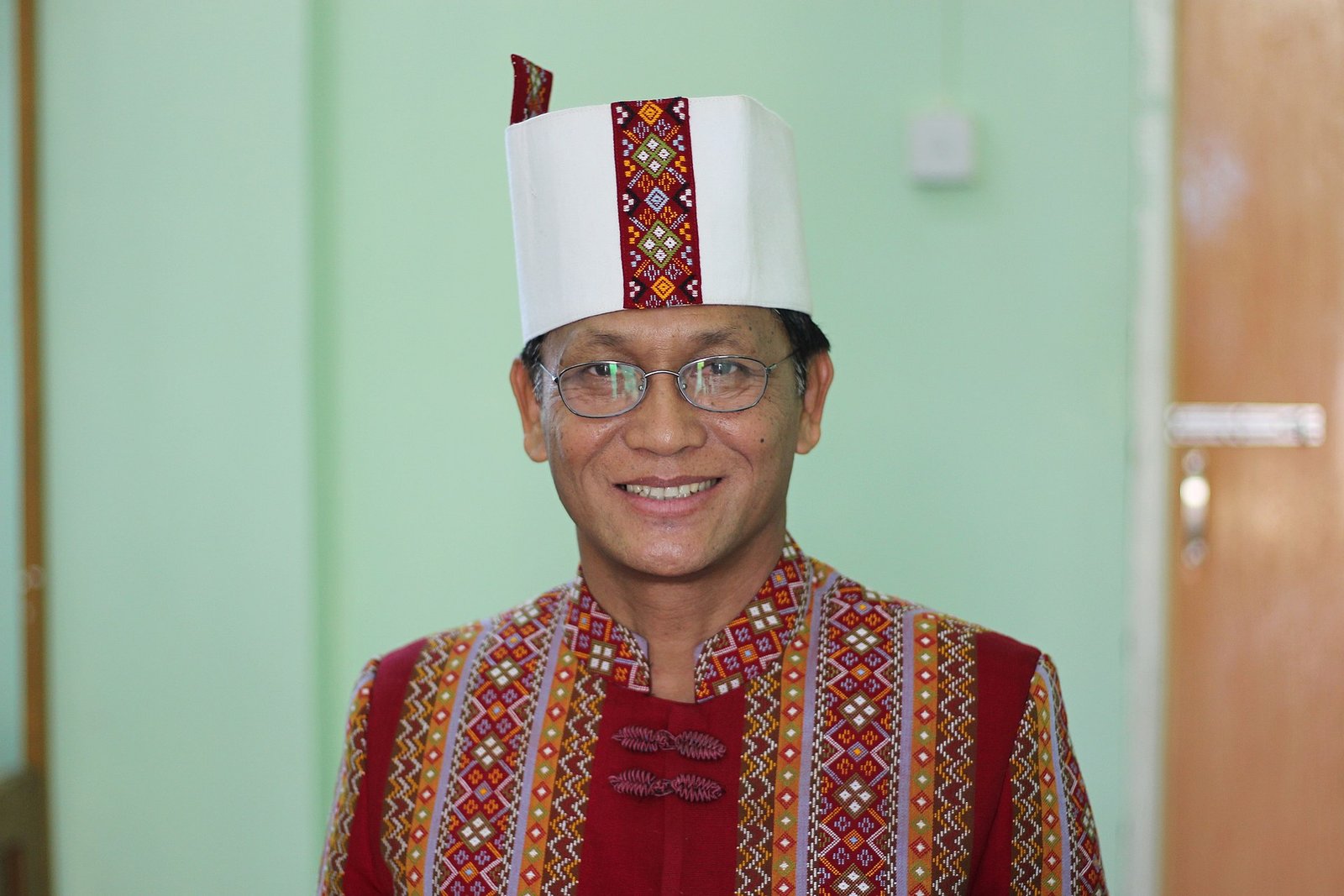
1958—
Henry Van Thio
Second vice president of Myanmar from 2016 to 2024The former army major and Chin State senator whose sudden nomination placed an ethnic Christian politician in Myanmar’s 2016 executive trio.Read biography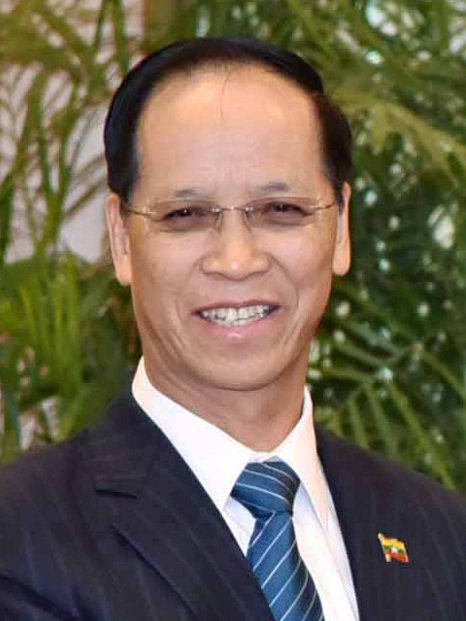
1950—
Sai Mauk Kham
Physician and vice president of Myanmar from 2011 to 2016The Shan physician and cultural organiser who became vice president during Myanmar’s first post-junta government and then returned to parliament in the 2015 election.Read biographyQuick answers
Common questions
- When did Myanmar’s 2008 Constitution take effect?
- It was approved in a 2008 referendum and came fully into operation when the first Union Parliament convened on 31 January 2011.
- How many seats are reserved for Myanmar’s military?
- The constitution reserves 25% of seats in both houses of the Union Parliament and in state and regional legislatures for military appointees.
- Why could Aung San Suu Kyi not become president?
- Section 59(f) disqualified a presidential candidate whose spouse or legitimate children owed allegiance to a foreign power or were entitled to foreign citizenship.
- Can elected members amend the constitution without the military?
- Not under the current threshold. Amendments require more than 75% of all Union Parliament representatives, while military appointees hold 25% of the seats.
- Which ministries are controlled by military nominees?
- The Commander-in-Chief nominates the ministers for Defence, Home Affairs and Border Affairs.
- Was the 2021 military takeover constitutional?
- The military claimed authority under the emergency provisions, but UN officials and legal analysts concluded that the detention of elected leaders and the way the emergency was declared violated the constitution.
Primary and institutional sources
How this history was checked
Dates, legal milestones and historical claims are checked against the official and institutional records below. This article was reviewed on 4 October 2026.
- Government of Myanmar · Asian Development Bank Law and Policy Reform ProgramConstitution of the Republic of the Union of Myanmar (2008)
- International IDEAA New Constitution for Myanmar: Towards Consensus on an Inclusive Federal Democracy
- The Carter CenterObserving Myanmar’s 2015 General Elections · final report
- United Nations in MyanmarUN expert welcomes moves to amend Myanmar’s constitution
- UN Human Rights Council · Special Rapporteur on MyanmarReport A/HRC/46/56 on the legality of the 2021 takeover
- United Nations Department of Political and Peacebuilding AffairsSpecial Envoy briefing on the 2025–2026 election and military role