
The short answer
The Social Democratic Party’s foundation was a sequence of political and organisational decisions. The Limehouse Declaration of 25 January 1981 announced a Council for Social Democracy; the SDP formally launched on 26 March. Shirley Williams, Roy Jenkins, David Owen and Bill Rodgers divided responsibilities while supporters helped construct a party beyond its four famous founders.
Chronology
A timeline of the turning points
The Council for Social Democracy was proposed
The four signatories issued their declaration after Labour’s Wembley conference.
An organisation took shape
A steering committee coordinated policy, publicity, parliamentary work and organisation.
The party launched
A London press conference and regional events introduced the Social Democratic Party.
Williams won Crosby
Her by-election victory supplied the new party with a member elected under its own banner.
Rules and leadership were settled
Constitutional ballots and the Jenkins–Owen leadership election followed the launch, rather than preceding it.
The declaration made a political case for departure
The Limehouse Declaration followed Labour’s Wembley conference and criticised the influence of union leadership within the party’s new leadership-selection system. Its signatories argued that Labour was moving away from parliamentary democracy and proposed a Council for Social Democracy. This was their justification for a realignment, not a neutral description accepted by all Labour members or trade unionists.
Its programme also went beyond opposition to the Labour left. It called for an equal and open society, a mixed economy, public services responsive to users and more decentralised decisions. It endorsed cooperation through the European Community, NATO and other international bodies. The text therefore supplied a positive political identity, even though turning shared declarations into agreed detailed policy would require further work.
Sources for this section: [3]
March brought a party launch, not a finished constitution
The formal launch took place on 26 March 1981, beginning with a morning press conference at London’s Connaught Rooms and followed by events around the country. Liverpool’s catalogue connects the regional approach with Williams’s wish to reflect decentralisation. The distinction from January is straightforward: the earlier declaration proposed a council; March introduced the political party that would seek members, candidates and electoral support.
Important internal questions remained open. Interim rules operated while a constitution was prepared. Decisions about how members should choose a leader were disputed, and constitutional meetings and postal ballots continued into 1982. The eventual leadership contest between Jenkins and Owen belonged to that later stage. The launch date should not imply that every mechanism of internal democracy had already been settled.
A new organisation still faced old political constraints
Williams’s Crosby victory on 26 November 1981 demonstrated the new party’s electoral appeal. Her subsequent defeat in 1983 illustrates why a celebrated by-election did not guarantee enduring parliamentary strength. Cooperation with the Liberals became central to its strategy, and later disagreements over merger showed that the founders’ shared break with Labour did not settle every question about the new organisation’s future.
Stephen Meredith’s research-based account argues that ideas within social democracy deserve attention alongside disputes over party machinery and personal loyalties. Different views of equality, individual liberty, the state and Europe helped make the break possible, while also leaving tensions within it. The useful historical question is therefore how a declaration became a functioning party—and which differences that act of organisation could and could not resolve.
Continue the chronology
Related history guides
Biography context
Explore United Kingdom through connected lives
Connected biographies
Williams and the governing traditions around the breakaway
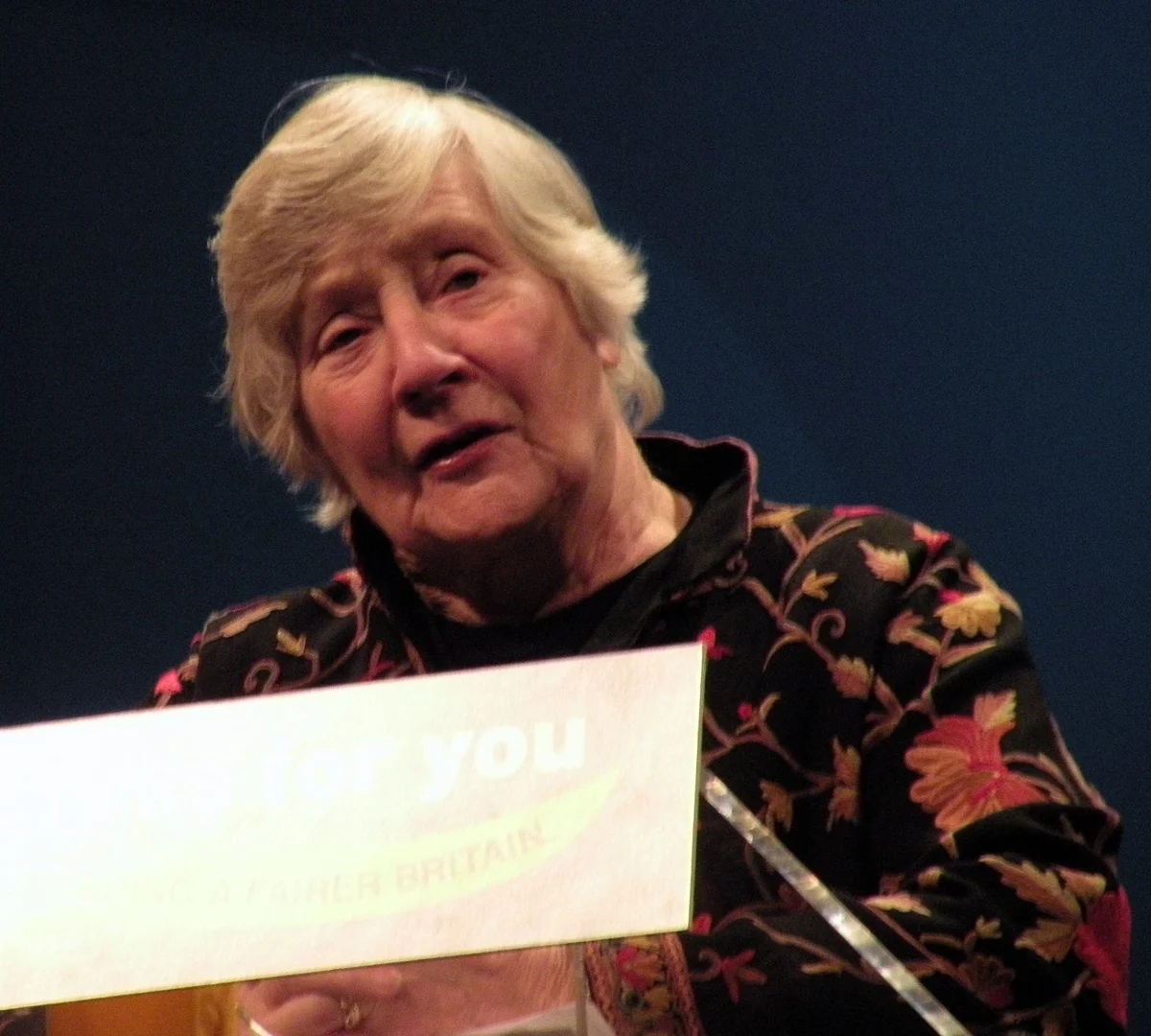
1930–2021
Shirley Williams
British politician, cabinet minister and SDP co-founderShirley Williams was a Labour cabinet minister who helped found the Social Democratic Party in 1981. Her career also encompassed a famous Crosby by-election victory, Harvard teaching and leadership of the Liberal Democrats in the House of Lords.Read biography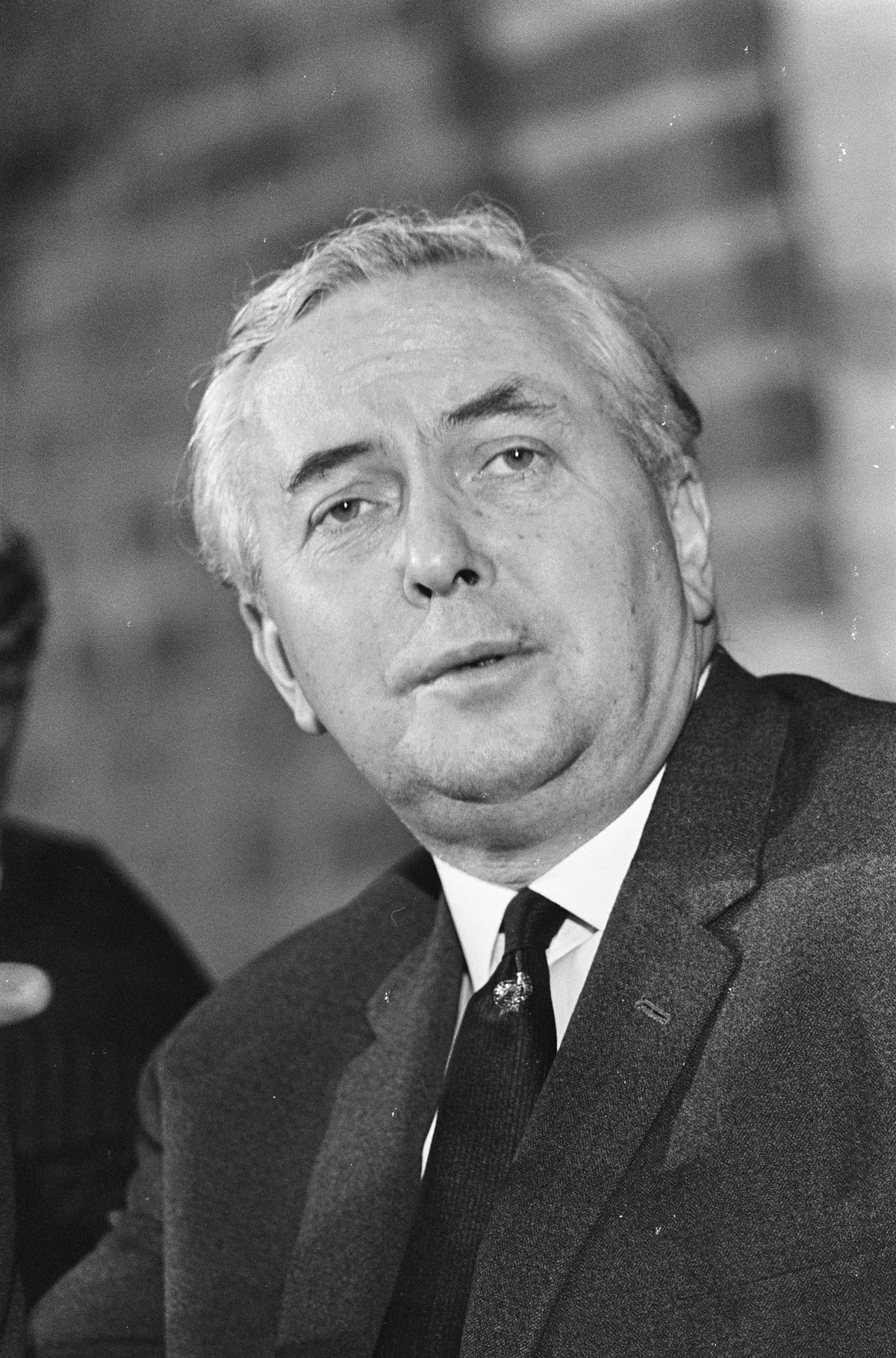
1916–1995
Harold Wilson
British Labour politician and prime ministerHarold Wilson was a Labour prime minister of the United Kingdom in 1964–1970 and 1974–1976. He linked a promise of technological modernisation with social reform, while managing sterling crises, a changing international role and deep disagreements over Europe.Read biography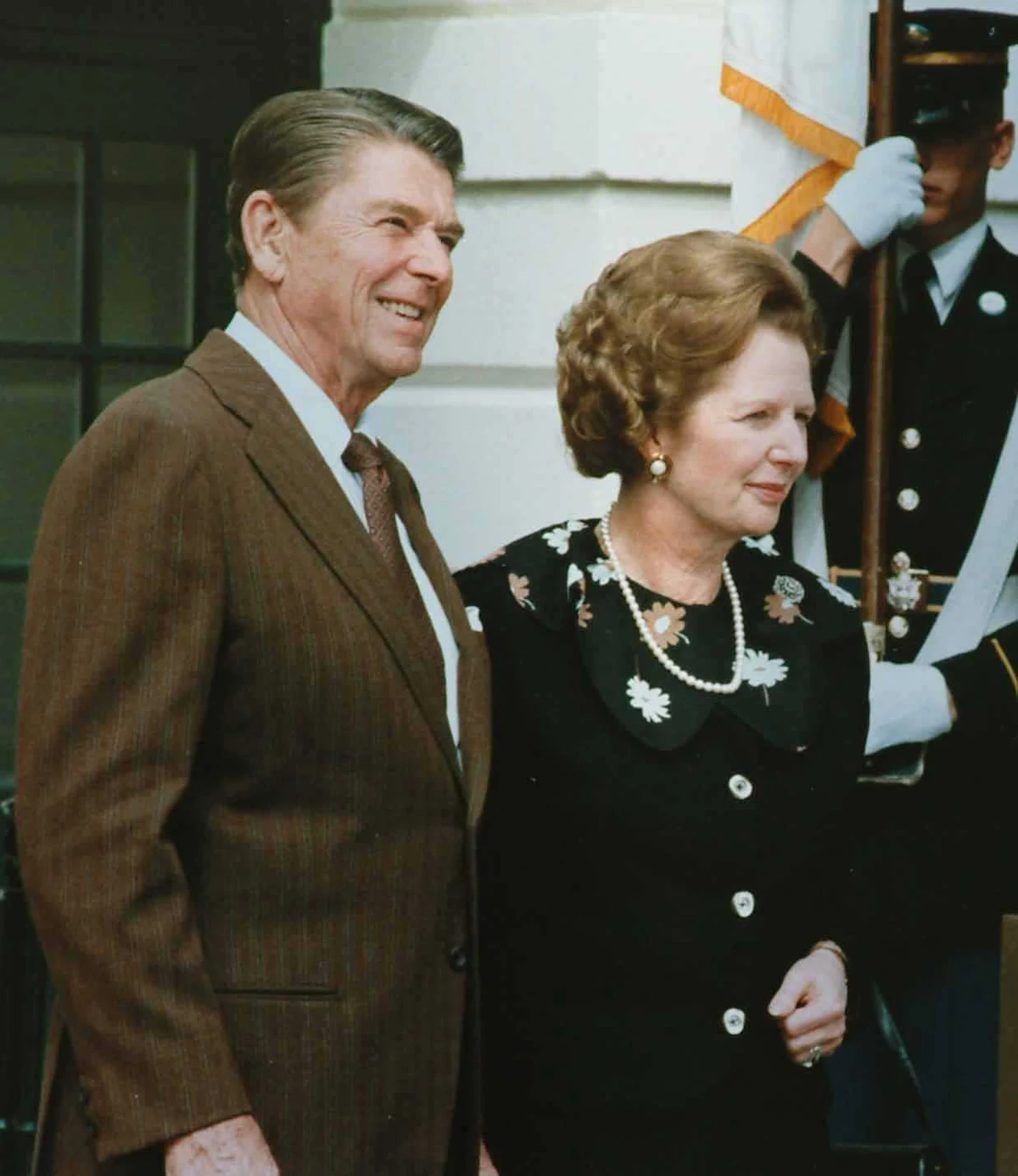
1925–2013
Margaret Thatcher
British prime minister, 1979–1990Margaret Thatcher was Britain’s first woman prime minister, serving from 1979 to 1990. Her governments changed public ownership, trade-union law and economic policy, winning three elections while provoking enduring conflict over inequality, industrial decline and state power.Read biographyQuick answers
Common questions
- Was the SDP founded in January or March 1981?
- January’s Limehouse Declaration proposed a Council for Social Democracy. The Social Democratic Party formally launched on 26 March 1981.
- Who were the Gang of Four?
- Shirley Williams, Roy Jenkins, David Owen and Bill Rodgers were the four senior Labour figures associated with the declaration and the party’s foundation.
- What did Shirley Williams do during the launch?
- She took responsibility for publicity and media and promoted regional launch events. Other founders handled policy, organisation and parliamentary work.
- Did the party choose its leader at the March launch?
- No. Interim collective arrangements preceded the constitution and membership ballots of 1982. Roy Jenkins won the later leadership election against David Owen.
Primary and institutional sources
How this history was checked
Read the public declaration transcript and Liverpool’s detailed catalogue administrative history, supported by parliamentary career records and Stephen Meredith’s published account of his research. The catalogue describes underlying files; those sixteen files were not read. The account separates the 1981 launch from the later constitutional and leadership ballots. This article was reviewed on 23 October 2026.
- UK ParliamentBaroness Williams of Crosby: parliamentary career
- UK Parliament, HansardTributes to Baroness Williams of Crosby, 14 April 2021
- Williams, Owen, Rodgers and Jenkins / Journal of Liberal HistoryLimehouse Declaration, 25 January 1981: transcript
- University of Liverpool, Special Collections and ArchivesDavid Owen Papers, D 709 3/1: launch and organisation of the SDP
- Liberal Democrat History Group26 March 1981: formal establishment of the SDP
- LSE British Politics / Stephen MeredithBritish social democracy in the 1970s and the origins of the SDP
- Keith Edkins / Wikimedia CommonsShirley Williams at Birmingham, 12 March 2010: photograph and licence
- Creative CommonsAttribution-ShareAlike 3.0 Unported licence