

1977—
Countries · Southeast Asia
Politics · Business · Athletes · Culture223 lives connecting reform and revolution with democratic struggle, entrepreneurial scale, world sport and art across borders.
Modern Philippine history can be read through people who argued over independence and authority, built mass consumer businesses, changed the country’s Olympic record and carried Filipino performance and visual culture to the world.
Reform, revolution, Commonwealth government, dictatorship, democratic restoration and the presidency after EDSA.
Explore PoliticsRetail, food, aviation, banking, utilities and family enterprises that developed national systems and international brands.
Explore BusinessOlympic medallists, world champions and Asian pioneers across boxing, weightlifting, gymnastics, athletics, chess, bowling, pool and skateboarding.
Explore AthletesCinema, comedy, OPM, musical theatre, hip-hop, visual art and installation that reshaped Philippine identity and travelled globally.
Explore CultureExplore modern politics
Explore rights institutions, judicial education, public leaders, workers’ organising, sporting achievements and cinema through related guides.
Reconstruct DMCI’s actual 2024 construction order-book bridge, compare its revenue tables, and learn what rounded project balances do and do not show.
Year ended 31 December 2024Use Robinsons Retail’s 2024 owned-store and TGP franchise figures to choose a denominator, check category totals, and write a precise footprint comparison.
January–April 2016Compare the 2016 Security Bank subscription release and financial note, then reconcile two share classes with the reported investment and control description.
1884–1980Separate Spoliarium’s 1884 medal, its 1958 transfer and a later commissioned replica, then practise writing an accurate caption from institutional records.
1935–2005Use UP’s protocol handbook and CCP’s object history to distinguish the original Oblation from later casts, their dates, materials and credited sculptors.
1983–2015Read the original Kasilag concerto booklet to distinguish works, movements, performers and recording dates, with a worked timing and catalogue exercise.
Published records · original attribution exerciseCompare a collected edition and an interview description, then practise separating authorship, editorial roles and what an unseen recording can establish.
Archive descriptions · original catalogue exerciseCompare different descriptions of the Maceda collection, then practise distinguishing duration, carriers and group classifications in an original catalogue task.
Creation and revival records · original programme exerciseCompare repertoire and production records for Rama Hari, then practise separating creation, revival, voice, dance and scheduled live music in a fictional programme.
1985–1989Examine PC-compatible chipset integration through technical catalogues, industry records and Dado Banatao’s account, separating support logic from CPU and graphics.
1957–1969Trace scene, reported speech and judgement across three Quijano de Manila articles, with an original exercise on how literary reportage makes public claims.
Early 1980s–2003Compare Pacita Abad’s stitched paintings, collected textiles and collaborative prints through an artist interview, museum records and an original exercise.
1976–2023Follow Himala from Ricky Lee’s script and Nora Aunor’s performance to festival records, a public vote and restoration, with an original evidence exercise.
1946 · Elections and independenceRoxas, Osmeña, the Nacionalista split and the results before July independence.
1956 · Education and citizenshipRecto, Laurel, the required course and the limited reading exemption in RA 1425.
1975 · 2013 · Film preservationJulio and Ligaya’s story, the cast and collaborators, and the restoration presented at Cannes Classics in 2013.
Read the story, cast and restoration guide 1976 · 1978 · 2015Identify Hilda Koronel’s title role in Lino Brocka’s film and distinguish its original release, Directors’ Fortnight selection and restoration.
Read the film guide 1981 · Election and referendumMarcos, Santos, the opposition boycott and two separate questions put to voters.
Read the guide 1969–1970 · Conservation historyLocal forests, Philippine eagles and Iglit–Baco: three laws with different tools and responsibilities.
Read the guide 1940–1948 · Women’s organising and reliefEscoda, Benitez, the national charter and the volunteer networks that continued serving during wartime.
Read the guide 1957 · Constitutional historyThe Electoral Tribunal nominations, minority safeguards and a ruling that did not expel senators.
Read the guide 1937 · Voting rightsThe campaign, the constitutional threshold and the path from voting rights to Senate representation.
Read the guide 6–8 July 1986 · Democratic transitionTolentino’s challenge, the failed occupation and Aquino’s fact-finding committee after People Power.
Read the guide 1949 · Parliamentary historyAvelino, Cuenco and the court’s two-stage response to a disputed reorganisation.
Read the guide 1998–2026 · Public officePolice leadership, four Senate terms and Haiyan recovery, with the 2025–2026 pro-tempore role dated separately.
Read the guide 1986–1987 · Human rightsDiokno’s presidential committee, the independent commission and their different institutional foundations.
Read the guide 1988–1998 · Judicial educationFernan’s training programme, court creation in 1996 and statutory institutionalisation in 1998.
Read the guide 2022–2026 · AthleticsWorld medals, six metres, Paris countback and Asian Games gold in Hangzhou and Nagoya.
Read the guide October 1975 · Labour historyWorkers’ demands, Edgar Jopson’s organising and the policy response under martial law.
Read the guide 17 biographiesThe complete official presidential sequence from Emilio Aguinaldo to Ferdinand Marcos Jr.
Explore the collection 1935–present · 15 biographiesSuccession, split tickets, delegated portfolios and the disputed 1986 claim across nine decades.
Explore the collection 1916–1972 · 11 biographiesEvery leader from the chamber’s creation through independence, coalition change and the martial-law closure.
Explore the collection 1987–present · 16 biographiesEvery leader of the restored chamber, including repeated terms, coalition changes and the disputed 2026 transition.
Explore the collection 1987–present · 12 biographiesEvery leader of the restored House, from Ramon Mitra Jr. to current Speaker Faustino Dy III.
Explore the collection 12 biographiesTwelve pioneering lives across the Senate, presidency, diplomacy, civil liberties, public policy and civic leadership.
Explore the collection 1986—todayDemocratic restoration, populism, opposition and the return of a political dynasty.
Explore the collection 1986–2001 · 15 biographiesConstitutional restoration, social conflict, military rebellion, treaty power, public policy and EDSA II.
Explore the collection 1992–2016 · 27 biographiesElections, Mindanao peace, economic shock, institutional accountability and political realignment.
Explore the collection 1965–2022 · 30 biographiesNine election guides connecting candidates, results, split tickets, disputes and democratic turning points.
Explore the collection 12 biographiesPresidents, critics, educators, diplomats and armed rivals in the early independent republic.
Explore the collection 23 biographiesPresidential reform, Senate politics, the 1965 election, student protest and a narrowing constitutional order.
Explore the collection 1969–1987 · 24 biographiesElection, constitutional rupture, authoritarian rule, resistance, People Power and a rebuilt democratic charter.
Explore the collectionExplore enterprise
Compare ten business careers through the companies they built, the public-facing systems they operate and the leadership structures designed to outlast a founder.
Explore sport
Connect ten athletes through medals, records and specialist disciplines ranging from weightlifting and gymnastics to chess, bowling and skateboarding.
Explore culture
Connect ten creative careers through national memory, independent practice, OPM, musical theatre and Filipino culture carried to global stages.
Across borders
Follow anti-colonial ideas, migration, consumer brands, competition and creative work through maritime Southeast Asia and the wider world.
Explore by turning point
Begin with the national timeline, then follow revolution, the 1942 defence and occupation, independence, postwar nation-building, authoritarian crisis, People Power, constitutional restoration and the leaders of both restored chambers.
All seventeen recognised presidents in order, with exact terms, routes to office and constitutional transitions.
Read the complete list 1521—presentA country chronology connecting colonisation, revolution, independence, martial law and democratic restoration.
Read the timeline 1935–presentA complete officeholder timeline with vacancies, succession rules and the disputed 1986 claim.
Read the timeline 1916–presentEvery leader from Manuel Quezon through interruption, democratic restoration and the disputed 2026 transition.
Read the timeline 1907–presentEvery Assembly, House and Batasan leader, with occupation, martial-law closure and democratic restoration explained.
Read the timeline 1896The Katipunan, the disputed Cry, Tejeros and the path from revolt to a contested republic.
Read the timeline 1899—1901Malolos, the 1899 Constitution, war and the struggle to build an independent state.
Read the timeline 1899—1902Competing claims to sovereignty, conventional fighting, guerrilla resistance and the contested official ending.
Read the timeline 1942–1945Invasion, wartime governments, civilian life, resistance and liberation across the archipelago.
Read the timeline 7 Jan–9 Apr 1942Filipino defenders, two battle lines, hunger, disease and the surrender that preceded mass captivity.
Read the timeline April 1942Follow the two routes through San Fernando and Capas to Camp O’Donnell, with careful death-toll evidence.
Read the timeline Dec 1941–6 May 1942Bombardment, life in Malinta Tunnel, the final landing and the surrender of the island fortress.
Read the timeline 20 Oct 1944The Allied return, Filipino guerrilla intelligence and the restoration of Commonwealth government on Philippine soil.
Read the timeline 23–26 Oct 1944Four connected naval actions and the Japanese attempt to destroy the invasion fleet around Leyte.
Read the timeline 3 Feb–3 Mar 1945Liberation, mass killing, artillery and the destruction of the capital through the experience of civilians.
Read the timeline 18 Mar 1945Peralta’s guerrillas, Confesor’s civil government and the landing at Tigbauan on Panay’s southern coast.
Read the timeline 1–14 Jun 1945Filipino forces broke the mountain position guarding the route into northern Luzon.
Read the timeline 4 Jul 1946Commonwealth, occupation, liberation and the postwar settlement of the Third Republic.
Read the timeline 1946–1947Trade preferences, currency controls, reconstruction pressure and the constitutional dispute over economic sovereignty.
Read the timeline 1946–1954Wartime roots, land conflict, political exclusion, failed amnesty and the counterinsurgency that followed.
Read the timeline 1953–1957Public-access reform, Huk surrender, rural policy, Cold War alignment and an abrupt presidential succession.
Read the timeline 1961–1965Economic decontrol, June 12, land reform, regional diplomacy and the limits of reform.
Read the timeline 9 Nov 1965Marcos, Macapagal and Manglapus in a competitive election that reorganised national politics.
Read the timeline 11 Nov 1969Marcos, Osmeña, a historic reelection and the economic strain surrounding the campaign.
Read the timeline Jan–Mar 1970Student leadership, police violence, mass protest and the road toward the 1972 constitutional rupture.
Read the timeline 21 Aug 1971The Liberal Party rally attack, its casualties, emergency powers and disputed responsibility.
Read the timeline 1971–1972Elected delegates, reform debates and a draft completed after martial law transformed the political order.
Read the timeline 1972—1986Formal martial law, authoritarian government, documented violations and resistance.
Read the timeline 1972–1973Citizens’ assemblies, Proclamation No. 1102 and the Supreme Court’s divided ruling in Javellana.
Read the timeline 21 Aug 1983The airport killing, official investigation, retrial and unresolved questions of command.
Read the timeline 22—25 Feb 1986The election crisis, civilian mobilisation and the transition to constitutional government.
Read the timeline 1986—1987The commission, plebiscite, restored institutions and new safeguards on executive power.
Read the timeline 7 Feb 1986The Marcos and Aquino tickets, competing counts and collapse of electoral trust.
Read the timeline 22 Jan 1987Land-reform protest, thirteen deaths, official findings and unresolved accountability.
Read the timeline 1–9 Dec 1989The armed challenge to civilian authority and the bounded national-emergency response.
Read the timeline 16 Sep 1991The Senate’s 12–11 treaty decision on sovereignty, security and foreign military presence.
Read the timeline 11 May 1992Seven candidates, Ramos’s plurality, Santiago’s protest and the first regular post-EDSA succession.
Read the timeline 2 Sep 1996Integration, regional institutions and the unfinished work of implementing negotiated autonomy.
Read the timeline 1997–1999Peso pressure, banking resilience, recession and recovery in a region-wide economic shock.
Read the timeline 11 May 1998Estrada’s plurality, de Venecia’s loss, a split ticket and the first limited automation test.
Read the timeline 16–20 Jan 2001Impeachment, mass mobilisation and the legal dispute over a transfer of power.
Read the timeline 10 May 2004The official canvass, an unfinished protest and the later Hello Garci legitimacy crisis.
Read the timeline 10 May 2010Aquino’s victory, nationwide automation and the narrow Binay–Roxas vice-presidential result.
Read the timeline 29 May 2012Asset disclosure, judicial independence and the Senate’s 20–3 conviction of the chief justice.
Read the timeline 9 May 2016Automated voting, split-ticket winners and the realignment that brought Rodrigo Duterte to the presidency.
Read the timeline 9 May 2022Official Marcos–Duterte majorities, candidate totals, automated voting and political realignment.
Read the timelineAll Philippines biographies
Browse the complete country collection or refine the directory by country, field, name, office, company, sport or achievement.
1977—

Birth date unverified

1966—
1945—

1966—

1861—1896

1869—1964

1878—1944
1891—1959
1878—1961
1892—1948
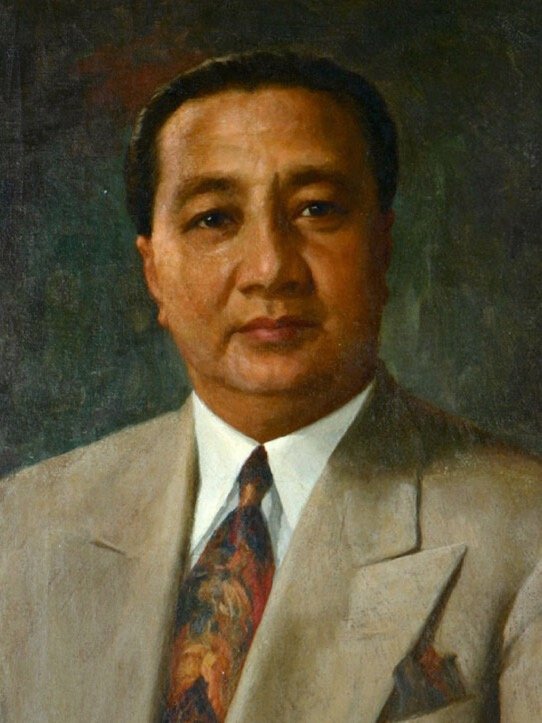
1890—1956

1907—1957

1896—1971
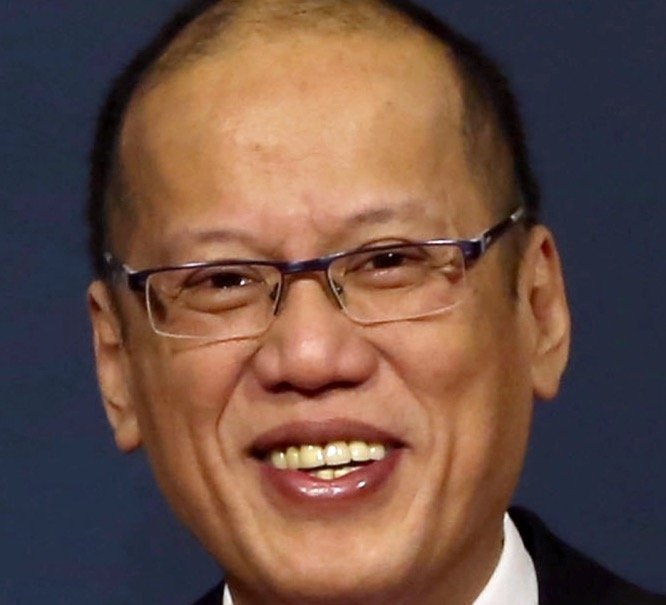
1960—2021

1917—1989
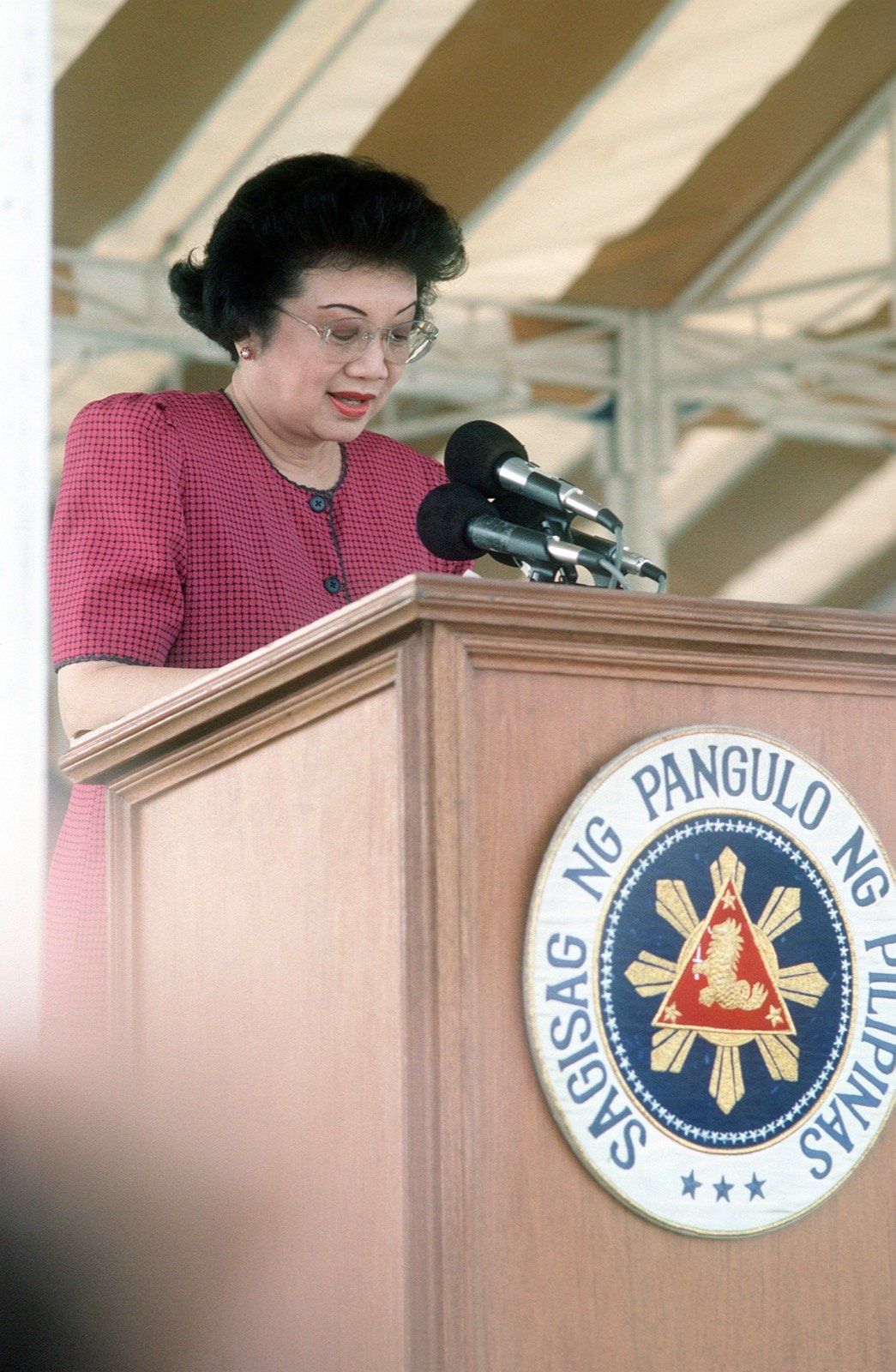
1933—2009
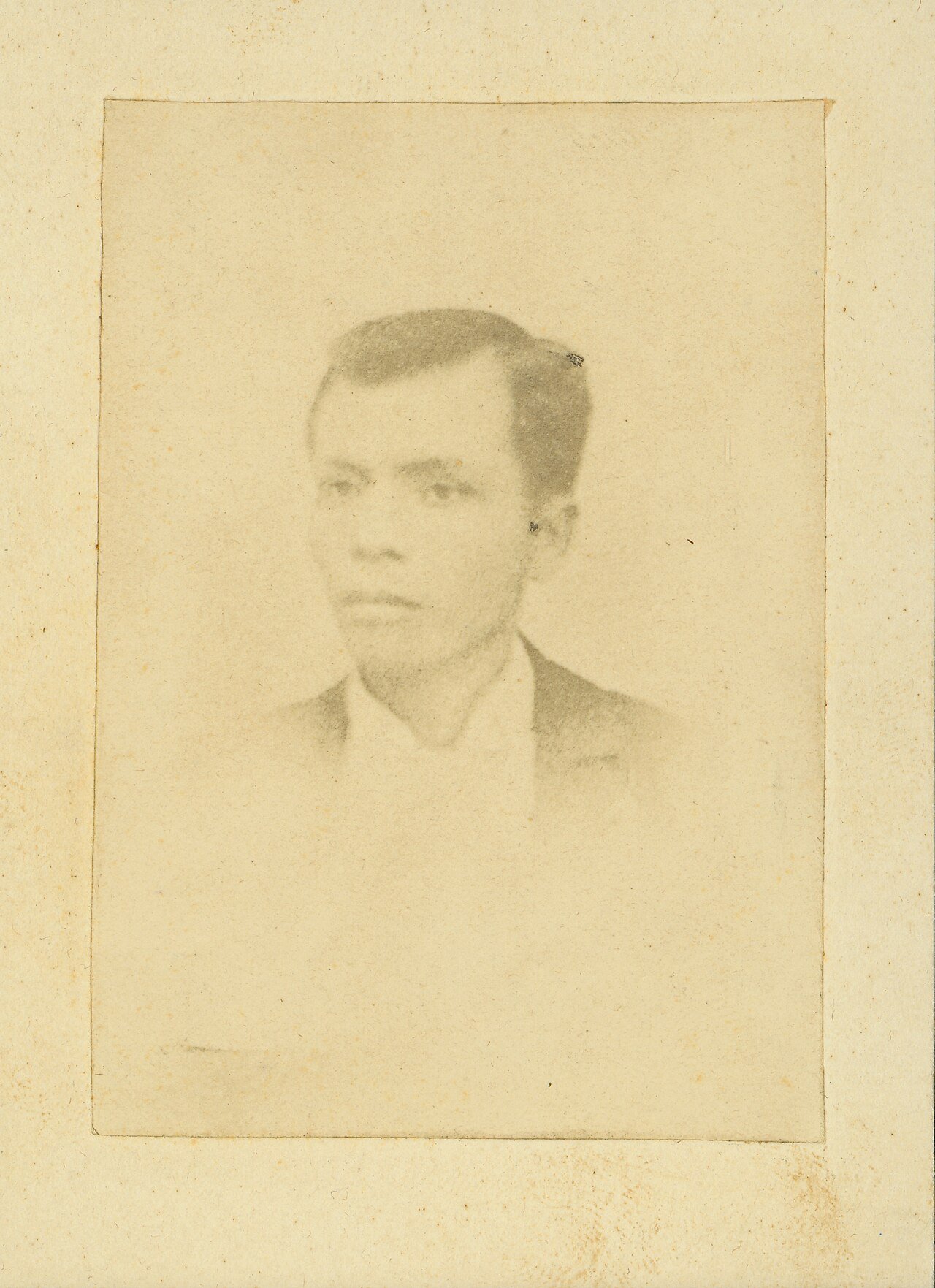
1863—1897

1864—1903

1932—1983
1928—2022
1928—2005

1924—2025
1910—1997
1937—

1947—
1945—

1965—

1957—
1900—1986

1914—1996

1936—2019

1875—1899
1875—1943

1812—1919

1866—1899

1850—1896

1922—1987

1898—1992
1920—2016
1913—1988

1913—2006
1950—1973
1948—1982
c. 1930—1980
1942—1986
1960—1987
1865—1911

1875—1899
1868/1871—1947

1870—1907
1866—1945
1886—1942
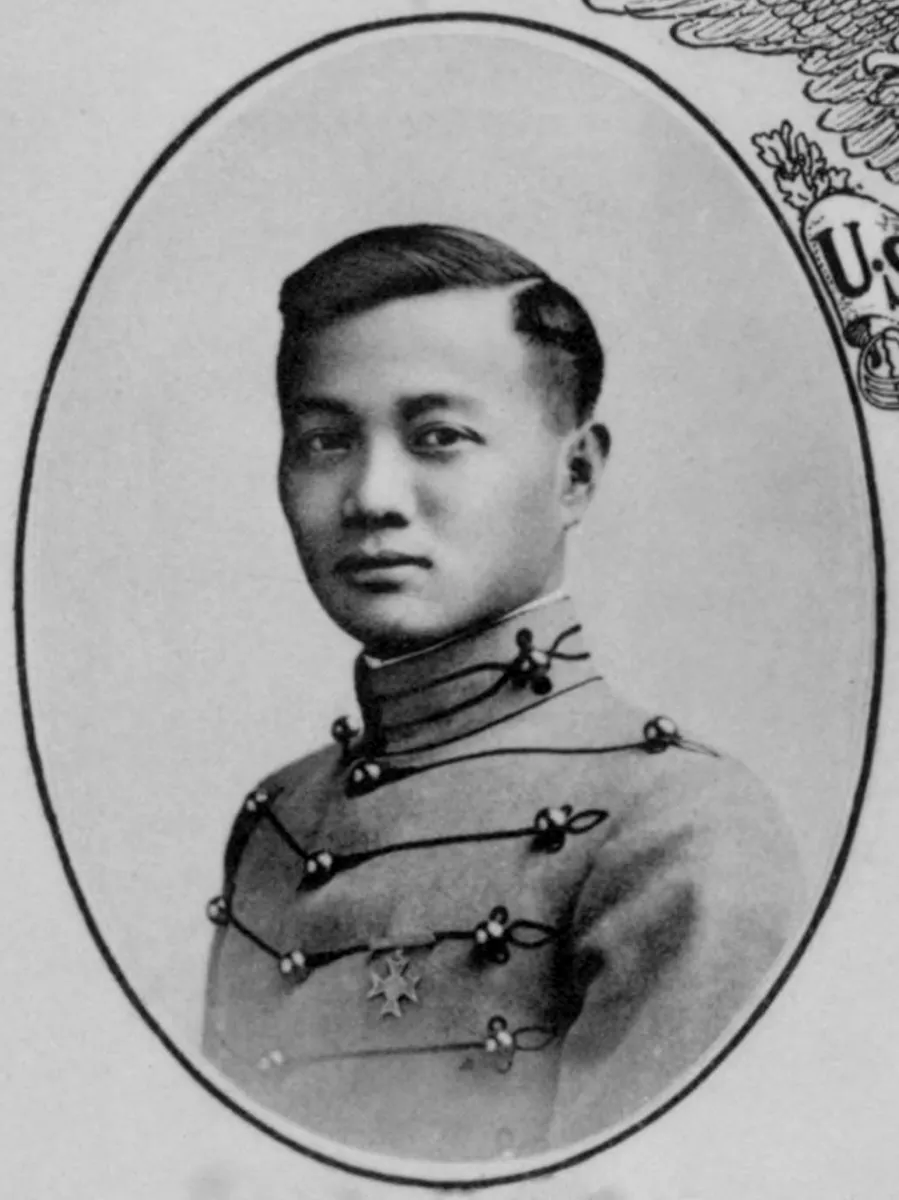
1888—1944
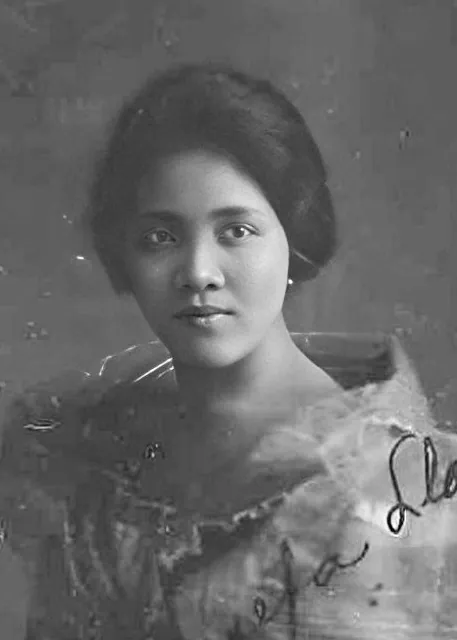
1898—1945
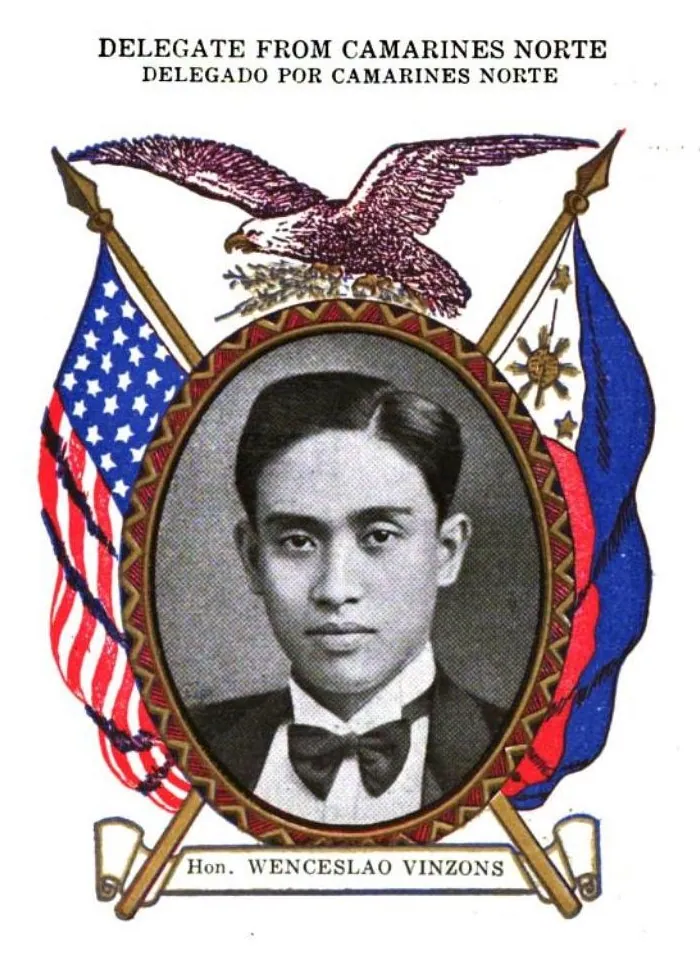
1910—1942
1913—1965
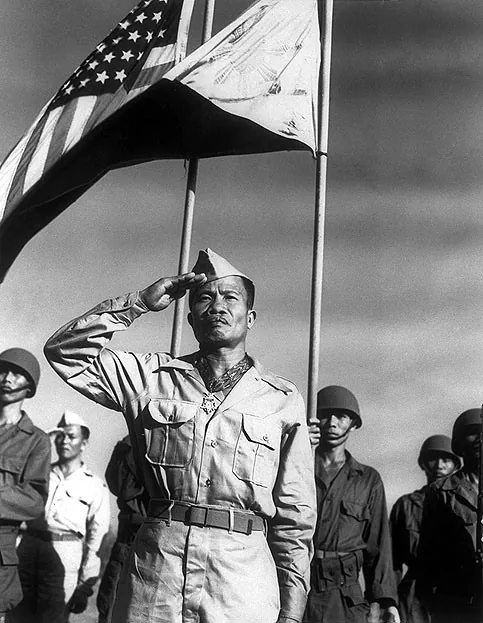
1907—1998
1920—2016
c. 1906—unknown
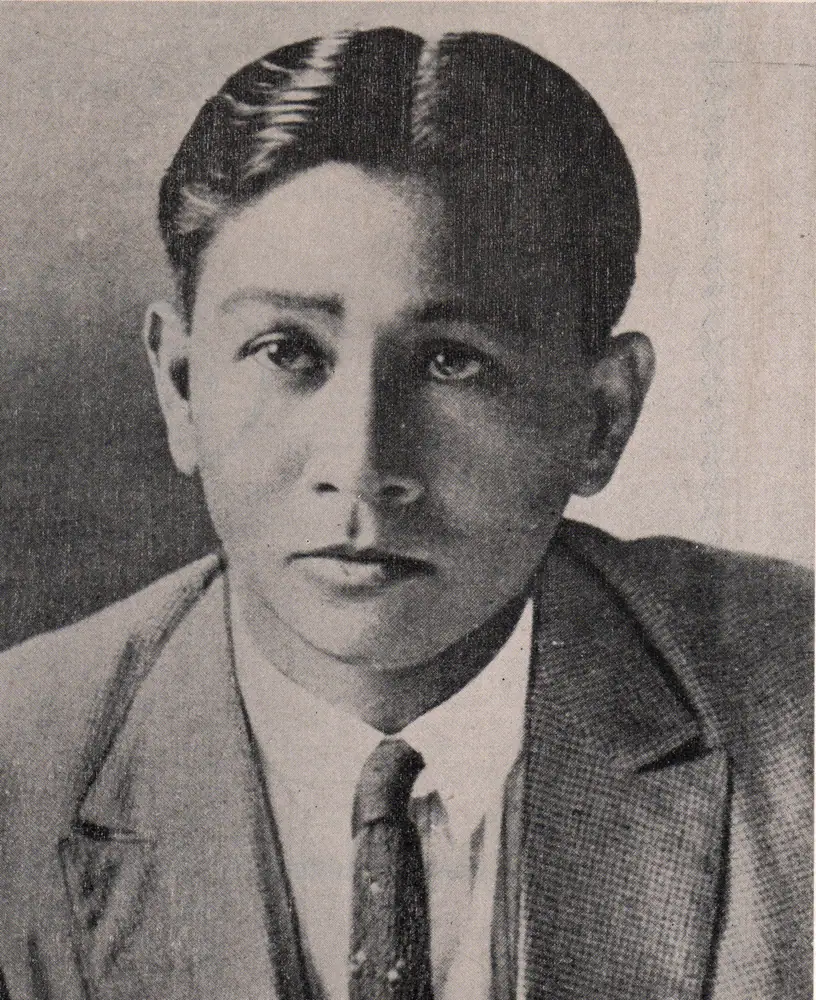
1891—1951
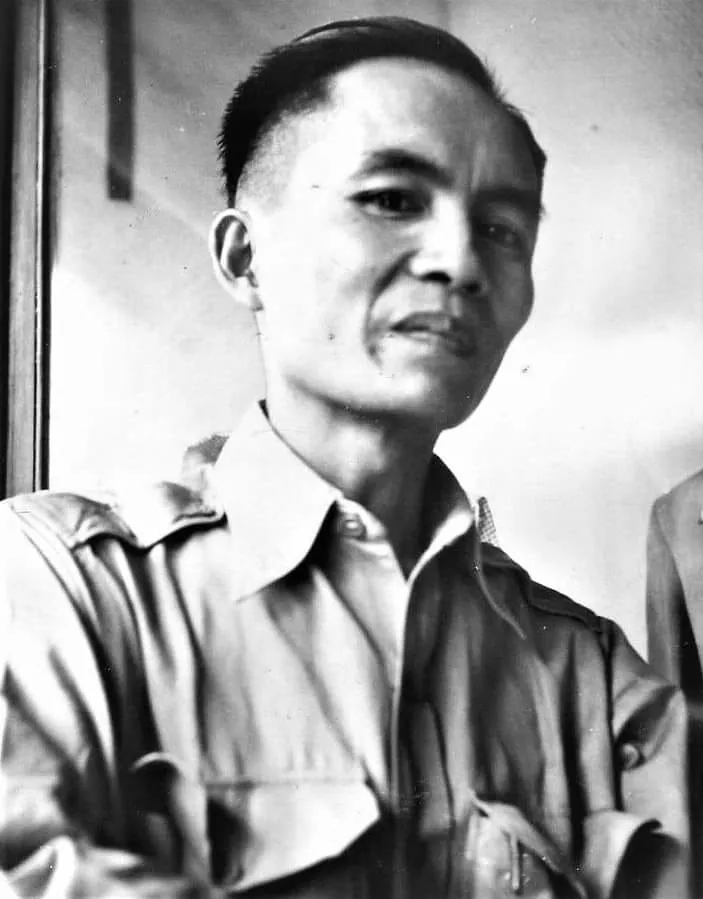
1913—2005
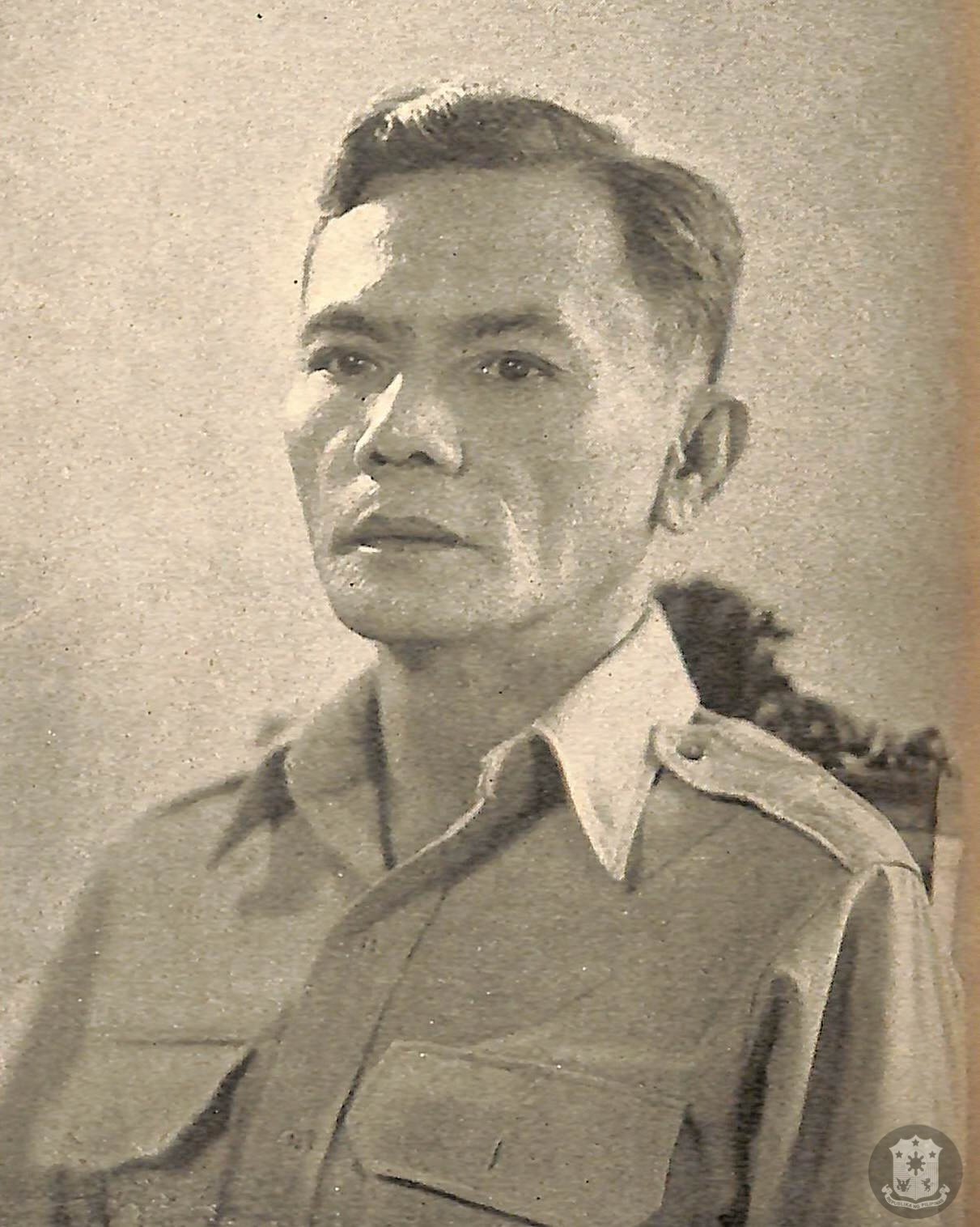
1890—1958

1914—1971

1912—1985

1899—1985
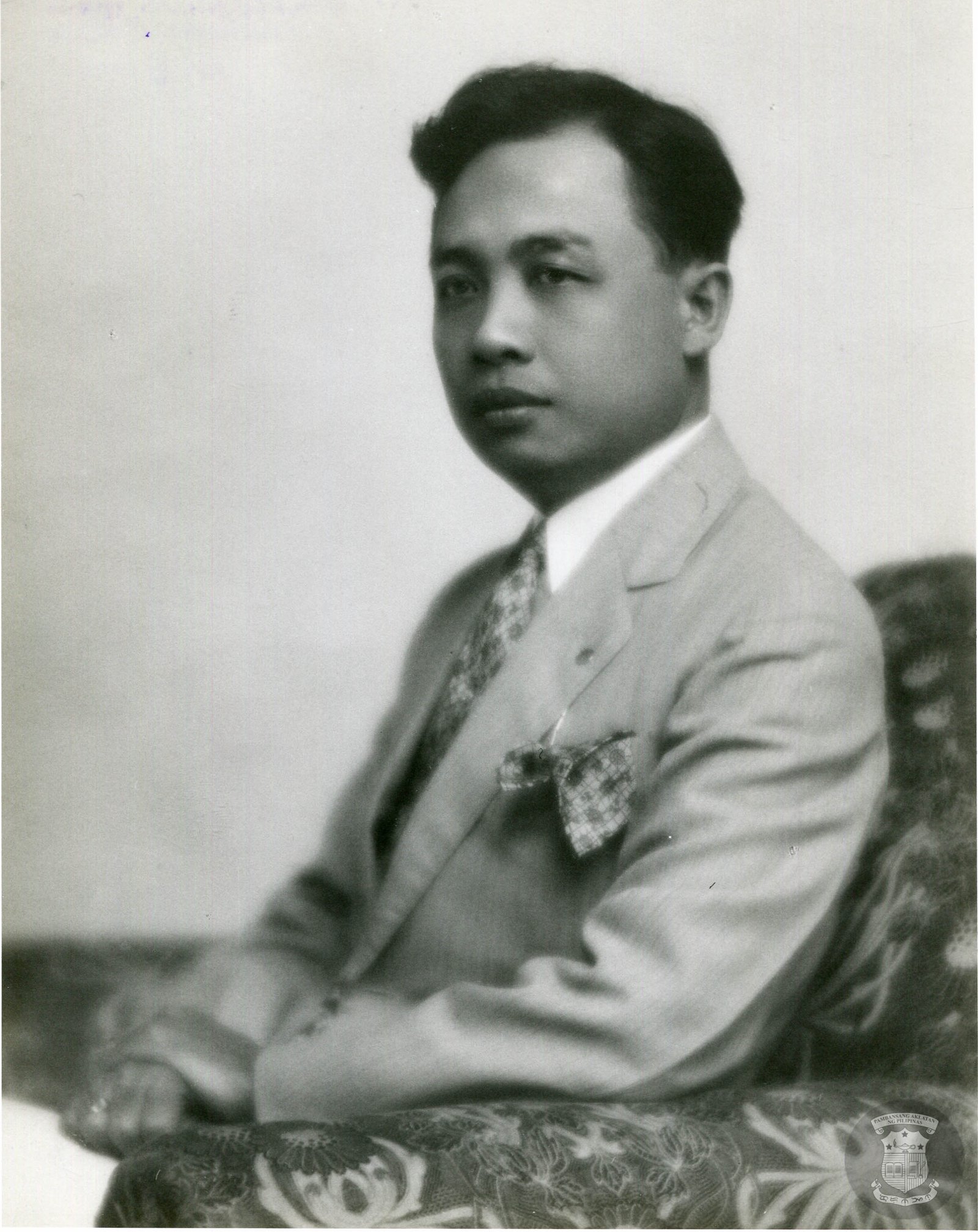
1890—1960
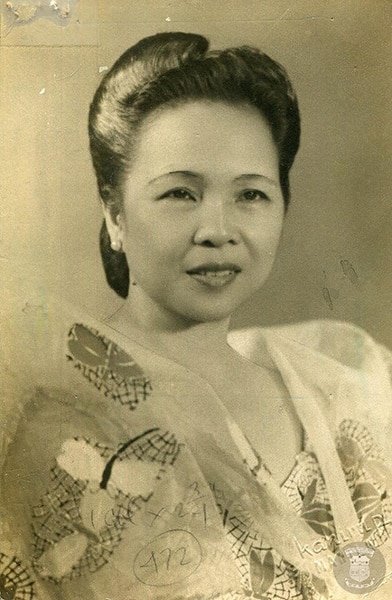
1896—1989
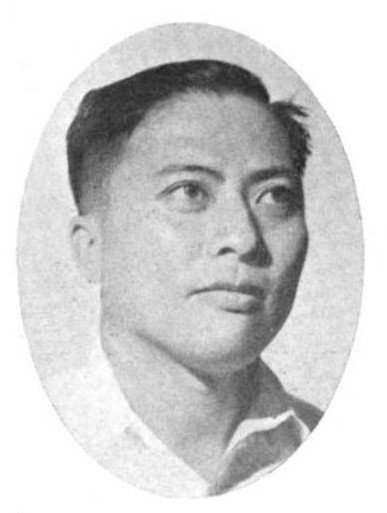
1911—1984

1915—2003
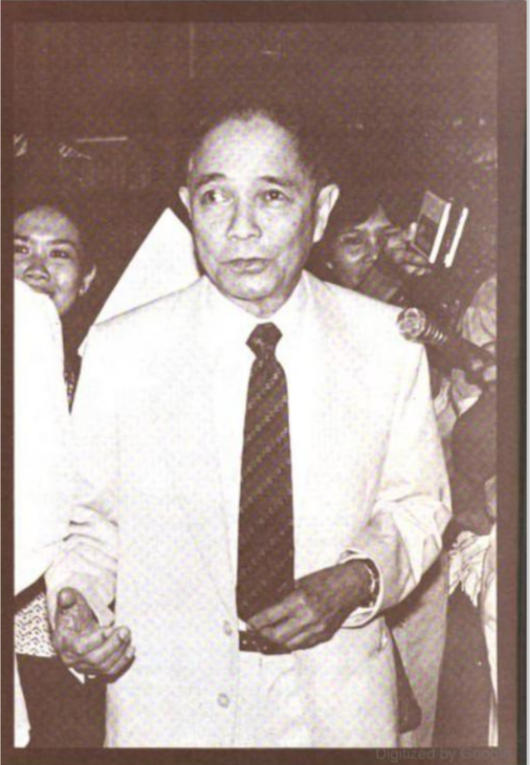
1918—1999

1910—2004

1914—2016

1912—1992

1905—1997
1916—1984
1920—2017

1924—1982

1928—1994

1928—2004

1945—2016
1927—2015

1929—2017
1927—2003
1935—2014
1941—2005

1933—2019
1934—

1928—

1934—2018
1945—
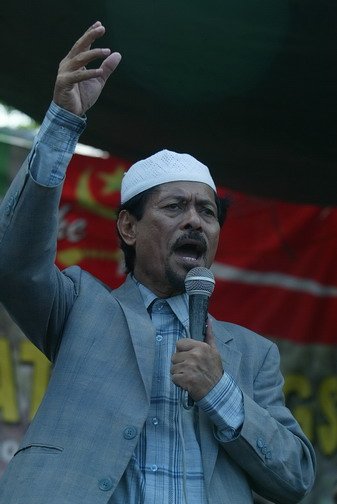
1939—

1948—2016

1957—
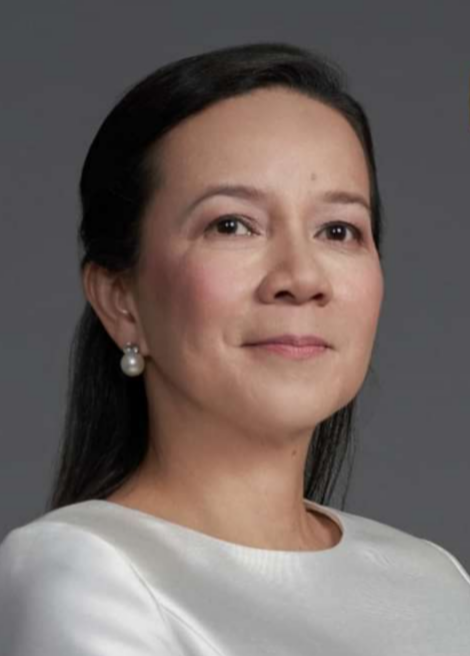
1968—
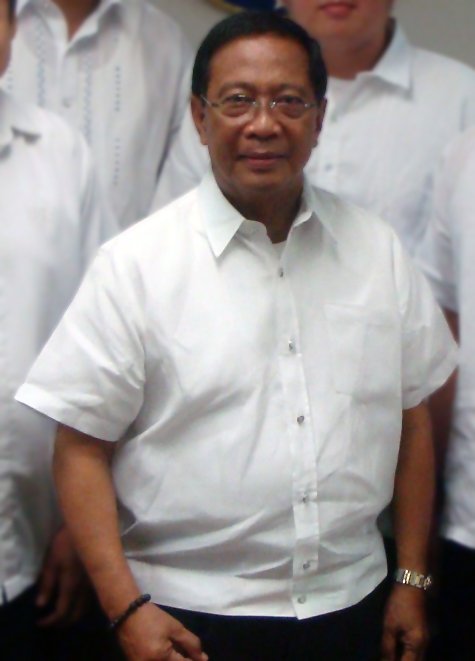
1942—

1936—2026

1949—

1960—

1964—

1969—
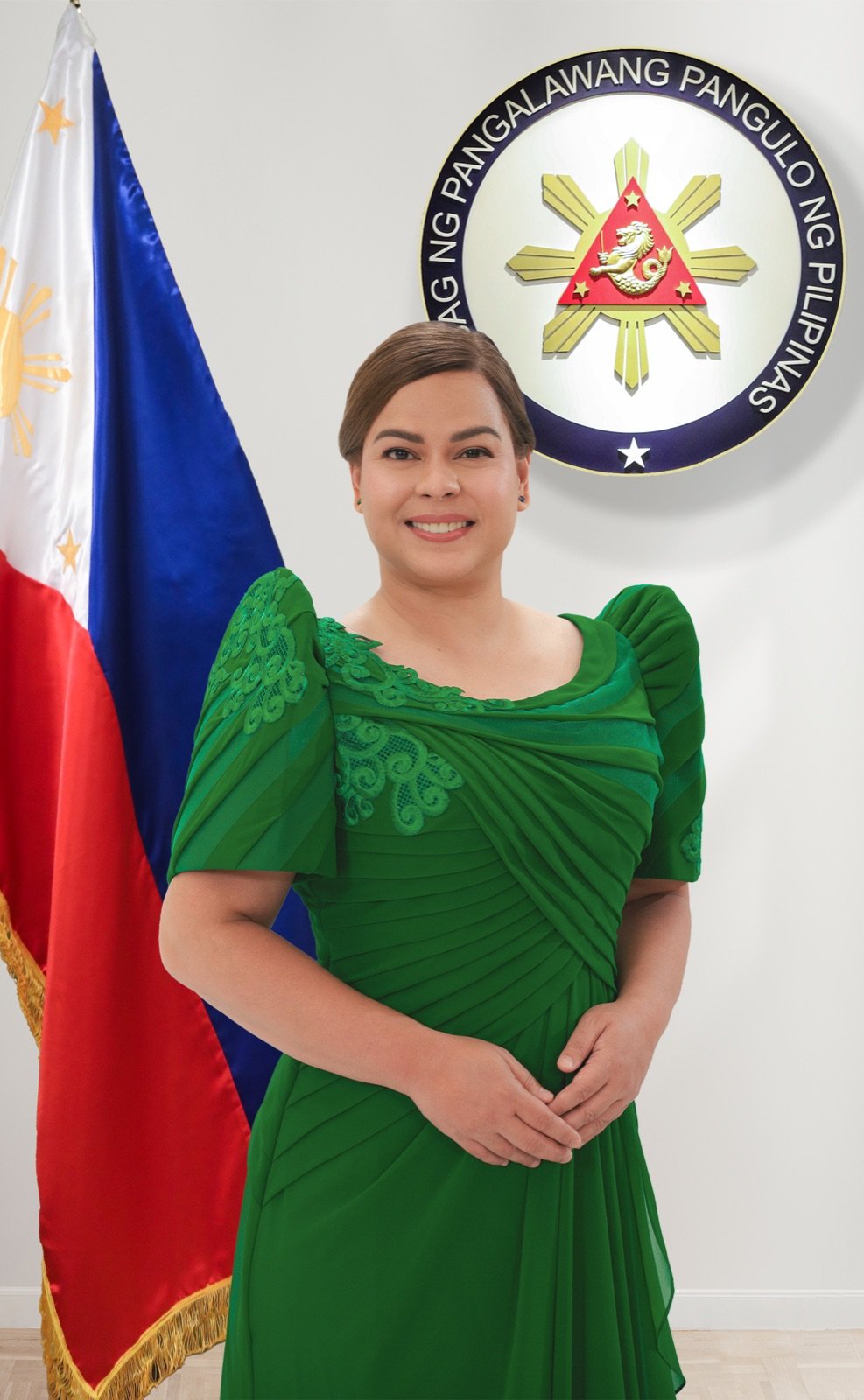
1978—

1963—
1974—

1948—
1904—1993
1923—2001

1935—2016

1927—1999

1964—

1948—

1969—
1970—

1974—

1890—1986

1888—1964

1884—1973
1889—1976
1883—1964

1889—1972

1907—1981
1894—1976

1894—1947
1896—1957

1912—1998

1928—2000
1945—2020

1936—

1947—2019

1958—

1977—

1963—
1961—
1886—1954
Birth date unverified–2018
1921–2017
Birth date unverified
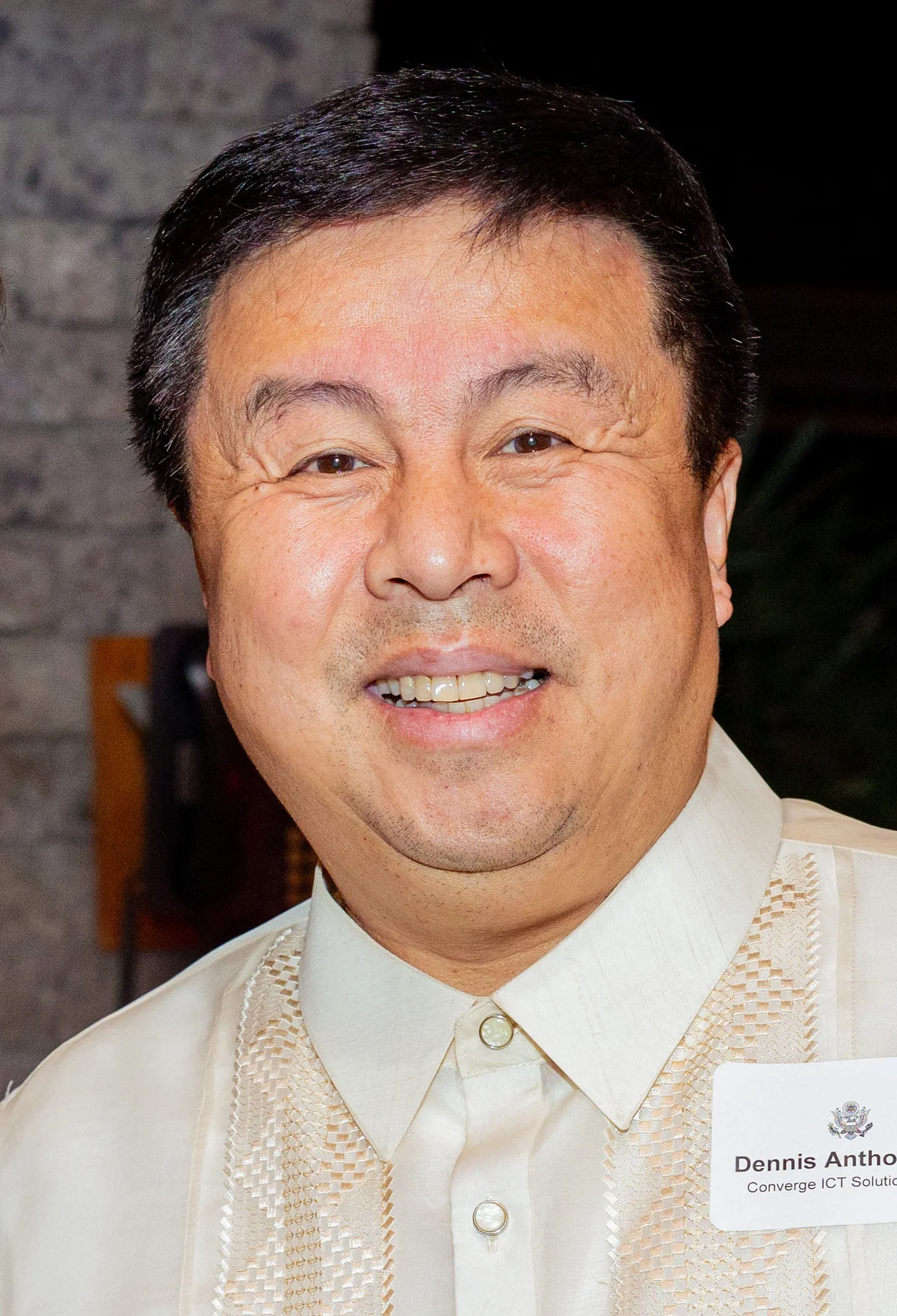
Birth date unverified
Birth date unverified
Born 1950
1931–2024
Birth year not verified
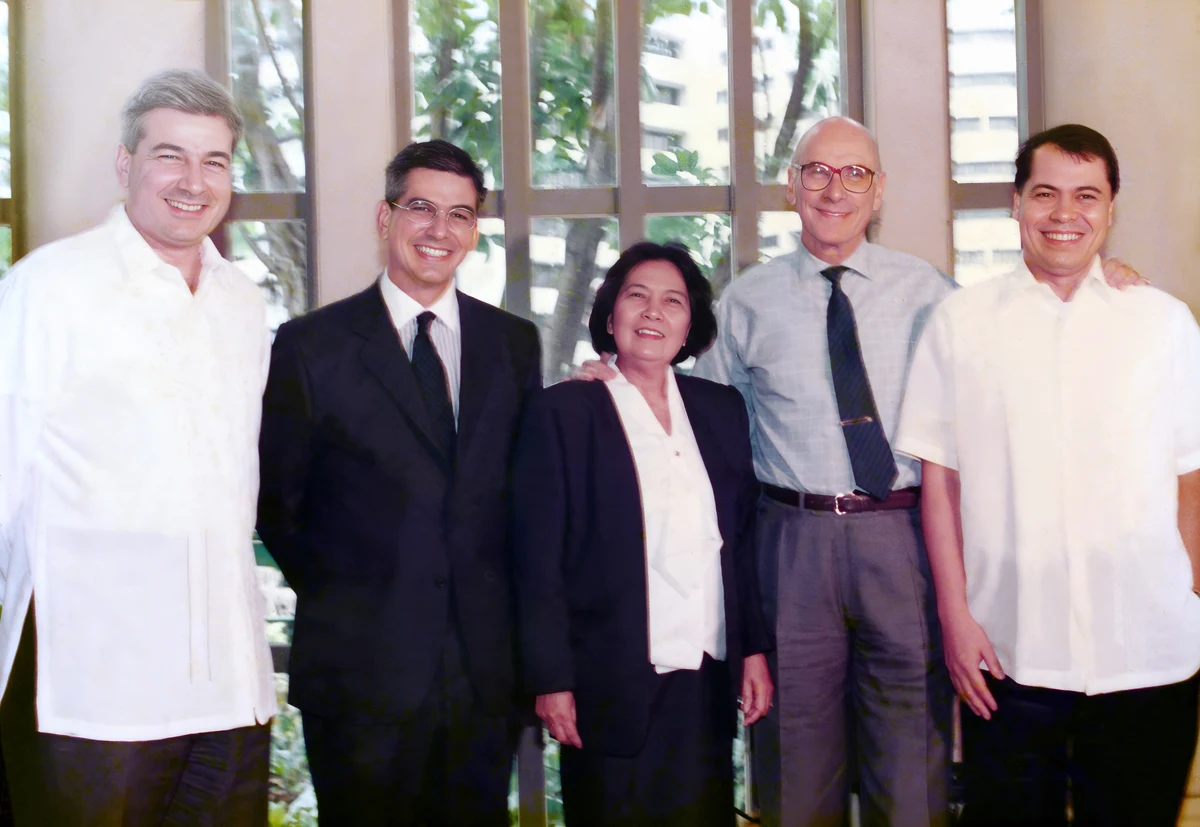
1934–
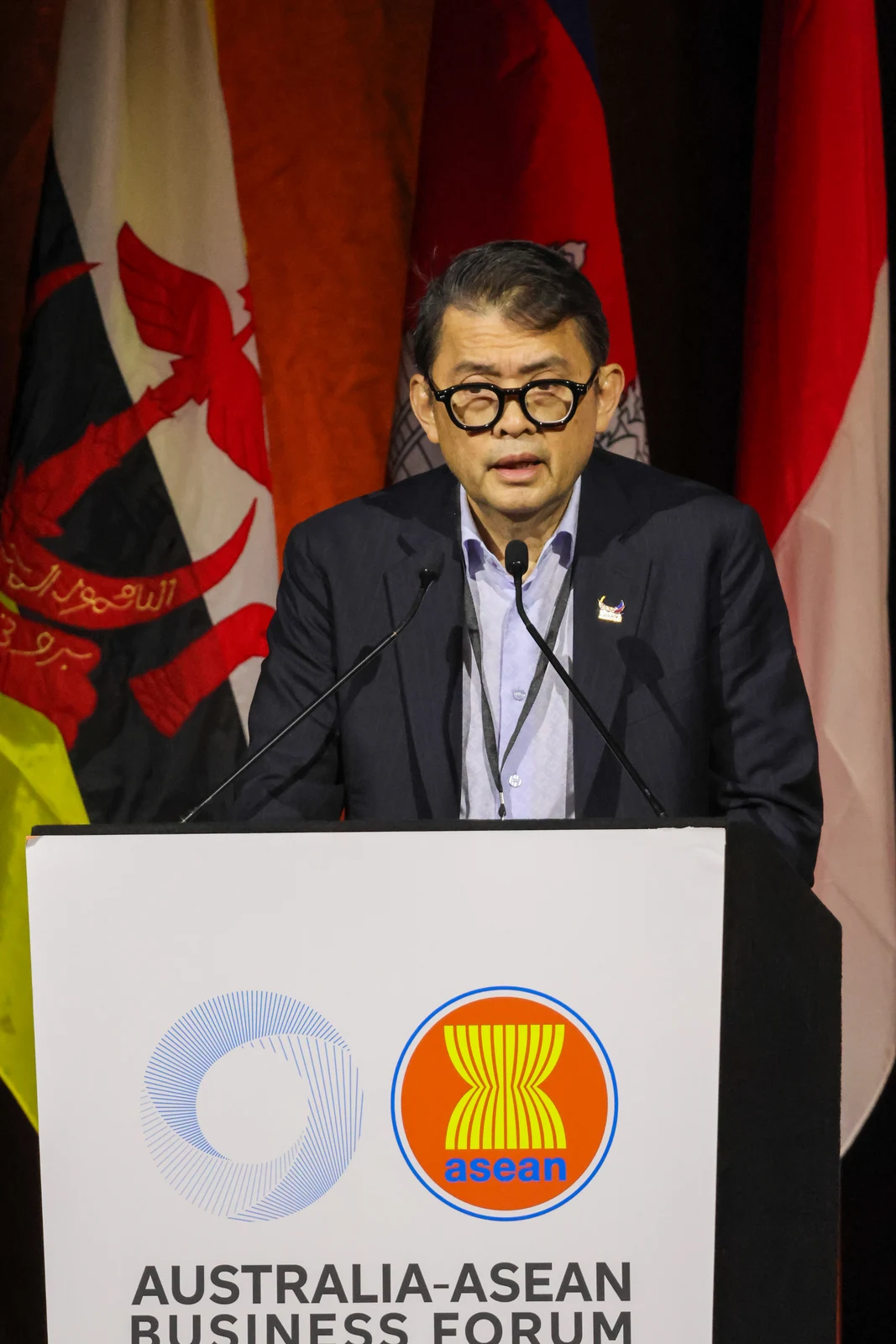
1958–
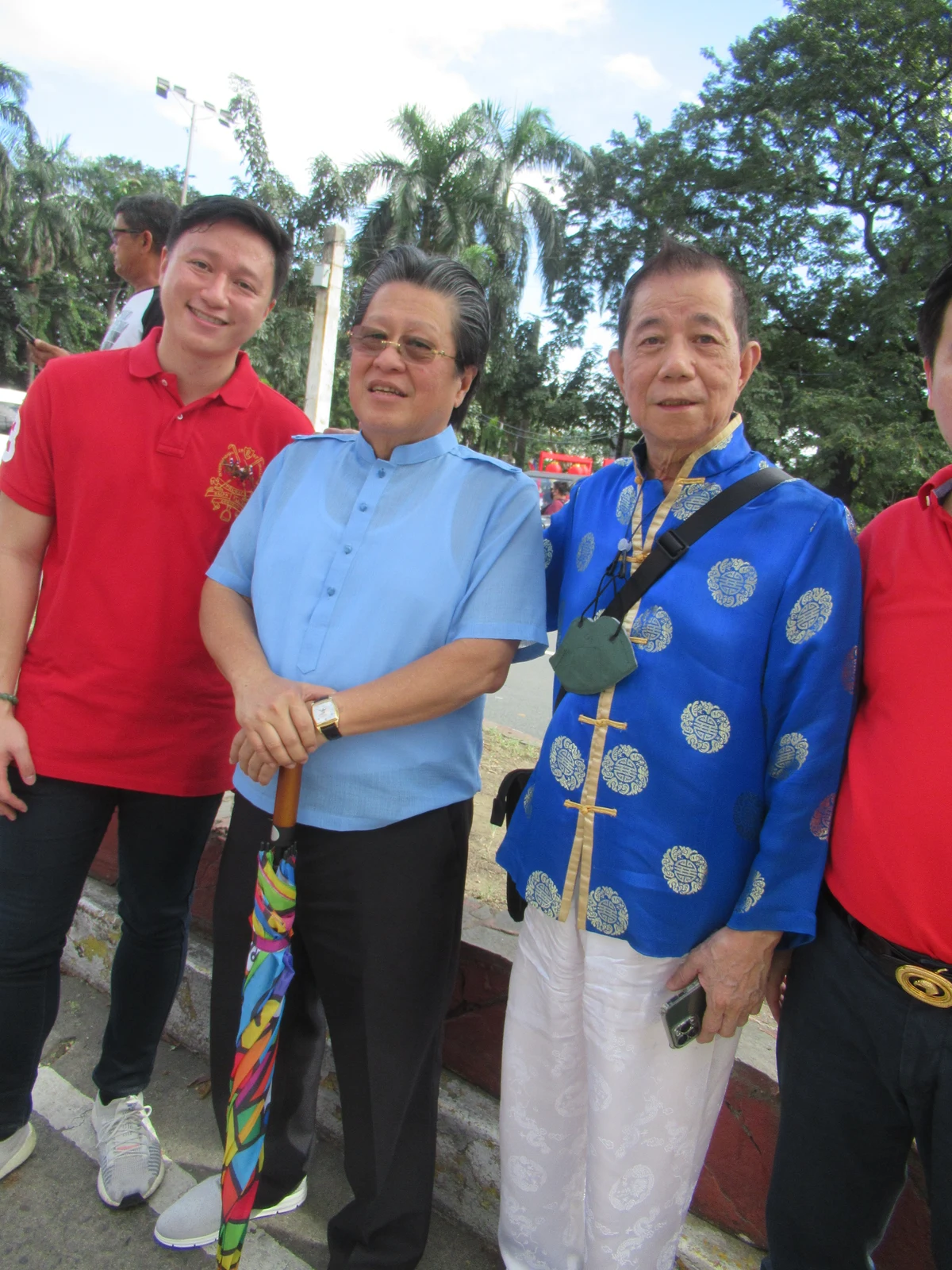
Manufacturing and community leadership

1960–

1948–

1955–

Birth date unverified
1946–2025
1921–2017
1949–
1943–
1961–
1953–
Business career documented from 1980

Birth date unverified

1954—
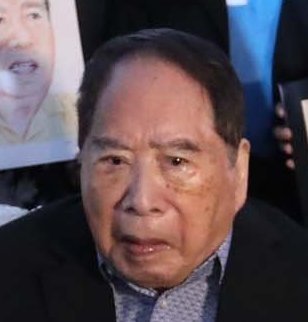
1924—2019
1926—2019

1953—

1959—

1934—

1950—

1946—

1966—

1977—
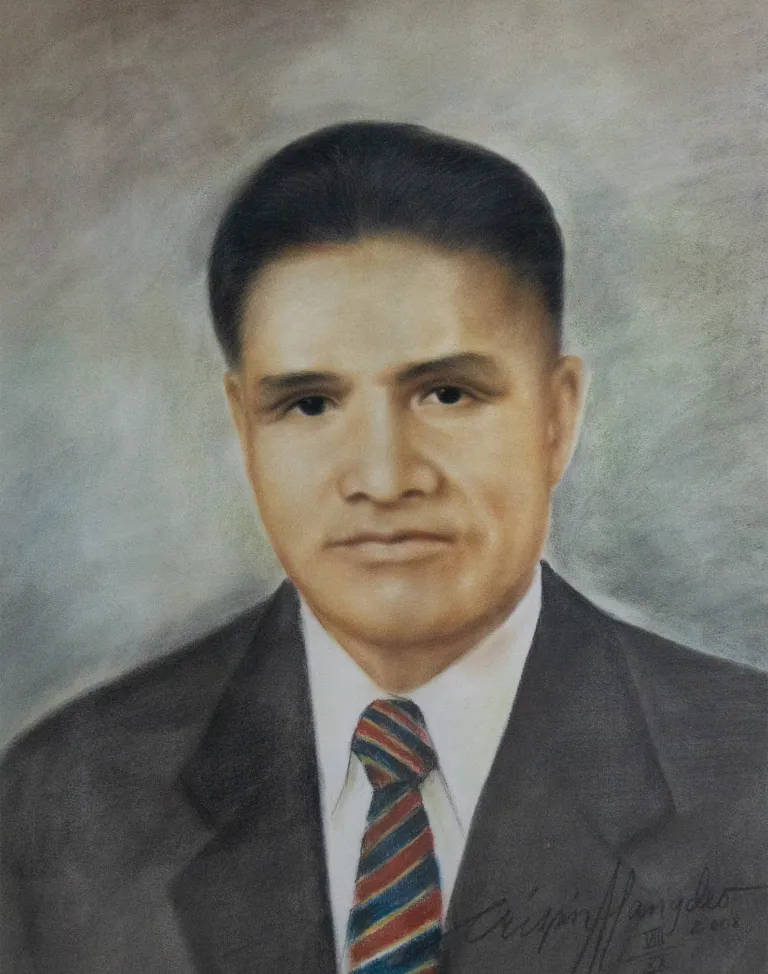
1905—1976

1949—

1963—

1978—

1991—

2000—
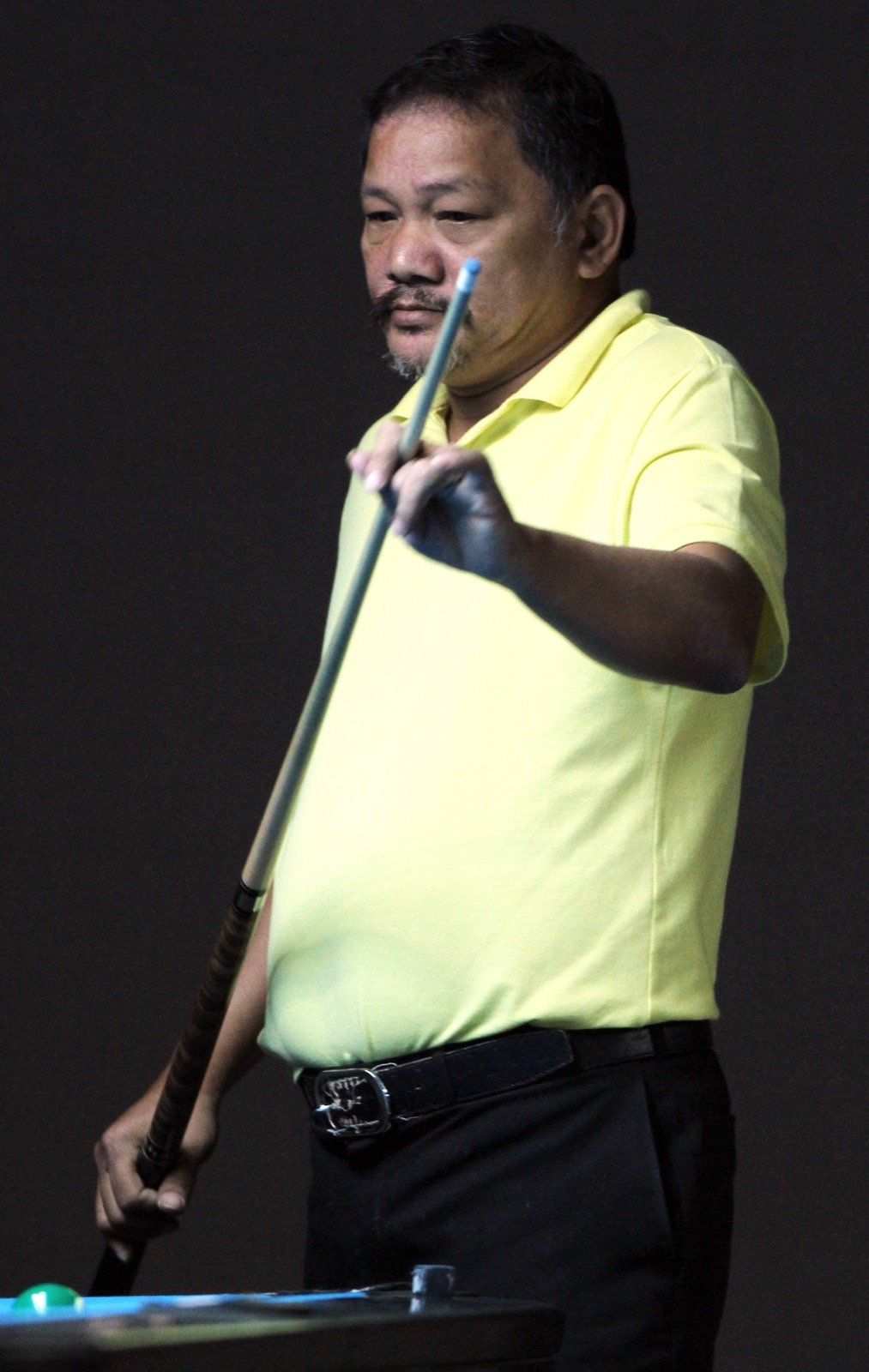
1954—

1957—

1964—2022

1951—

1992—

1995—

1999—

Birth date unverified

1987—

1963—

1949—

1958—

1960—

1932–2021
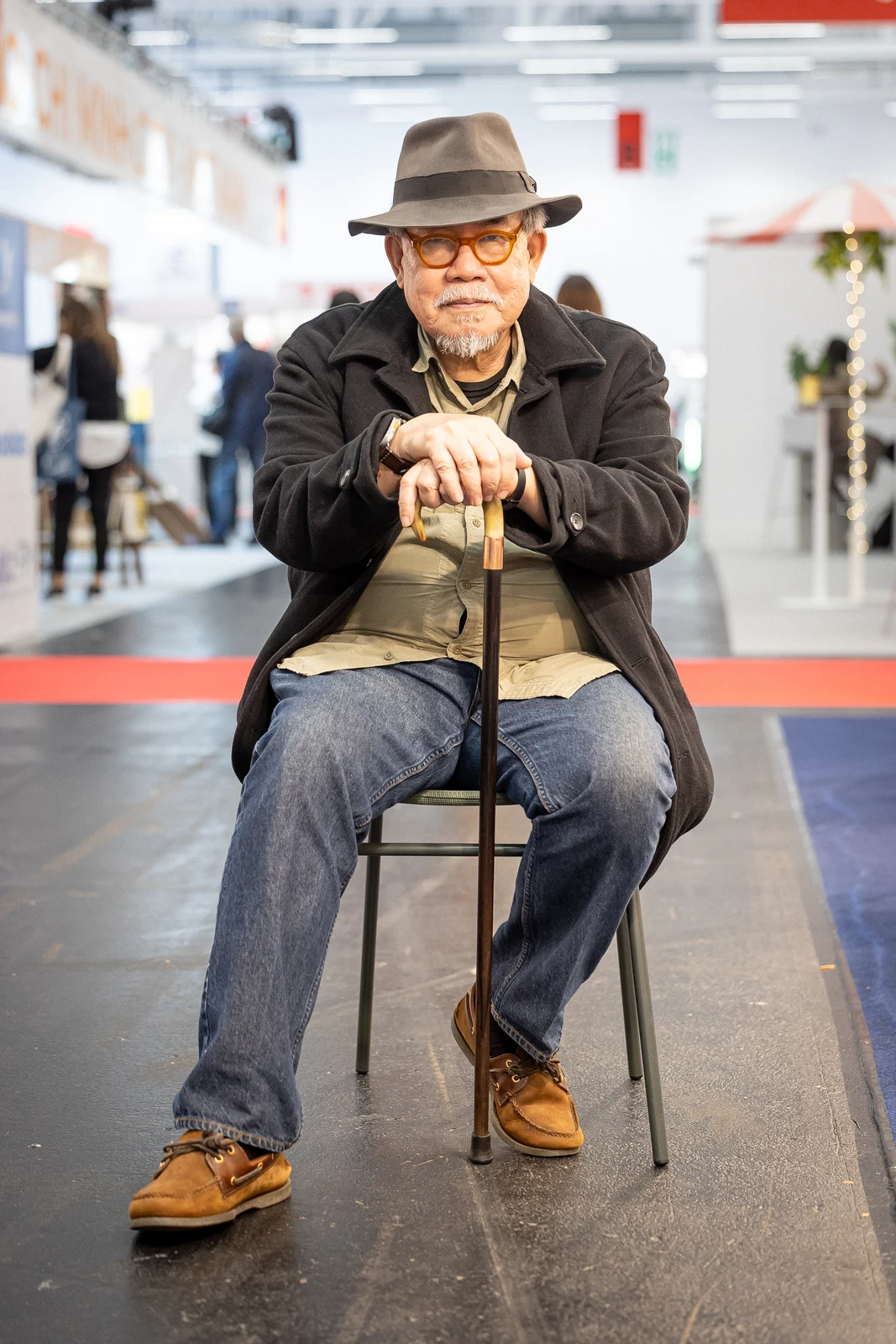
1954—

Born 1944

Born 1948
1963–2024
1976—
1917–2004
1946–2004
1955–2012
1938–1996
1857–1899
1942–
1930–2018
1890–1976
1918–2008
1951–
1908–1997
1919–2011
1945–2023
1917–2004
1893–1934
1942–
1924–2022
1941—2022
1953—
1957—
1971—
1953—2025
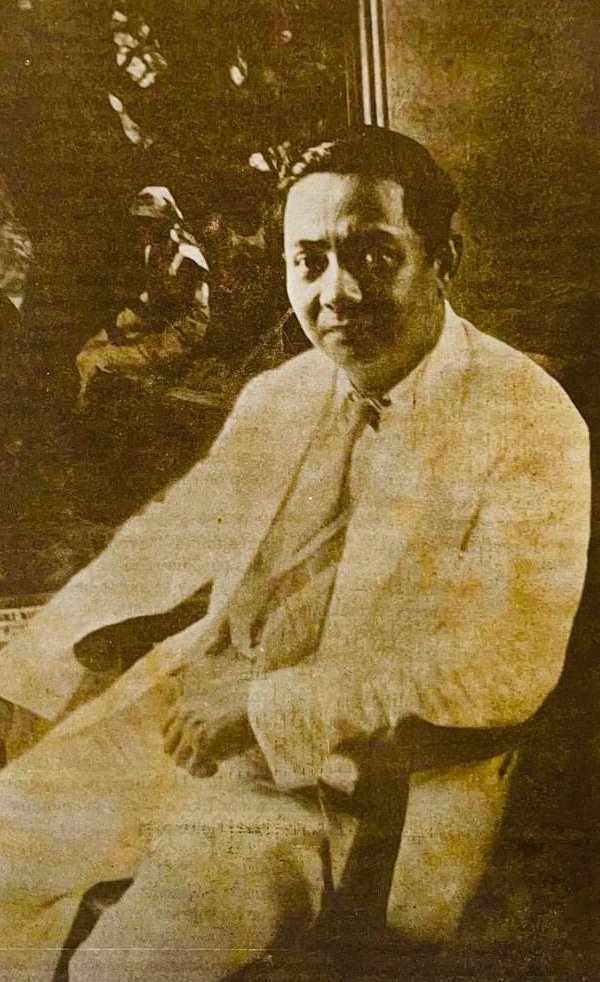
1892—1972
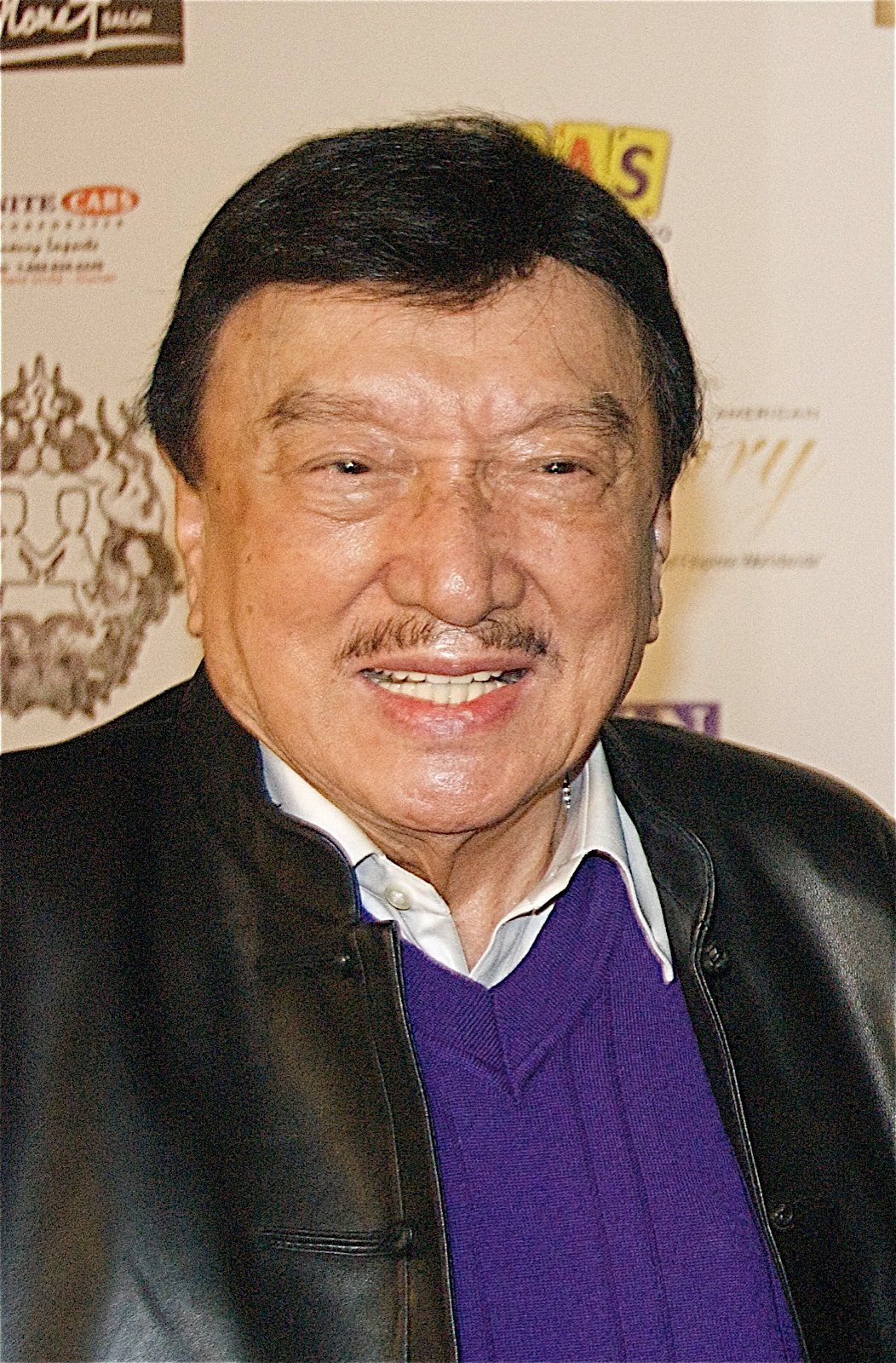
1928—2012

1970—
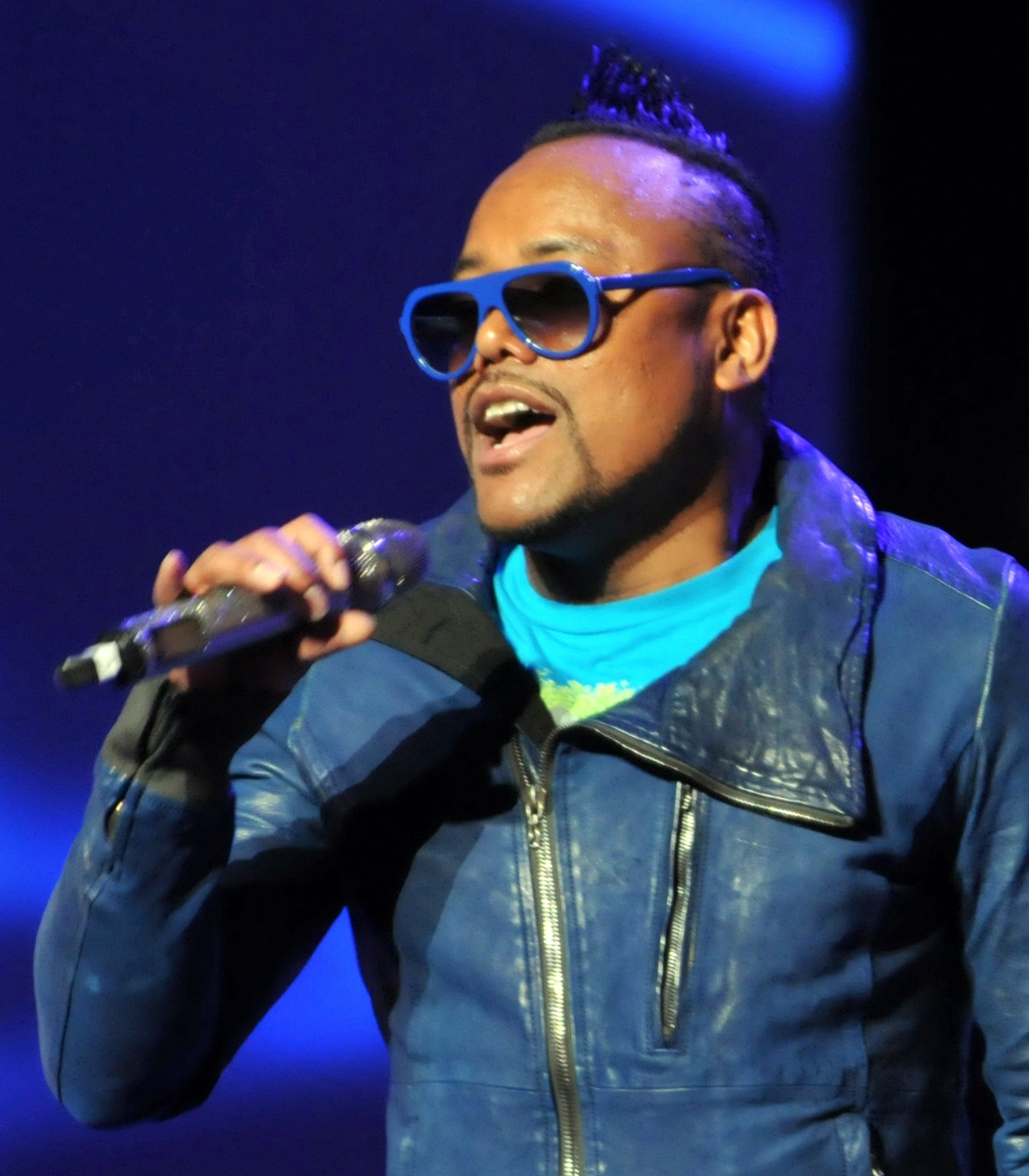
1974—
1939—1991
1954—

1942—

1913—1978

1939—2004