
The short answer
The Picture of Dorian Gray reached readers first as a thirteen-chapter magazine text, then as a revised twenty-chapter book. Expansion, deletion and a provocative Preface change the reader’s encounter with art, desire and responsibility. This guide contains spoilers and distinguishes the published versions from the earlier surviving manuscript and typescript.
Identify the text before interpreting it
From magazine to book
The chapter counts are a quick clue, but the editorial basis stated by a modern edition remains essential.
| Feature | 1890 magazine | 1891 book |
|---|---|---|
| Form | Lippincott’s Monthly Magazine, July issue | Ward, Lock book publication |
| Chapters | Thirteen | Twenty after expansion and reorganisation |
| Preface | Absent from this publication | Aphoristic framing before the narrative |
| Vane family | Shorter treatment centred on Sibyl | Expanded family scenes and James Vane pursuit |
| Textual status | Already affected by prepublication editing | Further authorial revision; not simply a longer facsimile |
Chronology
A timeline of the turning points
Draft and typescript
The Morgan holds the earliest surviving manuscript; Wilde’s annotated typescript is held at UCLA. These precede the magazine text.
Lippincott’s Monthly Magazine
The thirteen-chapter text appeared after editorial changes by J. M. Stoddart.
Revision and expansion
Wilde altered passages, expanded the narrative and prepared the Preface for the book version.
The book
Ward, Lock published the twenty-chapter version with the Preface, extending the Vane family story and other social scenes.
A different kind of scrutiny
The novel later figured in attacks on Wilde; literary interpretation and legal allegations should remain distinguishable.
The 1890 text was already an edited publication
The story appeared in the July 1890 issue of Lippincott’s Monthly Magazine, in thirteen chapters. Before publication, Wilde prepared an annotated typescript for the editor J. M. Stoddart, who made cuts and other changes. The Morgan’s earlier surviving manuscript is another witness, rather than the magazine text in handwriting. Its institutional commentary explains that it is substantially a fair copy of a lost earlier draft, while also preserving significant revisions.
This sequence matters whenever a modern edition promises the original or uncensored Dorian Gray. Such labels might refer to a manuscript, a typescript or the first printed version, which are not identical. A responsible comparison identifies the documents actually being compared. Here the main contrast is between the published thirteen-chapter and twenty-chapter texts, with the Morgan’s commentary supplying limited context about the earlier stages; a complete manuscript collation is not claimed.
Expansion changes the shape of the story
The 1891 book has twenty chapters and a Preface. The change from thirteen to twenty is not simply seven independent chapters attached to the end: Wilde inserted material and reorganised the existing narrative. The expanded Vane family scenes give Sibyl a life beyond Dorian’s theatrical fascination, while her brother James carries a threat of recognition and revenge into the later action. Additional social scenes also enlarge the world in which reputation protects Dorian.
These additions change pacing as well as information. The magazine narrative moves more directly through the central relationships and the consequences of the portrait. The book places those relationships within a more extensive pattern of family history, public entertainment and pursuit. Neither version needs to be declared the only legitimate novel before comparison can begin. They offer different arrangements of pressure around the same central wish to separate youthful appearance from time and moral damage.
Basil, Lord Henry and revisions to desire
Basil Hallward’s attachment to Dorian and Lord Henry Wotton’s influence are present in both printed versions, but their expression changes. The Morgan commentary describes alterations that reduced some explicit homoerotic exchanges and redistributed emphasis between the painter and the talker. It also shows that revision began before the magazine appeared. Treating every softened phrase as a new response made only after hostile reviews therefore oversimplifies the sequence.
The 1891 text still describes Basil’s devotion and his jealousy, so revision did not erase desire from the book. Compare his explanation of the portrait and the later private conversation with Dorian, rather than measuring significance by the presence of one isolated word. A change in who speaks, how directly something is admitted, or what a character misunderstands can alter a relationship without removing it. Textual evidence supports that comparison more securely than an invented account of exactly what Wilde feared at each moment.
The Preface does not close the argument about ethics
The Preface’s aphorisms defend artistic judgement and resist the easy classification of books as morally good or bad. Read them as framing propositions that invite scrutiny, not as instructions to ignore the story’s suffering. Within the novel, Dorian’s cruelty to Sibyl, Basil’s murder and the concealment of wrongdoing give actions consequences that no elegant phrase can simply cancel. The tension between artistic autonomy and represented harm is part of the reading experience.
Lord Henry’s talk creates a similar problem. His claims are entertaining and influential, but he is not the narrator of every event, nor does he know everything Dorian has done. Near the end he refuses to believe that Dorian could have murdered Basil, partly because his social assumptions make such a crime seem implausible. Readers know more. That dramatic gap prevents his polished commentary from serving as a reliable final judgement on the world the novel depicts.
Art, evidence and a useful route through both versions
The portrait registers changes that Dorian’s public face conceals. It creates an imaginative test of the belief that a beautiful appearance proves a good life. The arrangement also implicates spectators: Basil idealises his subject, Dorian turns Sibyl into a collection of theatrical roles, and society accepts a face where it should examine conduct. These are readings of the novel’s narrative relationships, rather than diagnoses of its author.
Begin comparison with Basil’s early account of his attachment, then read the treatment of Sibyl and the final confrontation with the portrait. Note the expanded James Vane material and distinguish the Preface from statements made by characters. The novel’s later use against Wilde belongs to its reception history; it does not turn fiction into a sworn statement of personal conduct. Selected printed passages and institutional commentary, rather than every surviving draft page, underpin this guide.
Continue the chronology
Related history guides
Biography context
Explore United Kingdom through connected lives
Connected biographies
Authors, Gothic fiction and changing texts
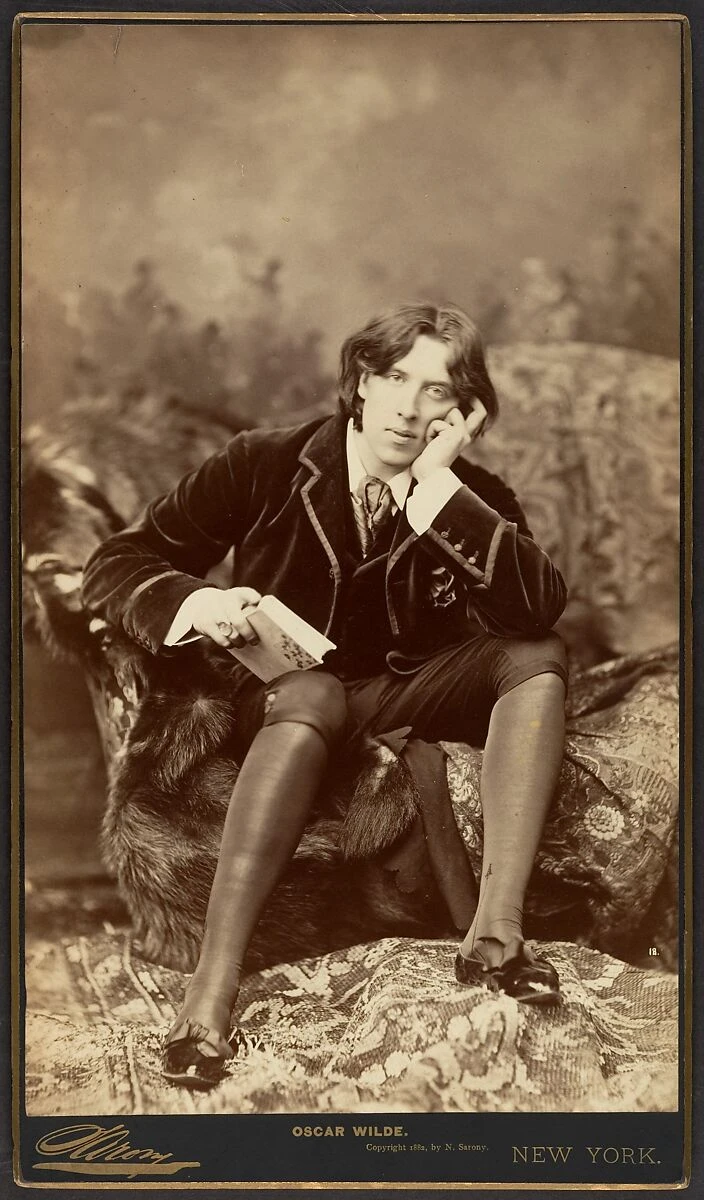
1854–1900
Oscar Wilde
Irish playwright, novelist, poet, critic and editorOscar Wilde was an Irish writer whose fiction, criticism and comedies examined beauty, desire, social performance and judgement; his London career was broken by imprisonment in 1895.Read biography
1797–1851
Mary Shelley
Novelist, travel writer, biographer and literary editorMary Shelley was an English novelist whose Frankenstein joined imaginative science to questions of responsibility, education and exclusion; her career also encompassed historical fiction, travel and editing.Read biographyQuick answers
Common questions
- Was Dorian Gray first published in 1890 or 1891?
- It appeared in the July 1890 issue of Lippincott’s Monthly Magazine. The revised and expanded book, with its Preface, followed in 1891.
- Is the 1890 magazine text completely uncensored?
- No. Editorial changes had already been made before magazine publication. A modern uncensored edition may instead use an earlier typescript, so check its editorial basis.
- How many chapters are in each version?
- The magazine text has thirteen chapters and the book has twenty. The difference involves insertion, expansion and reorganisation, rather than seven chapters simply added at the end.
- Does Lord Henry speak for Wilde?
- His speeches are part of a fictional character’s performance. Read them against the actions, consequences and information the narrative gives other characters and readers.
Primary and institutional sources
How this history was checked
The Preface and selected passages from the thirteen- and twenty-chapter texts were read. The Morgan’s curatorial introduction was available through the search service’s cached full text after direct access failed; no claim is made to have read every manuscript page or the complete UCLA typescript. This article was reviewed on 23 October 2026.
- Oscar Wilde / Project GutenbergThe Picture of Dorian Gray: thirteen-chapter printed text
- Oscar Wilde / Project GutenbergThe Picture of Dorian Gray: twenty-chapter printed text and Preface
- The Morgan Library & Museum / Philip S. PalmerThe Picture of Dorian Gray: earliest surviving manuscript, Stoddart and revision
- British LibraryOscar Wilde’s The Picture of Dorian Gray: publication, art and ethics
- Historic EnglandCriminal Desires: historical context of Wilde’s prosecution
- The Metropolitan Museum of ArtOscar Wilde by Napoleon Sarony, 1882: exact public-domain photograph
- The Metropolitan Museum of ArtOpen Access: CC0 policy for public-domain collection images