The short answer
On 6 October 1976, police and armed right-wing groups attacked students and civilians inside Thammasat University. Killings, abuse and mass arrests were followed the same day by a military coup that closed the democratic opening begun in 1973. The record remains contested because official figures, recovered names and contemporary estimates use different boundaries.
Chronology
A timeline of the turning points
A popular uprising ends Thanom’s military government
Student-led mobilisation forced Thanom Kittikachorn, Praphas Charusathien and Narong Kittikachorn from power and opened competitive politics.
Political participation and polarisation expand
Students, workers and farmers organised openly while anti-communist groups, right-wing media and security-linked networks mobilised against the left.
Communist victories reshape regional fear
The fall of governments in Cambodia, South Vietnam and Laos intensified elite and public anxiety about revolutionary change inside Thailand.
Thanom returns to Thailand as a monk
The former military ruler entered the monkhood at Wat Bowonniwet, triggering renewed demonstrations against restoration of the old order.
Two anti-Thanom activists are found hanged
Chumporn Thummai and Vichai Ketsripongsa were killed in Nakhon Pathom after putting up protest posters; police officers were later charged.
Students stage a reenactment of the hangings
A performance at Thammasat was photographed and then represented by right-wing media as an insult to the crown prince, inflaming accusations of disloyalty.
Armed groups assemble around the campus
Police units, Village Scouts, Red Gaurs, Nawaphon activists and other right-wing participants gathered as students remained inside Thammasat.
The assault on Thammasat begins
Police and armed right-wing groups fired into the campus, breached its gates and subjected captured students and civilians to killings, beatings and abuse.
The military seizes power
The National Administrative Reform Council overthrew Seni Pramoj’s government, ended the democratic opening and imposed martial rule.
Thanin Kraivichien becomes prime minister
The new appointed government intensified anti-communist repression and proposed a long timetable before a return to elected politics.
An amnesty ends the defendants’ trial
Eighteen detained students and activists were released, but the amnesty also helped prevent judicial determination of responsibility for the massacre.
What changed after the October 1973 uprising?
The fall of Thanom Kittikachorn’s government opened an unusually competitive period. A new constitution, elections, labour organising, farmer associations, student activism and a freer press brought social conflicts into public politics. Sanya Dharmasakti led the initial transition, and later Seni Pramoj and Kukrit Pramoj headed unstable elected coalitions.
Participation did not produce a settled democratic order. Governments were fragmented, strikes and land disputes increased, and political violence targeted farmer leaders, workers and activists. Conservative officials and organisations described the student left as a communist threat, while parts of the left treated parliamentary compromise as inadequate. The result was a widening field of activism accompanied by organised fear and violence.
Why did anti-communism become so powerful?
Cold War security policy had long linked the Thai military, police, monarchy, bureaucracy and United States alliance against communist insurgency. In 1975, communist victories in Cambodia, South Vietnam and Laos made regional revolution feel immediate. Thailand was also closing American bases and debating a more independent foreign policy, unsettling groups invested in the older order.
Village Scouts, Red Gaur vocational groups and the Nawaphon movement expanded right-wing mobilisation. They were not one organisation, but each helped create a political environment in which student, labour and farmer campaigns could be cast as attacks on nation, religion and monarchy. Radio stations and newspapers repeated accusations that made violent action appear defensive rather than aggressive.
How did Thanom’s return produce the final crisis?
Thanom returned from exile on 19 September 1976 and entered the monkhood at Wat Bowonniwet. Supporters described his return as religious and personal; student groups saw it as a test of whether the military rulers removed in 1973 could regain authority. Demonstrations resumed at Thammasat University and Sanam Luang.
Five days later, two workers putting up anti-Thanom posters were beaten and hanged in Nakhon Pathom. Students reenacted the killings on 4 October to demand justice. A photograph of the performance was altered or selectively presented in right-wing media as resembling the crown prince, and broadcasters accused the students of lèse-majesté. The charge transformed a protest about two murders into an alleged attack on the monarchy and accelerated armed mobilisation around the campus.
What happened at Thammasat on 6 October?
Before dawn, police and armed right-wing groups began firing into the university. Border Patrol Police and other units used military weapons while students tried to shelter or escape across the Chao Phraya River. After the gates were breached, captured people were beaten, stripped, dragged and abused. Photographs documented bodies hanged from trees, mutilated or burned while onlookers gathered.
The official autopsy material recorded forty-six deaths across the confrontation, including five state personnel or people on the encircling side. The Documentation of Oct 6 project identifies forty students and civilians killed in the assault or from resulting injuries after correcting the historical list. Other contemporary witnesses, including Puey Ungphakorn, believed the true total was higher. At least 167 people were injured and more than three thousand were arrested, so a responsible account states which counting method it uses rather than presenting one number as undisputed.
How were the massacre and coup connected?
The violence did not simply precede an unrelated change of government. That afternoon, the National Administrative Reform Council seized power, abolished the constitution and removed Seni Pramoj’s cabinet. The coup leaders justified intervention as a response to disorder and alleged communist danger, using the morning’s crisis to close the political system opened in 1973.
Thanin Kraivichien became appointed prime minister two days later. His government restricted political activity, censored publication and intensified anti-left repression. Thousands of students and activists left cities for areas controlled by the Communist Party of Thailand. A second coup removed Thanin on 20 October 1977, and Kriangsak Chamanan later pursued a more conciliatory route, but the democratic experiment had already been violently broken.
Why has accountability remained unresolved?
Authorities prosecuted detained students and activists rather than the people photographed committing violence. An amnesty in 1978 released eighteen defendants and ended their trial, but it also closed the principal legal process before evidence about organisers and perpetrators could be fully tested. No senior official or militia leader was convicted for the massacre.
Public remembrance remained constrained for years. Survivors, families, scholars and Thammasat University gradually built archives, memorials and annual ceremonies. The Documentation of Oct 6 project has recovered names, autopsy documents, photographs and testimony while distinguishing evidence from later rumour. This continuing work makes the massacre not only a story of 1976 but also a case study in how silence, amnesty and incomplete records shape national memory.
Continue the chronology
Related history guides
The 1974 Constitution of Thailand
Start with the constitutional order that the violence and coup of 6 October destroyed.
Read the timeline26 January 1975The 1975 Thai General Election
See how the elected opening produced Seni and Kukrit governments before its violent closure.
Read the timeline4 April 1976The 1976 Thai General Election
Examine the elected House and broad Seni coalition that remained in office until the crisis.
Read the timeline19 September 1976Thanom’s Return to Thailand
Trace the immediate political and protest sequence that preceded the massacre.
Read the timeline6–14 October 1973The Thai Popular Uprising
Understand the mass movement and democratic opening that preceded the massacre.
Read the timeline20 October 1977The 1977 Thai Coup
Follow the removal of the appointed Thanin government and Kriangsak’s route back to elections.
Read the timeline17–20 May 1992Black May 1992
Compare a later confrontation over military succession, mass protest and state violence.
Read the timeline1851–todayThailand History Timeline
Place 1976 inside the longer history of constitutional rupture and civic mobilisation.
Read the timeline1932–todayThai Political Turning Points
Compare the political leaders, institutions and reformers connected to the crisis.
Read the timelineConnected biographies
Nine biographies connecting the democratic opening, elected coalitions, coup government, university, conservative politics and monarchy
 Thailand · Politics
1911—2004
Thanom Kittikachorn
Military officer and prime minister of ThailandA field marshal whose governments deepened Thailand’s Cold War alliance and whose self-coup and continued military rule provoked the mass movement of October 1973.Read biography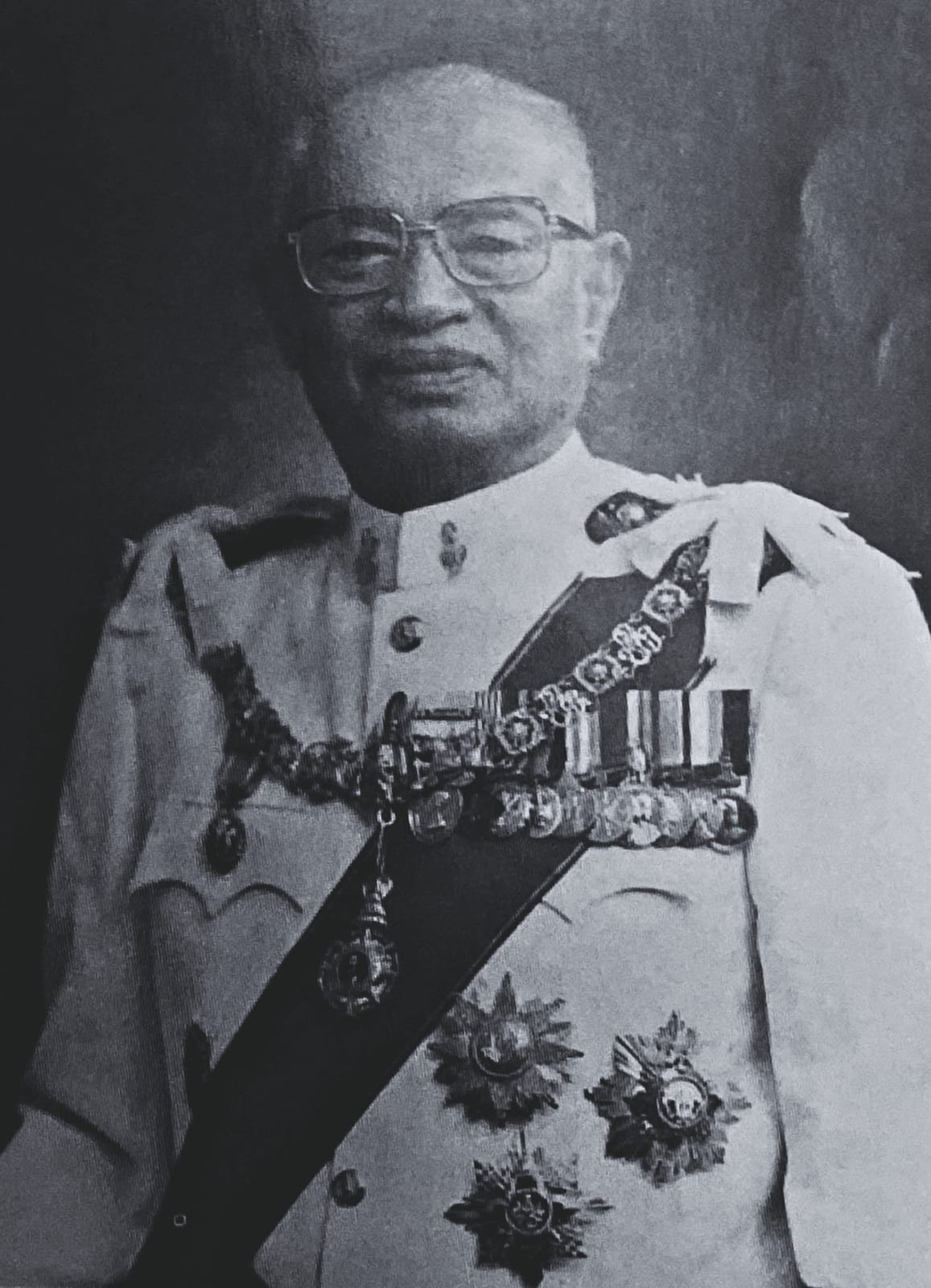 Thailand · Politics
1907—2002
Sanya Dharmasakti
Jurist, university rector and former prime ministerThe jurist and Thammasat rector appointed prime minister after military rule collapsed in October 1973, who oversaw a new constitution and return to elections.Read biography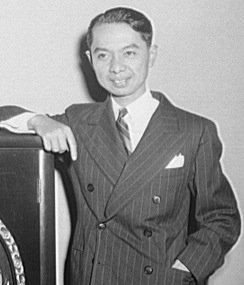 Thailand · Politics
1905—1997
Seni Pramoj
6th Prime Minister of Thailand and Free Thai diplomatThe lawyer and wartime diplomat who refused to deliver Thailand’s declaration of war to Washington, organised Free Thai resistance abroad and later led three governments.Read biography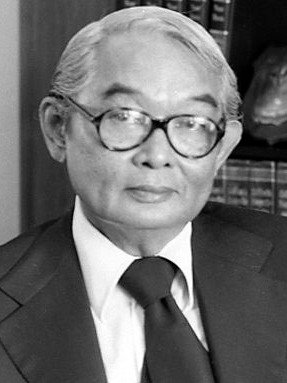 Thailand · Politics
1911—1995
Kukrit Pramoj
13th Prime Minister of Thailand and writerThe writer, newspaper founder and Social Action Party leader who assembled Thailand’s fragmented 1975 coalition and became its thirteenth prime minister.Read biography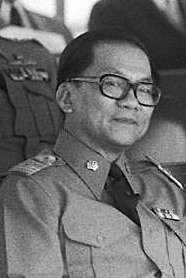 Thailand · Politics
1927—2025
Thanin Kraivichien
14th Prime Minister of Thailand and judgeThe judge and law professor appointed prime minister after the 1976 coup, whose hard-line anti-communist government was removed by another military takeover a year later.Read biography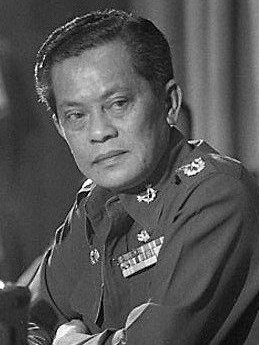 Thailand · Politics
1917—2003
Kriangsak Chamanan
15th Prime Minister of Thailand and military officerThe general who emerged from the October 1977 coup, relaxed parts of Thanin-era repression, restored an elected House and governed during the Indochina refugee crisis.Read biography Thailand · Politics
1916—1999
Puey Ungphakorn
Economist, central banker and university rectorAn economist, wartime Free Thai volunteer and long-serving central-bank governor who linked economic management, education and public responsibility.Read biography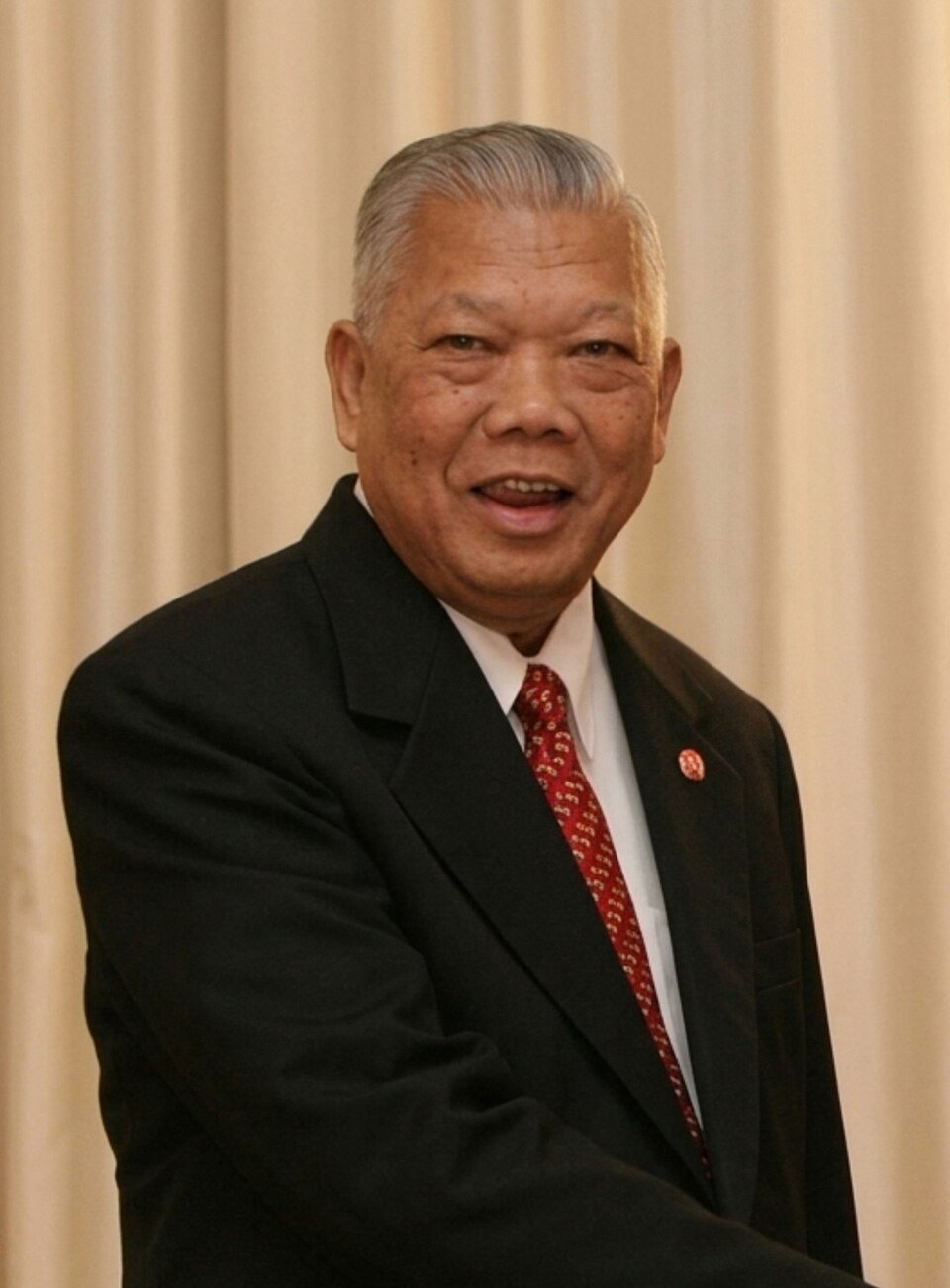 Thailand · Politics
1935—2009
Samak Sundaravej
25th Prime Minister of Thailand, January–September 2008The combative veteran politician, Bangkok governor and television cook who led the first elected government after the 2006 coup before a court ended his premiership.Read biography Thailand · Politics
1927—2016
Bhumibol Adulyadej
King of Thailand, 1946–2016Thailand’s longest-reigning monarch, whose seven decades on the throne spanned rapid development, repeated political crises and profound social change.Read biographyQuick answers
Common questions
- What caused the 6 October 1976 massacre?
- The immediate crisis followed Thanom Kittikachorn’s return and false or inflammatory claims about a student reenactment. Deeper causes included Cold War anti-communism, right-wing mobilisation, political violence and resistance to the democratic opening after 1973.
- How many people died at Thammasat on 6 October?
- Official autopsy material recorded 46 deaths across the confrontation. The Documentation of Oct 6 project identifies 40 students and civilians killed in the assault or from resulting injuries; contemporary estimates were higher.
- Who attacked Thammasat University?
- Police units, including Border Patrol Police, and armed right-wing groups participated. Village Scouts, Red Gaurs, Nawaphon activists and other civilians were present around or inside the campus, with roles that varied by group and individual.
- Why were students accused of insulting the monarchy?
- A photograph of a student play reenacting the hanging of two murdered workers was represented as resembling the crown prince. Right-wing media used that claim to accuse the movement of lèse-majesté and mobilise hostility.
- Was there a coup on 6 October 1976?
- Yes. The National Administrative Reform Council overthrew the elected government that afternoon, repealed the constitution and installed an appointed government led by Thanin Kraivichien.
- Was anyone convicted for the massacre?
- No senior official or right-wing organiser was convicted. A 1978 amnesty freed detained student defendants but also ended the central trial before responsibility for the killings could be judicially established.
Primary and institutional sources
How this history was checked
Dates, legal milestones and historical claims are checked against the official and institutional records below. This article was reviewed on 3 October 2026.
- Documentation of Oct 6Forty identified victims of the 6 October 1976 violence
- Documentation of Oct 6The Hidden Transcript of Amnesty
- Puey UngphakornViolence and the Military Coup in Thailand
- University of Hawaiʻi PressMoments of Silence: The Unforgetting of the October 6, 1976, Massacre in Bangkok
- Thammasat UniversityMonuments and heritage landscapes at Thammasat University
- Wikimedia CommonsPuey Ungphakorn memorial portrait and licence record