
The short answer
The 8888 Uprising transformed local student anger into a nationwide demand for the end of one-party rule. It removed the old socialist leadership and created a mass democracy movement, but the army’s September takeover replaced one military-backed order with another.
Chronology
A timeline of the turning points
Banknotes demonetised
The cancellation of currency without adequate compensation erased savings and intensified public anger.
Student protests spread
A teashop dispute and police violence developed into demonstrations against the political system.
Ne Win resigned as party chair
He left the BSPP leadership while warning that the army would shoot if unrest continued.
Nationwide strike and demonstrations
The date 8-8-88 gave the movement its enduring name.
Sein Lwin resigned
The president left office after a violent response failed to end protest.
Aung San Suu Kyi addressed the movement
Her Shwedagon Pagoda speech made her a leading national opposition figure.
SLORC seized power
The armed forces imposed martial law and used lethal force to clear the streets.
NLD founded
Opposition leaders formed the National League for Democracy.
What caused the 1988 uprising?
The Burmese Way to Socialism had produced shortages, black markets and declining confidence in the state. A 1987 demonetisation wiped out savings, with especially severe consequences for students who had stored money for fees and living costs.
In March 1988, a teashop dispute involving students developed into protest after police intervention and deaths. Campus grievances merged with much wider anger about authoritarian rule, economic decline and the absence of lawful political change.
Why is it called the 8888 Uprising?
Activists called a nationwide general strike for 8 August 1988—8-8-88. Students, monks, workers, civil servants and residents joined demonstrations across Rangoon, Mandalay and many other towns.
The memorable date became shorthand for a movement that lasted far longer than one day. Security forces opened fire, but protest and local organising continued through August and into September.
How did the political leadership change?
Ne Win resigned as BSPP chairman on 23 July. His successor Sein Lwin lasted only seventeen days as president amid outrage over killings. Maung Maung then became president and discussed elections, but the regime and opposition never agreed a transition.
On 26 August, Aung San Suu Kyi addressed a vast crowd at Shwedagon Pagoda and demanded democratic government. She and other opposition figures established the National League for Democracy after the military takeover.
How did the uprising end?
On 18 September, armed-forces chief Saw Maung announced the State Law and Order Restoration Council. Soldiers retook streets and public buildings with live fire, arrests and martial-law orders.
No exact national death toll has been established. Human Rights Watch cites at least 3,000 killed, while contemporary and later estimates vary widely. The uncertainty is part of the history: the state did not conduct a transparent accounting of the crackdown.
Did 1988 bring democracy?
The uprising ended the BSPP and its formal socialist programme, but not military domination. SLORC promised elections and permitted new parties; the NLD won a large majority of seats in 1990, yet the military did not transfer power.
The movement nevertheless created leaders, organisations, exile networks and a shared political memory that shaped later protest. Its immediate outcome was renewed military rule; its longer legacy was a national vocabulary of democratic resistance.
Continue the chronology
Related history guides
The 1962 Coup and Burmese Way to Socialism
Trace the political and economic order that produced the 1988 crisis.
Read the timeline1947—1948Panglong and Independence
Return to the parliamentary and federal promises of the founding period.
Read the timeline2010—2020Myanmar’s Democratic Transition
Follow the movement from opposition into parliament and elected government.
Read the timeline1990—2012The 1990 Election and Government in Exile
See how the uprising’s political movement won an election that the military refused to implement.
Read the timeline1988—2026National League for Democracy: History and Elections
Follow the party created after the uprising through four landmark victories, government and the post-coup crisis.
Read the timelineAugust—September 2007Myanmar’s Saffron Revolution
Follow the 88 Generation activists who returned to organise fuel-price protests nineteen years later.
Read the timeline2021—2026The 2021 Coup and Civil War
Compare the 1988 crackdown with resistance to the next military takeover.
Read the timeline1948—2026Myanmar Presidents and Heads of State
Place the 1988 abolition of the presidency inside the country’s full head-of-state chronology.
Read the timeline1948—2026Myanmar Prime Ministers
See how Maung Maung Kha and Tun Tin’s final socialist cabinets fit the complete succession.
Read the timelineConnected biographies
Fourteen lives connecting socialist rule, mass opposition, the 1990 election and the Saffron generation
c. 1910—2002
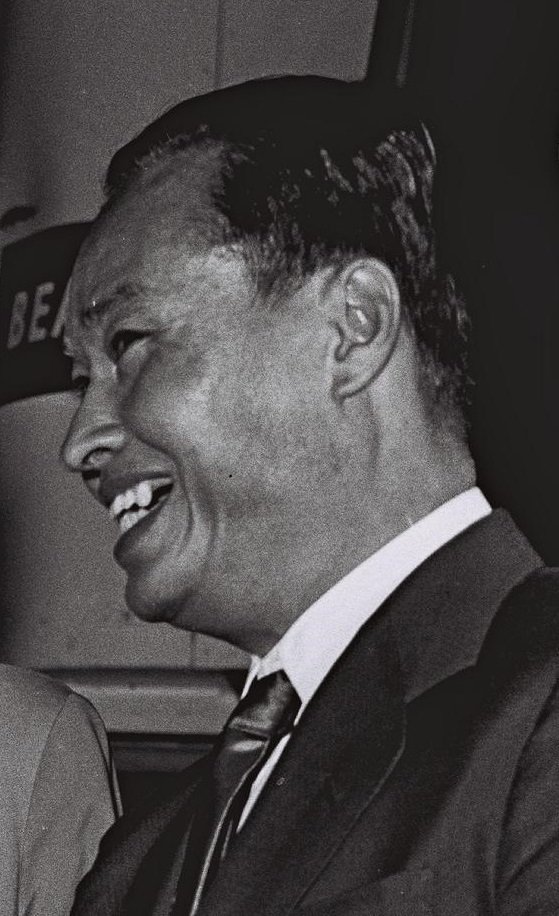
Ne Win
Military ruler of Burma from 1962 to 1988The general who overthrew U Nu, nationalised much of the economy and built a one-party military state that lasted until the 1988 uprising.Read biography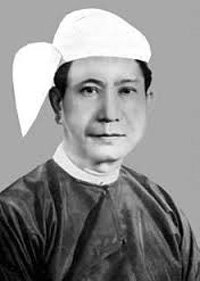
1918—1996
San Yu
General and fifth president of BurmaThe wartime independence soldier and senior general who succeeded Ne Win as president inside Burma’s one-party socialist state.Read biography
1924—2004
Sein Lwin
General and sixth president of BurmaNe Win’s security enforcer who briefly led the party and state in 1988 before mass protest forced his resignation.Read biography1921—2006
Aye Ko
General, vice-president and acting president of BurmaThe former army chief and BSPP vice-president who briefly kept the constitutional office functioning during the collapse of one-party rule.Read biography1925—1994
Maung Maung
Jurist, writer and seventh president of BurmaThe civilian legal scholar who helped shape Burma’s socialist constitutional order and became its final president before the September 1988 coup.Read biography1920—1995
Maung Maung Kha
Prime minister of Burma from 1977 to 1988The former army officer and industrial administrator who served eleven years as prime minister before the economic and political crisis of 1988.Read biography1920—2020
Tun Tin
Final prime minister of Burma’s one-party socialist stateThe independence activist, army officer and finance minister who became prime minister during the last eight weeks of the 1974 constitutional order.Read biography1928—1997
Saw Maung
Military ruler and prime minister of Myanmar from 1988 to 1992The army commander who seized power during the 1988 uprising, promised multiparty elections and retained military rule after the opposition won them.Read biography
1945—
Aung San Suu Kyi
Nobel laureate, NLD leader and former state counsellor of MyanmarThe opposition leader who spent about fifteen years in detention, won a parliamentary seat in 2012 and later led Myanmar’s civilian government through the office of state counsellor.Read biography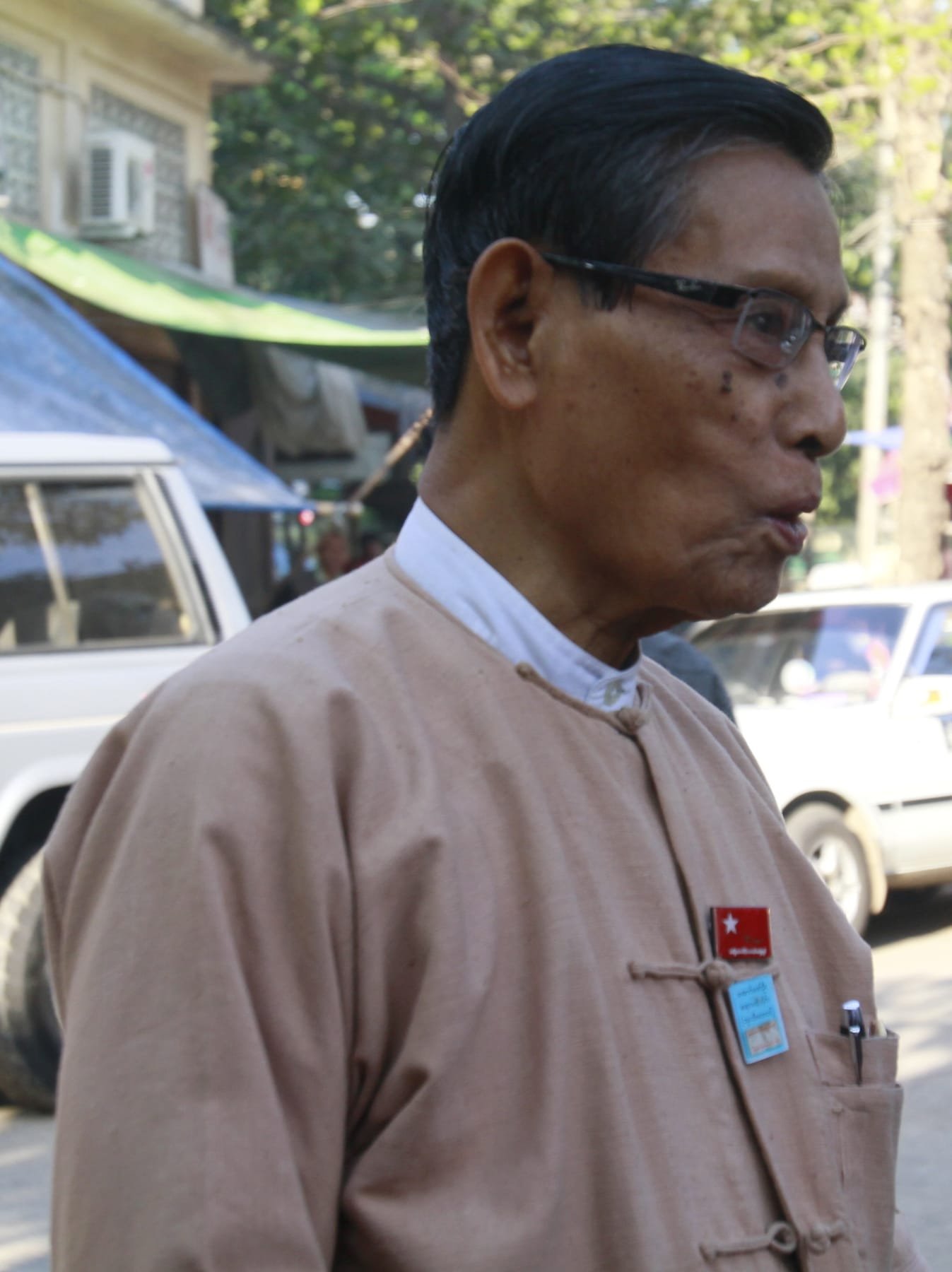
1927—2024
Tin Oo
Former army commander and co-founder of the National League for DemocracyThe former commander-in-chief who was purged by Ne Win, imprisoned and later helped found the NLD after the 1988 uprising.Read biography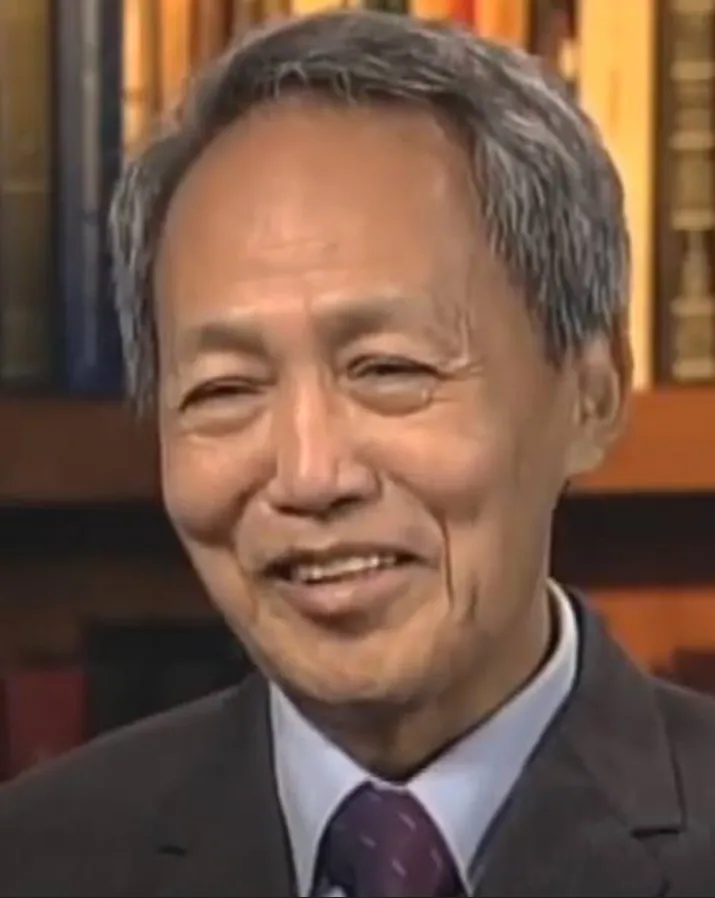
1943—2026
Dr Sein Win
Prime minister of Burma’s government in exile from 1990 to 2012The mathematician, elected parliamentarian and cousin of Aung San Suu Kyi who led the NCGUB government in exile for twenty-two years.Read biography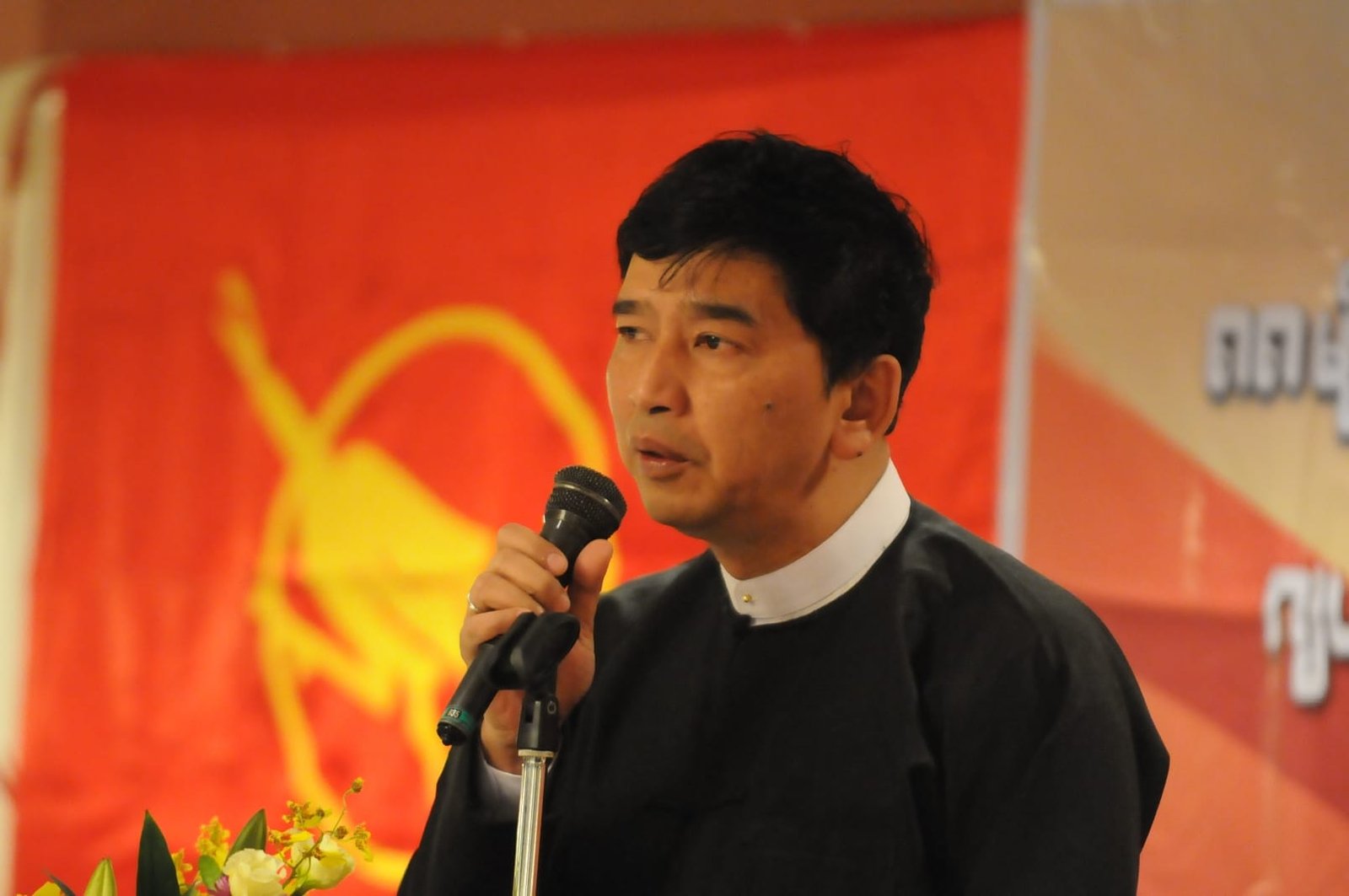
1962—
Min Ko Naing
Student leader and veteran democracy activistThe student organiser whose adopted name means “conqueror of kings” and whose repeated imprisonment made him a symbol of Burma’s 88 Generation.Read biography1969—2022
Kyaw Min Yu (Ko Jimmy)
Writer, 88 Generation activist and political prisonerThe writer and veteran student activist who spent much of his adult life in prison before Myanmar’s military executed him in 2022.Read biography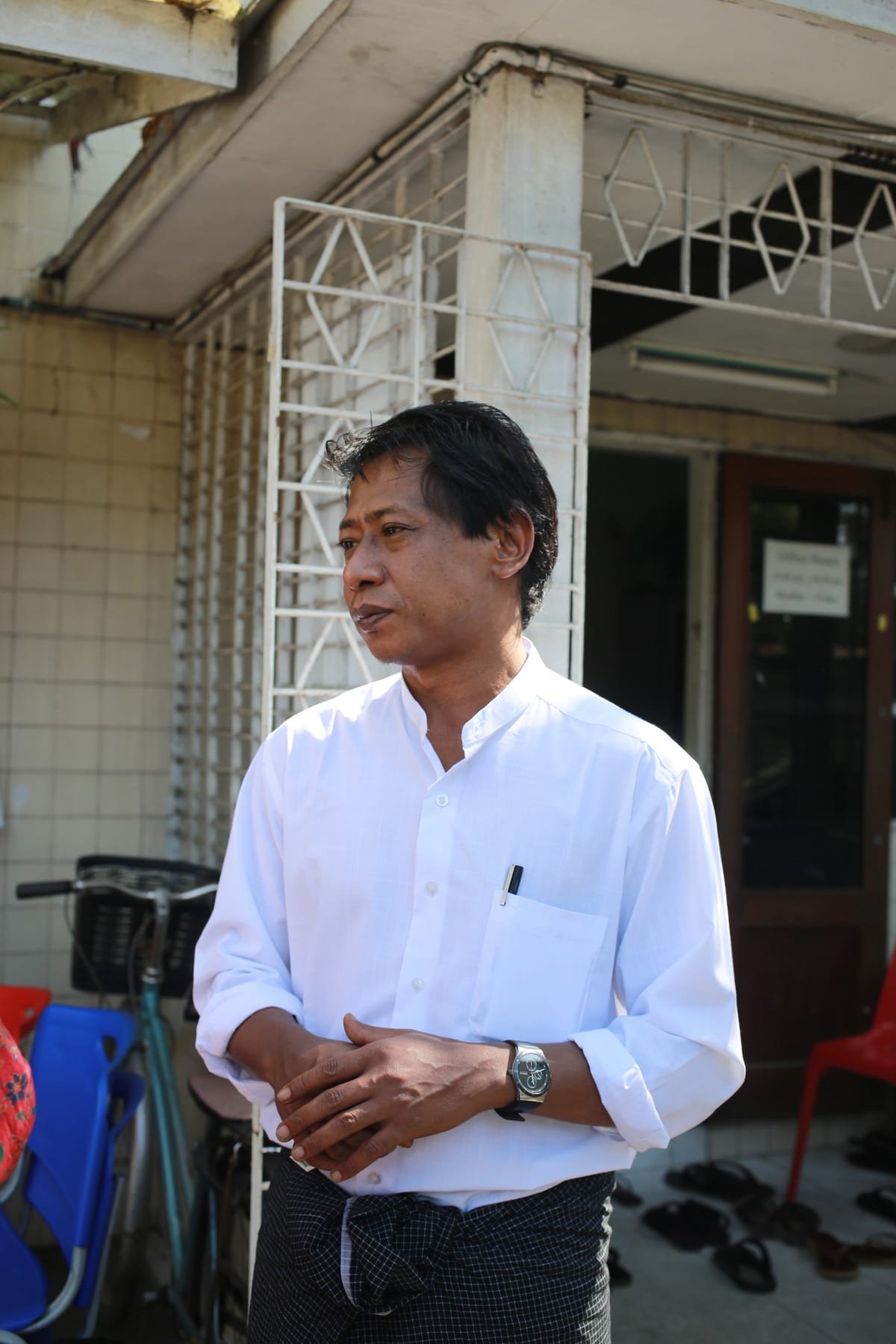
1968—
Htay Kywe
88 Generation student leader and democracy activistThe student organiser whose activism connected the 1988 uprising to the opening phase of the Saffron Revolution nineteen years later.Read biographyQuick answers
Common questions
- What does 8888 mean in Myanmar history?
- It refers to 8 August 1988, the date of a nationwide strike and mass demonstrations against one-party military-backed rule.
- Who participated in the 8888 Uprising?
- Students played a leading role, joined by workers, civil servants, Buddhist monks and residents across many cities and towns.
- How many people died in the 1988 crackdown?
- No definitive count exists. Human Rights Watch cites at least 3,000 killed, while estimates vary because there was no transparent national investigation.
- What was SLORC?
- The State Law and Order Restoration Council was the military body that seized power on 18 September 1988.
- What role did Aung San Suu Kyi play in 1988?
- She gave a major speech at Shwedagon Pagoda on 26 August and became a founding leader of the National League for Democracy.
Primary and institutional sources
How this history was checked
Dates, legal milestones and historical claims are checked against the official and institutional records below. This article was reviewed on 4 October 2026.
- Human Rights WatchThe criminalization of peaceful expression in Burma — 1988 uprising and repression
- Amnesty InternationalMyanmar: 1988 to 1998 — a chronology
- Cambridge University Press / ISEASThe 1988 Uprising in Myanmar: Historical Conjuncture or Praetorian Redux?
- U.S. Department of State archiveBackground Note: Burma