
The short answer
President Susilo Bambang Yudhoyono won Indonesia’s second direct presidential election in one round. His 60.80 per cent majority defeated a Megawati–Prabowo alliance and a separate bid by Vice President Jusuf Kalla, then survived challenges before the Constitutional Court.
Chronology
A timeline of the turning points
The Democratic Party leads the legislative vote
The president’s party became the largest national vote-winner, strengthening SBY’s coalition position before the presidential contest.
Three tickets are registered
SBY chose central-bank governor Boediono; Megawati partnered with Prabowo Subianto; Vice President Jusuf Kalla ran with Wiranto.
Indonesia holds its second direct presidential election
Voters returned the incumbent ticket with a national majority large enough to avoid a runoff.
KPU confirms SBY’s first-round victory
SBY–Boediono received 73,874,562 votes, or 60.80 per cent, ahead of Megawati–Prabowo and Kalla–Wiranto.
Both losing tickets challenge the result
Petitions alleged voter-list, administrative and tabulation problems and asked the Constitutional Court to order corrective action.
The Constitutional Court rejects the petitions
The Court declined to overturn the result, leaving the KPU totals and one-round outcome in force.
SBY begins a second term
Yudhoyono and Boediono were inaugurated after the first direct reelection of an Indonesian president.
Why was 2009 different from the first direct election?
The 2004 contest tested whether direct presidential voting could work. By 2009 the rules were established and the central question was whether an elected incumbent could convert governing approval into a first-round majority.
Susilo Bambang Yudhoyono entered with high recognition, a record of macroeconomic stability, the Aceh peace agreement and social-assistance programmes. His Democratic Party’s improved legislative result gave him a stronger base, though coalition partners remained important in a fragmented parliament.
Why did the 2004 winning ticket split?
Vice President Jusuf Kalla became Golkar chair during the first SBY administration. In 2009 he sought the presidency in his own right and selected former armed-forces commander Wiranto as his running mate, ending the partnership that had won the 2004 runoff.
SBY instead chose Boediono, a central-bank governor and economist associated with technocratic policy rather than a major party organisation. The choice reinforced the president’s stability message but required party allies to accept a vice-presidential candidate without an independent electoral machine.
How did Megawati and Prabowo form a ticket?
Megawati Sukarnoputri returned for a third presidential contest and partnered with Prabowo Subianto, a former general, former son-in-law of Suharto and founder of Gerindra. Their agreement joined PDI-P’s established national structure to a new party and a vice-presidential candidate with greater campaign resources and public ambition.
The pairing was politically consequential beyond one election. Prabowo’s national profile grew, while later disagreements over the coalition’s commitments contributed to his decision to run for president against PDI-P’s candidate in 2014.
What were the official results?
SBY and Boediono won 73,874,562 votes, or 60.80 per cent of the valid total. Megawati and Prabowo received 32,548,105 votes, or 26.79 per cent. Kalla and Wiranto received 15,081,814, or 12.41 per cent.
The incumbent cleared both the nationwide majority and provincial-distribution requirements, so Indonesia did not need a second round. It remains the only direct presidential contest before 2024 in which an incumbent secured a second term with more than sixty per cent.
What did the Constitutional Court decide?
The losing tickets challenged aspects of the voter list, administration and tabulation. Their petitions reflected genuine public concern over duplicate, missing or inaccurate registrations, but a result dispute required proof connecting violations to the legal outcome.
On 12 August the Constitutional Court rejected the petitions. The judgment left SBY’s first-round majority intact and provided another accepted route for moving allegations from campaign claim to a final constitutional ruling.
What was the election’s longer legacy?
The result showed the electoral value of incumbency, personal approval and direct social programmes. It also demonstrated that a president could win a personal national mandate much larger than the vote of any single supporting party.
Megawati did not run again after 2009, while Prabowo converted a vice-presidential campaign into future presidential bids. Kalla later returned as Joko Widodo’s winning running mate in 2014. The losing tickets therefore helped form the personnel and rivalries of the next electoral cycle.
Continue the chronology
Related history guides
The 2004 Presidential Election
Return to the two-round election that first brought SBY and Jusuf Kalla to office.
Read the timeline9 July 2014The 2014 Presidential Election
Continue to the Jokowi–Prabowo contest that chose SBY’s successor.
Read the timelineFive election guidesIndonesian Presidential Elections
Compare candidate coalitions, official totals and court disputes across every direct contest.
Read the timelineEight biographiesIndonesian Presidents
Read the administrations and successions behind the national election sequence.
Read the timelineConnected biographies
Five central figures connecting the winning ticket to the rivalries of later elections
 Indonesia · Politics
1949—
Susilo Bambang Yudhoyono
Sixth President of IndonesiaThe retired general known as SBY who won Indonesia’s first direct presidential election and led the country from 2004 to 2014.Read biography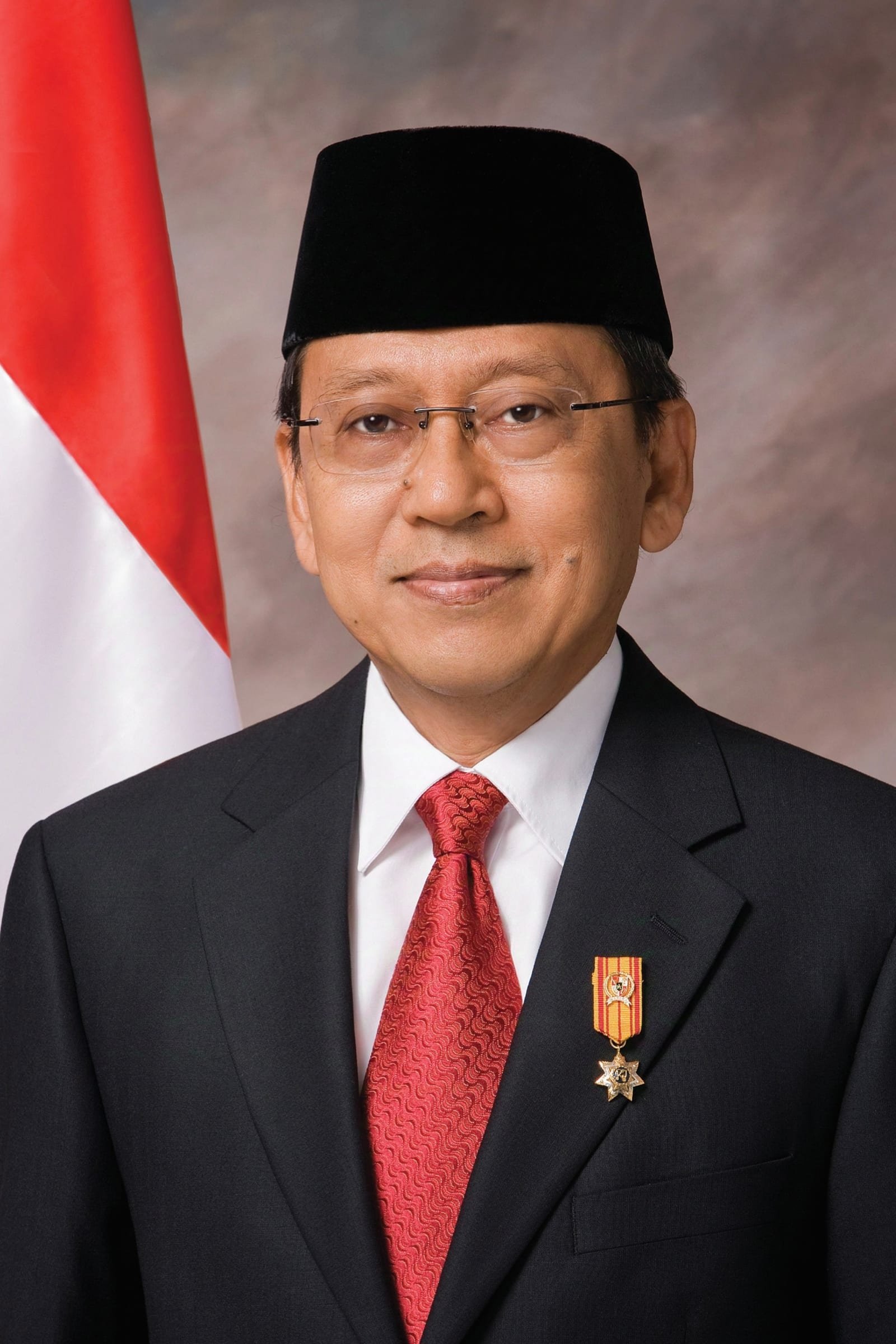 Indonesia · Politics
1943—
Boediono
11th Vice President of Indonesia and economistThe economist and policy technocrat who served as finance minister, coordinating economic minister, Bank Indonesia governor and vice president.Read biography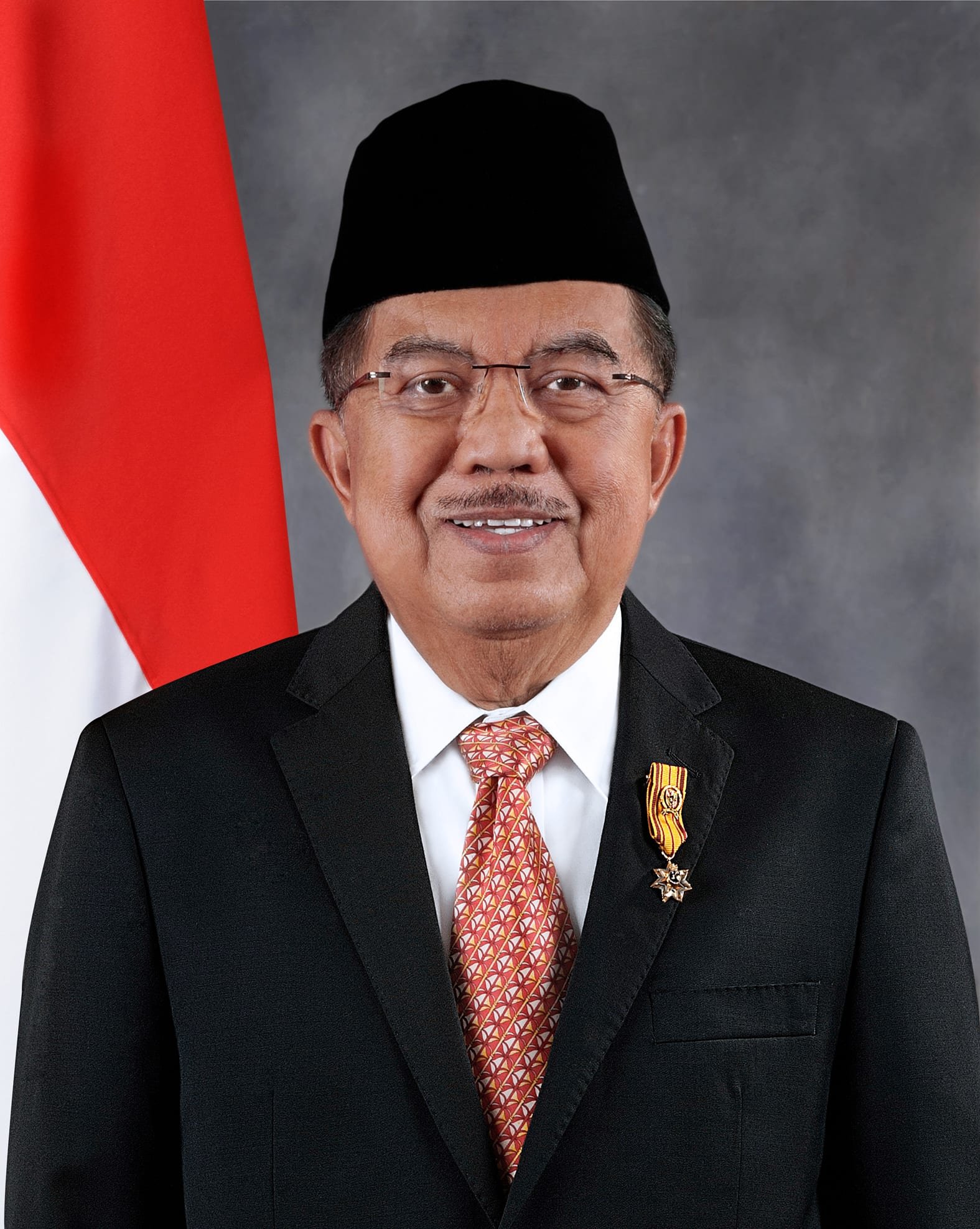 Indonesia · Politics
1942—
Jusuf Kalla
10th and 12th Vice President of IndonesiaThe businessman, Golkar leader and two-time vice president who helped negotiate peace processes from Maluku and Poso to Aceh.Read biography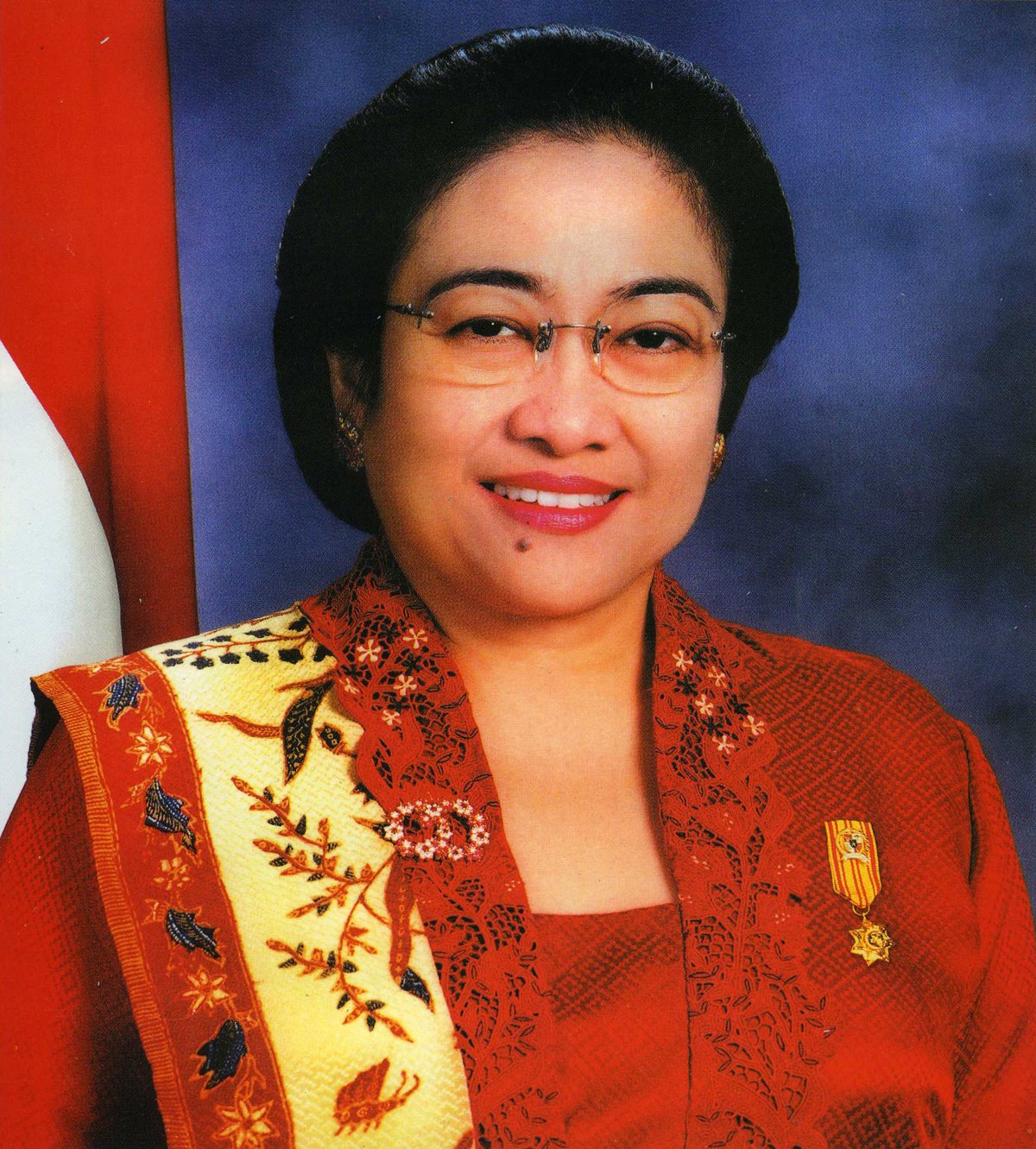 Indonesia · Politics
1947—
Megawati Sukarnoputri
Former president of Indonesia and chair of PDI-PIndonesia’s first woman president, an opposition symbol under Suharto and the PDI-P chair who remains central to post-Reformasi politics.Read biography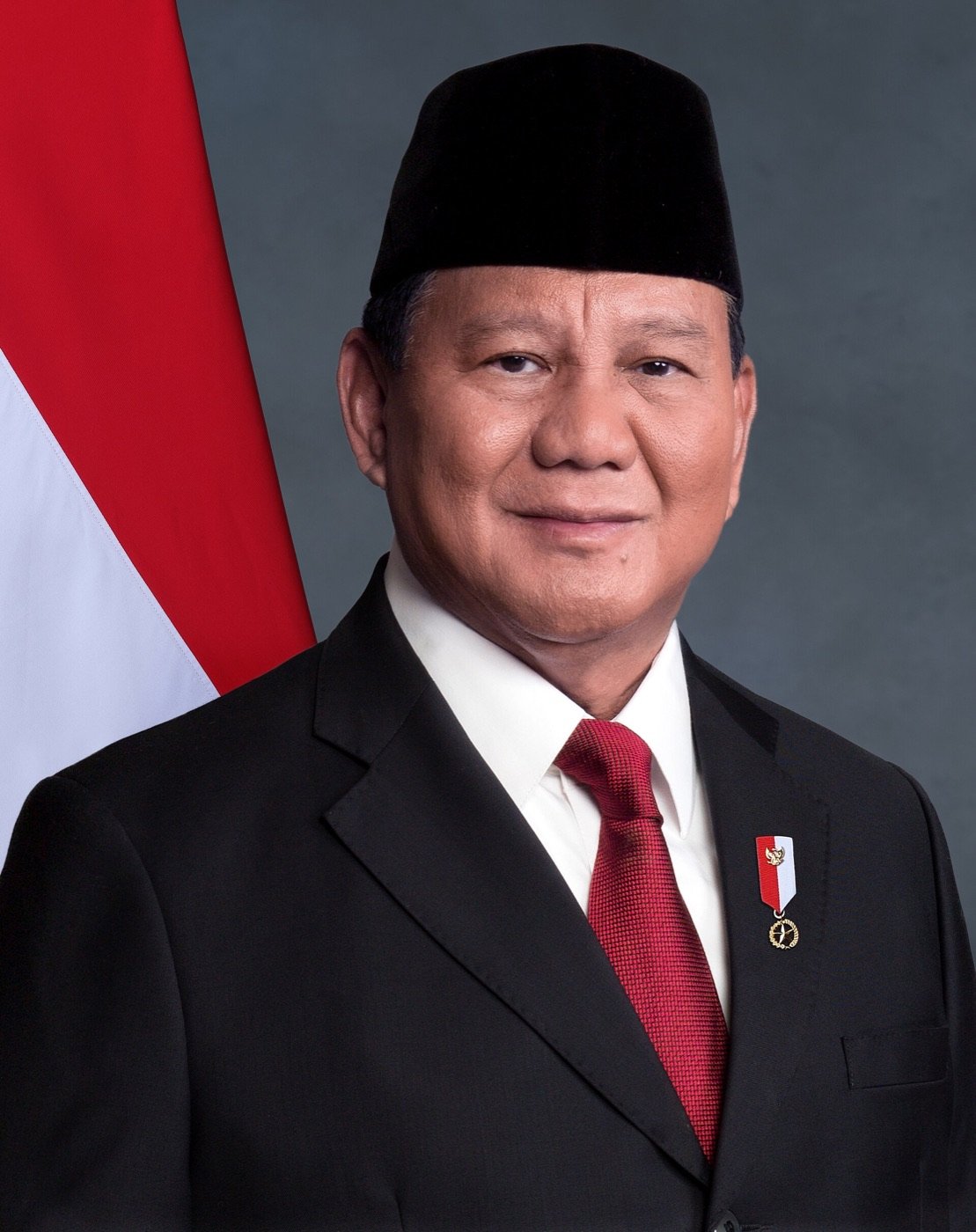 Indonesia · Politics
1951—
Prabowo Subianto
Eighth President of IndonesiaThe former special-forces commander and defence minister who won Indonesia’s 2024 election and became its eighth president.Read biographyQuick answers
Common questions
- Who won Indonesia’s 2009 presidential election?
- Incumbent president Susilo Bambang Yudhoyono and Boediono won 73,874,562 votes, or 60.80 per cent.
- Was there a second round in 2009?
- No. SBY–Boediono won a national majority and satisfied the geographic distribution rule in the first round.
- Who ran against SBY in 2009?
- Megawati Sukarnoputri ran with Prabowo Subianto, while incumbent vice president Jusuf Kalla ran with Wiranto.
- Did the court overturn the 2009 result?
- No. The Constitutional Court rejected challenges from both losing tickets on 12 August 2009.
Primary and institutional sources
How this history was checked
Dates, legal milestones and historical claims are checked against the official and institutional records below. This article was reviewed on 3 October 2026.
- General Elections Commission of IndonesiaPemilu 2009 dalam Angka
- General Elections Commission of IndonesiaReform-era election history and the 2009 presidential result
- Constitutional Court of the Republic of IndonesiaDecision on the 2009 presidential election disputes
- General Elections Commission of IndonesiaIndonesia’s electoral system from 2004 to 2019
- National Archives of the Republic of IndonesiaPresidenpedia: Susilo Bambang Yudhoyono