
The short answer
The central question in 1944 was whether men compelled to serve in Canada should be sent overseas. King had promised not to impose that obligation. A 1942 plebiscite released his government from the pledge, but the decisive order came only after a reinforcement crisis and cabinet confrontation in late 1944.
Chronology
A timeline of the turning points
Promise and mobilization
The government distinguishes voluntary overseas service from compulsory home defence.
Plebiscite
A national Yes majority contrasts with a No majority in Quebec.
Reinforcement shortage
Infantry losses in Italy and north-west Europe intensify pressure for overseas conscripts.
Cabinet crisis and reversal
After ministerial conflict and a failed voluntary solution, the government authorizes 16,000 NRMA men for overseas service.
Deployment
Thousands reach Britain; a much smaller number reach front-line formations before the European war ends.
Compulsory home defence was not the original overseas obligation
The National Resources Mobilization Act of 1940 enabled compulsory service for home defence. Men recruited under that system were not initially required to serve overseas. Overseas service remained a separate commitment, supported by a large volunteer force.
This distinction created a practical and political boundary within the armed forces. A man could be under military orders in Canada without having accepted the obligation the government later sought to impose. Calling every NRMA conscript an overseas volunteer would erase the issue at the centre of the crisis.
The 1942 vote released a pledge rather than deploying troops
On 27 April 1942 voters were asked whether the government should be released from its previous commitments restricting compulsory overseas service. Elections Canada records a national majority in favour and a substantial majority against in Quebec, with 71.3 per cent turnout.
The result exposed a division rather than a single unqualified national view. It also did not itself put home-service men on ships. The plebiscite changed the government’s political room to act; the later cabinet decision and military deployment remained separate steps.
The reinforcement problem became acute in 1944
Heavy infantry casualties in the Italian and north-west European campaigns intensified pressure on the government. Defence minister James Ralston argued that overseas conscription was necessary. King resisted, concerned about the political rupture that another reversal could produce.
The issue was not simply whether Canada had any men in uniform. The services needed usable reinforcements for particular fighting formations at a particular stage of the war. Numbers available for home defence and numbers trained and available for those overseas requirements were not automatically interchangeable.
Changing ministers did not eliminate the shortage
King replaced Ralston with Andrew McNaughton in November 1944 and hoped renewed voluntary enlistment would provide an alternative. That effort did not resolve the immediate problem. Later that month the government authorized 16,000 NRMA conscripts for overseas service.
The sequence matters: the plebiscite preceded the order by more than two years, and the order followed both casualties and an unsuccessful attempt to avoid compulsion. Political calculation was part of the story, but so were ministerial disagreement and the operational timing of reinforcement needs.
Overseas, Britain and the front were different destinations
About 13,000 conscripts had reached Britain by early 1945, according to the War Museum’s chronology. Only a few thousand reached front-line formations before the war in Europe ended. An authorized contingent, an arrival in Britain and service at the front therefore produce different totals.
These distinctions prevent two misleading conclusions: that all 16,000 immediately fought, or that the decision had no effect because only a smaller number reached the front. Compulsion changed the legal obligation and the lives of the men concerned even where the war ended before a combat posting.
The memory of 1917 shaped the crisis without repeating it exactly
King’s attempt to postpone overseas conscription drew on the Liberal Party’s experience of the First World War split. In 1917 a new compulsory-service law, a Union coalition and wartime franchise changes had remade party competition. In 1944 the immediate dispute was over extending the overseas obligation of an already mobilized home-service group.
Both crises involved unequal regional support and arguments about national unity. Their laws, military circumstances and decision sequences differed. Treating the second as merely a copy of the first obscures the importance of the 1942 vote and the particular reinforcement pressures of 1944.
Continue the chronology
Related history guides
Biography context
Explore Canada through connected lives
Connected biographies
Two Liberal leaders and different wartime decisions
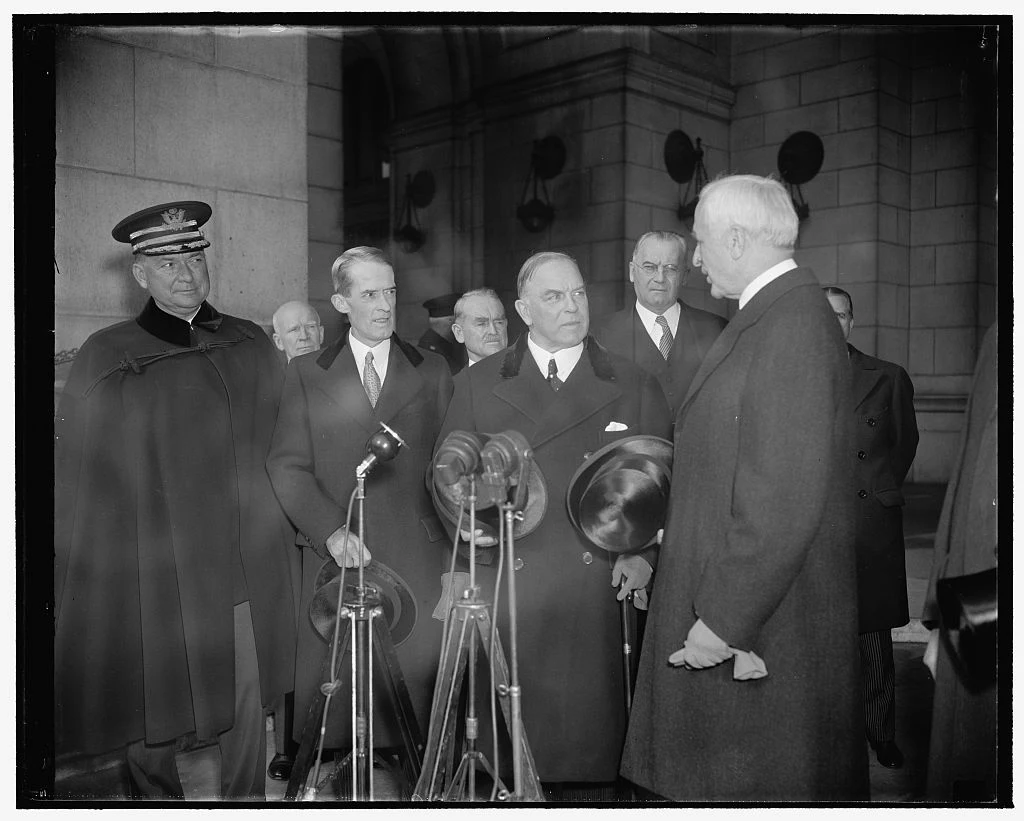
1874–1950
William Lyon Mackenzie King
Labour administrator, Liberal leader and prime minister of CanadaWilliam Lyon Mackenzie King was Canada’s longest-serving prime minister, holding office in three periods between 1921 and 1948. His governments developed federal social programmes and led Canada through the Second World War. His management of national unity coexisted with racial exclusion and the dispossession of Japanese Canadians.Read biography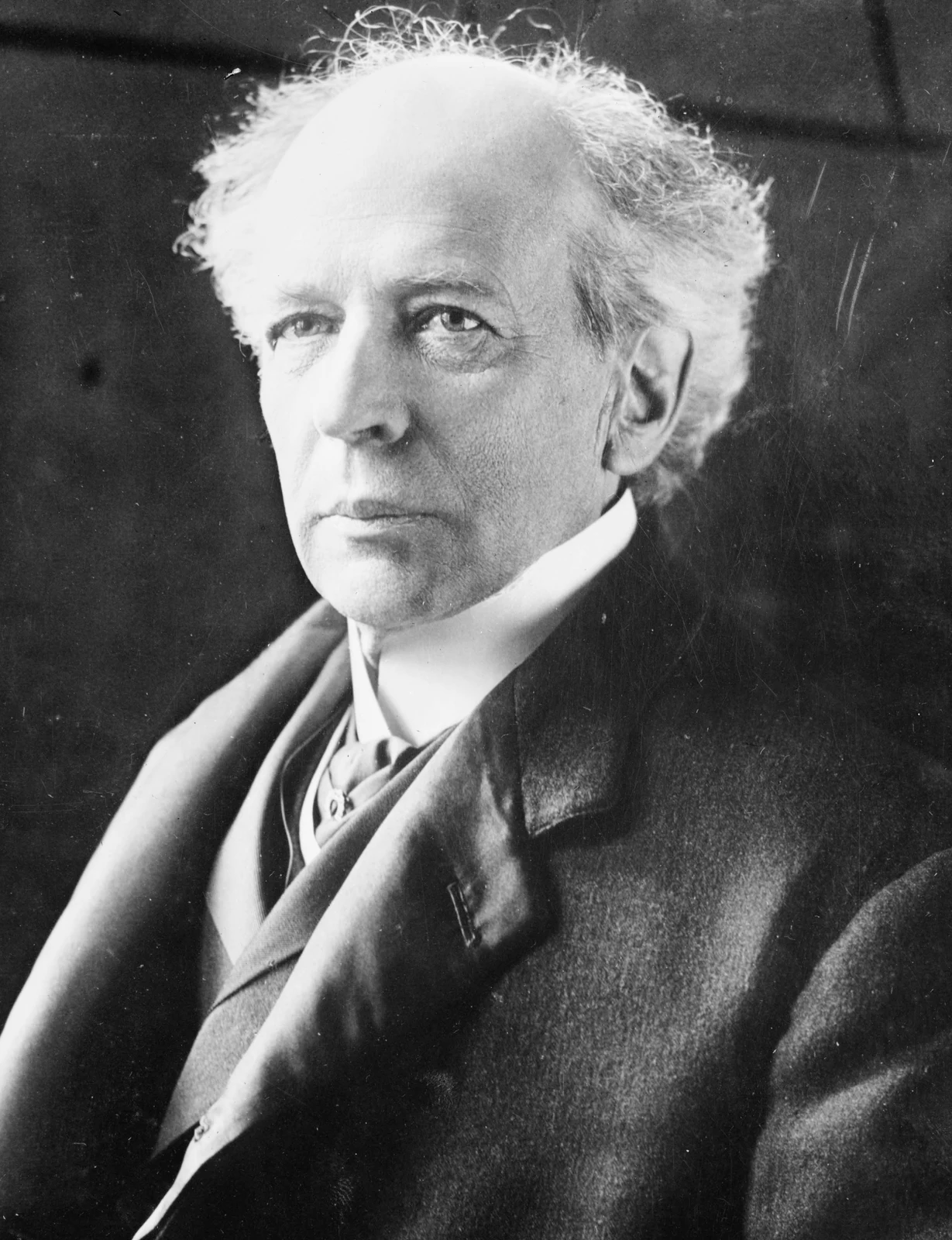
1841–1919
Wilfrid Laurier
Lawyer, Liberal leader and prime minister of CanadaWilfrid Laurier was Canada’s prime minister from 1896 to 1911 and Liberal leader from 1887 until his death in 1919. He sought accommodation between French- and English-speaking Canadians during economic expansion, imperial disputes and the conscription crisis. His governments also maintained discriminatory immigration and colonial institutions.Read biographyQuick answers
Common questions
- What was the NRMA?
- The National Resources Mobilization Act of 1940 enabled compulsory home-defence service. The original obligation was different from compulsory overseas service.
- Did Quebec vote Yes in 1942?
- No. Quebec voted predominantly No, while the country as a whole voted Yes to releasing the government from its earlier pledge.
- When did King authorize overseas conscription?
- In November 1944, after reinforcement pressure and cabinet conflict, not immediately after the 1942 plebiscite.
- Did all 16,000 authorized men fight at the front?
- No. The number authorized, the number reaching Britain and the smaller number reaching front-line formations are different measures.
Primary and institutional sources
How this history was checked
Elections Canada controls the plebiscite outcome and turnout; the War Museum’s conflicting percentage summary is not reproduced. The scholarly biography and archive distinguish the cabinet sequence and military stages. The photograph shows King’s 1938 Washington visit, not a 1944 cabinet meeting. This article was reviewed on 23 October 2026.
- Elections CanadaA History of the Vote in Canada, Chapter 3: modernization and the 1942 plebiscite
- Library and Archives Canada, archived digital collectionBiography of William Lyon Mackenzie King
- Dictionary of Canadian BiographyKing, William Lyon Mackenzie: indexed biographical passages
- Canadian War MuseumDemocracy at War: the conscription crisis
- Canadian War MuseumConscription, 1917
- Department of National DefenceCanadian Military Heritage, Volume III: wartime politics and the 1917 election
- Harris & Ewing Collection / Library of Congress / Wikimedia CommonsMackenzie King arrives in Washington, 17 November 1938, hec.25405
- Library of CongressHarris & Ewing Collection: rights and restrictions information