
The short answer
The famous transformation is only part of the story. Stevenson makes readers wait, misread and encounter competing kinds of testimony. The central revelation is discussed in the clearly marked spoiler section.
Chronology
A timeline of the turning points
Bournemouth writing
The story was composed during Stevenson’s years living in Bournemouth.
Publication
The short Gothic novel appeared and quickly found a wide readership.
Investigation before explanation
Utterson’s inquiries precede the final written narratives.
A familiar cultural shorthand
Adaptation and common usage made the central transformation widely known.
A short book, not merely a familiar formula
Strange Case of Dr Jekyll and Mr Hyde appeared in 1886, in the productive Bournemouth period that also brought other major fiction. The title promises a case, but the book does not begin as Jekyll’s autobiography. It begins among observers who find an unexplained relationship disturbing. That choice makes the experience of reading different from a plot summary that gives away the transformation immediately.
The British Library places the work in Gothic literature and describes its extraordinary afterlife as a modern myth. That familiarity can be an obstacle as well as an invitation. Read the order of disclosure, not just the central premise. The narrative asks what respectable friends imagine is happening before allowing them, or the reader, access to a more unsettling explanation.
Utterson’s investigation and the protection of reputation
Gabriel John Utterson is a lawyer, accustomed to documents, discretion and loyalty to old acquaintances. The opening account of Hyde trampling a child, followed by a troubling provision in Jekyll’s will, gives him reasons to investigate. Hyde’s later murder of Sir Danvers Carew escalates the danger. Utterson’s concern also involves reputation: possible damage to a friend’s name shapes what he is willing to ask, say and conclude.
This makes secrecy a social practice rather than merely a laboratory arrangement. Doors, respectable façades and professional relationships create boundaries between what can be seen and what remains concealed. Utterson is neither an all-knowing detective nor simply foolish. His habits are plausible within his world, and that plausibility makes their limitations more disturbing: the care taken to preserve someone’s standing can delay recognition of serious harm.
Spoilers: why the final documents change the case
Lanyon’s narrative and Jekyll’s statement reveal that Hyde and Jekyll are forms of the same person. The switch to first-person documents matters as much as the information. Evidence formerly encountered through suspicion becomes an account by a witness and then an explanation by a participant with powerful reasons to justify himself. These are different kinds of authority, not identical windows onto events.
Jekyll describes his wish to separate incompatible impulses, but admits that his ordinary self already contains both. His confidence in a simple division is therefore unstable from the start. A useful reading asks where confession becomes self-exculpation: does naming Hyde allow Jekyll to acknowledge responsibility, or to relocate it? The book’s architecture keeps that ethical question alive after the physical mystery has become familiar.
Divided identity without a retrospective diagnosis
The story explores public conduct, private desire, scientific ambition and moral responsibility. It is not a reliable description of a modern psychiatric condition. Neither the familiar phrase “split personality” nor a diagnosis imposed on a fictional character explains why the book places so much weight on wills, houses, friendship and reputation. Its imagined experiment belongs to the language and anxieties of its literary world.
For a second reading, trace changes in pronouns and the claims a narrator makes about knowledge. Notice when someone reports an observation, repeats a rumour or offers a theory. Compare the opening restraint with Jekyll’s expansive self-account. That approach preserves the story’s uncertainty without pretending the famous revelation is unknown, and makes its continuing interest larger than a single surprise ending.
Continue the chronology
Related history guides
Biography context
Explore United Kingdom through connected lives
Stevenson’s wider career
Connect the Gothic story with his essays, travel writing and Scottish and Pacific fiction.
Explore the biographiesPrimary readingThe story’s documents
Follow the opening, final documentary transition and Lanyon and Jekyll narratives in a public-domain transcription.
Explore the biographiesConnected biographies
Writers of divided perspectives
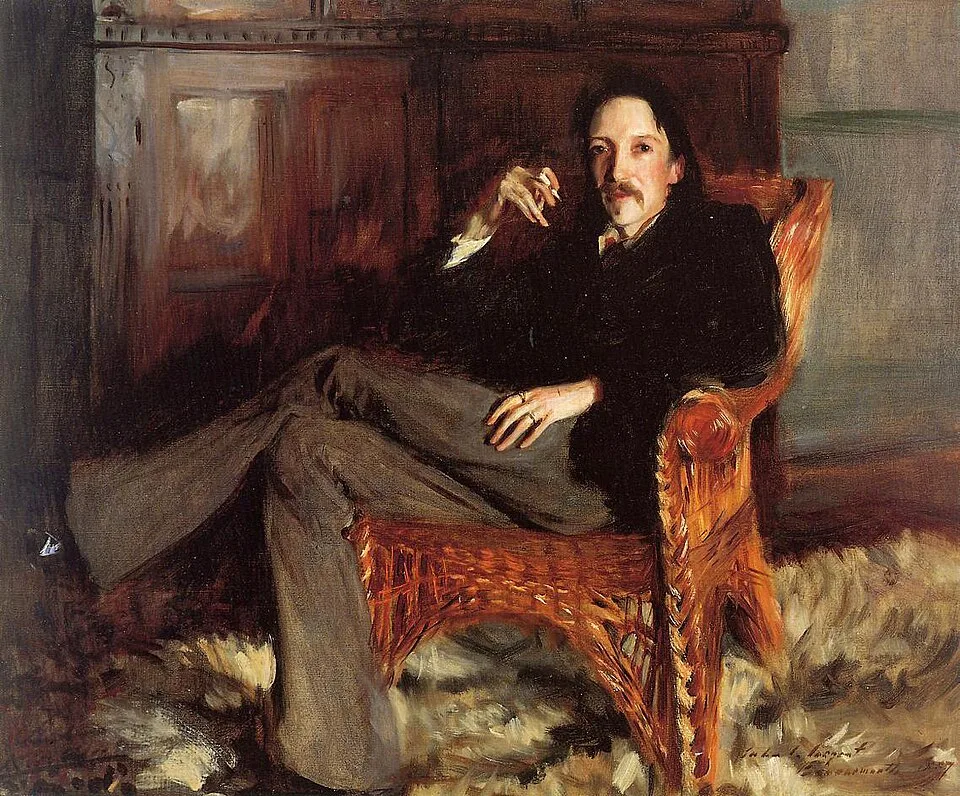
1850–1894
Robert Louis Stevenson
Novelist, essayist, poet and travel writerRobert Louis Stevenson was a Scottish writer whose adventures, Gothic fiction, essays and Pacific narratives tested how stories shape identity and moral judgement.Read biography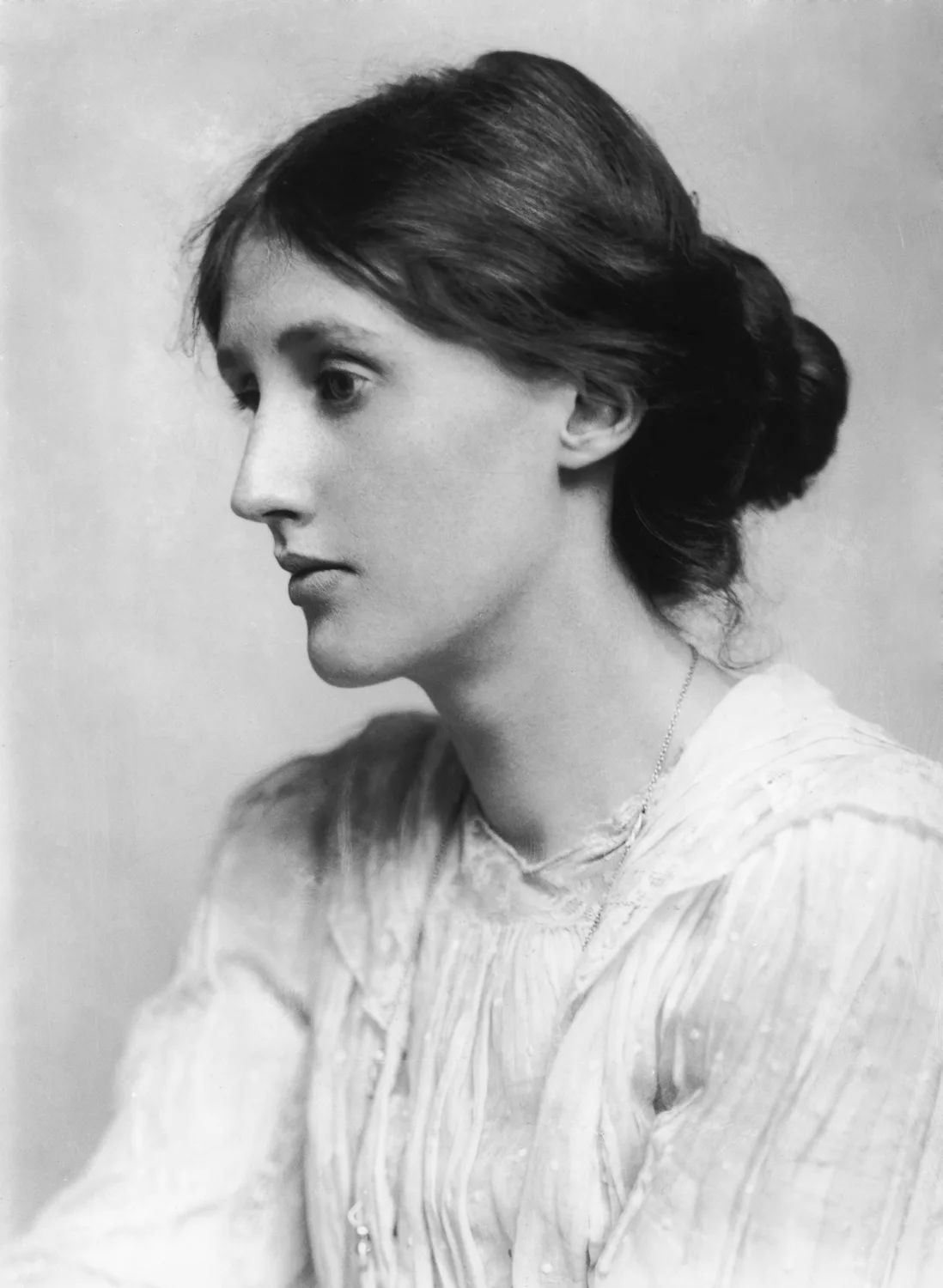
1882–1941
Virginia Woolf
Novelist, essayist, critic and publisherVirginia Woolf was an English novelist, critic and publisher whose experiments with consciousness and time changed modern fiction and feminist literary argument.Read biographyQuick answers
Common questions
- Who investigates the mystery?
- The lawyer Gabriel John Utterson pursues it through his friendships, documents and inquiries. He is not an omniscient narrator who understands everything from the start.
- Are Jekyll and Hyde separate people?
- Spoiler: they are different forms of the same person. The delayed discovery is central to the original story’s structure.
- Is the story a medical account of dissociative identity disorder?
- No. It is Gothic fiction using an imagined experiment to explore identity and responsibility; a modern diagnosis should not be treated as its explanation.
Primary and institutional sources
How this history was checked
The opening, the transition to the final documents and selected Lanyon/Jekyll passages were read alongside the British Library’s interpretation and publication history. This is a bounded textual reading, not a complete manuscript study, clinical account or survey of all adaptations. No passages are reproduced. This article was reviewed on 23 October 2026.
- Robert Louis Stevenson WebsiteLife and publications: selected biographical sections
- Robert Louis Stevenson WebsiteWorks chronology: first publication and early republication
- Robert Louis Stevenson WebsiteFamily: Fanny, Lloyd Osbourne and collaborative writing
- Robert Louis Stevenson Website / Richard DurySamoa and Vailima: residence, writing and political context
- National Library of New ZealandStevenson, Robert Louis, 1850–1894: Samoan political involvement
- Robert Louis Stevenson WebsiteThe first illustrations for Treasure Island: serial and book context
- Robert Louis Stevenson / Project GutenbergTreasure Island: contents and selected chapters in a later Louis Rhead-illustrated transcription
- Robert Louis Stevenson / Project GutenbergJekyll and Hyde: opening, documentary transition and selected final narratives
- British LibraryStrange Case of Dr Jekyll and Mr Hyde: publication, narrative and duality
- John Singer Sargent / Wikimedia CommonsExact 1887 portrait, creator, public-domain basis and file history
- Wikimedia CommonsRecord-supplied complete 960 × 796 preview