The short answer
The Rohingya crisis did not begin with one week of violence in 2017. It grew through repeated expulsions, a citizenship system that enabled statelessness, segregation after 2012 and military operations that forced roughly three-quarters of a million people into Bangladesh. This guide connects that history to today’s refugee population, renewed war in Rakhine State and the distinct ICJ, ICC and UN accountability processes.
Accountability map
The ICJ, ICC and IIMM perform different legal functions
These institutions are often collapsed into one “genocide case.” The ICJ decides disputes between states, the ICC can prosecute individuals where it has jurisdiction, and the IIMM preserves and analyses evidence for courts rather than issuing judgments itself.
| Institution | Legal question | Key action | Status on 4 October 2026 |
|---|---|---|---|
| International Court of Justice | Myanmar’s responsibility under the Genocide Convention | Provisional measures ordered in January 2020 | Merits hearings ended 29 January 2026; judges deliberating |
| International Criminal Court | Individual criminal responsibility within ICC jurisdiction | Prosecutor requested a warrant for Min Aung Hlaing in November 2024 | Warrant application pending before the Pre-Trial Chamber |
| Independent Investigative Mechanism for Myanmar | Evidence collection and case-file preparation | Shares evidence and analysis with competent proceedings | Active; supported the 2026 ICJ hearings and other investigations |
| UN Fact-Finding Mission | Independent findings and accountability recommendations | Reported in 2018–2019 and transferred evidence to the IIMM | Mandate completed; findings remain evidentiary, not a court judgment |
Chronology
A timeline of the turning points
Naga Min operation drives about 200,000 people into Bangladesh
A citizenship-registration campaign accompanied by violence and coercion produces the first modern mass exodus from northern Rakhine.
Burma enacts a new Citizenship Law
Tiered citizenship, documentary burdens and official power to recognise national groups deepen Rohingya exclusion and statelessness.
A second mass flight reaches Bangladesh
Military abuses and forced labour push roughly a quarter of a million Rohingya across the border.
Communal violence produces segregation and camps
More than 140,000 people are displaced, mostly Rohingya, and many remain confined with severe movement restrictions.
Attacks on border posts trigger military operations
A Rohingya armed group attacks security facilities; subsequent operations bring documented killings, sexual violence and displacement.
A reform report is followed by attacks and mass expulsion
The Rakhine Advisory Commission reports on structural causes; the next day ARSA attacks security posts and the military begins sweeping operations.
Roughly three-quarters of a million flee to Bangladesh
Mass killings, rape, village destruction and forced displacement transform long persecution into a global refugee emergency.
UN investigators call for genocide prosecutions
The Fact-Finding Mission finds grounds to investigate senior military leaders for genocide, crimes against humanity and war crimes.
The Gambia files at the ICJ and obtains provisional measures
The Court orders Myanmar to protect the Rohingya group, prevent prohibited acts and preserve evidence while the case proceeds.
The ICJ rejects Myanmar’s preliminary objections
The Court confirms jurisdiction and allows the state-responsibility case to proceed to the merits.
Renewed Rakhine war creates new threats
Fighting between the military and Arakan Army produces forced recruitment, displacement and abuses against Rohingya and Rakhine civilians.
The ICC prosecutor seeks a warrant for Min Aung Hlaing
The application alleges crimes against humanity of deportation and persecution committed partly on Bangladeshi territory.
New arrivals and a UN high-level conference renew attention
UNHCR reports up to 150,000 arrivals over eighteen months; the General Assembly later convenes its first dedicated high-level conference.
ICJ merits hearings conclude
The judges begin deliberating whether Myanmar breached its obligations under the Genocide Convention in 2016 and 2017.
The UN renews the call for rights-based return
A General Assembly side event links aid, accountability, legal status and Rohingya participation to safe and dignified return.
Who are the Rohingya?
The Rohingya are a predominantly Muslim ethnic community with deep roots in northern Rakhine State, particularly the townships of Maungdaw, Buthidaung and Rathedaung. The region has long connected the Bay of Bengal, Bengal and the kingdoms and states of western Myanmar. Migration occurred in different periods, as it did across the borderlands, but that history does not justify removing the rights of people born and established there across generations.
Rohingya is the community’s name for itself and the term used by the United Nations. Myanmar authorities and many ethnic Rakhine nationalists have rejected it and often use “Bengali,” implying recent foreign origin. The dispute is not merely linguistic. Refusal to recognise the identity has supported exclusion from citizenship, censuses, political representation and public discussion. A responsible account can acknowledge contested historical narratives without treating present-day rights as contingent on accepting one nationalist origin story.
Why are most Rohingya stateless?
The 1982 Citizenship Law created citizen, associate-citizen and naturalised-citizen categories. It recognised named major nationalities and other groups that authorities determined had settled permanently before 1823, immediately before the first Anglo-Burmese war. The statute does not explicitly name the Rohingya or contain the later administrative list commonly described as 135 official ethnic groups. Its documentary tests, discretionary bodies and relationship to that recognition system nevertheless placed most Rohingya outside citizenship in practice.
Many families could not produce documents demanded by officials after earlier papers were withdrawn, ignored or inaccessible. Citizenship scrutiny was also tied to identification as Bengali rather than Rohingya. Statelessness then enabled further restrictions: movement permits, barriers to marriage and birth registration, exclusion from higher education and public employment, land insecurity and loss of voting rights. The law is therefore a central cause, but implementation, identity policy and decades of administrative coercion explain how it became a system of exclusion.
What happened in the 1978 and 1991–1992 exoduses?
The crisis did not begin in 2017. During the 1978 Naga Min, or Dragon King, operation, immigration and security forces conducted population checks in Rakhine State. Violence, arrest and intimidation drove about 200,000 people into Bangladesh between March and July. An agreement led to large-scale repatriation, but return did not resolve the legal insecurity that the 1982 law soon deepened.
Another military campaign and widespread forced labour, extortion and abuse sent roughly 250,000 Rohingya into Bangladesh in 1991 and 1992. Many were later repatriated under international arrangements, while others remained. These cycles established a recurring pattern: coercion produced flight, diplomatic pressure produced return plans, and the underlying questions of citizenship, safety and freedom of movement remained unsettled.
How did the 2012 violence create long-term segregation?
Violence between ethnic Rakhine Buddhists and Muslims escalated in June 2012 and recurred in October. UN investigators later found that security forces were at least complicit in significant episodes, often failing to protect Rohingya communities and sometimes participating in abuses. More than 140,000 people were displaced, the large majority Rohingya, while homes and neighbourhoods were destroyed.
The temporary emergency response hardened into segregation. Rohingya and Kaman Muslims were confined to camps and displacement sites around Sittwe and elsewhere, with movement, health care, education and livelihoods sharply restricted. Ethnic Rakhine displaced people were generally able to return or resettle sooner. The camps matter to the later crisis because they show that mass confinement and rights deprivation were already institutionalised before the 2016 and 2017 military operations.
What happened in 2016 and 2017?
On 9 October 2016, a Rohingya armed group then known as Harakah al-Yaqin attacked border-guard posts. Security operations that followed brought credible reports of killings, rape, village burning and forced displacement. The group, later known as the Arakan Rohingya Salvation Army, attacked about thirty security posts and an army base on 25 August 2017. Attacks on security personnel were unlawful, but they did not permit collective punishment of a civilian population.
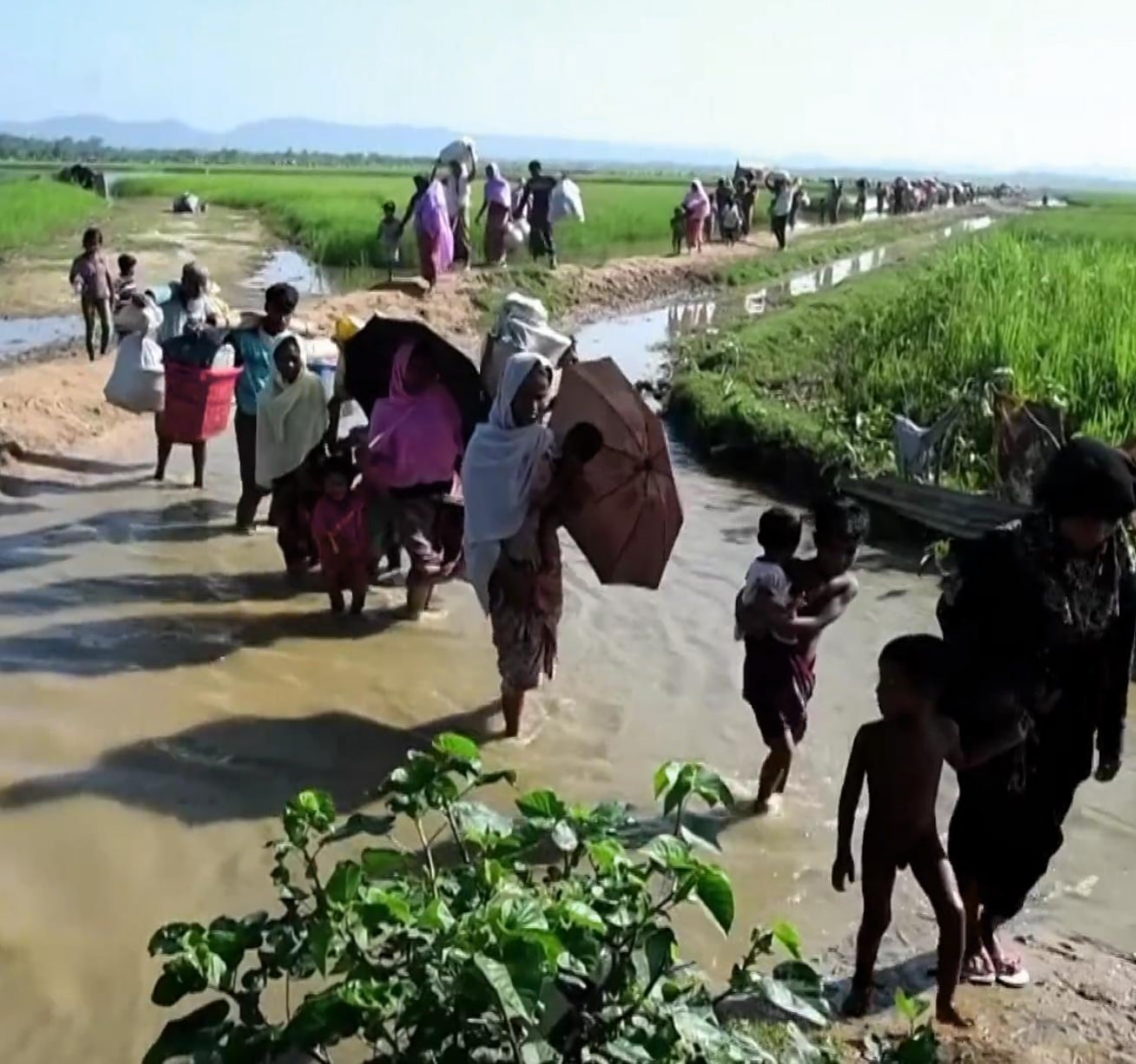
Myanmar’s military launched what it called clearance operations across northern Rakhine. UN investigations documented mass killings, gang rape and other sexual violence, the burning of entire villages and conduct designed to drive Rohingya away and prevent return. Roughly three-quarters of a million people reached Bangladesh in the ensuing months. The scale and systematic pattern distinguished the campaign from ordinary counter-insurgency and became the foundation of later genocide and crimes-against-humanity proceedings.
Why do investigators use the word genocide?
Genocide is a specific legal crime requiring prohibited acts committed with intent to destroy, in whole or in part, a protected national, ethnic, racial or religious group. The UN Fact-Finding Mission found extensive evidence of killing, serious bodily and mental harm, destructive living conditions and measures affecting births. It concluded that senior generals should be investigated and prosecuted for genocide and identified factors from which genocidal intent could reasonably be inferred.
That finding is not identical to a final court judgment. In January 2020 the ICJ held that the Rohingya appeared to be a protected group and that claimed rights under the Genocide Convention were plausible, then ordered urgent provisional measures. Provisional measures protect rights while litigation continues; they do not decide the merits. As of 4 October 2026, the ICJ had completed merits hearings and was deliberating. The correct wording is therefore that UN investigators found grounds for genocide charges and the state-responsibility case remains awaiting judgment.
What responsibility did the civilian government carry?
The 2008 Constitution left the armed forces outside ordinary civilian command. Commander-in-Chief Min Aung Hlaing controlled military operations, and the military selected the ministers responsible for defence, home affairs and border affairs. That structure is essential when assigning operational responsibility for the 2017 campaign. It does not make the elected government irrelevant.
Aung San Suu Kyi’s administration denied or minimised extensive evidence, restricted independent access, defended state institutions and failed to dismantle discriminatory movement and citizenship policies. In December 2019 she appeared as Myanmar’s agent before the ICJ. The case concerns state responsibility, not her personal criminal guilt. A precise history distinguishes the military chain of command from civilian political choices without using either fact to erase the other.
How many Rohingya refugees are in Bangladesh?
UNHCR reported more than one million registered Rohingya refugees in Bangladesh by the end of 2025, most in the Cox’s Bazar area. Different UN datasets can produce slightly different totals because they use different dates and include registration changes, new biometric enrolment and births. The safe current formulation is more than one million, not a permanently fixed number.
The emergency did not stop with the 2017 exodus. In July 2025 UNHCR said up to 150,000 Rohingya had arrived during the previous eighteen months, the largest movement since 2017, as conflict and targeted violence intensified in Rakhine. Camps face funding shortages, fire, trafficking, insecurity and restricted opportunities. Bangladesh has carried an exceptional hosting burden, but pressure for rapid repatriation cannot substitute for the refugee standard of voluntary, safe, dignified and sustainable return.
How did the post-coup war change the crisis?
After the 2021 military takeover, nationwide conflict eventually returned to Rakhine State. Fighting between the Myanmar military and the Arakan Army escalated sharply from November 2023, and the Arakan Army gained control over most of the state. Rohingya civilians were trapped between forces, displaced again and subjected to military airstrikes, arson, detention and forced recruitment.
OHCHR also documented abuses by the Arakan Army, including arbitrary detention, torture, forced labour, recruitment, property seizure and movement restrictions, as well as coercion by Rohingya armed groups. Recognising violations by multiple actors does not flatten their different structures or historical responsibilities. It shows why replacing one territorial authority with another does not by itself provide citizenship, equal protection or safe return.
What is the difference between the ICJ and ICC cases?
The International Court of Justice hears disputes between states. The Gambia alleges that Myanmar breached the Genocide Convention; the ICJ can determine state responsibility and order remedies, but it cannot imprison individuals. It ordered provisional measures in 2020, rejected Myanmar’s jurisdictional objections in 2022, accepted limited treaty interventions by seven states in 2024 and heard the merits in January 2026.
The International Criminal Court prosecutes individuals. Myanmar is not an ICC member, but Bangladesh is, allowing investigation of crimes such as deportation that were completed partly across its border. In November 2024 the prosecutor applied for an arrest warrant for Min Aung Hlaing alleging crimes against humanity of deportation and persecution. As of this review, the judges had not publicly granted that application. The IIMM separately builds evidence and case files for competent courts; it is not a tribunal and cannot convict anyone.
What would a durable solution require?
Return requires more than transport from Bangladesh. Rohingya people need recognised legal status, freedom of movement, physical security, access to education and health care, restoration or compensation for land and property, and meaningful participation in the decisions that affect them. The 2017 Rakhine Advisory Commission linked citizenship review, camp closure, development, equality before the law and movement rights before the mass exodus made those recommendations even more urgent.
Accountability and humanitarian support are complementary rather than competing agendas. Refugees cannot safely return while perpetrators expect impunity, yet legal cases alone do not feed families or create rights inside Rakhine. The UN’s September 2026 formulation brings the essential elements together: sustained aid, justice, conditions for voluntary and dignified return, and a decisive Rohingya voice in judging whether those conditions actually exist.
Continue the chronology
Related history guides
Myanmar’s Democratic Transition
Place the 2012 segregation and 2017 operations inside the opening’s political and constitutional limits.
Read the timeline1988—2026National League for Democracy: History and Elections
Assess the elected government’s civilian responsibility alongside the military’s operational control.
Read the timeline2008—todayMyanmar’s 2008 Constitution Explained
Understand why the elected government did not command the military or its three security ministries.
Read the timeline2015–2016The 2015 Election and Transfer of Power
See how most Rohingya lost voting rights before the NLD’s landmark national victory.
Read the timeline2020–2021The 2020 Election and Coup Claims
Compare a credible national result with continuing Rohingya exclusion from political participation.
Read the timeline2021–2026Myanmar’s Coup and Civil War
Follow the wider war, renewed Rakhine front and competing claims of authority after the takeover.
Read the timeline1948–2026Myanmar Presidents and Heads of State
Compare the executive eras in which citizenship exclusion, military operations and accountability unfolded.
Read the timelineBiography context
Explore Myanmar and Bangladesh through connected lives
Wai Wai Nu
Read the lawyer and former political prisoner linking Rohingya rights, women’s leadership and democratic reform.
Explore the biographiesCountry archiveMyanmar Biographies
Explore 57 sourced lives across politics, business, sport and culture.
Explore the biographiesPolitics collectionMyanmar Political Leaders
Compare 44 biographies across independence, military rule, minority rights and contested government.
Explore the biographiesConnected biographies
Nine biographies connecting citizenship law, military command, civilian government, advocacy and post-coup resistance
1987—
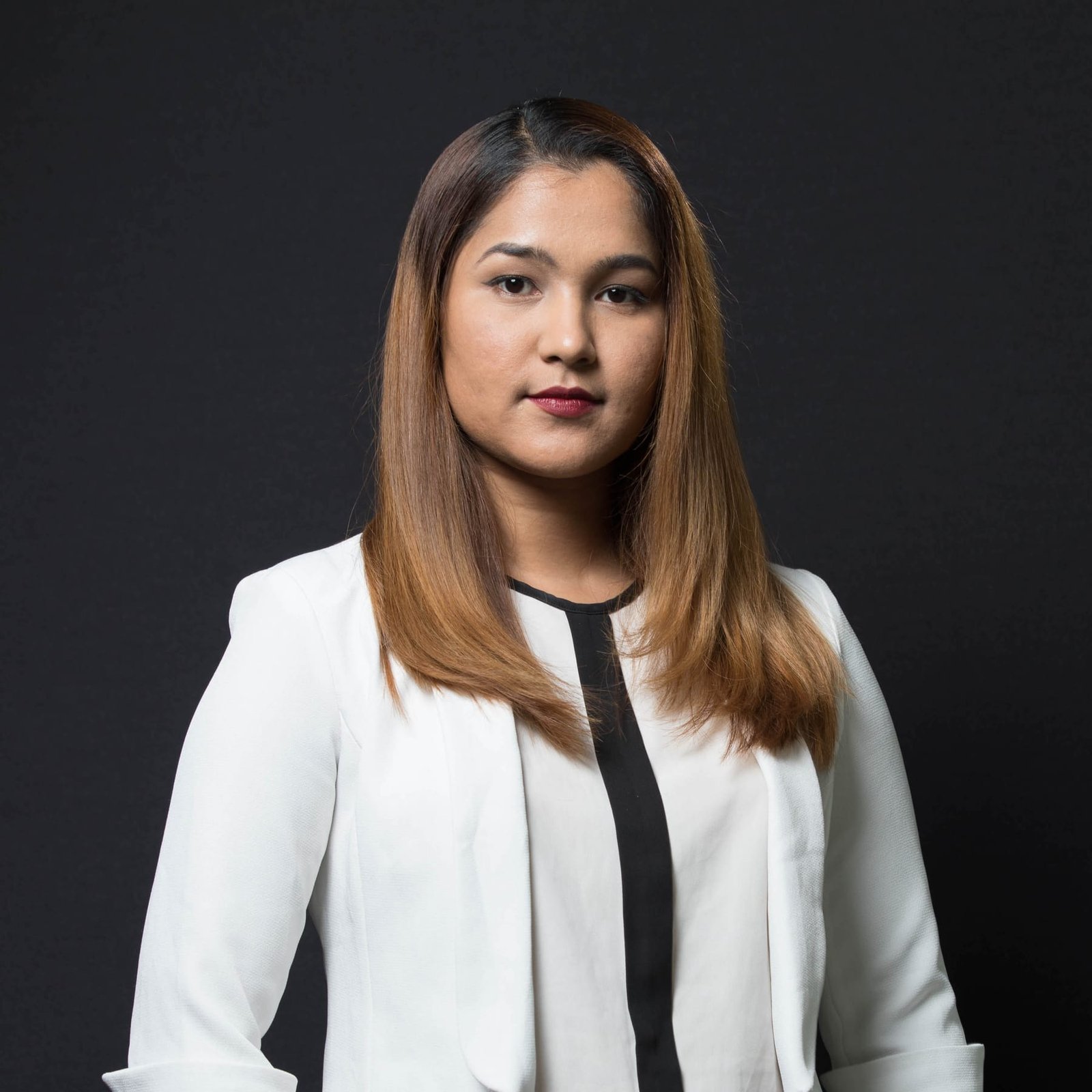
Wai Wai Nu
Rohingya human-rights lawyer and founder of Women’s Peace NetworkThe Rohingya lawyer who rebuilt her education after imprisonment and created organisations linking minority rights, women’s justice and democratic reform.Read biography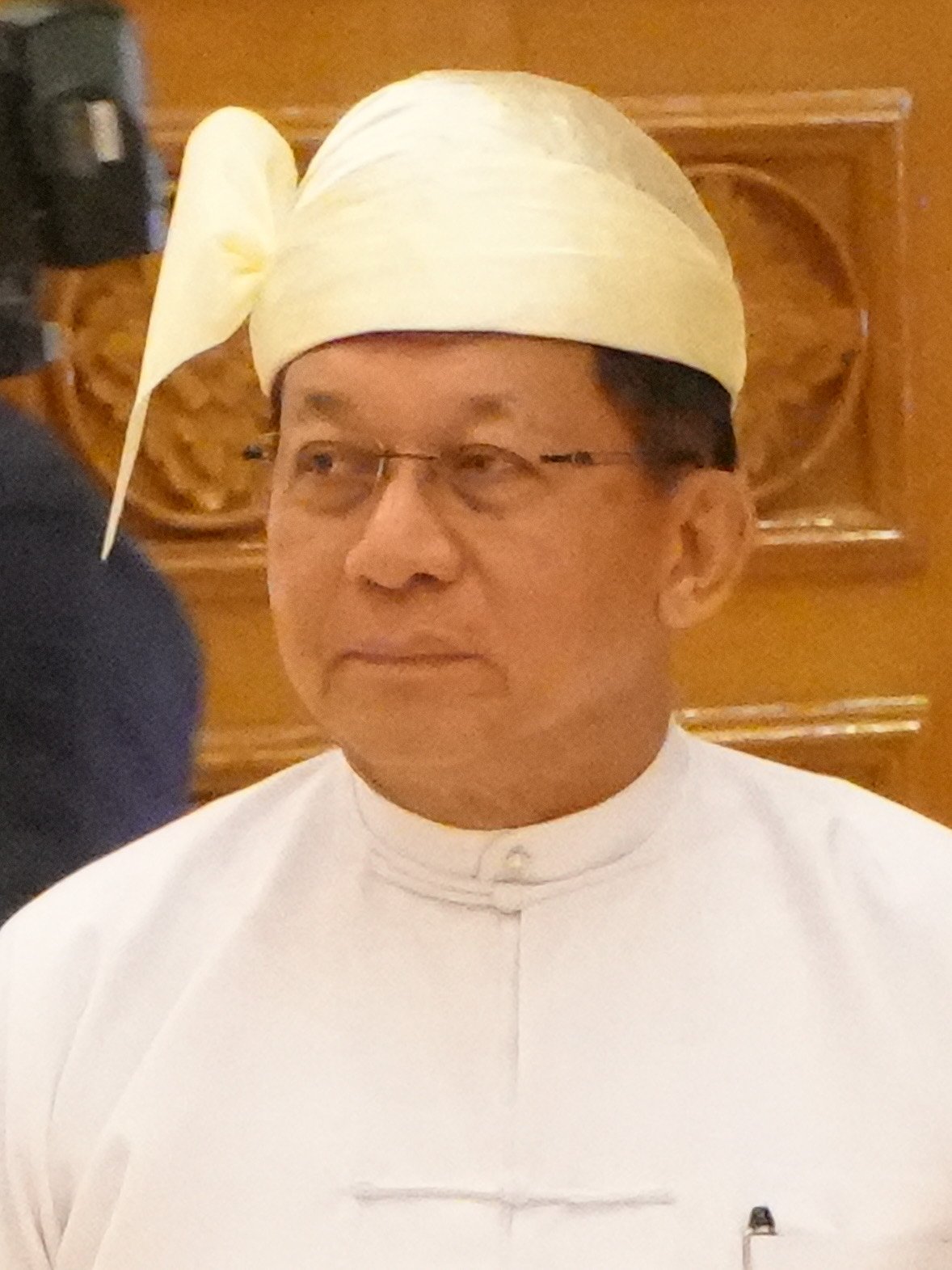
1956—
Min Aung Hlaing
President of Myanmar and leader of the 2021 military takeoverThe former commander-in-chief who led Myanmar’s 2021 coup, presided over nationwide war and became president through a military-controlled political process in 2026.Read biography
1945—
Aung San Suu Kyi
Nobel laureate, NLD leader and former state counsellor of MyanmarThe opposition leader who spent about fifteen years in detention, won a parliamentary seat in 2012 and later led Myanmar’s civilian government through the office of state counsellor.Read biography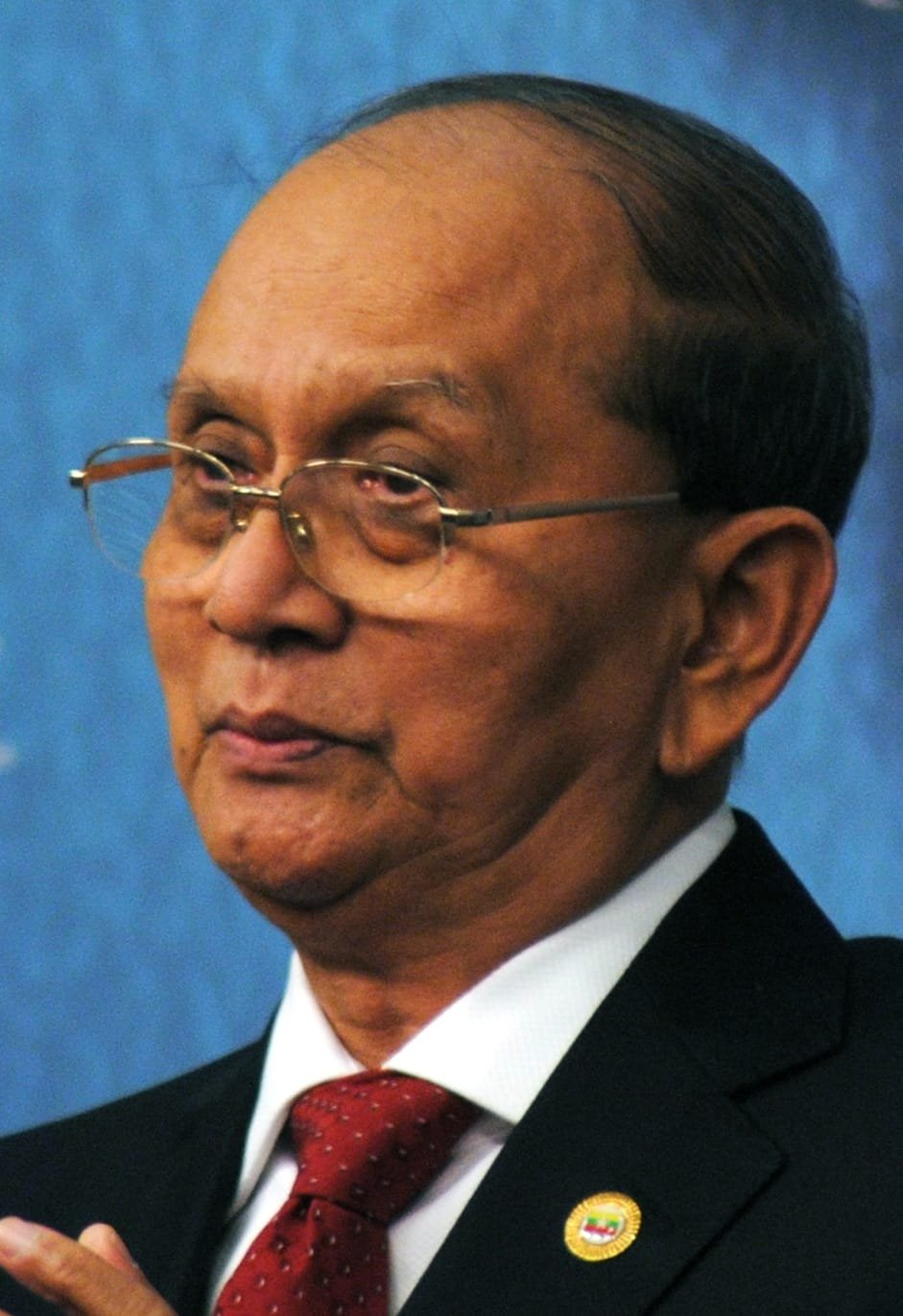
1945—
Thein Sein
President of Myanmar from 2011 to 2016The former general whose presidency released political prisoners, widened civic space and transferred power after the 2015 election without ending military autonomy.Read biography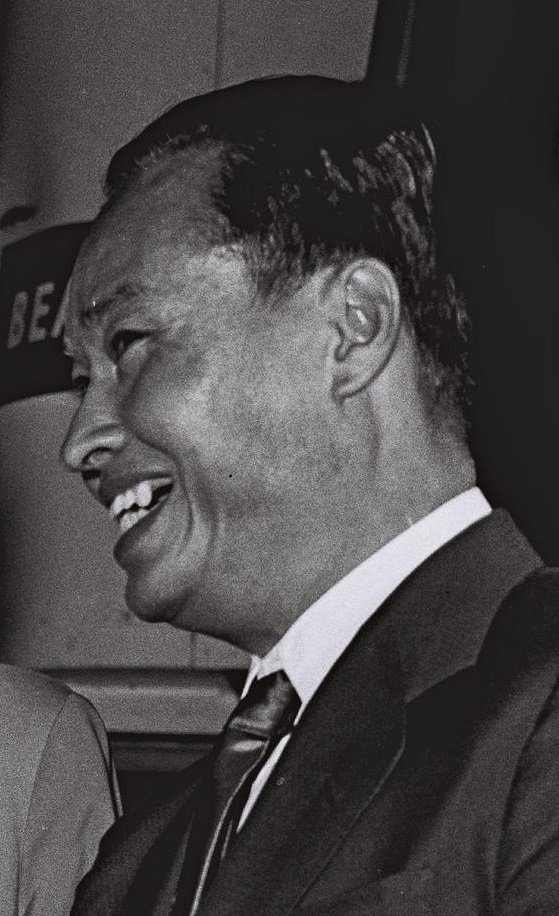
c. 1910—2002
Ne Win
Military ruler of Burma from 1962 to 1988The general who overthrew U Nu, nationalised much of the economy and built a one-party military state that lasted until the 1988 uprising.Read biography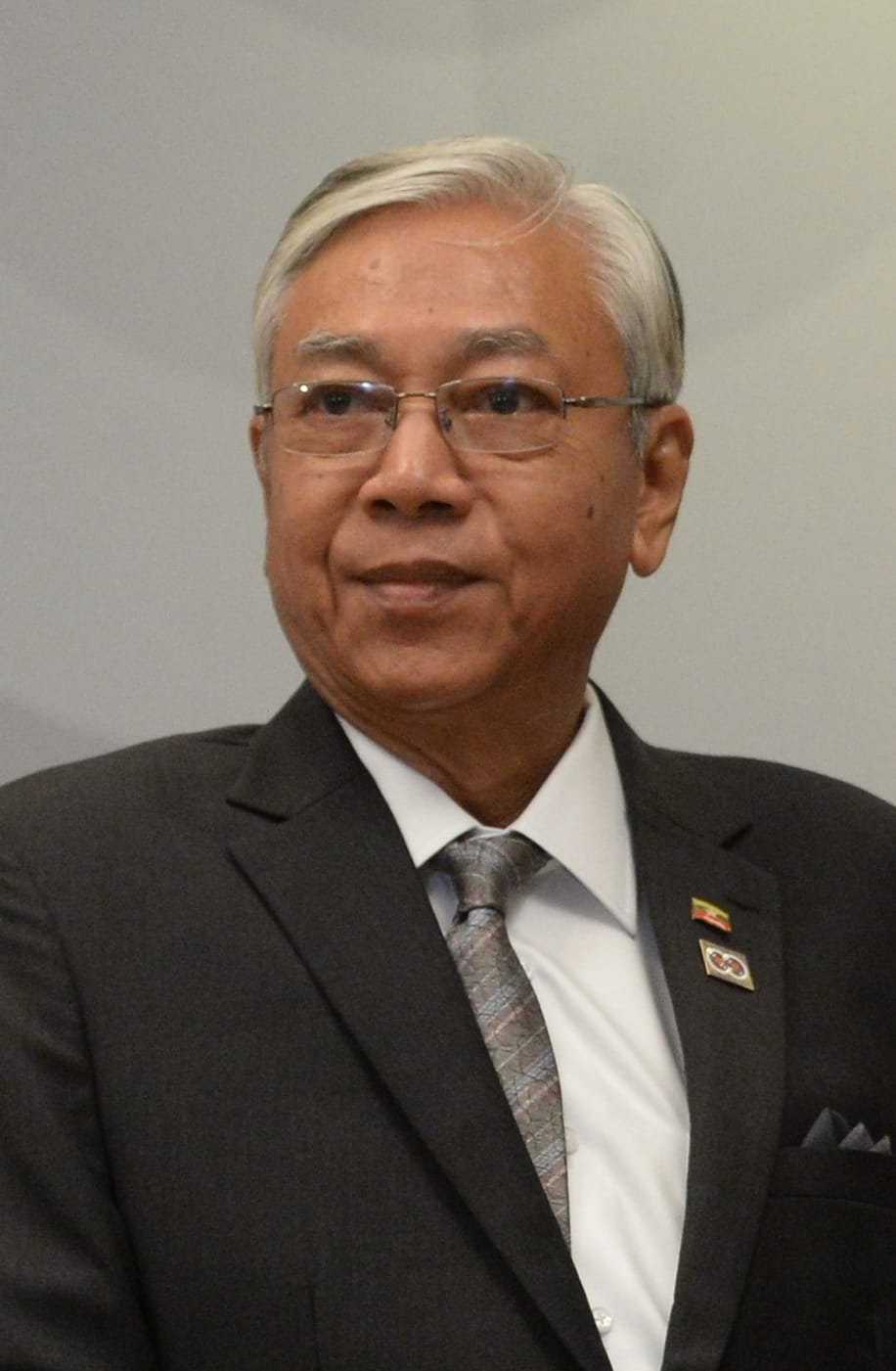
1946—
Htin Kyaw
President of Myanmar from 2016 to 2018The economist, writer and longtime Aung San Suu Kyi associate who became Myanmar’s first civilian president in more than fifty years.Read biography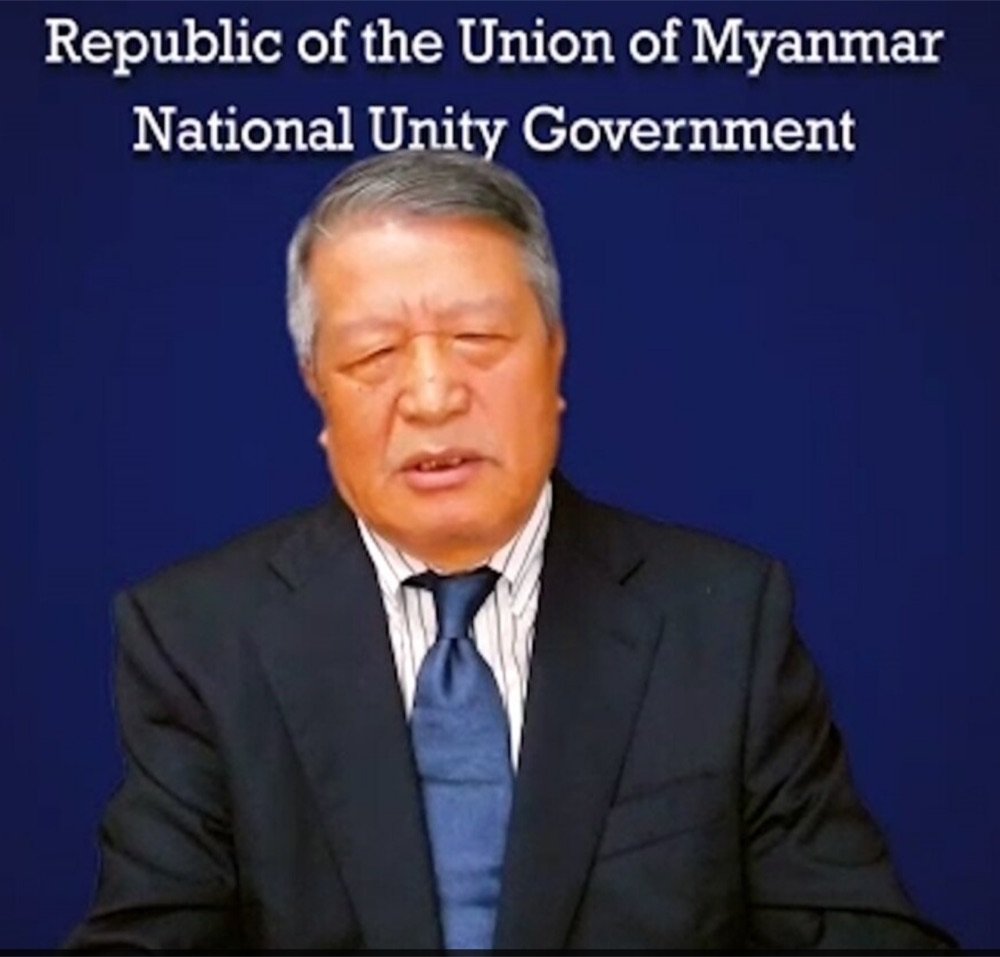
1950—
Duwa Lashi La
Kachin lawyer and acting president of Myanmar’s National Unity GovernmentThe Kachin lawyer and civil-society leader appointed vice-president and acting president of Myanmar’s opposition National Unity Government.Read biography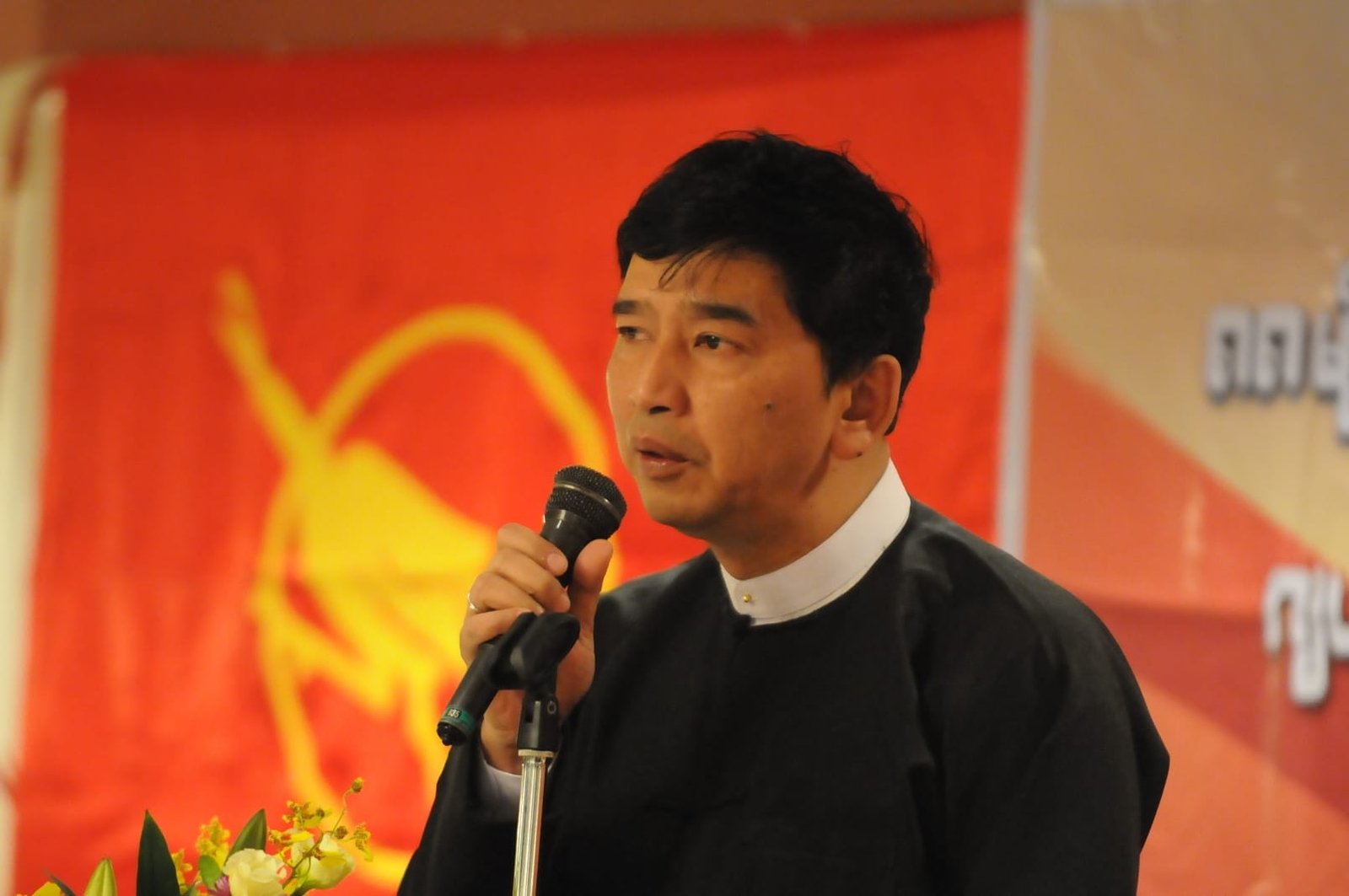
1962—
Min Ko Naing
Student leader and veteran democracy activistThe student organiser whose adopted name means “conqueror of kings” and whose repeated imprisonment made him a symbol of Burma’s 88 Generation.Read biography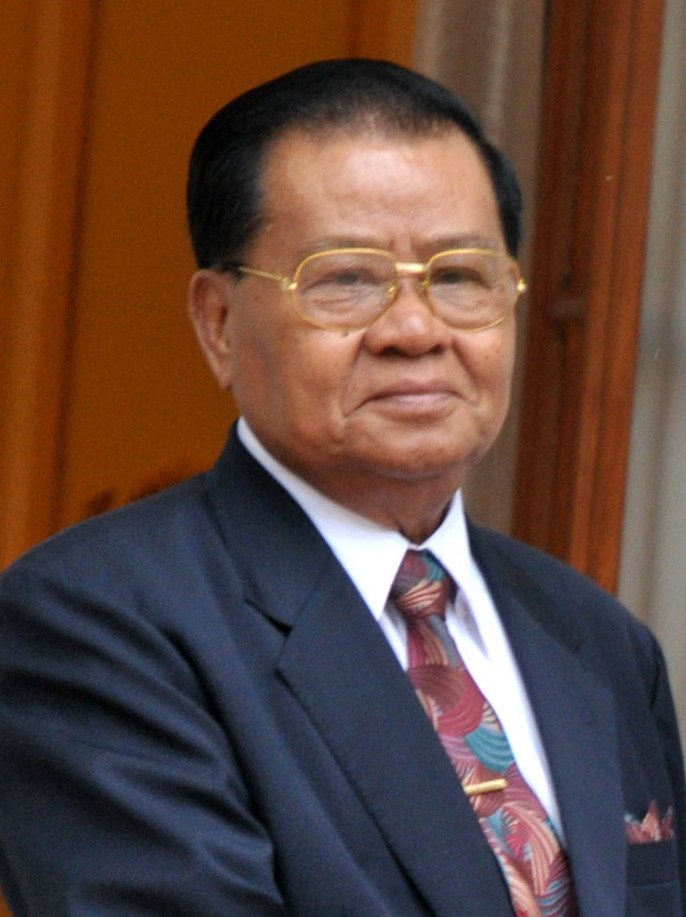
1933—
Than Shwe
Military ruler of Myanmar from 1992 to 2011The senior general who ruled Myanmar for nineteen years, suppressed organised opposition and designed the constitutional system that followed direct military government.Read biographyQuick answers
Common questions
- Who are the Rohingya?
- The Rohingya are a predominantly Muslim ethnic community rooted in Rakhine State in western Myanmar. Myanmar authorities have generally rejected the community’s name and excluded most members from citizenship.
- Why are the Rohingya stateless?
- The 1982 Citizenship Law, official non-recognition, documentary barriers and discriminatory administration left most Rohingya outside full citizenship and exposed them to movement, education and political restrictions.
- What happened to the Rohingya in 2017?
- After ARSA attacked security posts on 25 August, Myanmar’s military conducted operations involving mass killing, sexual violence and systematic village destruction. Roughly three-quarters of a million Rohingya fled to Bangladesh.
- Has a court ruled that Myanmar committed genocide?
- Not finally as of 4 October 2026. UN investigators found grounds for genocide prosecutions, while the ICJ ordered provisional protection in 2020 and completed merits hearings in January 2026. Its judges were still deliberating.
- What is The Gambia v. Myanmar?
- It is an ICJ case alleging that Myanmar breached the Genocide Convention. It concerns Myanmar’s responsibility as a state, not the criminal guilt of individual people.
- Is there an ICC arrest warrant for Min Aung Hlaing?
- The ICC prosecutor applied for a warrant in November 2024 alleging crimes against humanity of deportation and persecution. The application remained pending before judges at this review date.
- How many Rohingya refugees live in Bangladesh?
- More than one million registered Rohingya refugees were living in Bangladesh by the end of 2025, mostly around Cox’s Bazar. Totals vary slightly by dataset and reporting date.
- Why can the Rohingya not simply return to Myanmar?
- Safe return requires citizenship or secure legal status, freedom of movement, protection from armed groups, access to services and restoration of property. Those conditions were not established by October 2026.
- What was Aung San Suu Kyi’s role?
- Her civilian government did not command the military operations, but it denied or minimised evidence, restricted scrutiny and failed to remove discriminatory policies. She represented Myanmar at the ICJ in 2019.
- What is happening to Rohingya in Rakhine State now?
- War between the military and Arakan Army has brought renewed displacement, forced recruitment and abuses. OHCHR has documented violations by both forces and by Rohingya armed groups.
Primary and institutional sources
How this history was checked
Dates, legal milestones and historical claims are checked against the official and institutional records below. This article was reviewed on 4 October 2026.
- Socialist Republic of the Union of Burma via UNHCR RefworldBurma Citizenship Law of 1982 · translated primary text
- UN Human Rights CouncilDetailed findings of the Fact-Finding Mission on Myanmar
- Office of the UN High Commissioner for Human RightsRapid response mission findings on the 2017 operations
- Advisory Commission on Rakhine StateTowards a Peaceful, Fair and Prosperous Future for Rakhine
- United Nations High Commissioner for RefugeesRohingya emergency · population and operational overview
- UN Human Rights CouncilSituation of Rohingya Muslims and other minorities in Myanmar · 2025 report
- International Court of JusticeThe Gambia v. Myanmar · official case record
- International Criminal CourtSituation in Bangladesh/Myanmar · investigation and proceedings
- Independent Investigative Mechanism for Myanmar2026 annual report highlights and Rohingya accountability work
- President of the UN General AssemblyA renewed call for a durable Rohingya solution · 23 September 2026
- Wikimedia CommonsRohingya refugees entering Bangladesh · public-domain image record