
The short answer
The Liberation of Panay was not a rescue of an island without resistance. Filipino guerrillas and a civil government had already challenged occupation across much of Panay. Their battle at Balantang and years of organisation helped the U.S. 40th Infantry Division land at Tigbauan on 18 March and join the final drive into Iloilo.
Chronology
A timeline of the turning points
Resistance survives occupation
Macario Peralta Jr. built the 6th Military District while Tomas Confesor maintained a civil claim to authority in Free Panay and Romblon.
Guerrillas expand control
Filipino forces organised regiments, intelligence, supply and local government across much of Panay while Japanese troops held key towns and garrisons.
Battle of Balantang begins
Japanese forces repeatedly attacked guerrilla positions near Jaro in the hardest fighting around Iloilo before the Allied landing.
Guerrillas take Bagongon Point
A Japanese garrison on Pan de Azucar Island was captured as operations widened around Panay and nearby islands.
Air support strengthens the offensive
After Peralta returned from Allied headquarters on Leyte, guerrilla operations resumed with support from U.S. aircraft.
The 40th Infantry Division lands at Tigbauan
U.S. troops came ashore at Parara Beach and were met by Peralta’s forces rather than an organised Japanese beach defence.
Iloilo City is liberated
Filipino guerrillas and U.S. troops completed the main operation for the city while fighting and clearing operations continued elsewhere.
Operations continue across the region
Forces pursued remaining Japanese units and extended the campaign through Panay, Guimaras and Romblon.
Panay was not waiting passively for an Allied landing
After organised surrender in 1942, officers and civilians rebuilt resistance across Panay. Macario Peralta Jr. commanded the 6th Military District, while former Iloilo governor Tomas Confesor refused office under occupation and led the civil administration of Free Panay and Romblon.
Their roles were different. Military units trained, gathered intelligence and fought; civil authorities tried to maintain legitimacy, food systems and public cooperation. The arrangement was imperfect, but it helps explain why resistance became unusually extensive on the island.
How large was the Panay guerrilla force?
Philippine Veterans Affairs Office commemorative accounts describe a force of approximately 23,000 under Peralta. Such totals can include personnel with different levels of training, arms and continuous service and should not be treated as 23,000 equally equipped front-line soldiers.
The number nevertheless conveys organisational scale. Regiments, local intelligence, supply networks and civilian cooperation meant that Japanese control was concentrated rather than uniform across the island.
The Battle of Balantang came before the landing
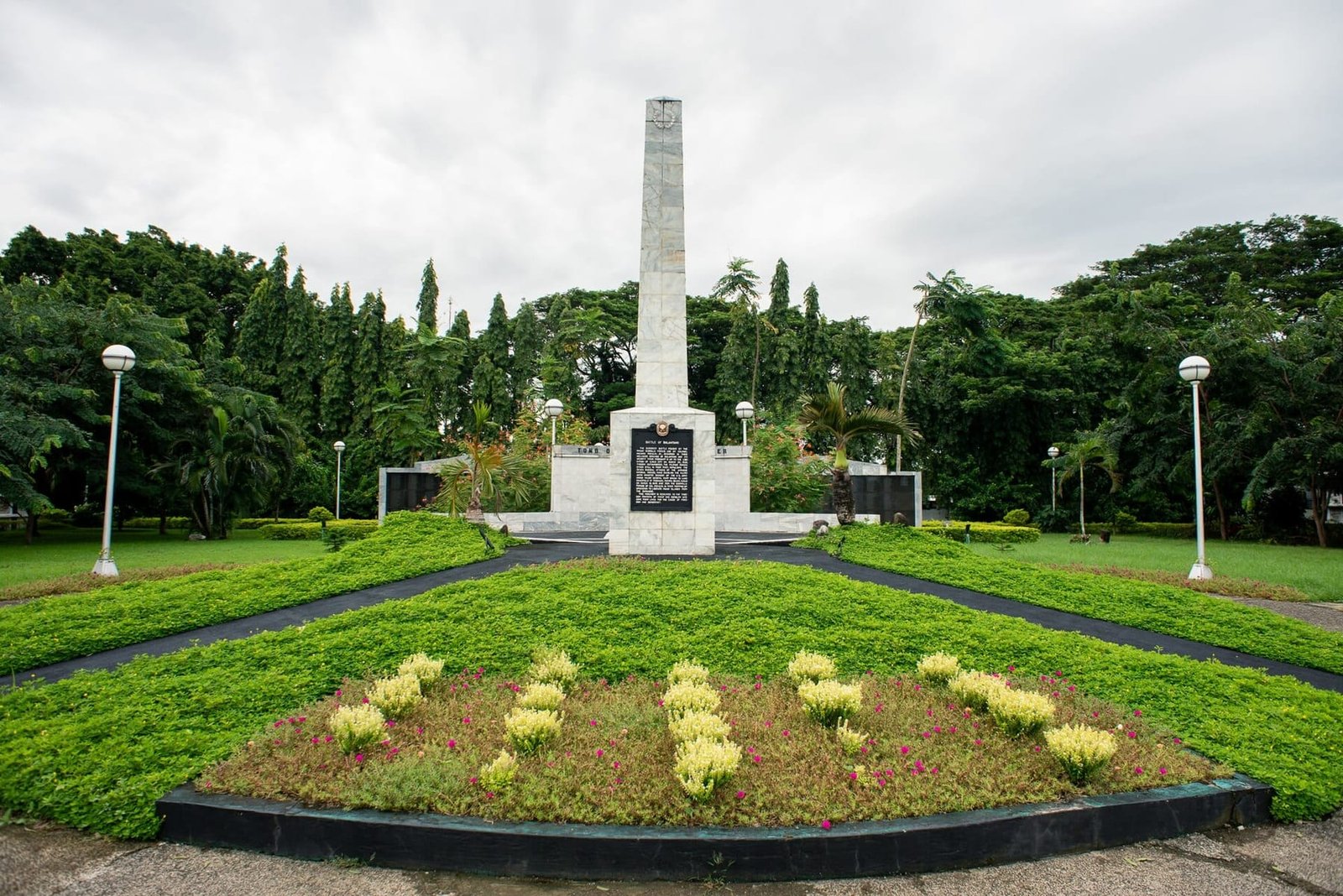
Fighting near Balantang began on 6 February 1945. The National Historical Commission’s marker describes seven Japanese attacks against Filipino positions and identifies the battle as the bloodiest fought by Panay guerrillas.
Holding the area helped prevent Japanese forces from organising a strong response to the landing west of Iloilo City. The memorial at Balantang therefore commemorates a battlefield, a burial ground and the local campaign that preceded visible Allied arrival.
What happened at Tigbauan on 18 March?
U.S. naval forces entered the southern waters of Panay, cleared mines and bombarded suspected positions. Major General Rapp Brush’s 40th Infantry Division landed at Parara Beach in Tigbauan, about 22 kilometres west of Iloilo City.
The troops met Filipino fighters and civilians rather than a defended shoreline. Calling the landing “unopposed” describes the beach at that moment; it does not mean Panay had experienced no battle. Years of resistance and the recent fighting at Balantang helped create the conditions for that reception.
How was Iloilo City liberated?
Filipino guerrilla formations joined the 40th Division in the advance and clearing operations. The main battle for Iloilo concluded by 20 March, although Japanese units had withdrawn, dispersed or remained active elsewhere on the island.
Urban liberation involved more than entering the city. Authorities had to restore government, treat casualties, manage displaced people and reconnect roads and ports after occupation and military destruction.
Why do commemorations include Panay, Romblon and Guimaras?
Peralta’s command and the wartime civil administration extended beyond Iloilo. Guerrillas operated on Guimaras and in Romblon, and the March campaign connected several islands rather than ending at one beach or city boundary.
Official commemorations therefore use names such as the Victory Day of Panay, Romblon and Guimaras. The wider title preserves regional cooperation that a Manila-centred narrative can miss.
“Liberation” and “victory” carry different emphases
“Liberation” captures the end of Japanese occupation and the arrival of overwhelming Allied power. “Victory” gives more space to Filipinos who had already organised government and military resistance. Neither term alone describes every experience.
A balanced account treats the 18 March landing as a joint phase in a longer local campaign. It does not diminish U.S. logistical and combat power, and it does not reduce Filipinos to people who simply welcomed an outside army.
Continue the chronology
Related history guides
The Leyte Landing
Follow the first major return and the restoration of Commonwealth government.
Read the timeline8 January–14 June 1945The Battle of Bessang Pass
Compare Panay’s campaign with a largely Filipino offensive in northern Luzon.
Read the timeline3 February–3 March 1945The Battle of Manila
Examine why liberation produced a radically different civilian experience in the capital.
Read the timelineFifteen sourced livesPhilippine Liberation and Resistance
Connect Panay’s military and civil organisers to resistance across the archipelago.
Read the timelineConnected biographies
Four lives connecting Panay, civil government and national resistance
1913—1965
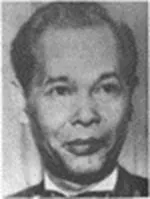
Macario Peralta Jr.
Guerrilla commander, senator and defence secretaryA lawyer and reserve officer who organised Panay’s wartime resistance, coordinated with Allied command and later served in the Senate and Macapagal cabinet.Read biography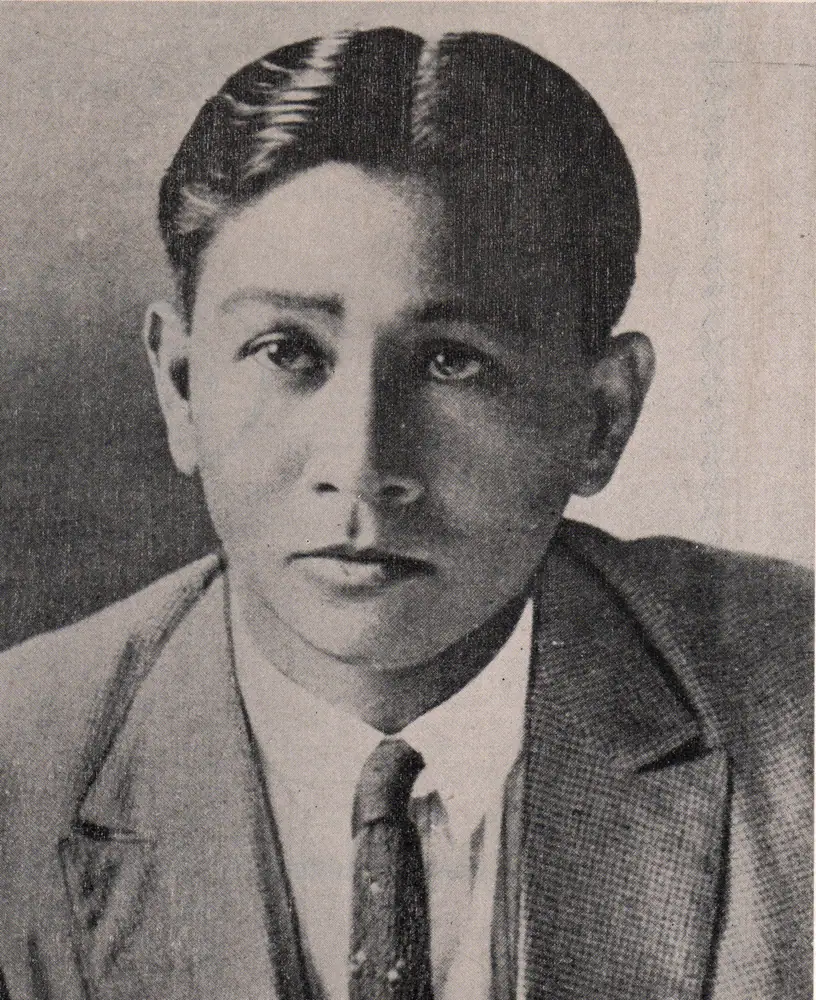
1891—1951
Tomas Confesor
Iloilo governor, civil resistance leader and senatorAn economist, governor and senator who rejected office under occupation and led the civil resistance government in Panay.Read biography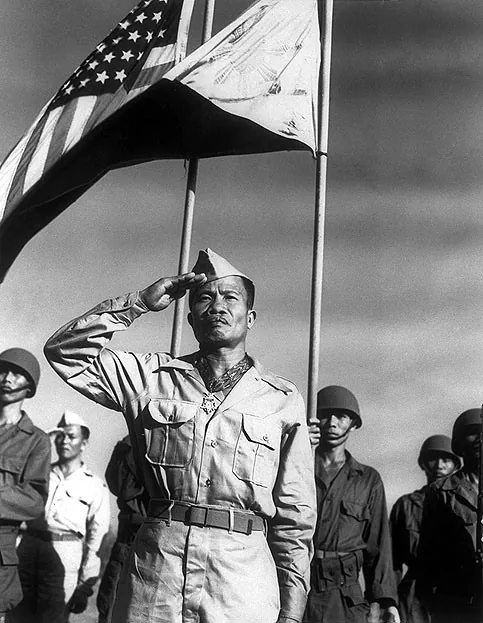
1907—1998
Jose Calugas
Philippine Scout, Medal of Honor recipient and guerrilla agentJose Calugas restored an artillery position under fire at Bataan, then survived captivity and joined the resistance before receiving his Medal of Honor in 1945.Read biography
1914—1971
Jesús Villamor
Fighter pilot and Allied intelligence officerA pioneering Philippine Army Air Corps pilot who fought in the opening campaign and then led a clandestine intelligence mission linking guerrillas to Allied headquarters.Read biographyQuick answers
Common questions
- When was Panay liberated in World War II?
- The 40th Infantry Division landed on 18 March 1945, and the main operation for Iloilo City concluded on 20 March. Fighting and clearing continued elsewhere.
- Where did Allied forces land on Panay?
- They landed at Parara Beach in Tigbauan, Iloilo, on the southern coast west of Iloilo City.
- Who led the Panay guerrillas?
- Colonel Macario Peralta Jr. commanded the 6th Military District. Tomas Confesor led the associated civil government of Free Panay and Romblon.
- What was the Battle of Balantang?
- It was sustained fighting near Jaro from 6 February through the liberation of Iloilo in March 1945, during which Filipino guerrillas held against repeated Japanese attacks.
- Was the Panay Landing opposed?
- The 18 March landing at Tigbauan met no organised Japanese beach defence, but that was partly because Filipino guerrillas had already fought across the island and held much of the surrounding territory.
- Why is 18 March commemorated in Iloilo?
- It marks the 1945 landing and joint campaign that restored Iloilo and surrounding islands from Japanese occupation.
Primary and institutional sources
How this history was checked
Dates, legal milestones and historical claims are checked against the official and institutional records below. This article was reviewed on 9 September 2026.
- Philippine Veterans Affairs OfficeThe Liberation of Panay
- National Historical Commission of the PhilippinesPanay Landing historical marker
- National Historical Commission of the PhilippinesBalantang Memorial Cemetery National Shrine
- U.S. Army Center of Military HistorySouthern Philippines campaign booklet
- Wikimedia CommonsBalantang memorial photograph and licence