
The short answer
Lilith Fair tested an industry assumption: could a large touring festival built around women attract an audience? Its first summer supplied a practical answer through booking, shared bills and concerts across the United States and Canada.
Chronology
A timeline of the turning points
Testing a shared bill
Smaller women-led concerts precede the full travelling festival.
The first summer opens
The Gorge Amphitheatre in Washington hosts the opening show.
A changing bill travels
Artists rotate through American and Canadian stops, with local opportunities alongside established performers.
Expansion and pressure
The original festival continues for two more summers, with a broader range of performers.
A difficult revival
A returning tour struggles with sales and cancelled dates.
The problem was access to the same stage
McLachlan encountered resistance to touring with Paula Cole and heard the familiar radio argument against playing women consecutively. The obstacle was a business assumption about audiences, despite successful individual female artists. Smaller joint shows in 1996 gave organizers a way to test it before committing to a much larger tour.
Lilith Fair joined McLachlan with Nettwerk’s Terry McBride and Dan Fraser and booking agent Marty Diamond. Naming all four distinguishes a public figure’s initiative from the organizational relationships required to sell and run a travelling festival.
A touring festival was different from one fixed lineup
The opening show took place on 5 July 1997 at the Gorge Amphitheatre in Washington. The summer route crossed the United States and Canada and concluded in Vancouver. This was a mobile event, rather than a festival located permanently in McLachlan’s home country.
Performers changed between stops. Tracy Chapman, Jewel, Suzanne Vega, Paula Cole, Sheryl Crow and other artists supplied different combinations of audiences. Smaller stages also created opportunities beyond the principal headliners. A poster from one date therefore cannot establish that every named performer played every show.
Success and criticism belong in the same account
The first tour’s commercial success challenged the claim that women could not sell a major shared bill. Donations to local women’s charities connected ticket buying with the places the tour visited.
The early programme also drew criticism for limited racial and musical diversity. Later lineups included Erykah Badu, Lauryn Hill, Missy Elliott and Queen Latifah. Expansion matters, but it does not make the initial criticism disappear or prove that every woman in music had equal access to the festival.
A successful intervention did not become a permanent institution
The original run ended after 1999. McLachlan described exhaustion and the need to return to her own writing; a successful touring machine also consumed creative time. The 2010 revival faced weak sales and cancelled dates, demonstrating that an earlier audience and business model could not simply be assumed to return.
In her 2025 interview with the Recording Academy, McLachlan revisited the original three years and the community they formed. That later testimony helps explain the festival’s continuing meaning. It does not establish that Lilith solved the industry’s inequalities permanently, or that the difficulties of the revival cancel what the first tours achieved.
Continue the chronology
Related history guides
Biography context
Explore United States and Canada through connected lives
Connected biographies
Canadian songwriting and musical opportunity
1968–
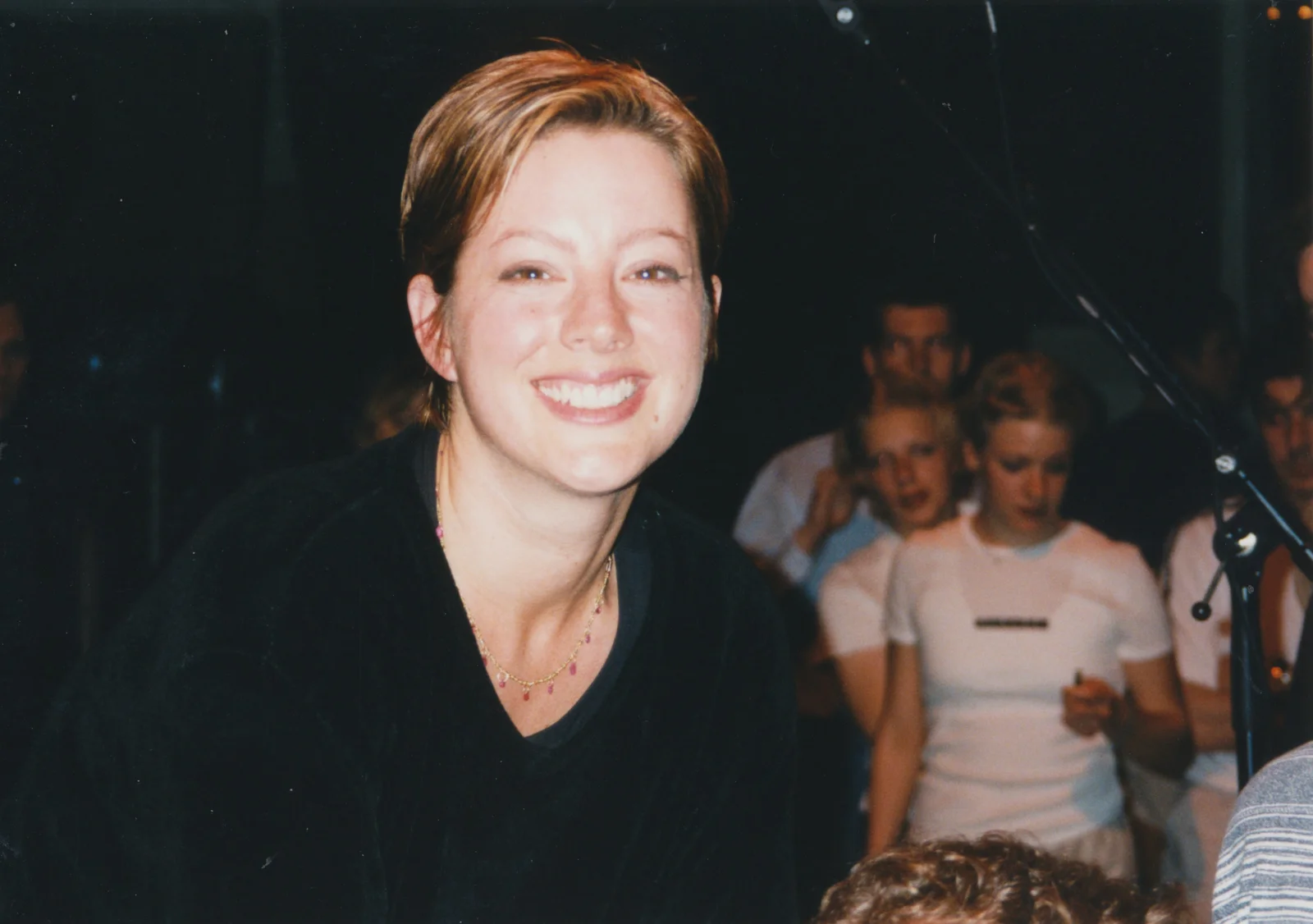
Sarah McLachlan
Singer, songwriter, musician and music-education founderSarah McLachlan is a Canadian singer and songwriter whose intimate recordings, long collaboration with Pierre Marchand and co-founding of Lilith Fair connect a recording career with collective musical opportunity.Read biography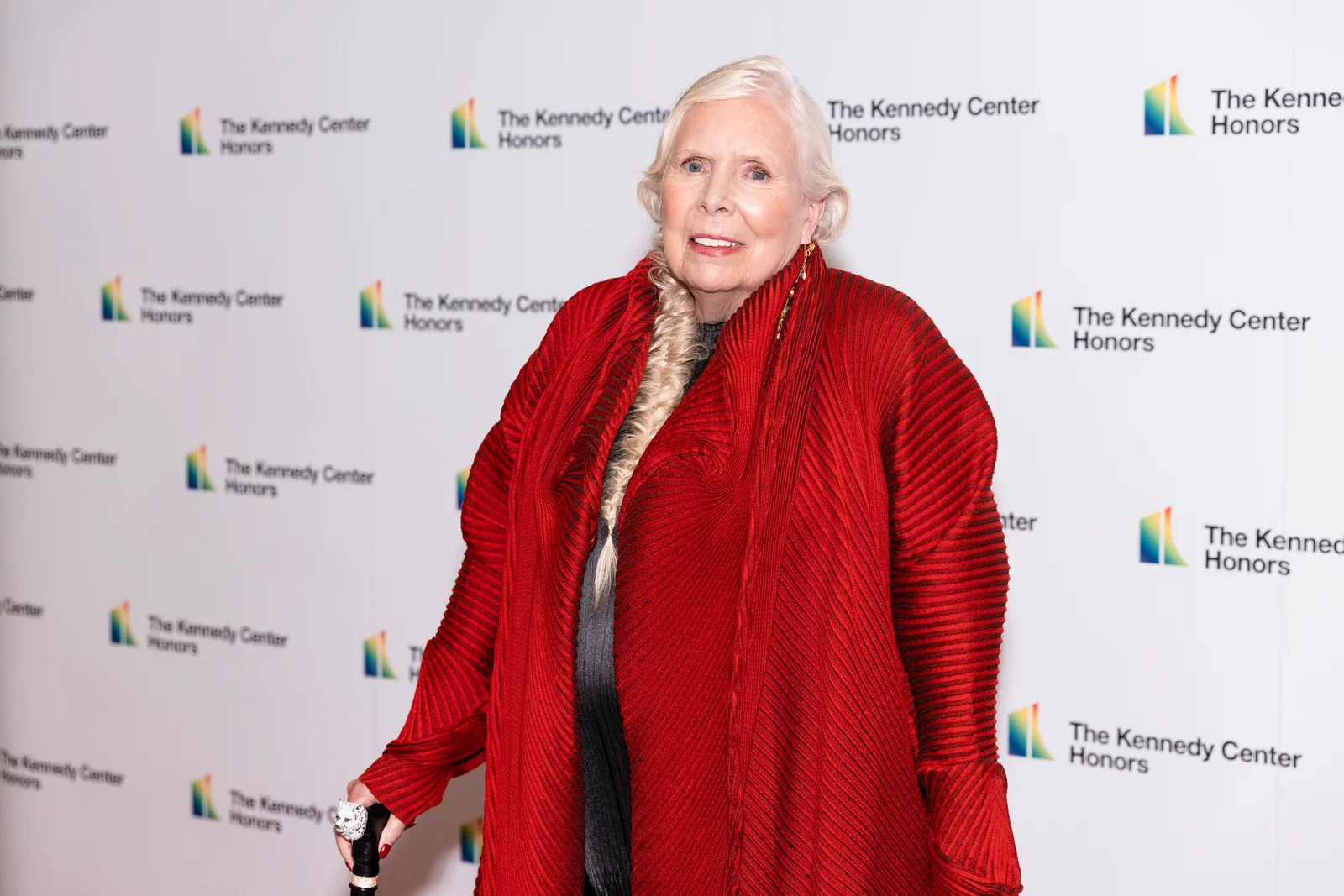
1943–
Joni Mitchell
Singer-songwriter, musician and painterJoni Mitchell is a Canadian singer-songwriter and painter whose albums connect intimate writing with adventurous harmony and changing instrumental arrangements.Read biographyQuick answers
Common questions
- Was Lilith Fair a Canadian festival?
- It was co-founded by Canadian musician Sarah McLachlan, but its 1997 touring route included both the United States and Canada.
- Did every artist play every Lilith Fair date?
- No. The lineup rotated between stops, with established headliners, smaller stages and local opportunities.
- Who co-founded Lilith Fair?
- Sarah McLachlan, Terry McBride, Dan Fraser and Marty Diamond.
- Did the original festival run continuously after 1997?
- The original tours ran in 1997, 1998 and 1999. A separate revival took place in 2010 and encountered sales and scheduling difficulties.
Primary and institutional sources
How this history was checked
Institutional records, published participant recollections and identified retrospective reporting were read. Date counts and charitable totals vary between accounts, so no exact number of first-year stops is asserted. The guide distinguishes 1997 from later lineups and the 2010 revival. No new full documentary viewing or complete concert listening is claimed. This article was reviewed on 23 October 2026.
- Lesley Kennedy / HISTORYOrigins, four co-founders, first show, criticism and revival
- Shelly Ridenour / QobuzAmerican and Canadian route, rotating bills and later expansion
- Governor General of Canada1999 citation: shared audiences and women’s shelters
- Jessica Hopper, Sasha Geffen and Jenn Pelly / Vanity FairParticipant oral history: booking, local stages and concert community
- Canadian Music Hall of FameOriginal three-year run and charitable contribution
- David McPherson / Recording Academy2025 artist interview reflecting on the original tours
- Marcel Rijs / Wikimedia CommonsSeparately licensed 1999 Paradiso portrait and CC0 dedication