
The short answer
A damaged Tuscan villa brings together four people whose wartime identities do not fit neatly inside national labels. The English Patient is a novel about their intersecting histories, not only the romance foregrounded by its famous film.
Chronology
A timeline of the turning points
Novel and joint prize
The English Patient shares the Booker Prize with Sacred Hunger.
Minghella’s adaptation
A film restructures the material for a different medium.
The author reflects
Ondaatje explains how Kip’s past and other material remain particular to the novel.
Golden Man Booker
A retrospective vote recognizes the earlier novel; not a new novel publication.
Begin with the four people, not the film poster
Hana is a Canadian nurse; Caravaggio is a thief drawn into wartime intelligence; Kip is a Sikh bomb-disposal specialist; and the severely burned patient carries an uncertain identity. The villa gathers them after different kinds of damage, but it does not erase those differences.
The publisher’s reading guide follows all four lives. Beginning there changes the question from “what happened to the lovers?” to how care, secrecy, expertise and memory allow these people to share a temporary household.
Why the patient’s label is a problem
The title should not be taken as reliable confirmation of nationality. The novel draws loosely on László Almásy, but its character is not a substitute for the historical man’s biography. The Booker record explicitly distinguishes the invented representation and the real figure.
Desert exploration and mapping sharpen the problem. A map offers apparently stable borders while the characters’ languages, loyalties and experiences cross them. The publisher’s discussion questions invite that reading without requiring the conclusion that political borders have ceased to matter.
Memory does not arrive in chronological order
The villa’s present is interrupted by remembered journeys and earlier wartime experience. Information about a person can therefore change the meaning of an encounter the reader thought was already understood. This structure is more than a puzzle designed to conceal a name.
The publisher’s questions connect shifts in time with identity, loss and the landscape. Reading the passages as different acts of remembering helps preserve that formal work, rather than rearranging everything into a chronological plot summary and assuming nothing important has changed.
Sources for this section: [1]
Kip prevents a purely European romance
Kip’s training, skill and relationship with British institutions matter alongside his connection with Hana. His response to the atomic bombing brings race and empire into the novel’s ending; the publisher’s guide explicitly asks readers to examine that political rupture.
Ondaatje’s 1997 adaptation essay identifies Kip’s English training, reaction to the bomb and eventual fate as material that remains particularly within the novel. Treating him as only a supporting figure in someone else’s love story loses one of the author’s stated distinctions between the two versions.
What the 1996 film changes
Anthony Minghella wrote and directed the screen adaptation. The BFI describes its interwoven romance and wartime frame. A film’s images, actors and duration organize attention differently from a novel’s access to thought and earlier lives.
Ondaatje did not describe every omission as a betrayal. He argued that some changes improved the film’s structure while leaving the novel’s longer meditations intact. The responsible comparison is between two related works, not a demand that one serve as an illustrated transcript of the other.
Prizes, editions and what the setting does not prove
The novel jointly won the 1992 Booker Prize with Barry Unsworth’s Sacred Hunger. The Golden Man Booker in 2018 was a later retrospective selection. A 1993 paperback or 2011 ebook date in a publisher’s catalogue does not move the novel’s first publication out of 1992.
Tuscany is the principal villa setting, with important North African and English recollections. Canada is the author’s literary context, not the site of the main action. Keeping those categories apart makes both the international setting and Ondaatje’s Canadian career easier to understand.
Continue the chronology
Related history guides
Biography context
Explore Tuscany, Italy through connected lives
Connected biographies
Canadian writers and narrative form
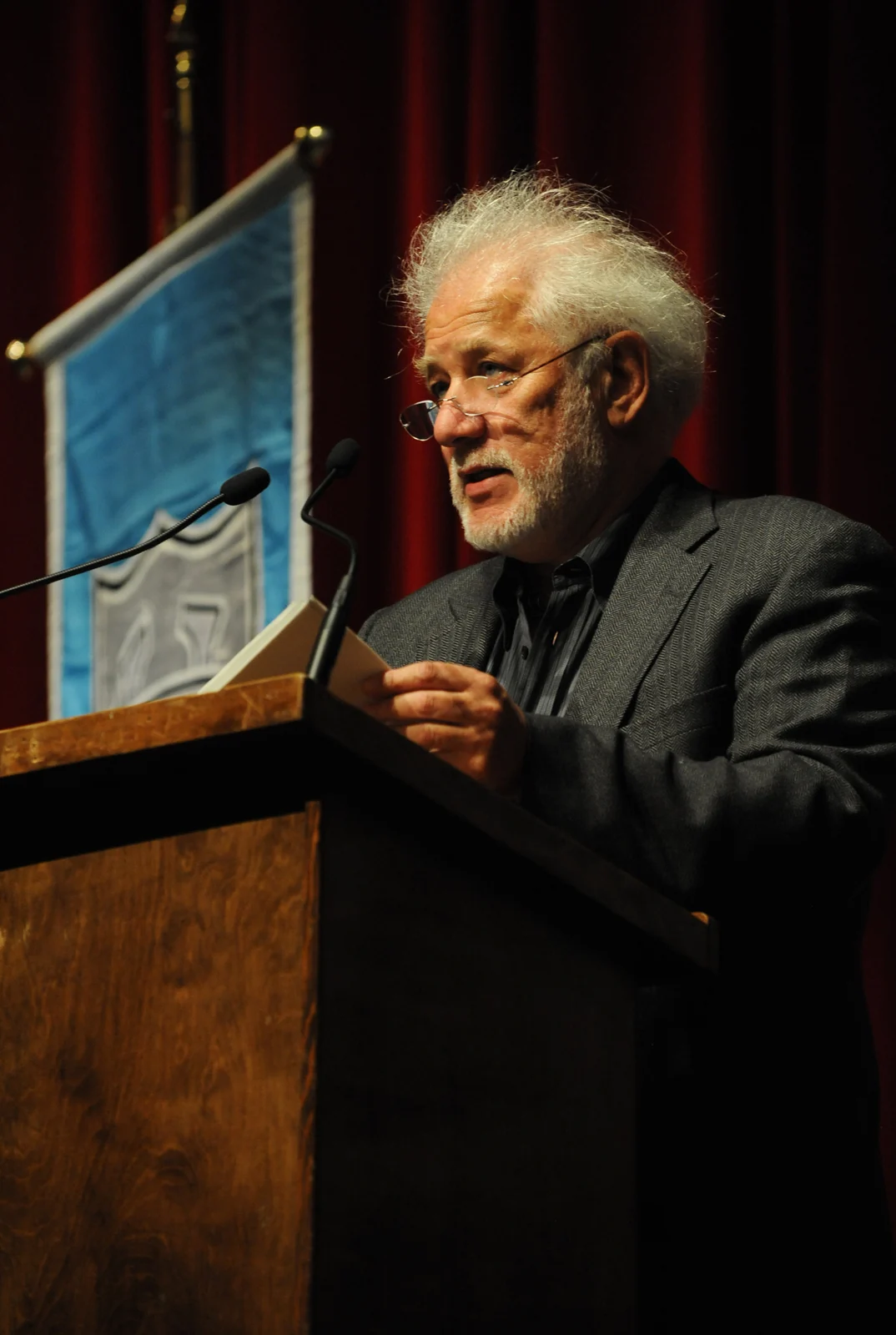
1943–
Michael Ondaatje
Poet, novelist, editor and nonfiction writerMichael Ondaatje is a Sri Lankan-born Canadian writer whose poetry, novels and nonfiction explore memory, movement and the histories that conventional narratives leave incomplete.Read biography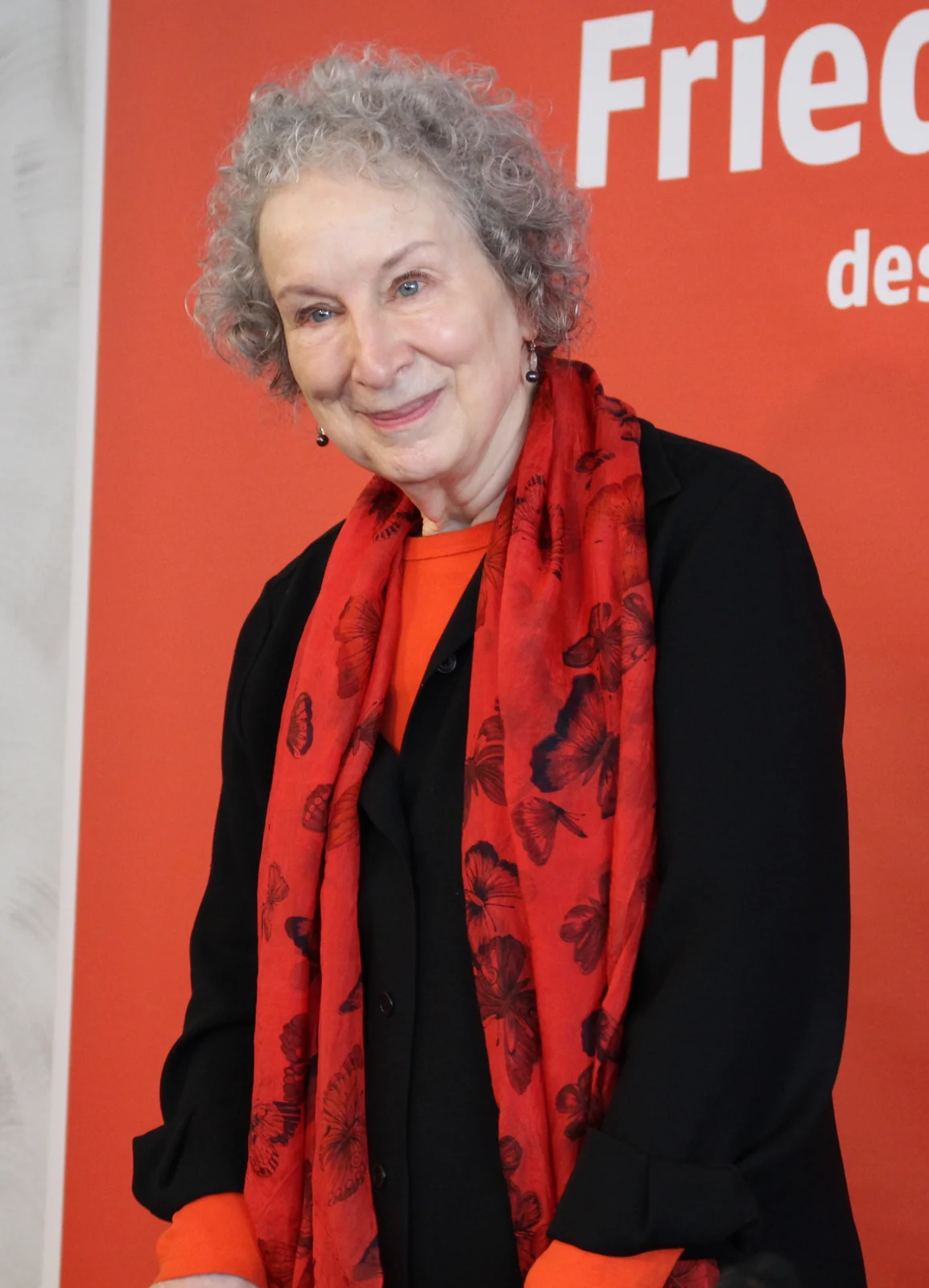
1939–
Margaret Atwood
Novelist, poet and literary criticMargaret Atwood examines power, memory and survival through poetry, historical fiction, dystopia and criticism, with a career extending well beyond The Handmaid’s Tale.Read biography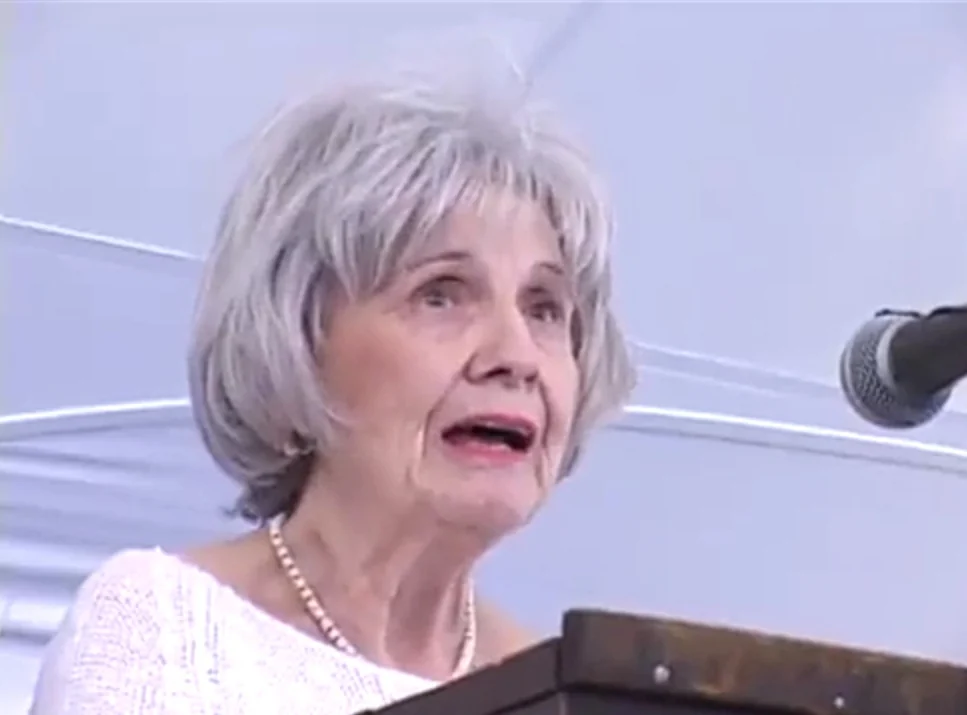
1931–2024
Alice Munro
Short-story writer and Nobel laureateAlice Munro was a Canadian short-story writer awarded the 2013 Nobel Prize in Literature. Her literary legacy also faces scrutiny after her daughter’s 2024 disclosures.Read biographyQuick answers
Common questions
- Is the English patient necessarily English?
- No. The label is part of the novel’s problem of identification, not a dependable nationality statement.
- Is the novel the same story as the film?
- The works are related, but the author specifically identifies different treatments of Kip’s past and political response, among other changes.
- Did the novel win two ordinary Booker Prizes?
- No. It shared the annual 1992 prize; the 2018 Golden Man Booker was a separate retrospective honour.
Primary and institutional sources
How this history was checked
The publisher’s discussion guide, publication records and the author’s adaptation essay were inspected. This is documentary orientation and attributed critical analysis, not a claim to a new complete reading of the novel or viewing of the film. This article was reviewed on 23 October 2026.
- Penguin Random HouseReading guide: four characters, cartography, race and memory
- The Booker Prizes1992 joint win, loose historical model and later retrospective prize
- Michael Ondaatje / Criterion1997 first-person essay on adaptation choices
- British Film InstituteThe separate 1996 adaptation and its structure
- Vintage / Penguin Random HouseLater format dates, not original-publication replacements
- Toronto Metropolitan University LibraryCanadian literary context and original Canadian edition
- Tulane Public Relations / Wikimedia Commons2010 author photograph, 2011 source version and CC BY 2.0