
The short answer
The 1982 settlement brought Canada’s remaining constitutional amendment machinery home and entrenched the Charter of Rights and Freedoms. It was a negotiated and contested process, not one leader’s signature creating a country from nothing. Distinguishing patriation, rights protection and political consent explains both its achievements and its unresolved tensions.
Chronology
A timeline of the turning points
Quebec referendum
The No side wins the sovereignty-association referendum; constitutional reform remains on the agenda.
Federal proposal
Ottawa advances patriation, an amendment formula and a rights charter.
Patriation Reference
The Supreme Court distinguishes legal power from the constitutional convention requiring substantial provincial consent.
Political accord
The federal government and nine provinces reach agreement without Quebec’s government.
Proclamation
The settlement takes effect, including the Charter and domestic amendment procedures.
Equality provision
Charter section 15 comes into force after its three-year delay.
Patriation completed an amendment process, not the first act of independence
Canada already possessed substantial constitutional independence before 1982. The Statute of Westminster of 1931 had changed the imperial relationship, but the absence of an agreed domestic formula left a role for the British Parliament in certain constitutional amendments.
Patriation addressed that remaining machinery. The Constitution Act, 1982 supplied Canadian amendment procedures and a broader constitutional settlement. Calling it the moment Canada first became an independent political society erases earlier developments; saying it changed nothing understates the significance of removing Westminster from that amendment process.
The court separated legal authority from constitutional convention
The federal proposal encountered opposition from most provincial governments. In the 1981 Patriation Reference, the Supreme Court distinguished what Ottawa could legally request from the political obligations embedded in constitutional convention. A unilateral request was legally possible, but proceeding without substantial provincial agreement would breach convention.
This distinction mattered because constitutional government includes practices that are politically binding without operating as ordinary statutes. The judgment did not say every province held an individual veto. Nor did it make provincial agreement irrelevant. It intensified the pressure to negotiate a settlement that could command substantial support.
Sources for this section: [2]
The November accord left Quebec’s government outside the agreement
Negotiations in November 1981 produced an accord between Ottawa and nine provincial governments. Trudeau’s justice minister, Jean Chrétien, was an important federal negotiator. The compromise combined a rights charter with a provincial amendment formula and an override provision.
René Lévesque’s government did not assent, and Quebec’s National Assembly objected. Political non-assent did not mean that the resulting Constitution ceased to apply in Quebec. Keeping those propositions separate explains why 1982 could be legally effective while leaving a profound political grievance. The settlement was neither unanimous provincial consent nor the absence of provincial participation.
The Charter protects rights, but its rules are not unlimited
Part I of the Constitution Act, 1982 contains the Charter. It protects fundamental freedoms, democratic, mobility, legal, equality and language rights within its constitutional scope. Section 32 connects its application to Parliament and governments; it is not simply a code governing every private disagreement.
Section 1 permits limits demonstrably justified in a free and democratic society. Section 33 permits an express, renewable five-year override for specified freedoms and legal and equality rights, not every Charter guarantee. Section 15’s equality provisions took effect in 1985. These mechanisms distinguish the actual constitutional text from a slogan that no government may ever limit any asserted right.
Indigenous rights are recognized separately from the Charter
Section 35 recognizes and affirms existing Aboriginal and treaty rights. It appears in Part II of the 1982 Act, outside the Charter. Indigenous rights should therefore not be presented as a discretionary gift contained only in Trudeau’s individual-rights project.
The distinction is more than numbering. It keeps collective and treaty rights visible in a settlement often narrated through the Charter alone. Later interpretation and negotiations continued after proclamation. A constitutional recognition in 1982 was not proof that land, treaty implementation or self-government questions had all been resolved.
A durable settlement can still leave unfinished political questions
The constitutional text changed the means of amendment and the role of courts in rights review. It also left a continuing debate about Quebec’s place in the federation. Later attempts to obtain broader political accommodation did not turn the original accord into a unanimous one retroactively.
Trudeau and Chrétien belong in this history because their decisions mattered, but a biography-centred account should still identify provincial negotiators and the people whose rights were at stake. The most useful starting question is not who deserves all the credit, but which institutions changed, who consented and which disputes remained.
Continue the chronology
Related history guides
Biography context
Explore Canada through connected lives
Connected biographies
Federal leaders within a wider constitutional negotiation
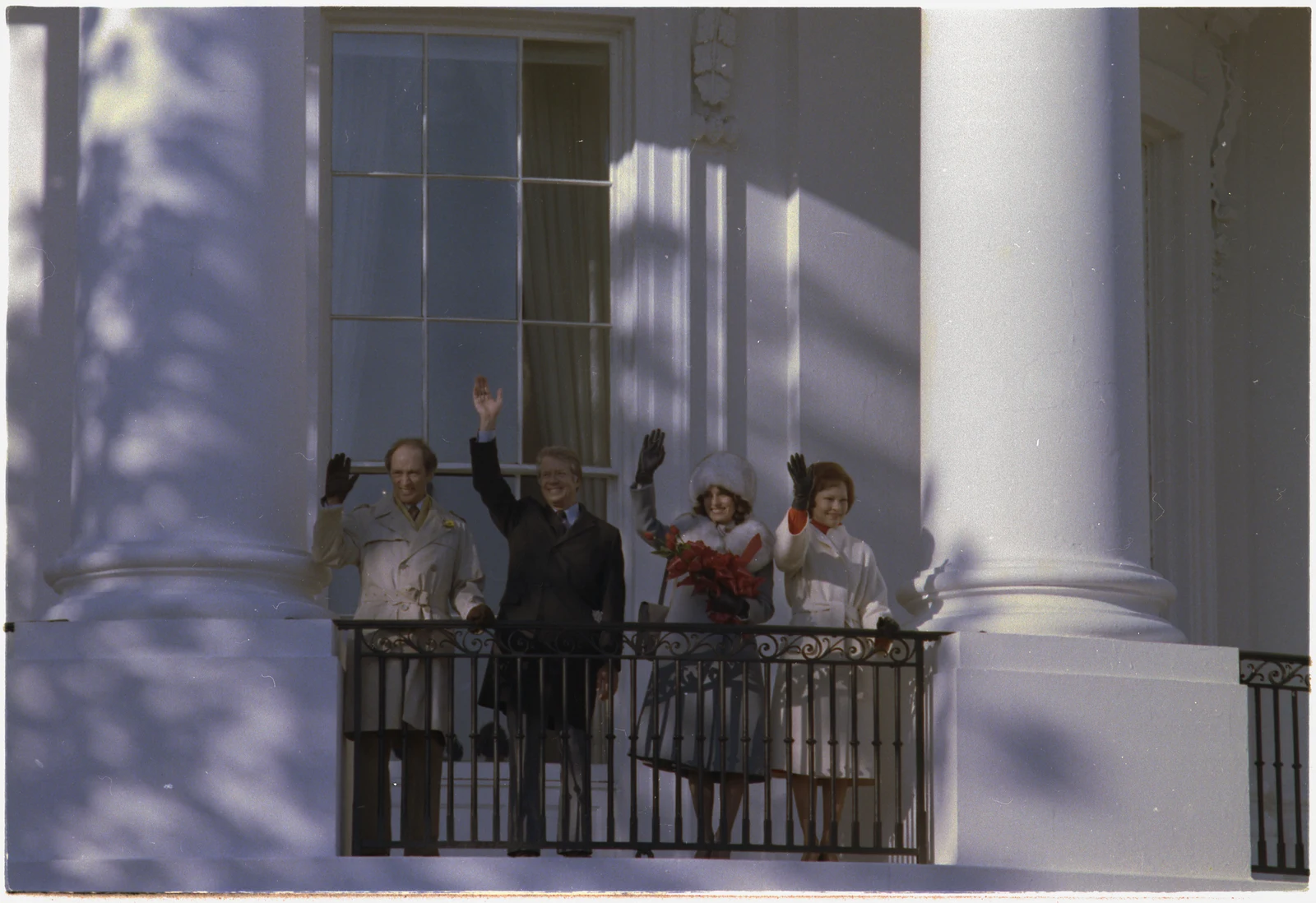
1919–2000
Pierre Trudeau
Lawyer, Liberal leader and prime minister of CanadaPierre Elliott Trudeau served as Canada’s prime minister in 1968–1979 and 1980–1984. He promoted federal bilingualism and constitutional rights while resisting Quebec sovereignty. His governments’ record also includes the suspension of civil liberties during the October Crisis, economic intervention and lasting federal–provincial conflict.Read biography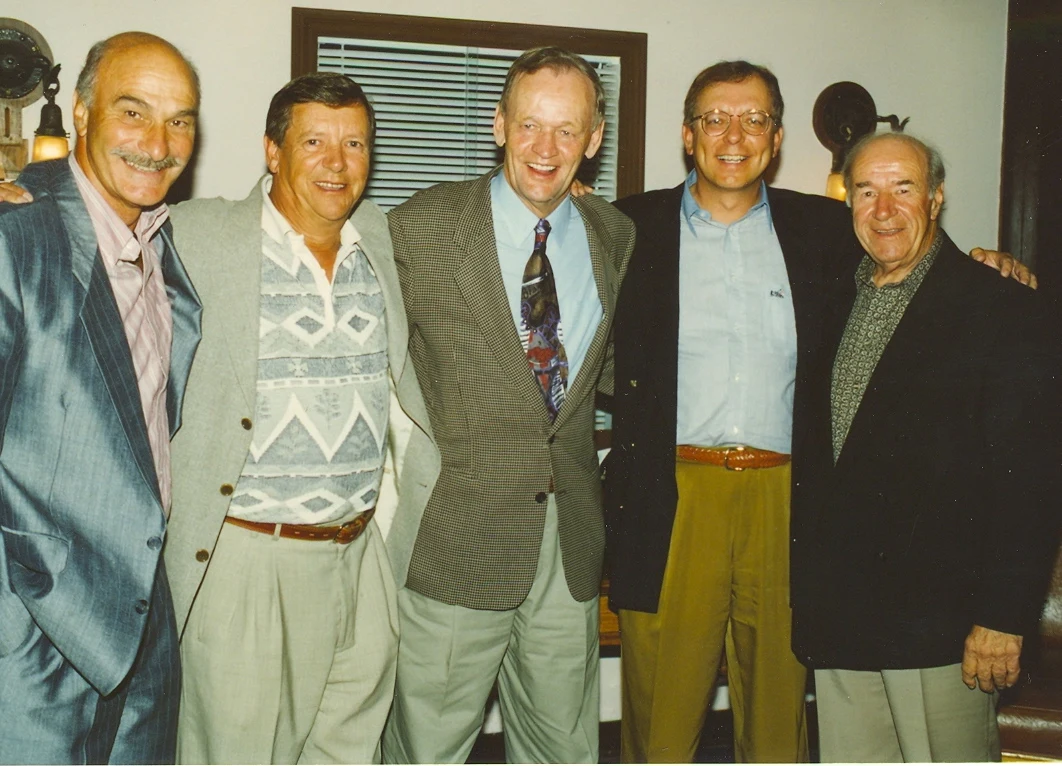
1934–
Jean Chrétien
Lawyer, Liberal cabinet minister and prime minister of CanadaJean Chrétien was Canada’s prime minister from 1993 to 2003 after a long career in Liberal cabinets. He helped negotiate the 1982 constitutional settlement, led the government through the 1995 Quebec referendum and backed the Clarity Act. His record also includes the rejected 1969 White Paper, fiscal restraint and the sponsorship scandal.Read biographyQuick answers
Common questions
- What does patriation mean?
- Here it means ending the remaining British parliamentary role in constitutional amendment and establishing Canadian amendment procedures.
- Did Quebec agree to the 1982 accord?
- Quebec’s government did not assent to the November 1981 political agreement. The Constitution Act, 1982 nevertheless applies in Quebec.
- Are section 35 Indigenous rights in the Charter?
- No. Section 35 is in Part II of the Constitution Act, 1982; the Charter is Part I.
- Can section 33 override every Charter right?
- No. It applies only to specified provisions and requires an express declaration that expires after five years unless re-enacted.
Primary and institutional sources
How this history was checked
The constitutional text establishes the legal provisions. Parliamentary analysis distinguishes convention and political consent; the consolidated law contains subsequent amendments and is not presented as an untouched 1982 facsimile. This article was reviewed on 23 October 2026.
- Department of Justice CanadaThe Constitution Acts, 1867 to 1982: consolidated text
- Mollie Dunsmuir / Library of ParliamentConstitutional Activity from Patriation to Charlottetown (1980–1992)
- Canadian HeritageGuide to the Canadian Charter of Rights and Freedoms
- Canadian Museum of HistoryPortrait of a prime minister: Jean
- Carter White House Staff Photographers / NARA / Wikimedia CommonsState visit arrival ceremony, 21 February 1977: complete unprocessed NARA 173758 photograph