
The short answer
Thailand’s modern history connects royal reform under imperial pressure, the 1932 end of absolute monarchy, Cold War military rule, repeated popular uprisings, rapid economic growth and a long contest over electoral and unelected power. This timeline keeps those breaks visible without pretending that one national chronology contains every regional or social history.
Chronology
A timeline of the turning points
Mongkut’s reign opens a new diplomatic era
Treaties, scientific exchange and selective reform helped Siam navigate intensifying British and French imperial pressure.
Chulalongkorn centralises and reforms the state
Ministries, provinces, courts, schools, railways and gradual labour reform created much of the modern administrative structure.
Territorial treaties redefine the kingdom
Confrontations and agreements with France and Britain fixed many modern borders while preserving Siam’s formal independence.
Siam enters the First World War
Participation on the Allied side supported later efforts to revise unequal treaties and increase international status.
Absolute monarchy ends
The People’s Party seized power and established a constitutional order under King Prajadhipok.
Phibun’s first government reshapes nationalism
Authoritarian cultural mandates, the name Thailand and wartime alliance with Japan changed state identity and foreign policy.
The Free Thai Movement resists the alliance with Japan
Pridi led a clandestine domestic network while Seni and Thai volunteers abroad worked with Allied intelligence organisations.
Bhumibol becomes king
The young monarch began a seventy-year reign after the death of his brother Ananda Mahidol.
A coup ends the postwar civilian opening
The Coup Group removed Thawan’s government, abolished the 1946 Constitution and opened the way for Phibun’s return.
The Palace Rebellion fails in Bangkok
Pridi’s supporters occupied the Grand Palace and announced a replacement government before army forces retook the compound.
The Manhattan Rebellion destroys the navy’s political power
Naval officers seized Phibun and held him aboard Sri Ayudhya, but army, police and air-force units defeated the revolt.
The Radio Coup consolidates military rule
A nine-officer committee dissolved the government and parliament, restored the 1932 constitutional framework and retained Phibun as premier.
A disputed election produces mass protest
Fraud allegations discredited Phibun and Phao while Sarit’s handling of student demonstrators increased his popularity.
Sarit’s coup removes Phibun and Phao
The army seized Bangkok, sent both leaders into exile and installed Pote Sarasin to oversee an interim government.
Sarit’s second coup establishes a dictatorship
Constitutional politics gave way to direct military rule, development planning and a renewed public role for the monarchy.
A constitution restores a limited parliament
An elected House returned alongside an appointed, military-dominated Senate and a strong executive.
Thailand holds its first election in eleven years
The government party won a plurality, independents became pivotal and the Democrats swept Bangkok and Thonburi.
Thanom stages a self-coup
The incumbent leadership dissolved parliament, suspended the constitution and restored direct military rule.
A popular uprising removes Thanom
Student-led mass mobilisation and lethal clashes ended a decade of military government.
A new constitution defines the democratic opening
The charter protected a broader range of rights and paired an elected House with an appointed Senate.
The Democrats win a stronger plurality
Seni Pramoj formed a broad coalition after his party won 114 of the elected House’s 279 seats.
Thanom returns from exile as a novice monk
The former dictator’s return triggered renewed protests and a cabinet crisis before the violence of 6 October.
Massacre and coup close the democratic opening
Security forces and right-wing groups attacked protesters at Thammasat University before the military seized power.
A second coup removes Thanin
The military displaced the government it had installed a year earlier, and Kriangsak Chamanan became prime minister in November.
A new constitution creates a managed parliamentary order
The charter restored an elected House while an appointed Senate and transition rules preserved substantial military influence.
House elections return without a majority party
The Social Action Party won the largest party bloc, independents remained numerous and Kriangsak continued as prime minister.
Prem takes office and Order 66/2523 reframes counterinsurgency
Prem succeeded Kriangsak, while a new policy paired security pressure with political accommodation, amnesty and reintegration.
The Young Turks coup attempt collapses
Officers seized Bangkok, but Prem organised a counter-command at Nakhon Ratchasima and the takeover lost military and royal support.
An election follows constitutional confrontation
Social Action won the largest House bloc after elected representatives rejected an extension of temporary military privileges.
A second coup attempt against Prem fails
Several hundred troops and twenty-two tanks moved through Bangkok, but loyal forces retained communications and defeated the plot.
The Democrats win a 100-seat plurality
A four-party majority nevertheless returned the unelected Prem for his final post-election government.
Chatichai succeeds Prem after an election
Chart Thai led the result, Prem declined another term and an elected MP headed government for the first time since 1976.
A coup removes Chatichai’s elected coalition
The NPKC detained the prime minister, repealed the constitution and installed an interim order that led toward the 1992 succession crisis.
A post-coup election produces a pro-military majority
Samakkhi Tham finished first and allied parties controlled 195 seats before installing unelected coup leader Suchinda.
Black May challenges military succession
Protest and state violence forced General Suchinda Kraprayoon from the premiership and returned an interim Anand government.
Chuan leads the post–Black May election
The Democrats won the largest bloc and formed a 207-seat coalition committed to civilian party government.
Chart Thai wins and Banharn forms a coalition
A seven-party alliance took office after Chuan’s government lost a partner over a land-reform controversy.
New Aspiration narrowly defeats the Democrats
Chavalit became prime minister after a two-seat lead and coalition negotiations in a slowing economy.
The baht is floated
A currency and banking crisis began in Thailand and spread across East and Southeast Asia.
The People’s Constitution is promulgated
Participatory drafting produced stronger rights, redesigned elections and new oversight bodies.
Thai Rak Thai wins the first election under the 1997 charter
The new party took 248 of 500 seats and formed a commanding coalition led by Thaksin Shinawatra.
National programmes transform electoral expectations
Universal health coverage, village funds and economic recovery broadened support while rights abuses and concentrated power drew criticism.
Thai Rak Thai wins a 377-seat landslide
Thaksin became the first elected premier to complete a full term and win another mandate.
A boycotted election is annulled
The incomplete poll failed to produce a functioning House and the Constitutional Court ordered a replacement vote.
A coup removes Thaksin and repeals the constitution
The armed forces abolished the 1997 constitutional order and installed a transition led by Surayud Chulanont.
A referendum approves a post-coup constitution
The charter restored an elected House while creating a mixed Senate and stronger unelected checks.
The People Power Party wins the post-coup election
The Thaksin-aligned party took 233 seats and formed a six-party coalition under Samak Sundaravej.
Protest, courts and coalition change reshape government
Samak and Somchai lost office through court rulings, PAD occupied Bangkok’s airports and Abhisit formed a new House coalition.
Red Shirt protests end in a deadly crackdown
A demand for an early election became a prolonged occupation and armed confrontation that killed at least ninety people.
Pheu Thai wins an outright majority
The party won 265 seats and Yingluck Shinawatra became Thailand’s first woman prime minister.
Protest and institutional deadlock break the electoral path
An amnesty dispute became a PDRC campaign for reform before elections, producing occupations, violence and prolonged caretaker rule.
An incomplete general election is annulled
A boycott and obstruction left constituencies without candidates or voting; the Constitutional Court voided the poll under the same-day rule.
The Constitutional Court removes Yingluck
The Thawil Pliensri transfer judgment ended Yingluck’s office and those of nine participating ministers.
Prayut leads another military coup
The NCPO removed the caretaker government, suspended the constitutional order and governed until the 2019 transition.
A referendum approves a post-coup draft
The charter won 61.35 percent of valid votes and a supplementary question authorised an appointed Senate role in selecting the next prime minister.
Bhumibol’s reign ends
The death of Rama IX closed the longest reign in Thai history and began a new royal era.
The 2017 Constitution takes effect
The charter restores an elected House while preserving appointed institutions, NCPO legal continuity and a binding reform framework.
Elections resume under a new constitution
Voting restored an elected lower house, but rules preserved a major role for institutions created after the 2014 coup.
Youth protests widen the reform debate
A decentralised movement demanded a new constitution, an end to official harassment and open discussion of monarchy reform.
Move Forward wins the election but not government
The reform party won 151 seats, but Pita failed in the joint House–Senate vote; a Pheu Thai-led coalition took office and Thaksin returned from exile.
Court removals and two Anutin appointments
Court rulings ended the Srettha and Paetongtarn governments; Anutin first won a House vote in 2025 and returned after Bhumjaithai led the 2026 election.
Bhumjaithai wins and Anutin returns
Bhumjaithai became the largest House party with 192 seats; a majority coalition then returned Anutin through a House-only prime-minister vote.
Voters authorise a new-constitution process
A nationwide referendum approved beginning work toward a replacement charter while leaving the 2017 Constitution in force during drafting.
How did Siam avoid formal colonisation?
Siam’s rulers negotiated between British and French empires, conceded territory and commercial privileges, and presented administrative reform as evidence of a sovereign state capable of governing itself. Geography between colonial possessions created room for negotiation, but survival was not cost-free.
“Never colonised” should not imply isolation or equality. Extraterritorial courts, unequal treaties and territorial loss constrained sovereignty, while central reforms extended Bangkok’s control over regions that had previously held greater autonomy.
What did royal modernisation change?
Mongkut used diplomacy, religious scholarship and scientific exchange to manage a changing international order. Chulalongkorn developed ministries, provincial administration, legal reform, schools and infrastructure on a far larger scale.
The same process gradually ended slavery and corvée obligations, but it also concentrated taxation and authority in the capital. Modernisation expanded both individual freedom from older labour systems and the reach of a centralised state.
Why is 1932 the central constitutional break?
The People’s Party ended absolute monarchy on 24 June 1932 and introduced Siam’s first constitution. The monarchy remained, but government henceforth operated through cabinets, assemblies and written charters.
The new framework did not settle democratic power. Civilian and military factions struggled inside the People’s Party, royalists rebelled, and later coups repeatedly replaced constitutions. The constitutional vocabulary survived even when constitutional rule did not.
How did the Cold War reshape Thailand?
After the Second World War, military leaders aligned Thailand closely with the United States. Aid, roads, bases and counterinsurgency connected development to regional wars and anti-communist security policy.
Sarit and Thanom restricted political participation while strengthening bureaucracy and royal public symbolism. Rapid urbanisation and university expansion nevertheless created social groups capable of mounting the mass challenge of October 1973.
Why do 1973, 1976 and 1992 belong together?
The 1973 uprising demonstrated the power of civilian mobilisation and opened competitive politics. The 1976 massacre showed how quickly democratic space could collapse under polarisation, organised violence and military intervention.
Black May in 1992 again followed an attempt to convert coup authority into a premiership. Protesters were killed, but the crisis ended with a civilian interim government and helped make elected leadership a stronger expectation during the 1990s.
What was “Premocracy” in the 1980s?
The term describes Prem Tinsulanonda’s eight-year premiership: elected coalition parties and a functioning House operated alongside an appointed Senate, a non-party prime minister and powerful military and royal networks. Elections in 1983 and 1986 changed party strength without directly choosing the head of government.
Prem survived coup attempts in 1981 and 1985, used technocrats and party coalitions, and eventually declined another term after the 1988 election. Chatichai Choonhavan’s succession expanded parliamentary leadership, but the 1991 coup showed that the transition had not established civilian supremacy over the armed forces.
What did the 1997 crisis change?
The baht crisis exposed short-term foreign debt, weak finance companies and property excess after a decade of rapid growth. Recession damaged established parties and confidence in technocratic economic management.
Thaksin’s electoral coalition later offered universal health coverage, village funds and other programmes that made central government more immediate to many rural voters. His success also intensified conflict over executive power, accountability and the authority of unelected institutions.
How should the recent era be read?
Coups in 2006 and 2014, court interventions, street movements and new constitutions repeatedly altered electoral outcomes. Supporters of intervention invoked corruption and stability; critics argued that repeated overrides prevented voters from resolving political competition.
The 2023 election showed strong demand for reform but produced a different coalition. Court rulings then ended the premierships of Srettha Thavisin and Paetongtarn Shinawatra. Anutin Charnvirakul became prime minister through a House vote in 2025 and won a second appointment after Bhumjaithai led the 2026 election.
Because the political settlement remains open, a responsible timeline dates claims carefully and separates completed events from predictions about Thailand’s future. The officeholder list linked below records all thirty-two officially numbered prime ministers and distinguishes repeat terms from unique people.
Continue the chronology
Related history guides
Prime Ministers of Thailand
Compare all thirty-two officially numbered premiers, repeat terms, coups, House votes and court removals.
Read the timeline24 June 1932The Siamese Revolution
Examine the People’s Party, first constitutions and the transition from absolute monarchy.
Read the timeline1941–1945The Free Thai Movement
Follow the domestic, American and British networks that opposed Thailand’s wartime alliance with Japan.
Read the timeline8 November 1947The 1947 Thai Coup
Trace the end of the postwar civilian opening, Khuang’s appointment and Phibun’s return.
Read the timeline26–27 February 1949The 1949 Palace Rebellion
Follow Pridi’s failed counter-coup, the fighting in Bangkok and the destruction of his political network.
Read the timeline29–30 June 1951The Manhattan Rebellion
Follow Phibun’s abduction, the sinking of Sri Ayudhya and the navy’s political defeat.
Read the timeline29 November 1951The 1951 Radio Coup
Examine the broadcast takeover that dissolved parliament and entrenched the Coup Group.
Read the timeline26 February 1957The February 1957 Thai General Election
Trace the fraud allegations, student protest and factional crisis that weakened Phibun and Phao.
Read the timeline16 September 1957The 1957 Thai Coup
Follow Sarit’s seizure, the two exiles and Pote Sarasin’s interim government.
Read the timeline20 October 1958The 1958 Thai Coup
Examine the Revolutionary Council, abolished parliament and the transition to direct dictatorship.
Read the timeline1958–1963The Sarit Era in Thailand
Connect coercive power to national planning, royal revival and the United States alliance.
Read the timeline20 June 1968The 1968 Constitution of Thailand
Examine the elected House, appointed Senate and limits of the constitutional opening.
Read the timeline10 February 1969The 1969 Thai General Election
Read the 219-seat result, Bangkok opposition sweep and post-election realignment.
Read the timeline17 November 1971Thanom’s 1971 Self-Coup
Follow the destruction of parliament and constitutional rule on the road to 1973.
Read the timeline6–14 October 1973The Thai Popular Uprising
Follow the student movement, mass mobilisation, state violence and the fall of Thanom.
Read the timeline7 October 1974The 1974 Constitution of Thailand
Examine the rights framework, elected House, appointed Senate and party system created after the uprising.
Read the timeline26 January 1975The 1975 Thai General Election
Follow the first election after the uprising, Kukrit’s coalition and the early 1976 return to the polls.
Read the timeline4 April 1976The 1976 Thai General Election
Read the 279-seat result, Democrat gains and Seni Pramoj’s broad coalition.
Read the timeline19 September 1976Thanom’s Return to Thailand
Follow the monastic return, renewed protest and cabinet crisis before 6 October.
Read the timeline6 October 1976The Thammasat Massacre
Trace the return of Thanom, organised violence, the assault on Thammasat and the coup that followed.
Read the timeline20 October 1977The 1977 Thai Coup
Follow Thanin’s removal, Kriangsak’s appointment and the controlled parliamentary reopening.
Read the timeline22 December 1978The 1978 Constitution of Thailand
Examine the elected House, appointed Senate and transition rules that defined a managed reopening.
Read the timeline22 April 1979The 1979 Thai General Election
Read the fragmented House result, strong independent vote and Kriangsak’s continuation in office.
Read the timeline23 April 1980Order 66/2523 and the Prem Era
Trace the shift toward political accommodation, amnesty and reintegration in Thailand’s counterinsurgency.
Read the timeline1–3 April 1981The 1981 Young Turks Coup Attempt
Follow the seizure of Bangkok, Prem’s counter-command and the military realignment after the attempt failed.
Read the timeline18 April 1983The 1983 Thai General Election
Read the constitutional confrontation, Social Action result and coalition that retained Prem.
Read the timeline9 September 1985The 1985 Thai Coup Attempt
Trace the rebel deployment, lethal fighting and military realignment after the attempt failed.
Read the timeline27 July 1986The 1986 Thai General Election
Follow the Democrat plurality, four-party majority and Prem’s last government.
Read the timeline24 July 1988The 1988 Thai General Election
See why Prem stepped aside and Chatichai became the first elected MP in twelve years to lead government.
Read the timeline23 February 1991The 1991 Thai Coup
Examine Chatichai’s removal, NPKC rule, Anand’s interim cabinet and the path to Black May.
Read the timeline22 March 1992The March 1992 Thai General Election
Read the post-coup result and unelected premiership that produced Black May.
Read the timeline17–20 May 1992Black May 1992
Follow the campaign against military succession, the crackdown and Suchinda’s resignation.
Read the timeline13 September 1992The September 1992 Thai General Election
Follow the transition to Chuan’s five-party civilian coalition.
Read the timeline2 July 1995The 1995 Thai General Election
Trace Chart Thai’s victory and Banharn’s seven-party government.
Read the timeline17 November 1996The 1996 Thai General Election
Examine the two-seat result that made Chavalit prime minister.
Read the timeline11 October 1997The 1997 Constitution of Thailand
Read the participatory drafting process and institutional reforms of the People’s Constitution.
Read the timeline1997–1999The Asian Financial Crisis in Thailand
Trace foreign borrowing, the baht float, recession, IMF programme and regional contagion.
Read the timeline6 January 2001The 2001 Thai General Election
Follow the first election under the People’s Constitution and Thai Rak Thai’s breakthrough.
Read the timeline2001–2005Thaksin’s First Government
Assess universal coverage, village funds, economic recovery and the term’s human-rights record.
Read the timeline6 February 2005The 2005 Thai General Election
Examine the 377-seat result and creation of a single-party government.
Read the timeline2 April–8 May 2006The Annulled 2006 Thai General Election
Trace the opposition boycott, incomplete House, judicial ruling and cancelled rerun.
Read the timeline19 September 2006The 2006 Thai Coup
Examine the political deadlock, military takeover, constitutional repeal and 2007 transition.
Read the timeline19–24 August 2007The 2007 Constitution and Referendum
Compare the post-coup drafting process, referendum result and institutional redesign.
Read the timeline23 December 2007The 2007 Thai General Election
Follow the People Power plurality and Samak’s six-party coalition.
Read the timelineJanuary–December 2008The 2008 Thai Political Crisis
Follow two court removals, protest occupations, October violence and the coalition change.
Read the timelineMarch–May 2010The 2010 Thai Red Shirt Protests
Trace the early-election demand, armed clashes, live-fire operations and accountability dispute.
Read the timeline3 July 2011The 2011 Thai General Election
Examine Pheu Thai’s majority and Yingluck’s path to becoming the first woman prime minister.
Read the timelineNovember 2013–May 2014The 2013–2014 Thai Political Crisis
Follow the amnesty dispute, PDRC campaign, political violence and failed electoral exit.
Read the timeline2 February–21 March 2014The Annulled 2014 Thai General Election
Examine the boycott, obstruction, incomplete turnout figures and same-day election ruling.
Read the timeline7 May 2014Yingluck Shinawatra’s Removal
Separate the Thawil transfer judgment from the election case and rice-policy proceedings.
Read the timeline22 May 2014The 2014 Thai Coup
Follow the disrupted election, military takeover, NCPO rule and post-coup constitution.
Read the timeline7 August 2016The 2016 Thai Constitutional Referendum
Examine the official result, supplementary Senate question and restricted campaign environment.
Read the timeline6 April 2017–presentThailand’s 2017 Constitution
Understand the House, transitional Senate, national strategy and amendment rules.
Read the timeline2019–2026Thailand Elections Compared
Compare final seats, turnout, changing electoral systems and the shift from joint to House-only prime-minister votes.
Read the timeline24 March 2019The 2019 Thai General Election
Follow the first post-coup House election, Future Forward’s breakthrough and Prayut’s return through a joint parliamentary vote.
Read the timeline2020–2021The 2020 Thai Youth Protests
Follow the three demands, monarchy-reform debate, emergency measures and criminal cases.
Read the timeline14 May 2023The 2023 Thai General Election
Trace Move Forward’s first-place result, Pita’s failed vote and the coalition that followed.
Read the timeline7–9 August 2024The Dissolution of the Move Forward Party
Follow the Constitutional Court ruling, ten-year restrictions and the surviving MPs’ regrouping as the People’s Party.
Read the timeline8 February 2026The 2026 Thai General Election
Read the final seat distribution, turnout, coalition agreement and Anutin’s House-only return.
Read the timeline8 February 2026The 2026 Thai Constitutional Referendum
Follow the vote authorising a replacement process and the remaining constitutional steps.
Read the timeline1851–2016Four Thai Kings and Political Change
Compare four reigns across modernisation, constitutional rupture and national development.
Read the timelineConnected biographies
Thirty-eight lives spanning royal reform, wartime resistance, military nationalism and today’s premiership
1804—1868
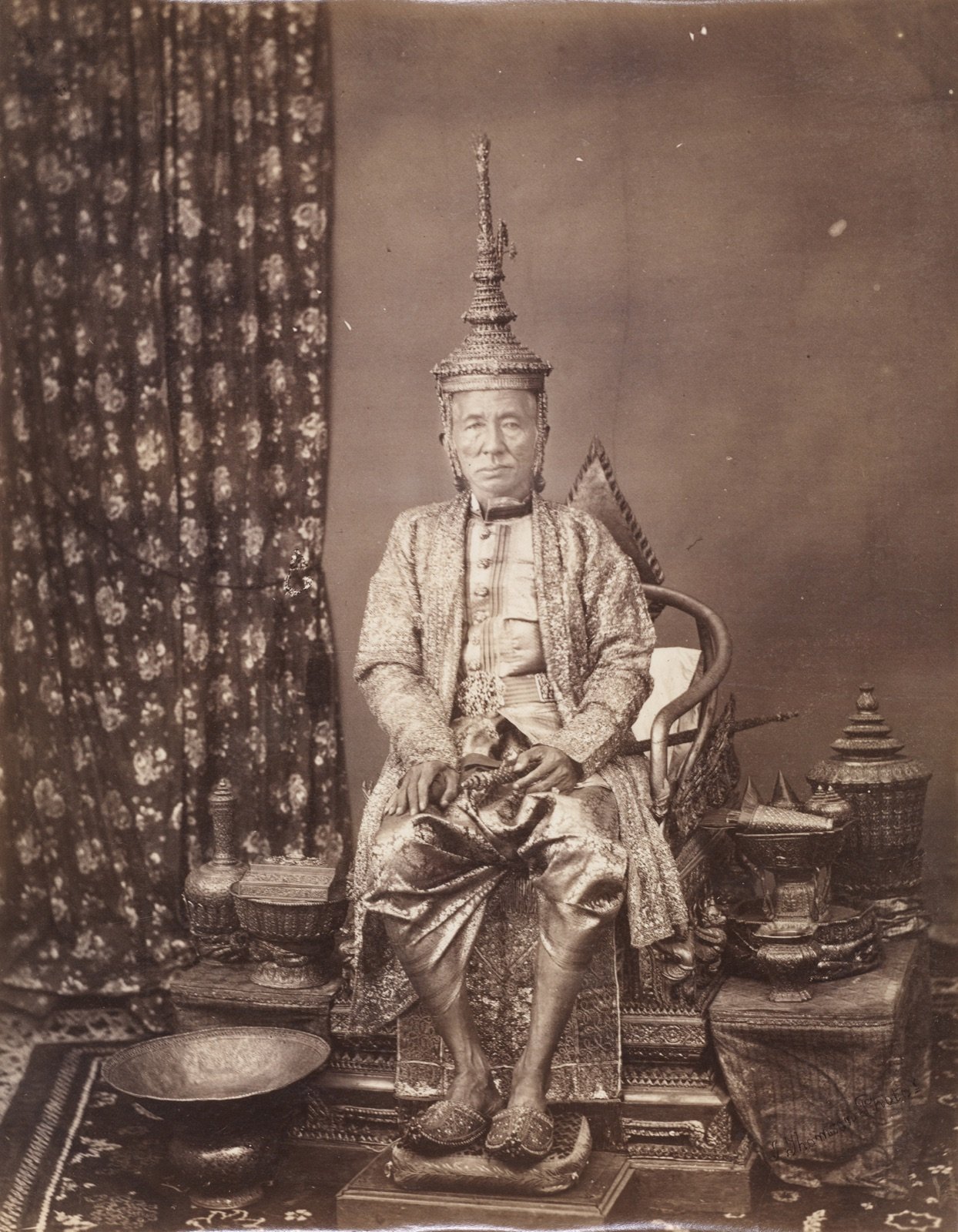
Mongkut
King of Siam, 1851–1868The Siamese king known as Rama IV, whose reign combined Buddhist scholarship, treaty diplomacy, scientific observation and adaptation to imperial pressure.Read biography
1853—1910
Chulalongkorn
King of Siam, 1868–1910The Siamese king known as Rama V, whose long reign built modern ministries, expanded education and transport, and restructured labour and law.Read biography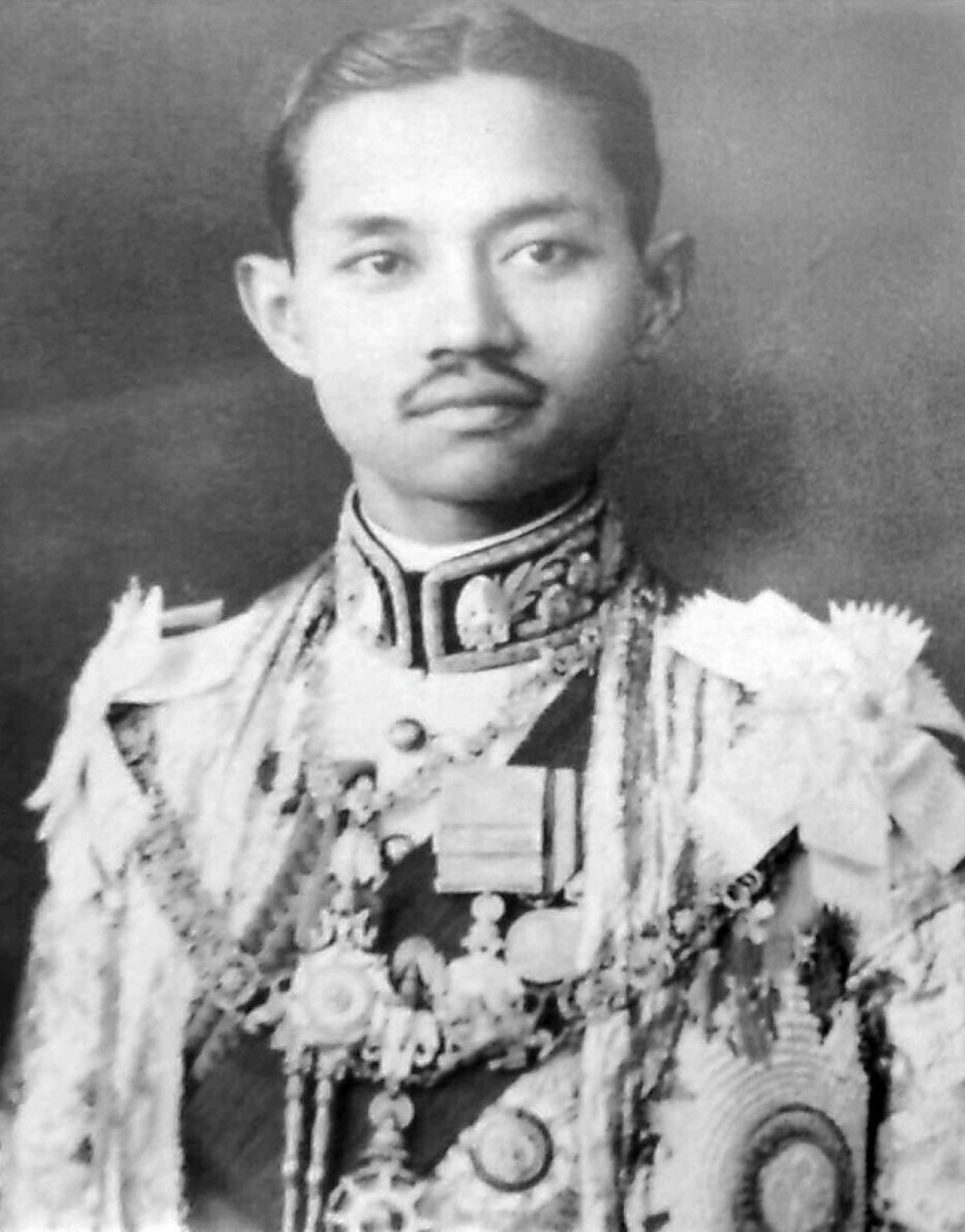
1893—1941
Prajadhipok
King of Siam, 1925–1935The seventh Chakri king, whose reign encompassed economic retrenchment, the 1932 revolution, Thailand’s first constitutions and royal abdication.Read biography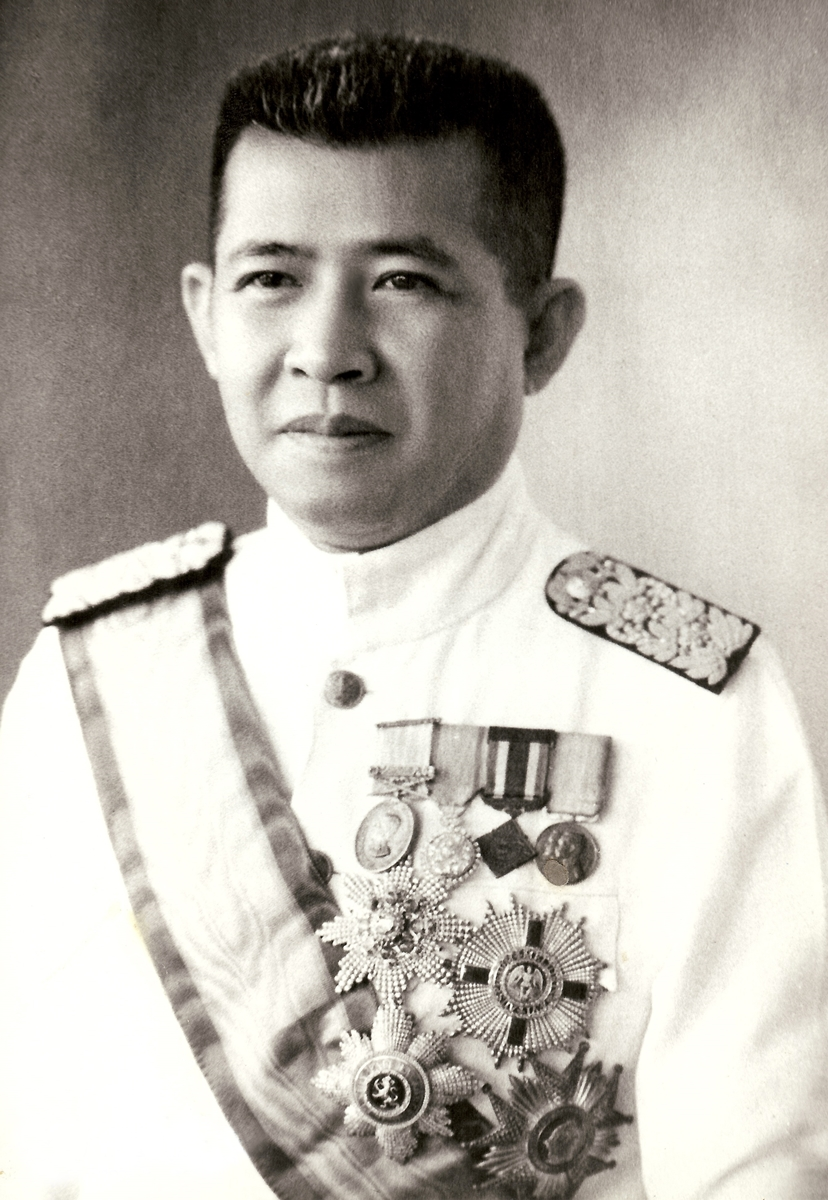
1900—1983
Pridi Banomyong
Statesman, jurist and prime ministerA jurist and statesman who helped end absolute monarchy, founded Thammasat University and led the civilian Free Thai resistance during the Second World War.Read biography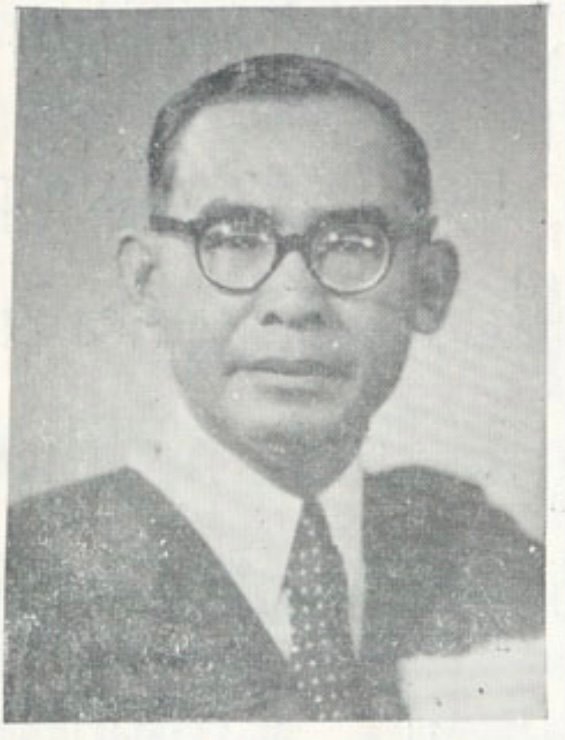
1905—1967
Direk Jayanama
Thai diplomat, foreign minister and Free Thai memberThe lawyer, People’s Party member and diplomat who navigated Thailand’s wartime relationship with Japan, joined the Free Thai resistance and built a lasting academic institution.Read biography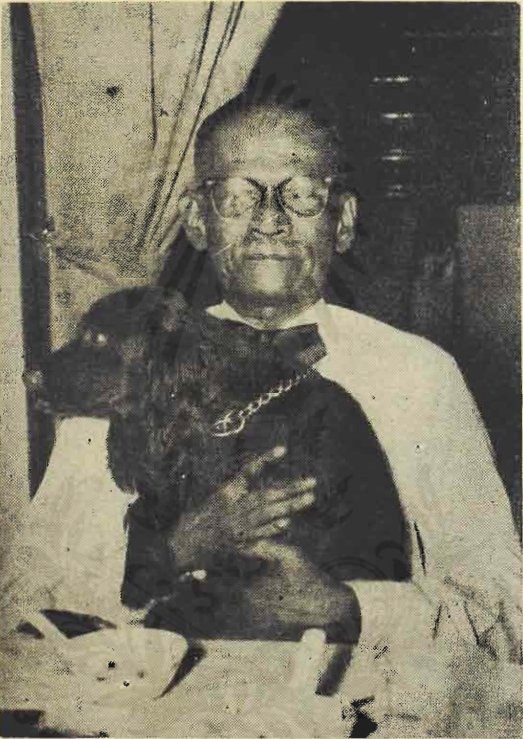
1894—1969
Adun Adundetcharat
Thai police chief and deputy Free Thai leaderAn army officer turned national police chief who joined the 1932 revolution, built a formidable security apparatus and later made that apparatus central to the Free Thai resistance.Read biography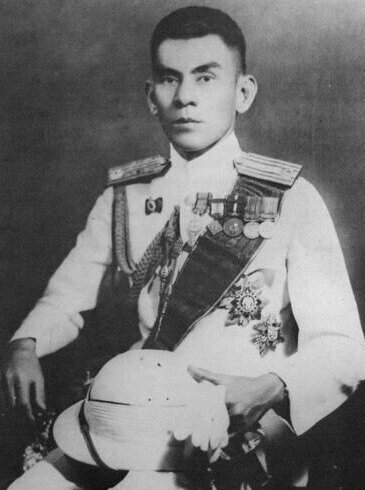
1901—1988
Thawan Thamrongnawasawat
8th Prime Minister of Thailand and naval officerA naval officer, lawyer and People’s Party member who became prime minister during Thailand’s unstable postwar transition and was removed by the 1947 coup.Read biography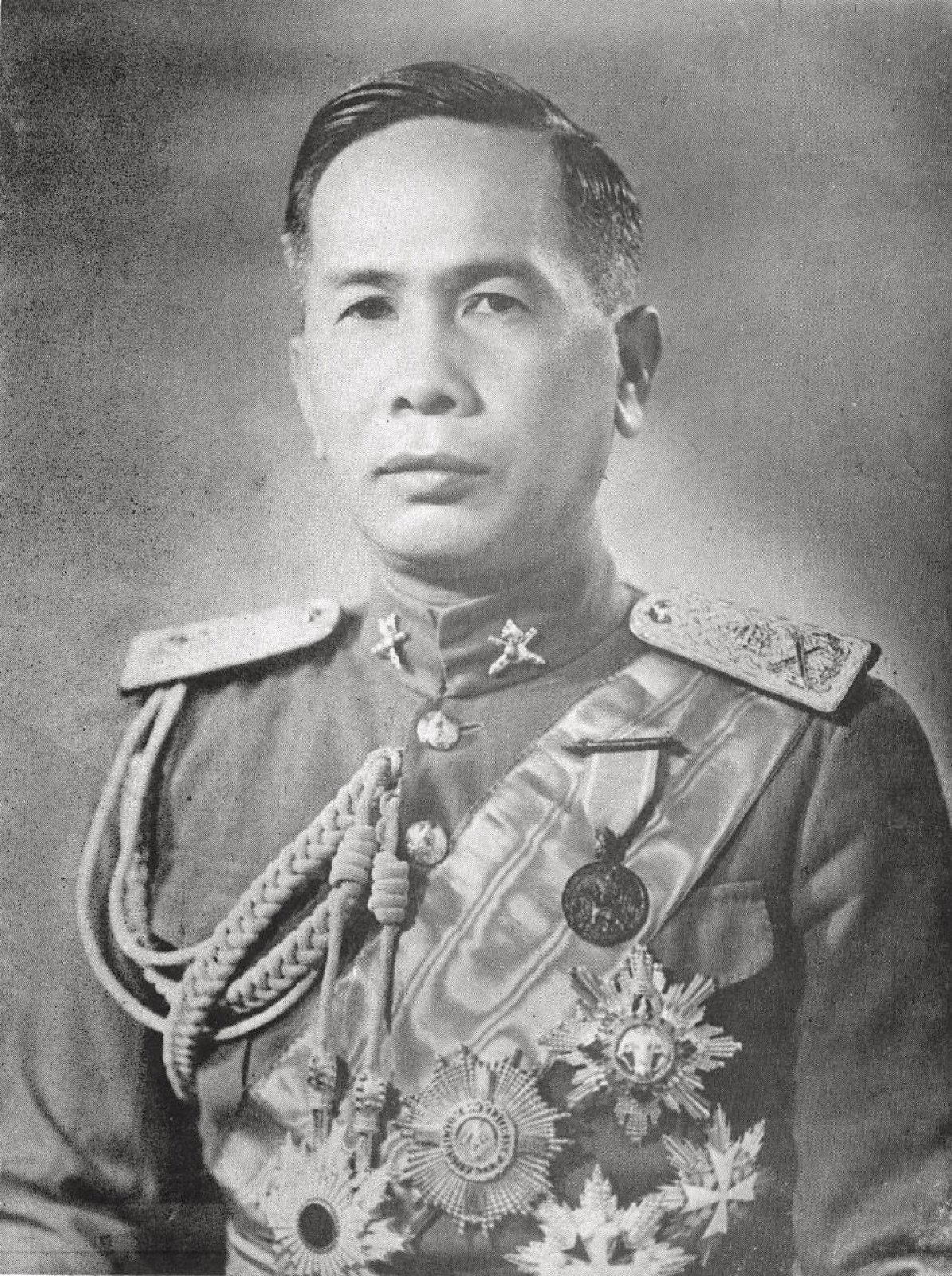
1897—1964
Plaek Phibunsongkhram
Military officer and prime minister of ThailandA military leader of the 1932 revolution who twice served as prime minister and used state power to promote nationalism, social mandates and a new name for the country.Read biography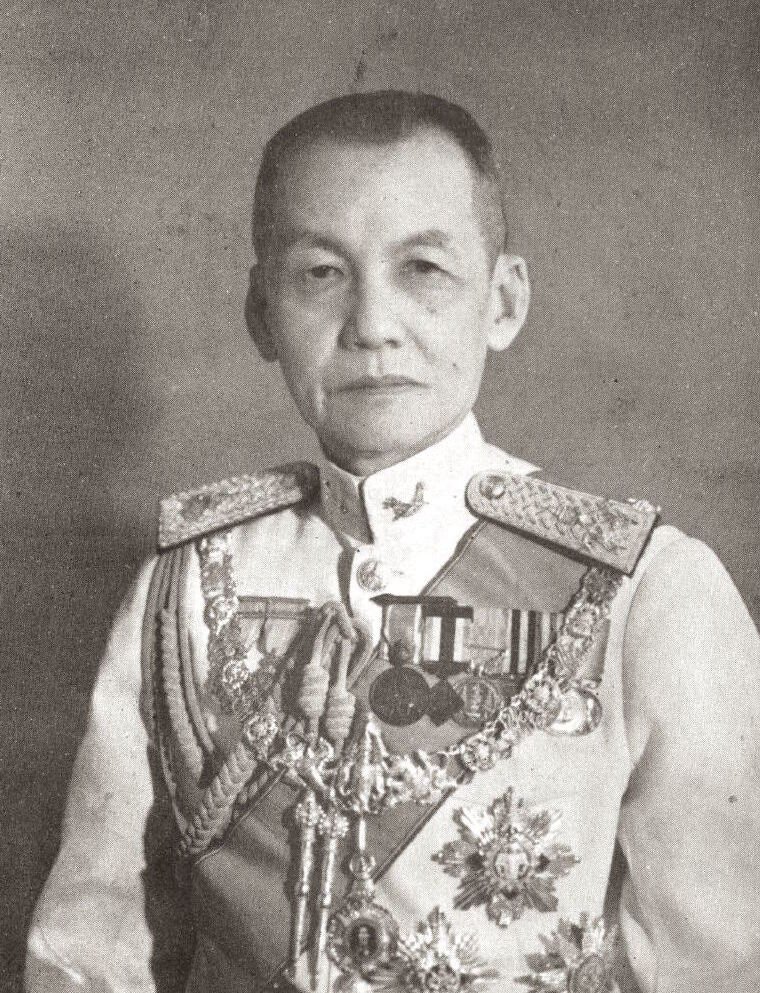
1891—1973
Phin Choonhavan
Thai field marshal and leader of the 1947 Coup GroupA professional soldier who became the public leader of Thailand’s 1947 Coup Group, army commander and patriarch of an influential military-political family.Read biography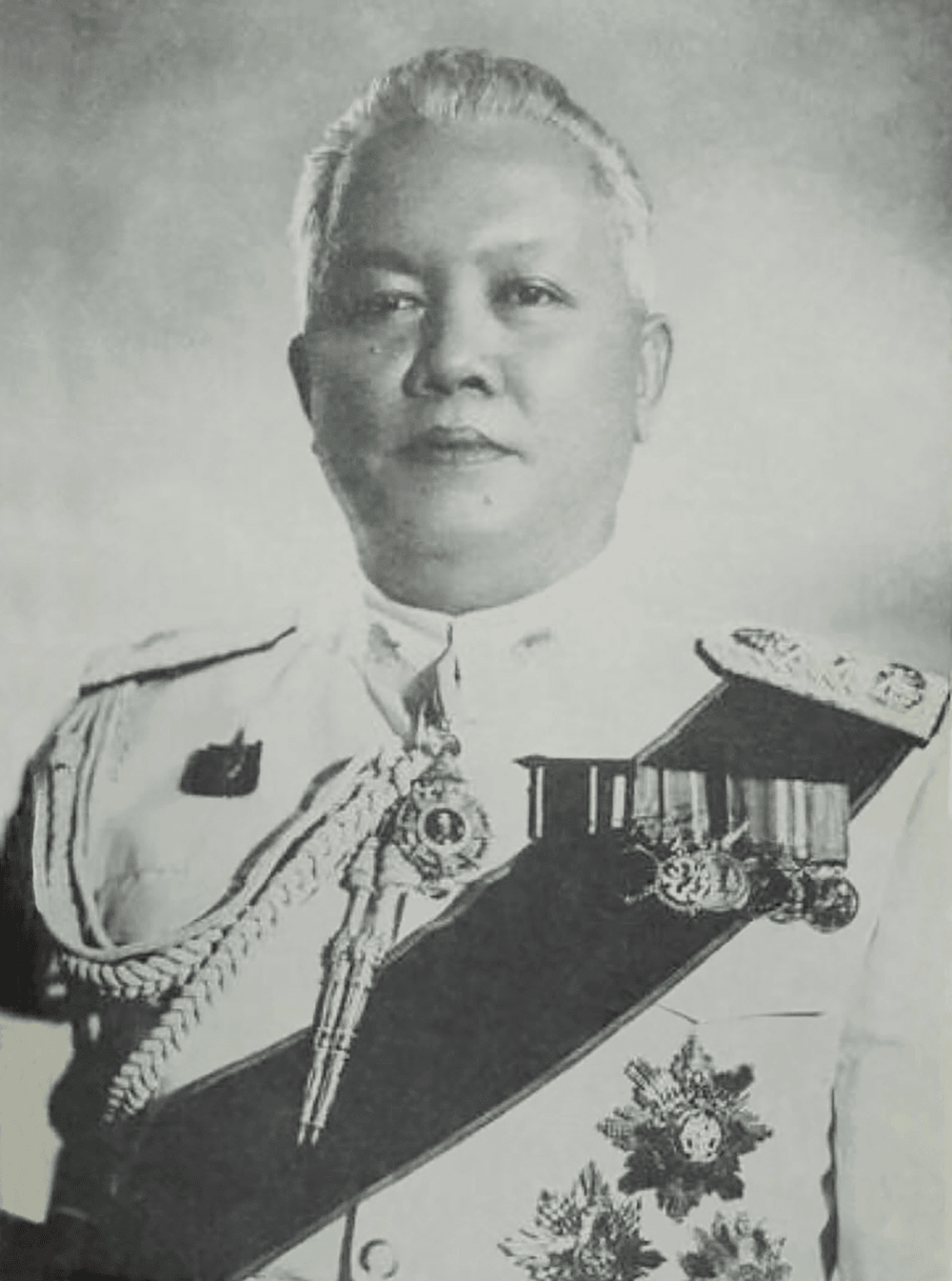
1910—1960
Phao Siyanon
Thai police general and Cold War power brokerA police general who helped make Thailand’s national police a heavily armed Cold War power centre while presiding over political repression and a far-reaching patronage network.Read biography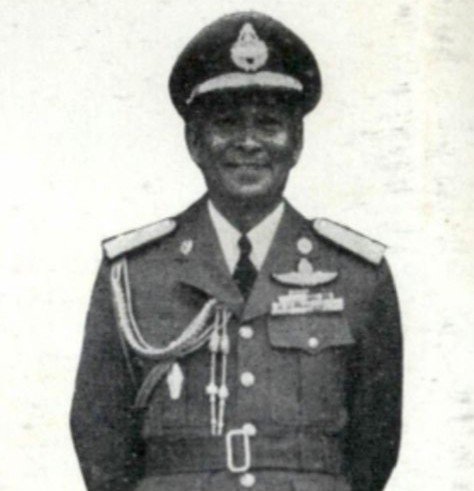
1900—1987
Fuen Ronnaphagrad Ritthakhanee
Royal Thai Air Force commander and deputy prime ministerAn air-force commander whose intervention in the Manhattan Rebellion made him a central military actor, cabinet minister and member of Thailand’s 1951 Radio Coup junta.Read biography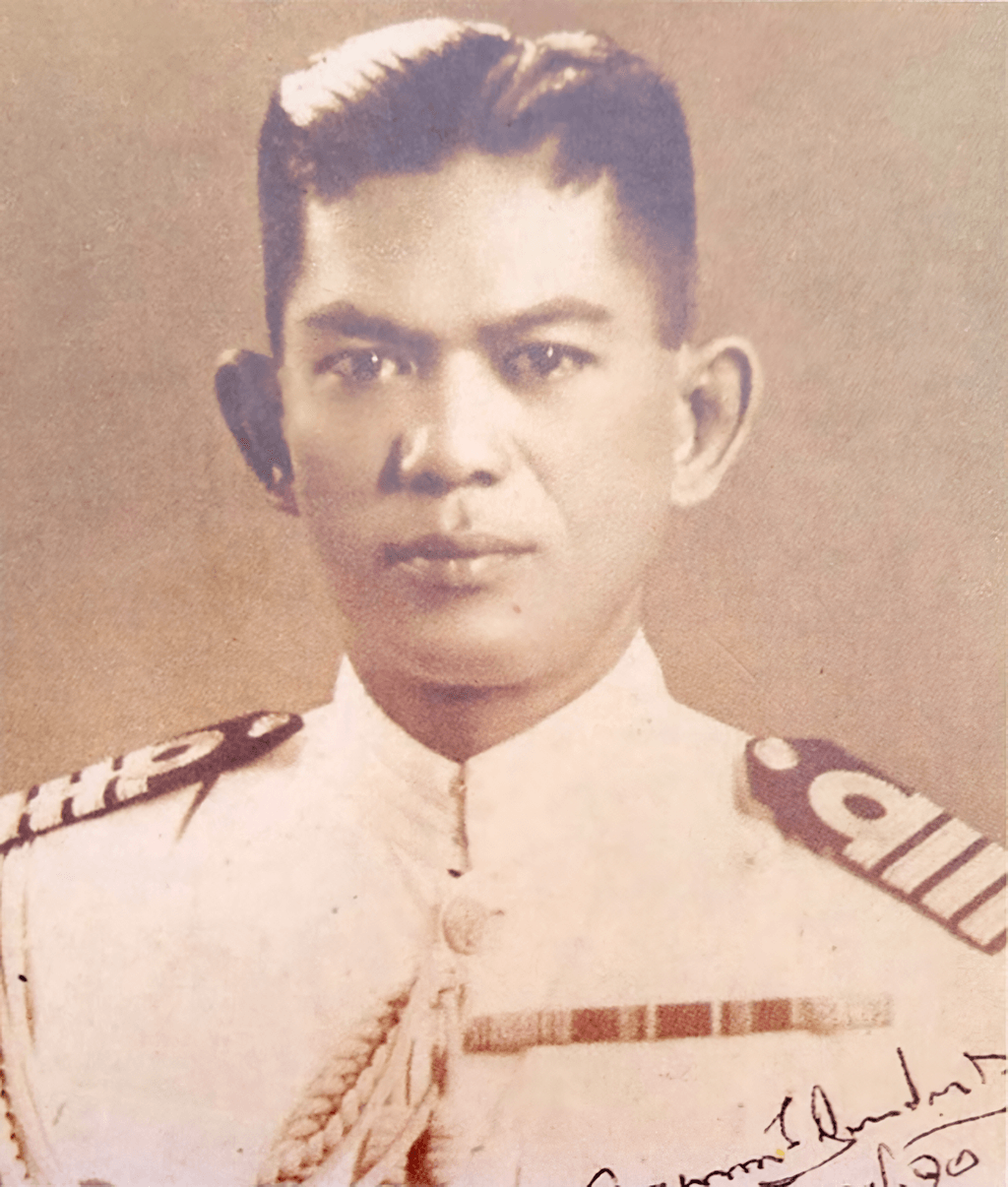
1910—1985
Anon Puntharikapha
Royal Thai Navy captain and leader of the Manhattan RebellionA Thai naval captain who led the Manhattan Rebellion, escaped to Burma after its defeat and spent years with the Mon nationalist movement before returning home.Read biography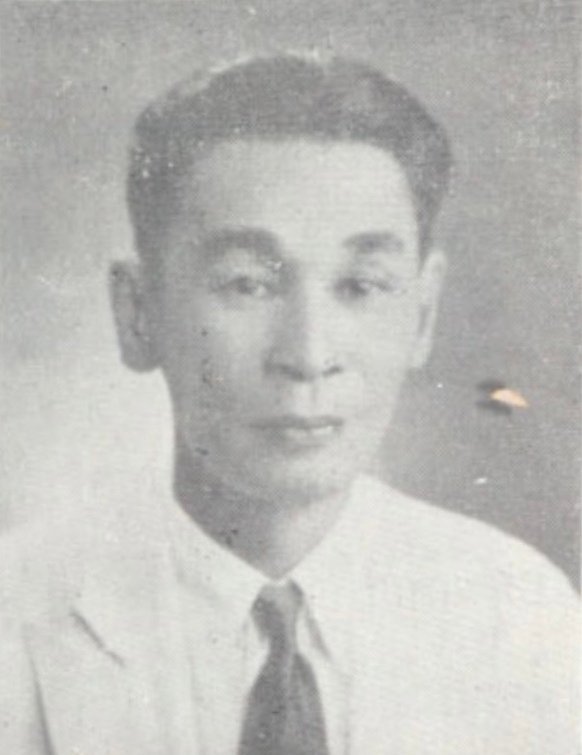
1902—1968
Khuang Aphaiwong
4th Prime Minister of Thailand and Democrat Party founderThe engineer and People’s Party veteran who led a wartime transition, served three periods as prime minister and became the first leader of Thailand’s Democrat Party.Read biography
1927—2016
Bhumibol Adulyadej
King of Thailand, 1946–2016Thailand’s longest-reigning monarch, whose seven decades on the throne spanned rapid development, repeated political crises and profound social change.Read biography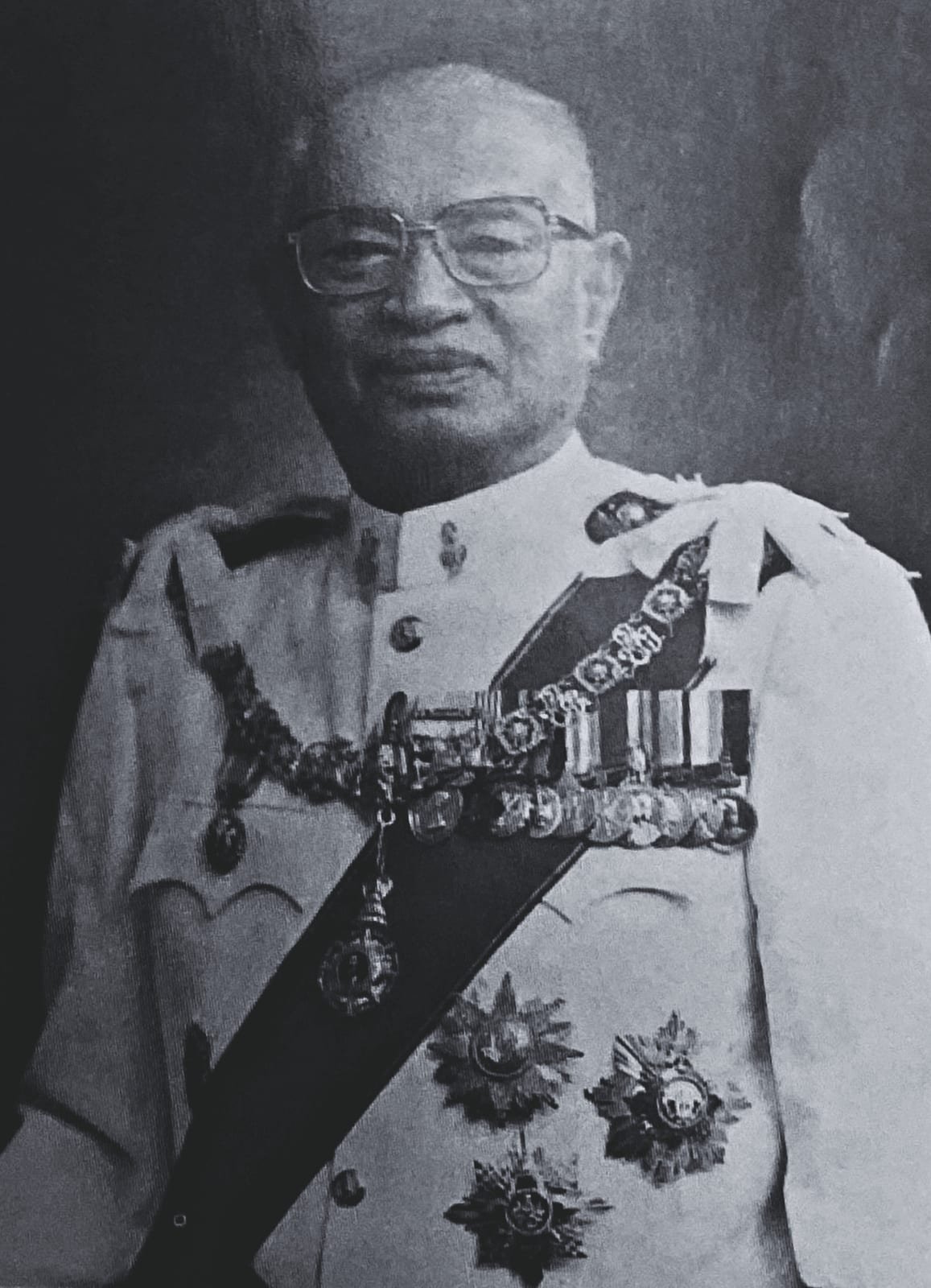
1907—2002
Sanya Dharmasakti
Jurist, university rector and former prime ministerThe jurist and Thammasat rector appointed prime minister after military rule collapsed in October 1973, who oversaw a new constitution and return to elections.Read biography
1905—1997
Seni Pramoj
6th Prime Minister of Thailand and Free Thai diplomatThe lawyer and wartime diplomat who refused to deliver Thailand’s declaration of war to Washington, organised Free Thai resistance abroad and later led three governments.Read biography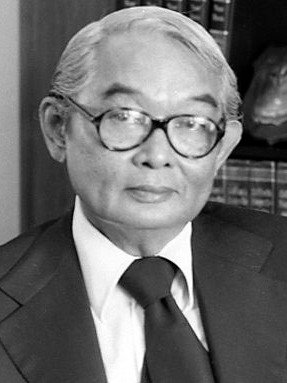
1911—1995
Kukrit Pramoj
13th Prime Minister of Thailand and writerThe writer, newspaper founder and Social Action Party leader who assembled Thailand’s fragmented 1975 coalition and became its thirteenth prime minister.Read biography
1927—2025
Thanin Kraivichien
14th Prime Minister of Thailand and judgeThe judge and law professor appointed prime minister after the 1976 coup, whose hard-line anti-communist government was removed by another military takeover a year later.Read biography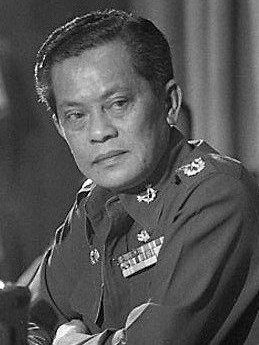
1917—2003
Kriangsak Chamanan
15th Prime Minister of Thailand and military officerThe general who emerged from the October 1977 coup, relaxed parts of Thanin-era repression, restored an elected House and governed during the Indochina refugee crisis.Read biography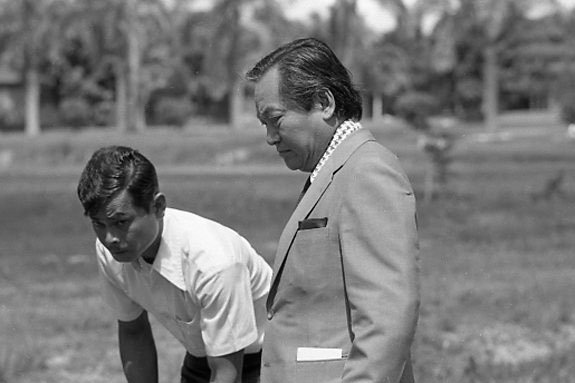
1920—1998
Chatichai Choonhavan
Diplomat, party leader and former prime ministerThe elected prime minister who accelerated economic diplomacy with Indochina and led a booming coalition government until the military removed it in February 1991.Read biography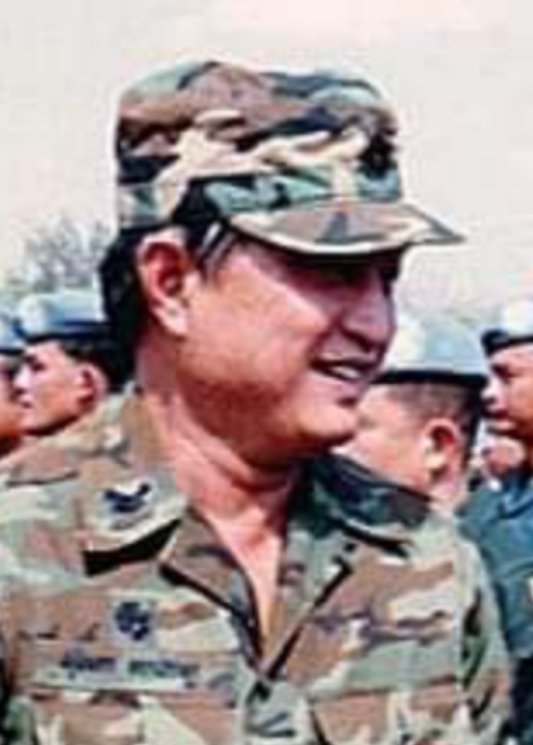
1933—2025
Suchinda Kraprayoon
Army commander, 1991 coup leader and former prime ministerThe army commander who helped lead the 1991 coup, became prime minister without winning a House seat and resigned after the Black May violence of 1992.Read biography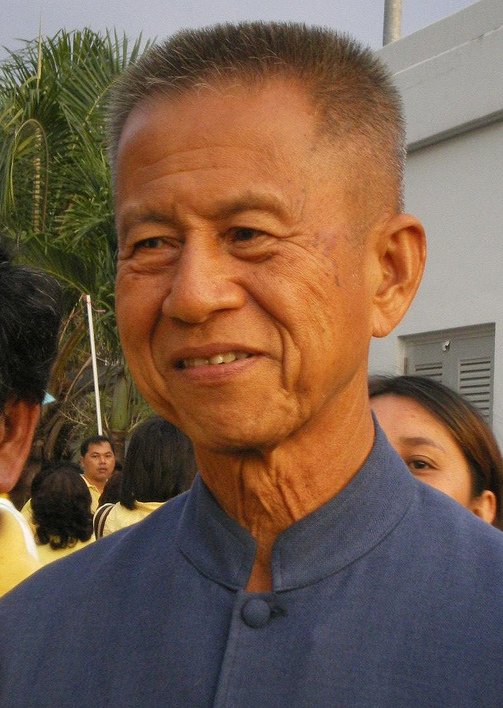
1935—
Chamlong Srimuang
Former Bangkok governor, party leader and democracy activistThe former general and Bangkok governor whose austere public-service image, Palang Dharma movement and Black May leadership made him a major democratic campaigner.Read biography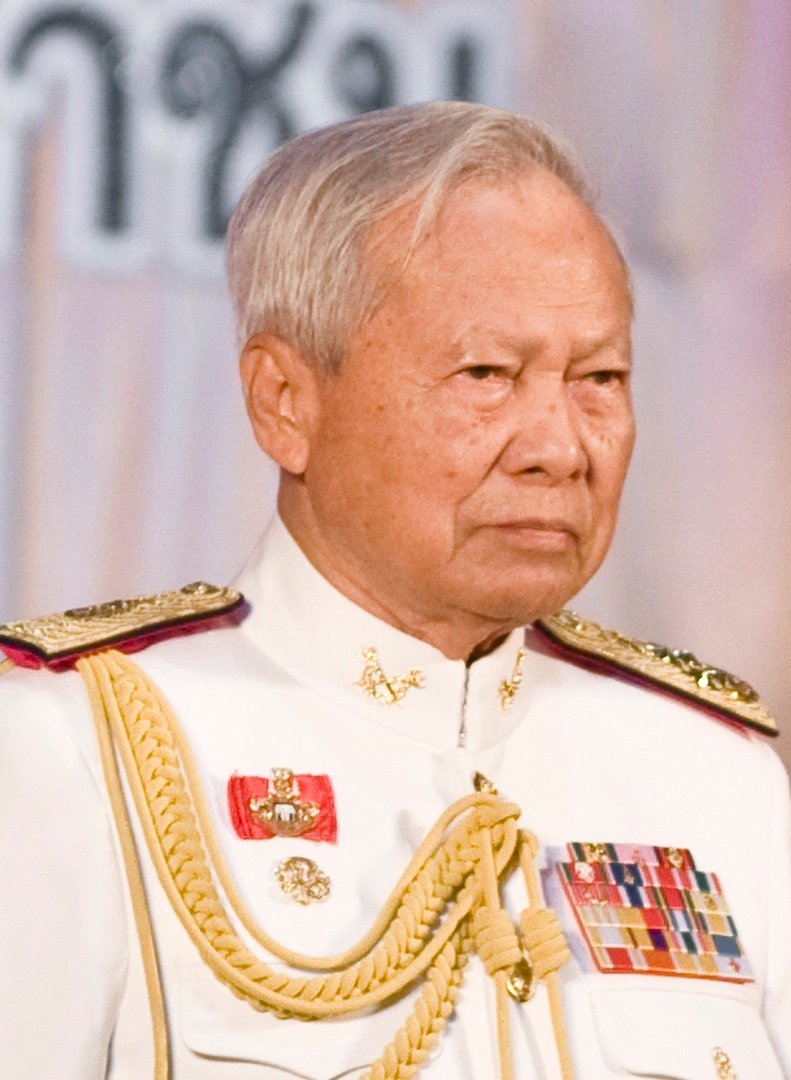
1920—2019
Prem Tinsulanonda
16th Prime Minister of Thailand, 1980–1988The army commander who led Thailand through eight years of parliamentary coalition government before becoming a long-serving royal adviser and regent.Read biography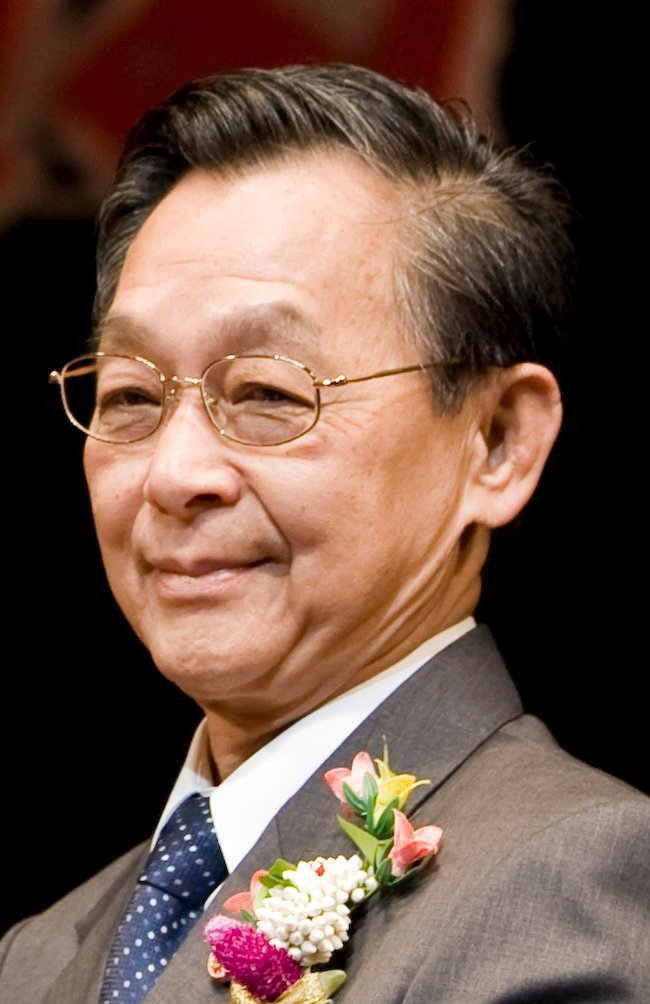
1938—
Chuan Leekpai
20th Prime Minister of Thailand, 1992–1995 and 1997–2001The lawyer and veteran parliamentarian who led Thailand after the 1992 democratic transition and returned during the Asian financial crisis.Read biography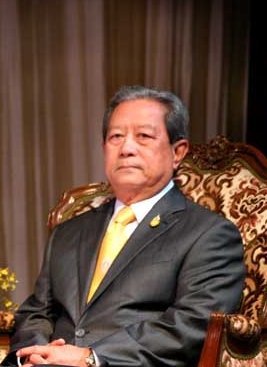
1943—
Surayud Chulanont
24th Prime Minister of Thailand, 2006–2008The former army commander and privy councillor appointed prime minister after the 2006 coup, who oversaw a new constitution and Thailand’s return to elected government.Read biography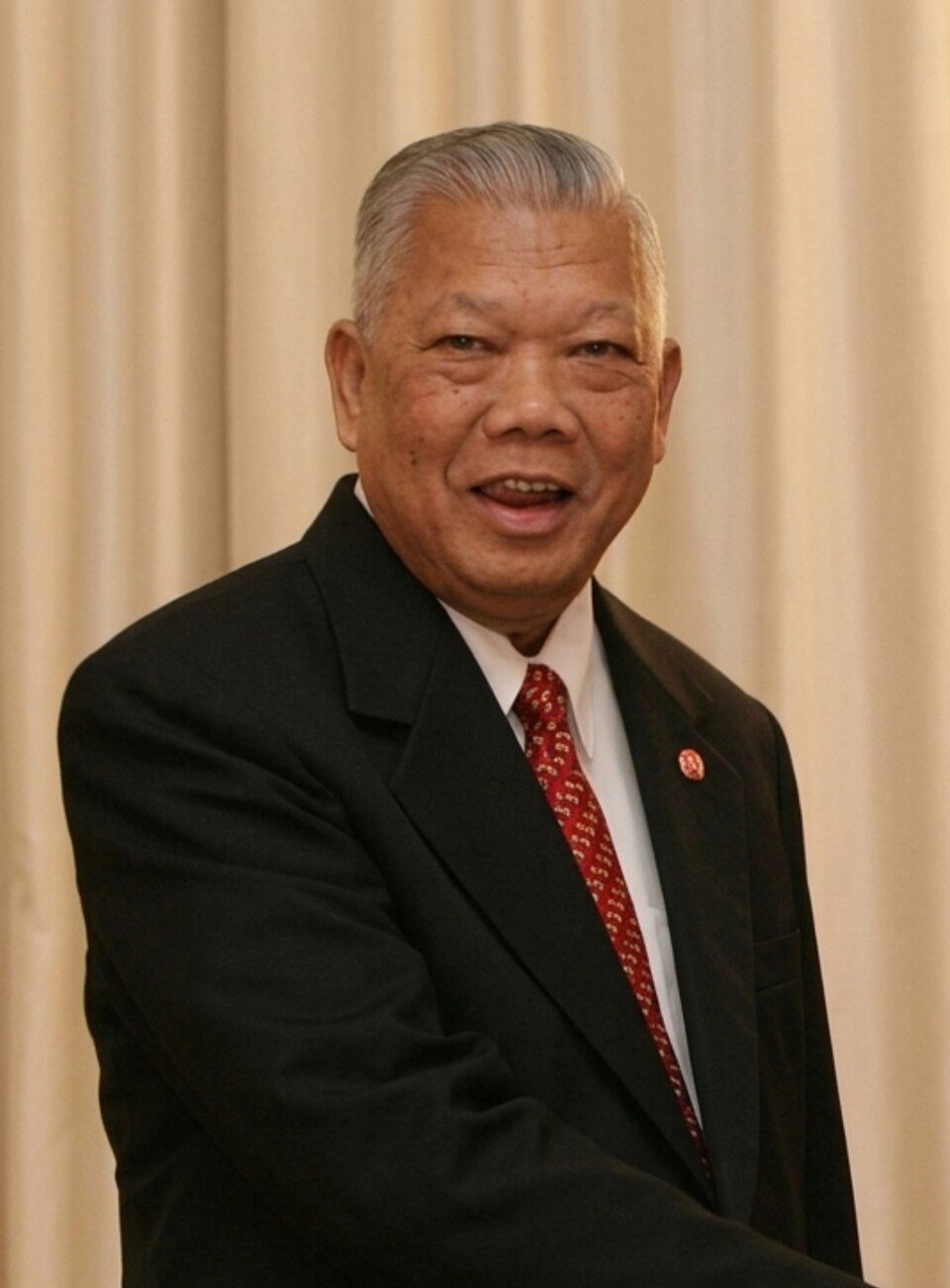
1935—2009
Samak Sundaravej
25th Prime Minister of Thailand, January–September 2008The combative veteran politician, Bangkok governor and television cook who led the first elected government after the 2006 coup before a court ended his premiership.Read biography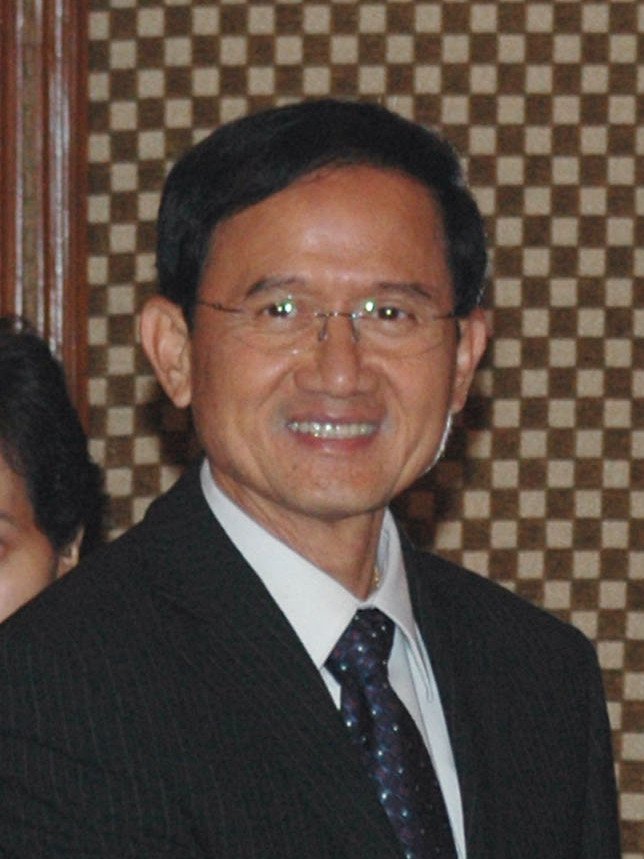
1947—
Somchai Wongsawat
26th Prime Minister of Thailand, September–December 2008The former judge and senior civil servant whose three-month premiership ended when the Constitutional Court dissolved his party during the 2008 political crisis.Read biography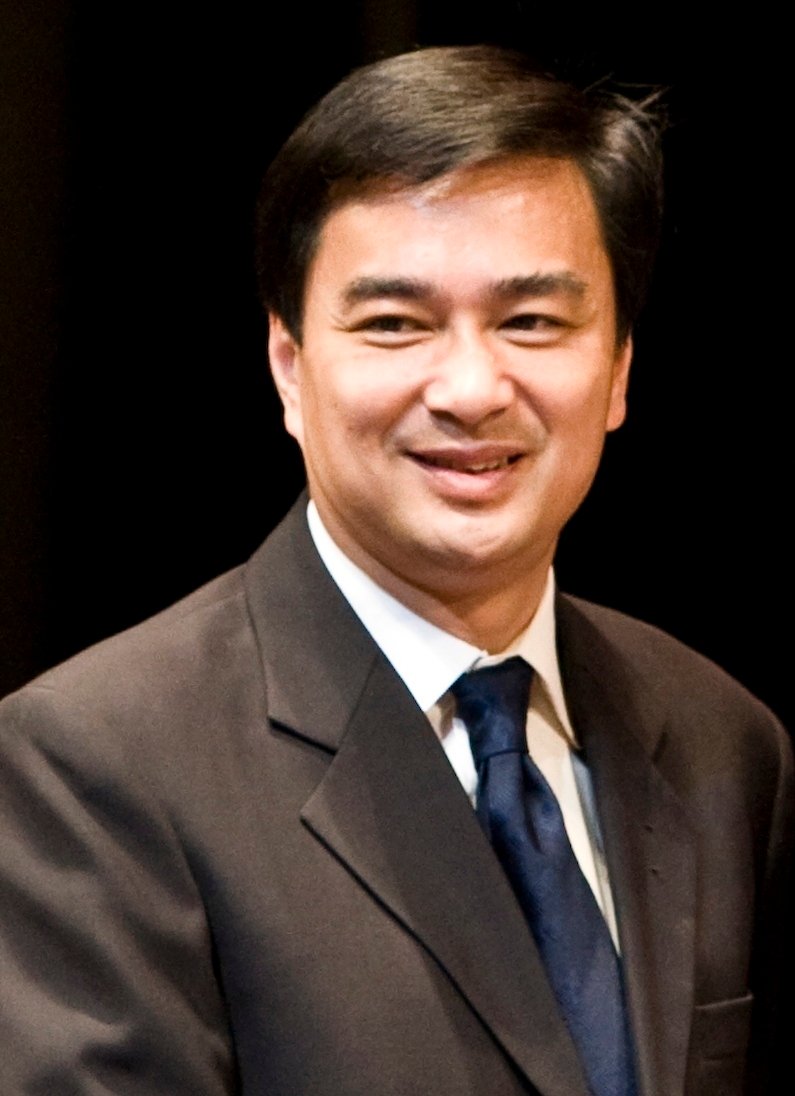
1964—
Abhisit Vejjajiva
27th Prime Minister of Thailand, 2008–2011The Oxford-educated Democrat leader who became prime minister through a parliamentary coalition, launched crisis stimulus and governed during Thailand’s 2010 protest violence.Read biography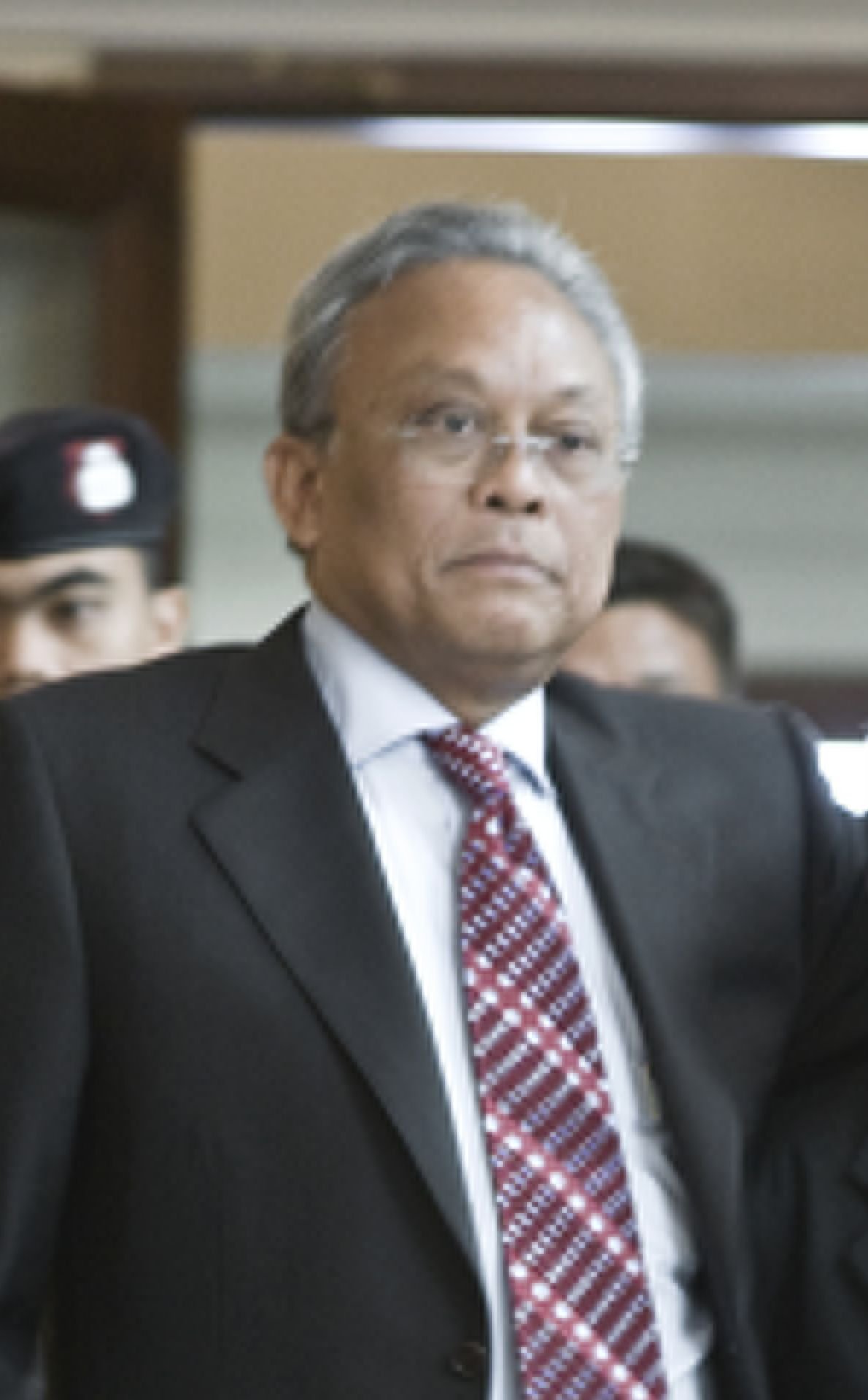
1949—
Suthep Thaugsuban
Former deputy prime minister and PDRC protest leaderA veteran southern politician who rose through the Democrat Party, directed security policy during the 2010 Red Shirt crisis and later led the PDRC protests that preceded Thailand’s 2014 coup.Read biography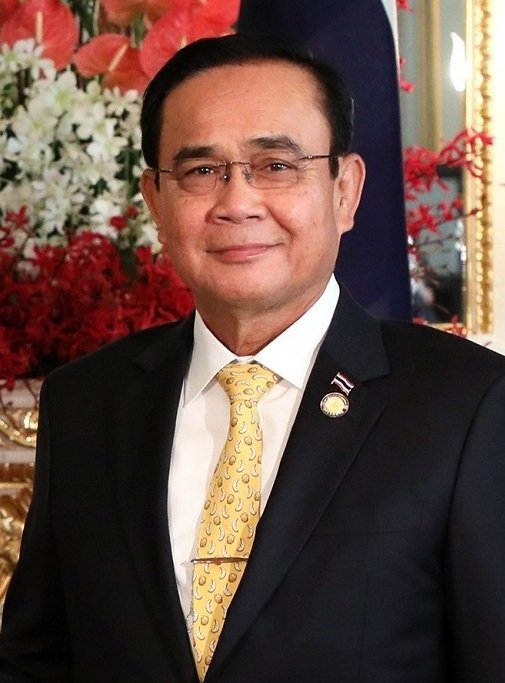
1954—
Prayut Chan-o-cha
29th Prime Minister of Thailand, 2014–2023The army commander who seized power in 2014, led Thailand’s military government and remained prime minister after the 2019 election until 2023.Read biography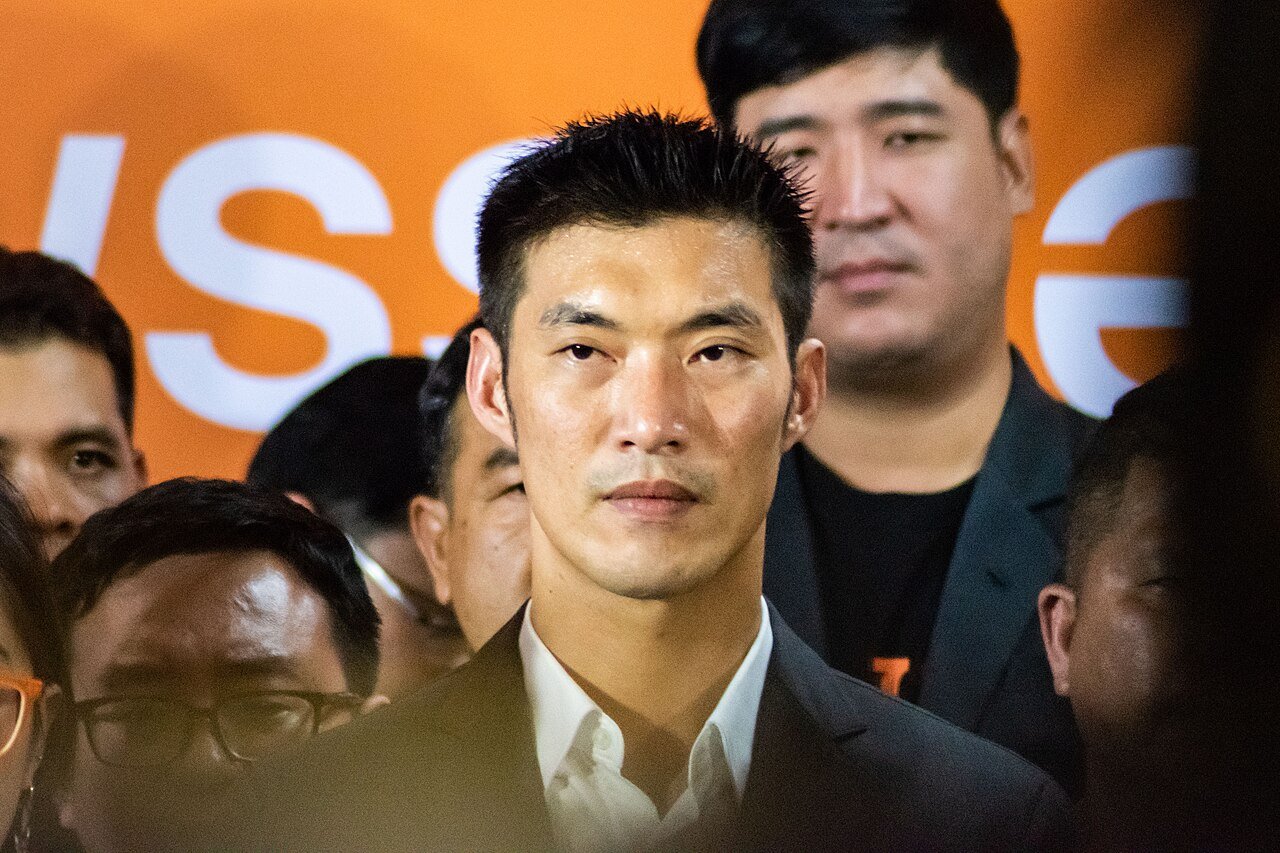
1978—
Thanathorn Juangroongruangkit
Founder of Future Forward and leader of the Progressive MovementThe former automotive executive who founded Future Forward, challenged military influence and continued reform campaigning after the party’s dissolution.Read biography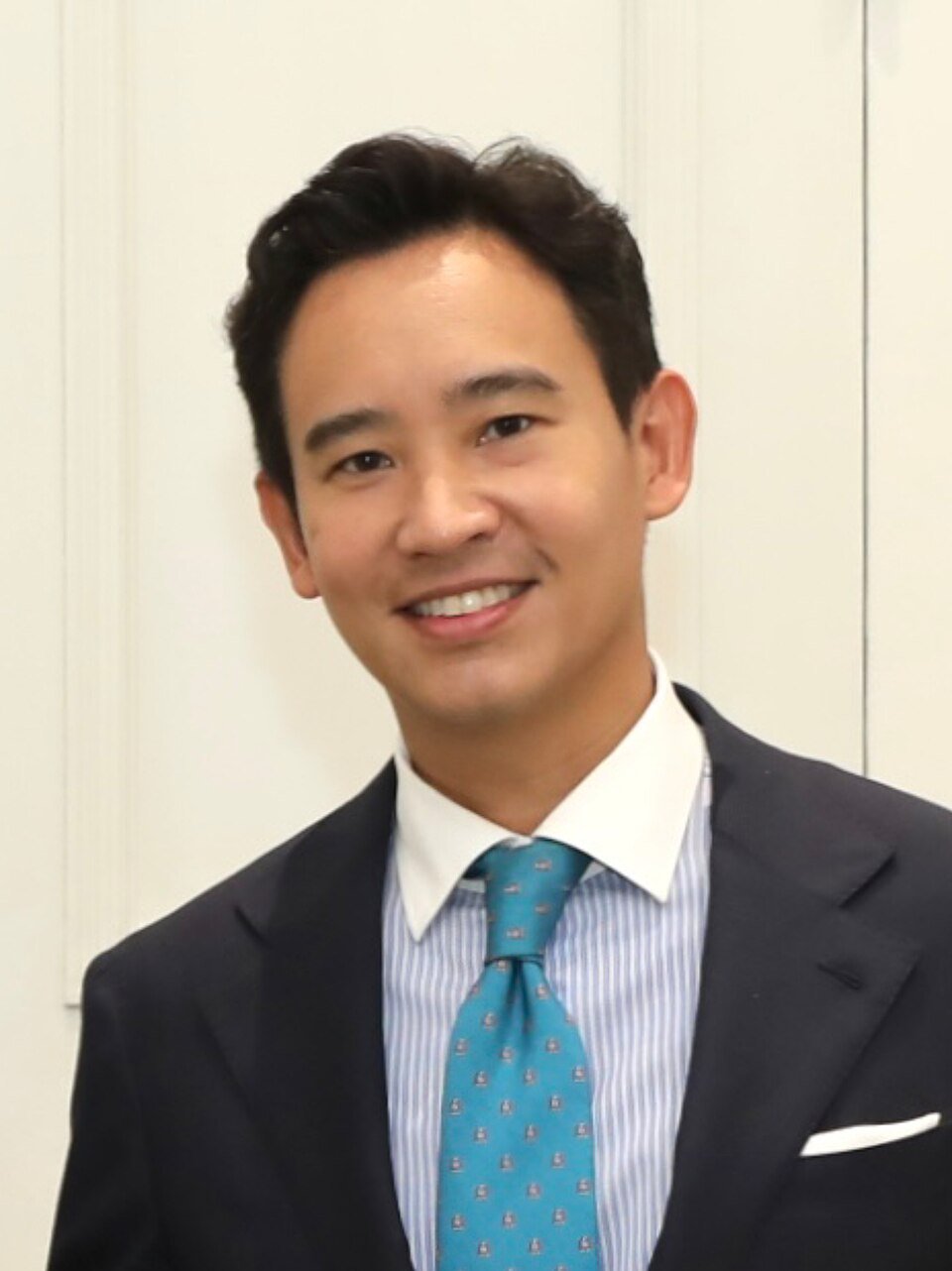
1980—
Pita Limjaroenrat
Former Move Forward Party leader and 2023 prime-ministerial candidateThe business-trained reform politician who led Move Forward to 151 House seats in 2023 but was blocked from the premiership before the party was dissolved.Read biography
1978—
Chaithawat Tulathon
Former Move Forward Party leader and leader of the oppositionThe engineer, editor and political organiser who became Move Forward’s secretary-general, party leader and Thailand’s tenth formal leader of the opposition.Read biography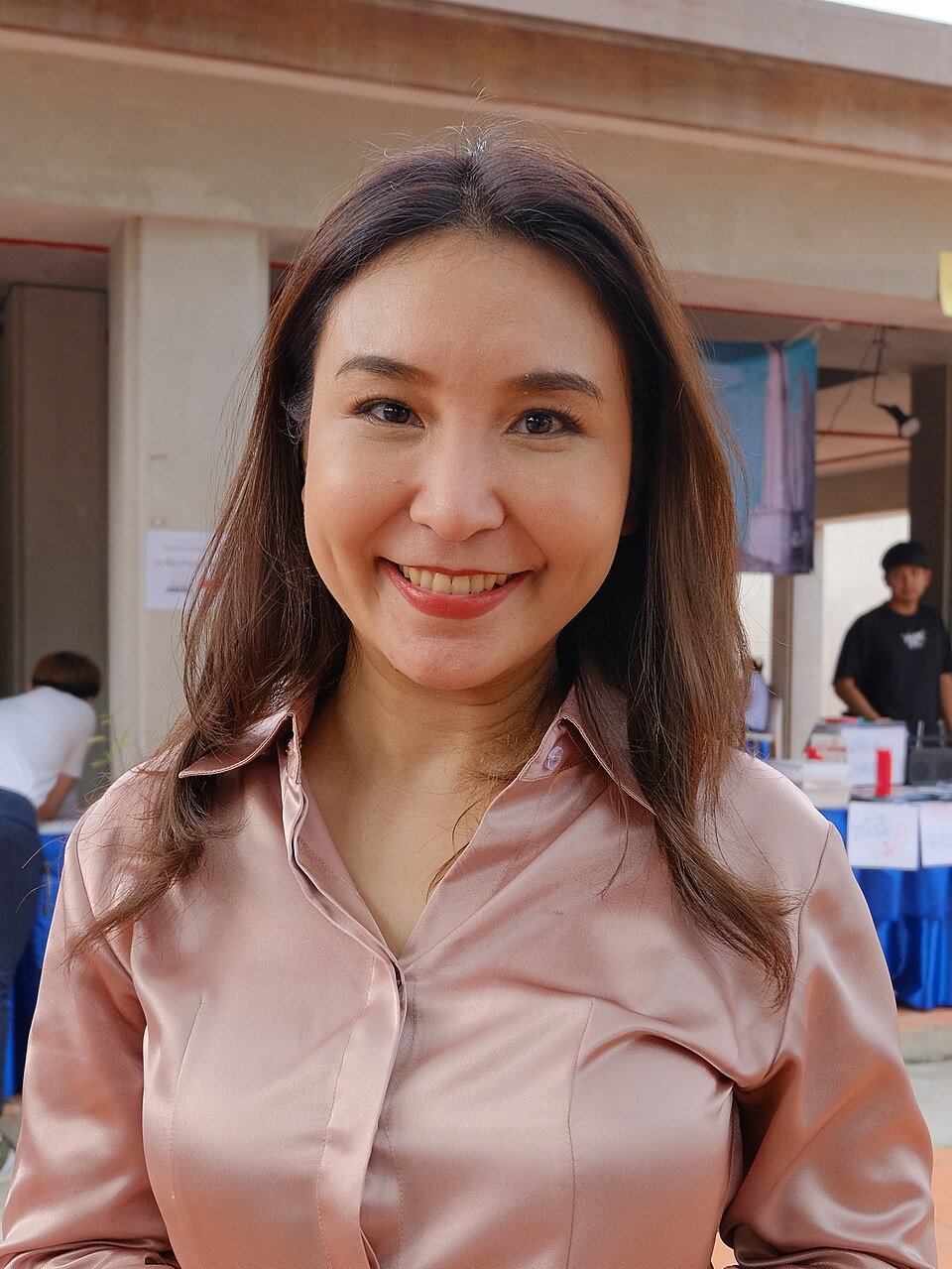
1981—
Sirikanya Tansakun
Deputy leader of the People’s Party and party-list MPThe economist and policy researcher who became one of Thailand’s most visible parliamentary budget critics, a 2026 prime-ministerial candidate and the People’s Party lead on state reform.Read biography
1987—
Natthaphong Ruengpanyawut
Leader of Thailand’s People’s Party and opposition leaderA computer engineer and cloud entrepreneur who became leader of Thailand’s People’s Party, led it to 120 House seats in 2026 and remained the central opposition figure.Read biography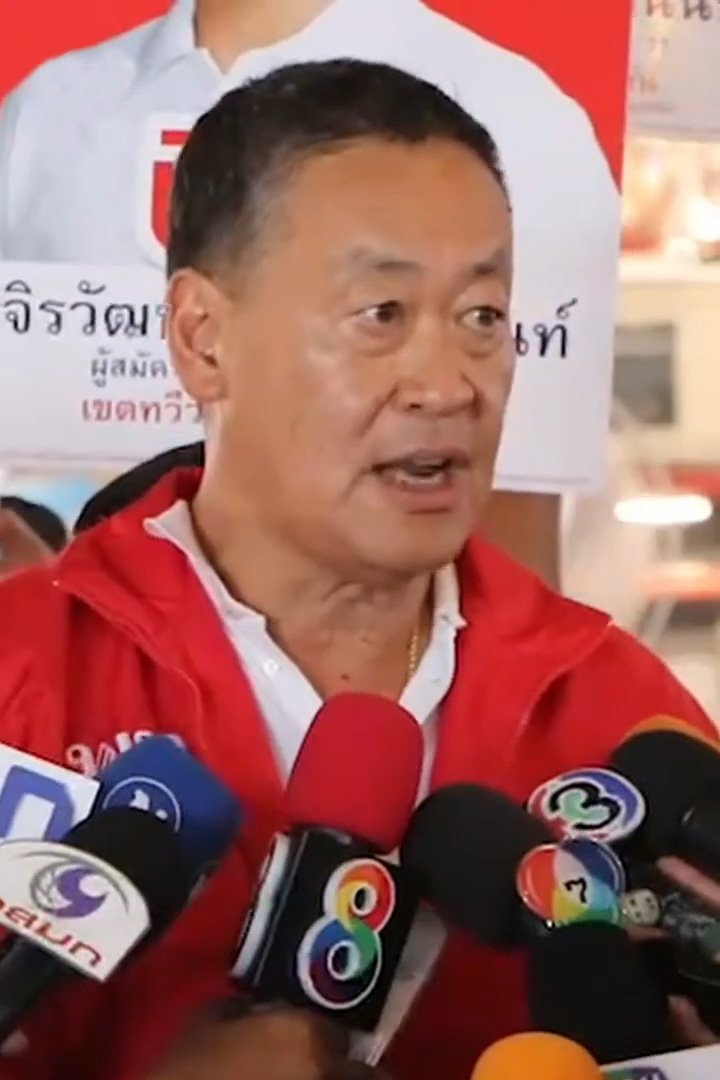
1962—
Srettha Thavisin
30th Prime Minister of Thailand, 2023–2024The property executive who entered party politics in 2022, became Thailand’s 30th prime minister after the 2023 election and was removed by the Constitutional Court in 2024.Read biography
1986—
Paetongtarn Shinawatra
31st Prime Minister of Thailand, 2024–2025The hotel executive and Pheu Thai leader who became Thailand’s youngest prime minister in 2024 before a Constitutional Court ethics ruling ended her tenure in 2025.Read biography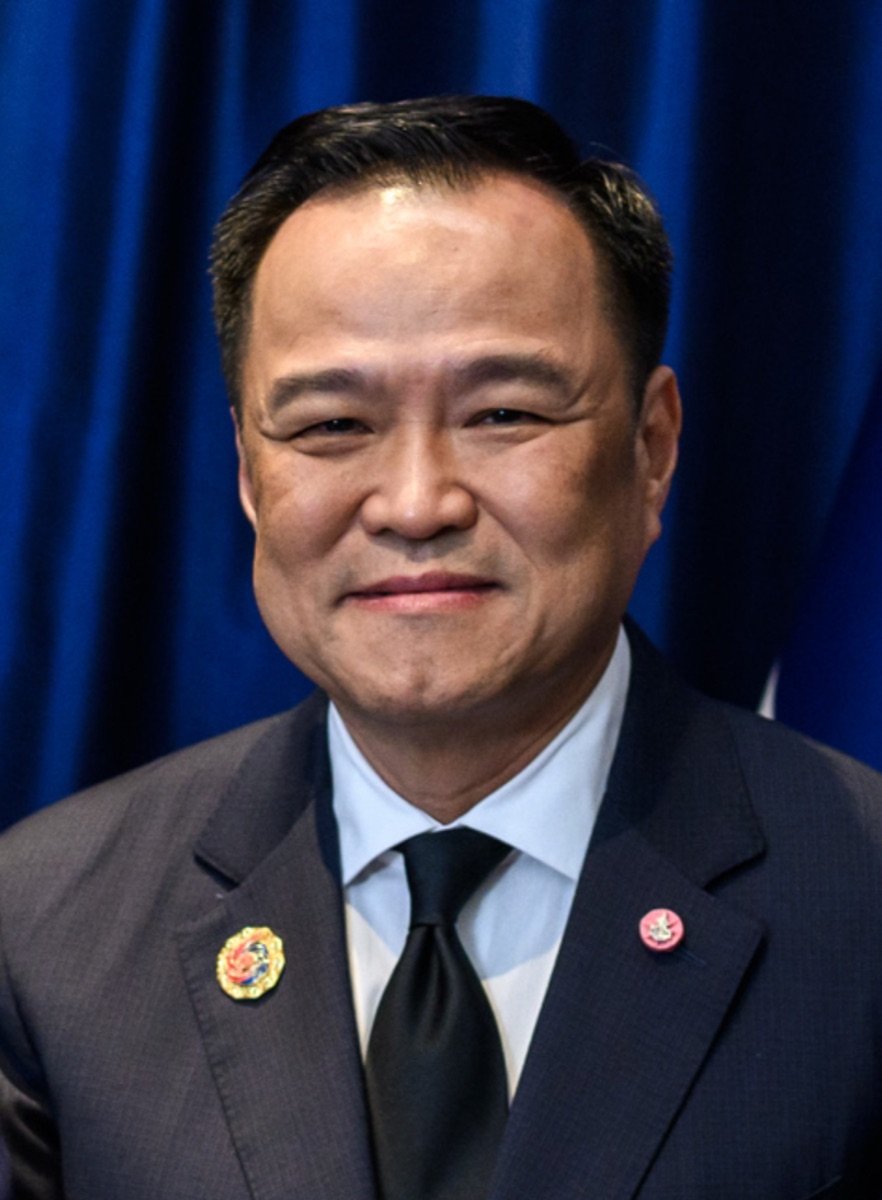
1966—
Anutin Charnvirakul
32nd Prime Minister of ThailandA businessman-turned-politician who led Bhumjaithai through successive coalitions, became Thailand’s 32nd prime minister in 2025 and won a second appointment after the 2026 election.Read biographyQuick answers
Common questions
- What was Thailand called before 1939?
- The country was internationally known as Siam. The Phibun government adopted Thailand in 1939; Siam briefly returned as the official English name after the Second World War before Thailand was restored in 1949.
- Was Thailand ever colonised?
- Thailand was not incorporated as a formal European colony. It preserved state independence through diplomacy, reform and territorial concessions while accepting unequal treaties and significant foreign constraints.
- When did Thailand become a constitutional monarchy?
- The People’s Party ended absolute monarchy on 24 June 1932. A provisional constitution took effect on 27 June and a permanent charter followed on 10 December.
- Why has Thailand had so many coups?
- The armed forces became a central political institution after 1932, while weak party systems, elite conflict and disputes over monarchy, representation and security repeatedly supplied justifications for intervention. No single cause explains every coup.
- What does “Premocracy” mean?
- It is a common label for Prem Tinsulanonda’s 1980–1988 hybrid order, in which elected parties and parliament coexisted with an unelected prime minister, appointed Senate and strong military and royal influence.
- What began the 1997 Asian financial crisis?
- The regional crisis is conventionally dated to Thailand’s decision to float the baht on 2 July 1997 after reserve losses, financial-sector weakness and sustained speculative pressure.
- Who is the current prime minister of Thailand?
- As reviewed on 3 October 2026, Anutin Charnvirakul is Thailand’s 32nd prime minister. He first took office in September 2025 and received a second appointment in March 2026.
Primary and institutional sources
How this history was checked
Dates, legal milestones and historical claims are checked against the official and institutional records below. This article was reviewed on 3 October 2026.
- Ministry of Foreign Affairs of ThailandA Diplomatic History of Thailand
- Library of CongressThailand: A Country Study
- Ministry of Foreign Affairs of ThailandThe Quest for Thai–US Alliance
- King Prajadhipok’s InstituteBiography of King Rama VII and the constitutional transition
- Royal Society of ThailandThe Student and Civilian Uprising of 1973
- Bank of ThailandThe Tom Yum Kung crisis: lessons from 1997
- Inter-Parliamentary UnionThailand parliamentary data and elections
- Southeast Asian Studies, Kyoto UniversityCoups in Thailand, 1980–1991: Classmates and military factions
- Secretariat of the Prime Minister of ThailandOfficial directory of prime ministers of Thailand
- Royal Thai GovernmentAnutin appointed for a second term as prime minister