
The short answer
Hejira turns travel into a way of thinking about attachment, distance and movement. Its history is clearer when the road narratives, Hollywood sessions and individual musicians’ credits remain distinct.
Chronology
A timeline of the turning points
Journeys and writing
US travel contributes people, places and a mobile perspective to the material.
Documented demos
Later official archive listings identify Hejira demos at A&M in Hollywood.
Album release
The finished nine-track record appears.
Archive publication
Archives Vol. 4 publishes earlier material; its release date does not replace the 1976 history.
Road writing, not a literal travel itinerary
The official album account places the material in the context of US journeys and encounters. Travel changes the conditions of writing: a guitar can accompany a journey more readily than a piano. Movement also gives the songs a frame for considering how relationships are left, remembered or resumed.
This does not make the record a route planner. Narrated places, remembered events and the eventual recording location are different kinds of evidence. The album was assembled at A&M in Hollywood, not recorded live at every place its songs evoke.
Sources for this section: [1]
Mitchell’s guitar remains the structural centre
The credits describe a record organized around Mitchell’s writing, voice and guitars, with other instruments entering in distinct combinations. Henry Lewy is credited as engineer, and the album account documents Mitchell’s directing role. The sound is collaborative without making her merely a singer in front of someone else’s jazz group.
Her later conversations about arrangement explain a preference for instrumental voices with their own movement. That recollection is useful production context. It is not a reason to hear every unusual musical decision as the invention of whichever celebrated guest is easiest to name.
Jaco Pastorius plays four tracks, not nine
Pastorius is credited on Coyote, Hejira, Black Crow and Refuge of the Roads. Max Bennett and Chuck Domanico appear elsewhere in the bass credits. This correction matters because general accounts often turn a memorable collaboration into an inaccurate album-wide personnel list.
A 1977 Rolling Stone interview with Pastorius is contemporary evidence of the partnership, rather than a later claim that he joined Mitchell’s original folk years. His contribution can be appreciated as a particular melodic voice within a record whose songs use several ensemble solutions.
A cast of collaborators with different functions
The record also includes Larry Carlton’s guitar, John Guerin’s drums and contributions such as Neil Young’s harmonica on Furry Sings the Blues. Track credits, rather than a single omnibus list, explain where these musicians enter.
For a practical comparison, consult the personnel for Amelia and Furry Sings the Blues before moving to a Pastorius track. Ask how a song’s instrumental setting changes its sense of space and pace. That is a suggested exercise with a lawful recording, not a claim that this page offers a fresh track-by-track listening review.
Sources for this section: [1]
The connection with Blue is a change of priorities
Blue offers an earlier example of Mitchell choosing a small number of additional instrumental parts. In Hejira, other musicians can provide more independent lines around the guitar. The contrast need not be described as authentic folk becoming less authentic commercial music, or private writing suddenly becoming “jazz.”
Mitchell’s 2021 account instead emphasizes dissatisfaction with predictable bass support and a search for something more expressive. That explanation preserves continuity between the albums while allowing the arrangements to be genuinely different.
Demos and the archive are not the original album
The official Archives Vol. 4 listing places Hejira demos at A&M in March 1976. Such documentation can clarify a work in progress, but a demo and the released performance should not be given interchangeable credits.
The archive’s 2024 publication is also not the year Hejira was composed or first released. Start with the original nine-track record, then use documented archive listings to ask what was retained or changed. This guide relies on credits, interviews and release records, without reproducing lyrics or claiming complete access to the session tapes.
Continue the chronology
Related history guides
Biography context
Explore Hollywood, Los Angeles, California through connected lives
Connected biographies
Canadian musicians and the art of collaboration
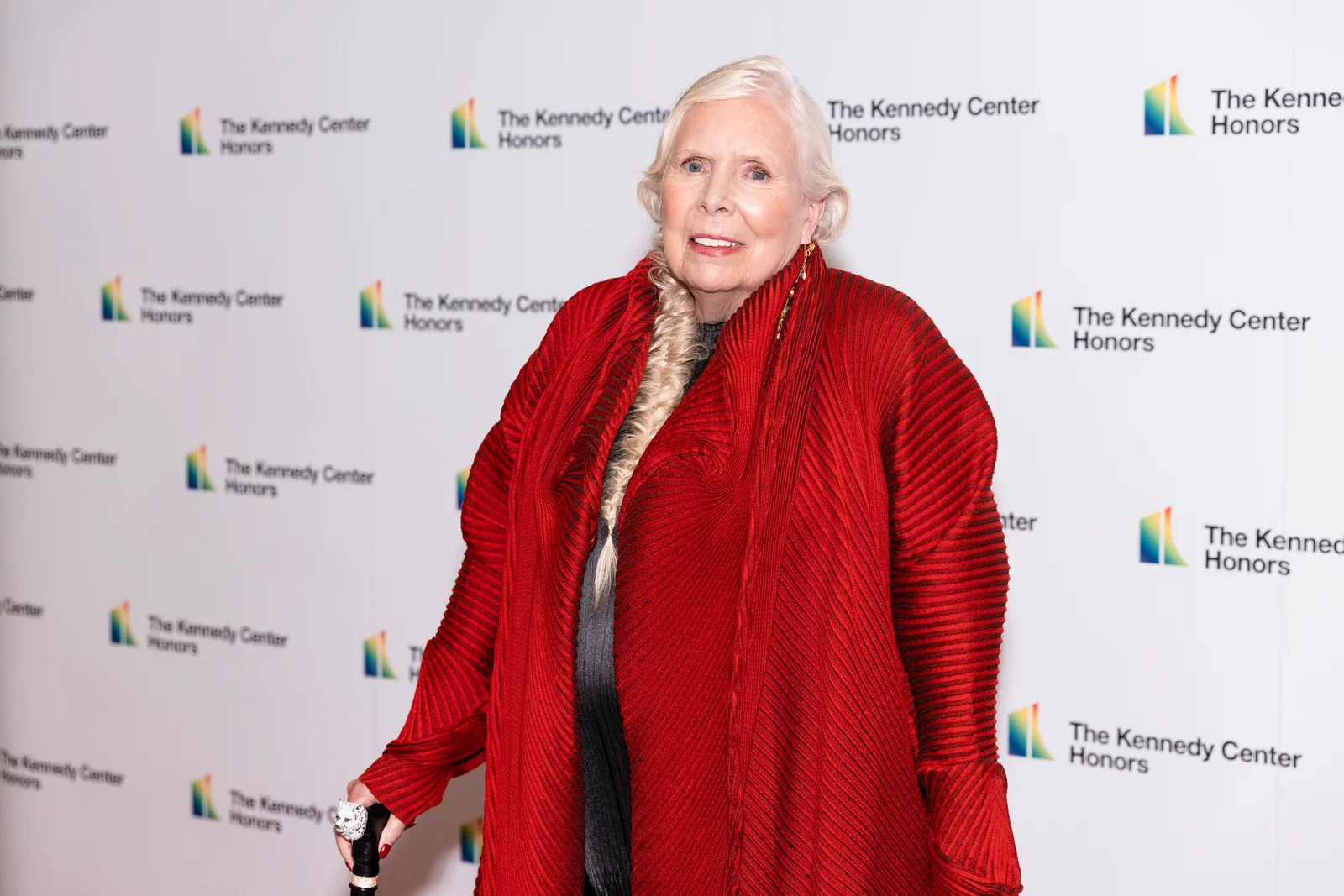
1943–
Joni Mitchell
Singer-songwriter, musician and painterJoni Mitchell is a Canadian singer-songwriter and painter whose albums connect intimate writing with adventurous harmony and changing instrumental arrangements.Read biography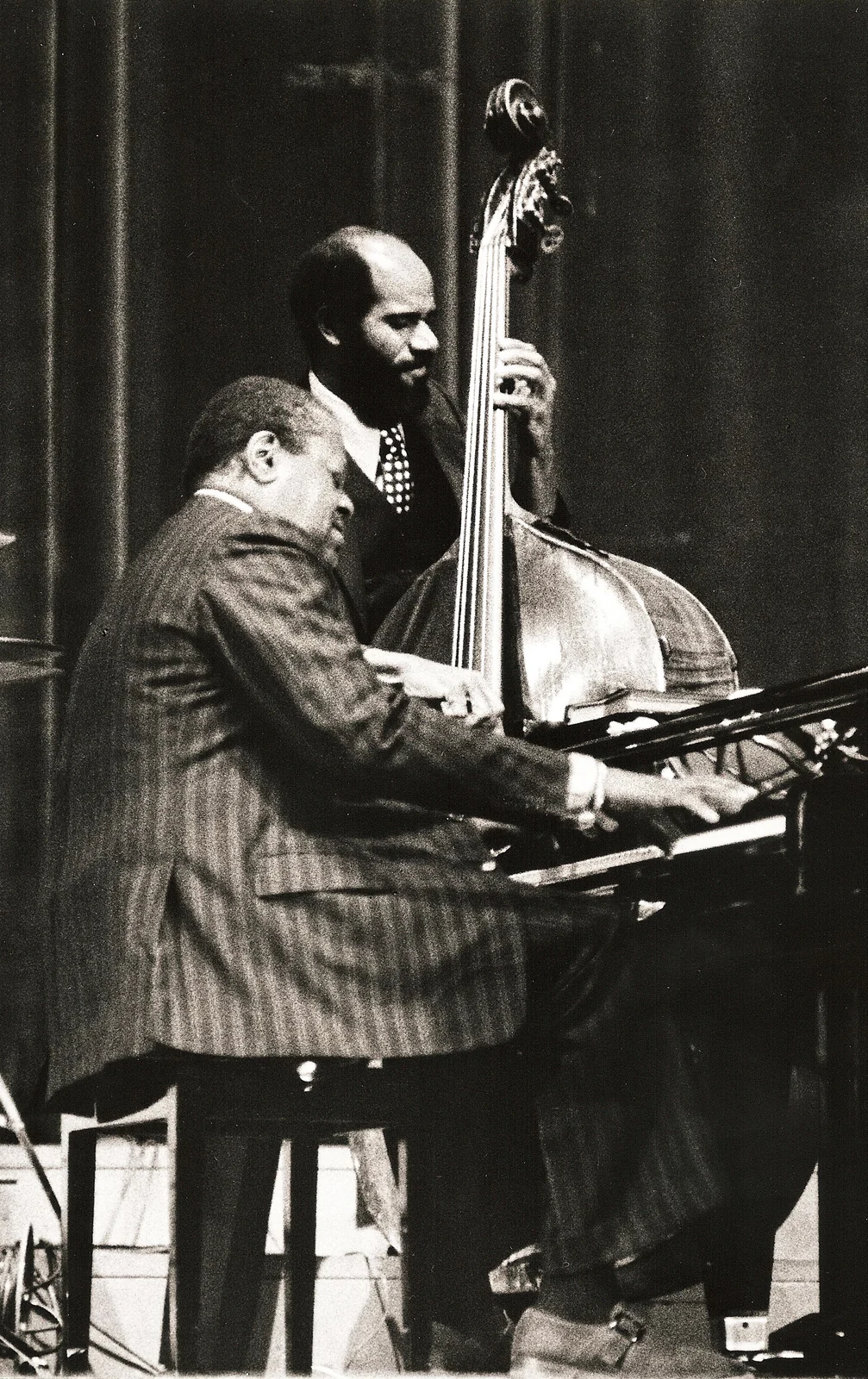
1925–2007
Oscar Peterson
Jazz pianist and composerOscar Peterson was a Montreal-born Canadian jazz pianist and composer whose touring ensembles, recordings and original works reached an international audience.Read biographyQuick answers
Common questions
- Is Hejira a Jaco Pastorius album?
- It is Joni Mitchell’s 1976 album. Pastorius plays bass on four of its nine tracks, alongside different personnel elsewhere.
- Where was Hejira recorded?
- The official credits identify A&M in Hollywood. The songs’ travel settings should not be mistaken for separate live recording locations.
- Are the Archives Vol. 4 demos the original album?
- No. They are earlier material published later, with their own performance and release context.
Primary and institutional sources
How this history was checked
The guide checks original track credits, a contemporary musician interview and later official archive listings. No complete session-tape inspection, lyric transcription or full-album listening review is claimed. This article was reviewed on 23 October 2026.
- Joni MitchellHejira: original credits and retrospective background
- Larry Klein / Bass MagazineMitchell on bass and orchestration, 2021
- Bob Blumenthal / Rolling Stone16 April 1977 Jaco Pastorius interview
- Joni Mitchell official storeArchives Vol. 4: dated Hejira demos and later publication
- Joni MitchellBlue: earlier recording comparison
- Shawn Miller / Wikimedia CommonsLater CC0 photograph and reviewed grant