
The short answer
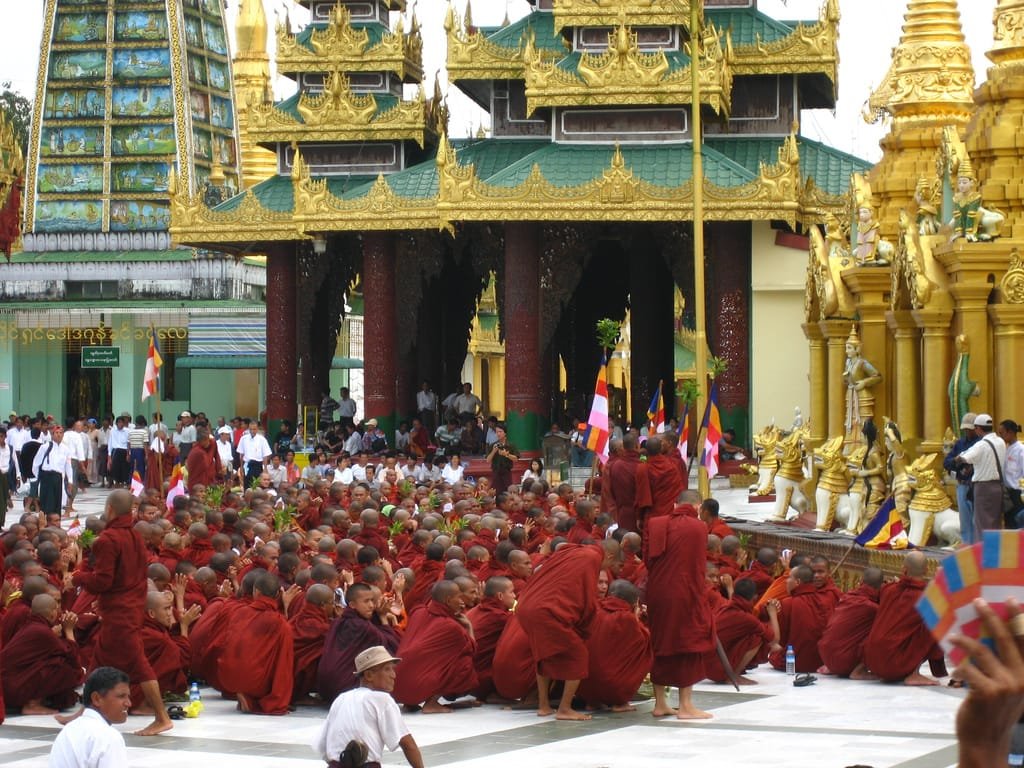
Myanmar’s Saffron Revolution began with the cost of a bus ride and became a confrontation over the moral legitimacy of military rule. This guide separates the student-led opening, the monks’ religious boycott, the nationwide marches and the crackdown—and follows the people who carried its consequences into 2012 and 2021.
Movement phases
How an economic protest became a national moral challenge
The Saffron Revolution was not one centrally directed march. It developed through four overlapping phases: veteran student action, monastic mobilisation, nationwide public participation and a coordinated security crackdown. Separating those phases explains both the movement’s rapid growth and its vulnerability.
| Phase | Key dates | Principal actors | What changed |
|---|---|---|---|
| Fuel-price protests | 15–22 Aug 2007 | 88 Generation activists and local demonstrators | Economic hardship became visible political dissent |
| Monastic mobilisation | 5–18 Sep 2007 | Pakokku monks and All Burma Monks Alliance | Violence against monks produced demands and a religious boycott |
| Nationwide marches | 18–25 Sep 2007 | Monks, nuns, lay supporters, students and artists | Protected marches spread across major cities |
| Military crackdown | 26–29 Sep 2007 | Army, riot police and government-linked groups | Live fire, raids and mass arrests ended open protest |
Chronology
A timeline of the turning points
The government sharply raises fuel prices
Petrol prices double and compressed-natural-gas prices rise fivefold, immediately increasing transport and household costs.
88 Generation activists begin a peaceful march
Veterans including Htay Kywe organise a small Yangon protest against the economic shock.
Authorities arrest senior student organisers
Min Ko Naing, Ko Jimmy and other 88 Generation leaders are detained as police and government-linked groups break up marches.
Security forces assault monks in Pakokku
The violence turns scattered economic protest into a confrontation with the Buddhist monastic community.
The All Burma Monks Alliance issues four demands
It seeks an apology, lower prices, political-prisoner releases and dialogue with democratic forces.
Monks begin the religious boycott and coordinated marches
The alliance refuses alms from military supporters and demonstrations expand after its deadline passes.
Monks reach Aung San Suu Kyi’s home
She briefly greets marchers at her gate while remaining under house arrest.
Mass marches spread as troops deploy
Tens of thousands join in Yangon and other cities before curfews and assembly bans take effect.
The military crushes the demonstrations
Security forces fire on protesters, raid monasteries and detain monks, organisers and bystanders.
Courts impose decades-long sentences
U Gambira and 88 Generation leaders receive sentences ranging up to sixty-eight years.
What caused the Saffron Revolution?
The immediate trigger was an unannounced change in controlled fuel prices on 15 August 2007. Petrol rose by 100 per cent and compressed natural gas by 500 per cent. Because buses and freight depended on those fuels, the decision rapidly increased the cost of transport, food and daily work. The shock landed in a country already shaped by stagnating incomes, military economic control and little legal space for public complaint.
The deeper causes were political. The State Peace and Development Council had ignored the 1990 election result, detained opposition leaders and restricted speech, association and independent media. Its constitutional National Convention had taken fourteen years and excluded meaningful popular choice. Economic protest therefore carried an unavoidable question: why could an unelected military government impose life-changing decisions without accountability?
Who began the protests before the monks marched?
Veterans of the 1988 uprising made the first organised response. On 19 August members of the 88 Generation Students Group walked through Yangon and called attention to the price increases. The network included Min Ko Naing, Ko Jimmy and Htay Kywe, activists who had already spent years in prison and had rebuilt a public campaign after releases in 2004 and 2005.
Authorities arrested thirteen leading members on 21 August and used police plus government-linked organisations to break up later gatherings. Htay Kywe remained in hiding and other local activists continued smaller protests. These early marches did not yet resemble the iconic columns of monks, but they supplied the opening issue, organisational experience and language of peaceful dissent that the monastic movement inherited.
Why did Buddhist monks join the movement?
Monks depended on daily community donations and saw directly how rising costs affected families. Some had also organised independently against military interference. On 5 September several hundred monks marched in Pakokku. Soldiers and government-linked groups fired warning shots, beat participants and detained monks. The assault violated the social respect normally accorded the Sangha and generated anger far beyond the original economic issue.
Monastic groups formed the All Burma Monks Alliance on 9 September. Its demands combined material relief with national politics: an apology for Pakokku, lower fuel and commodity prices, release of political prisoners including Aung San Suu Kyi, and dialogue with democratic forces. When the government ignored the 17 September deadline, the alliance called monks into the streets and began a religious boycott of military officials and supporters.
What did “overturning the bowls” mean?
Patta nikkujjana kamma—commonly described as overturning the alms bowls—meant refusing donations and religious services from those targeted by the boycott. In a Buddhist society where giving to monks creates merit, the gesture denied military rulers the moral recognition they sought from public religious patronage. It was a sanction expressed through monastic discipline rather than a claim that monks would themselves form a government.
The boycott helped explain the movement’s extraordinary symbolic power. Monks marched while reciting the Metta Sutta, associated with loving kindness, and laypeople formed protective human chains around them. Their robes gave international media the label “Saffron Revolution,” although Myanmar monastic robes often appear maroon or crimson rather than the bright saffron associated with the name.
How large did the protests become?
Coordinated monastic marches began on 18 September and reached Yangon, Mandalay, Sittwe, Pakokku, Bago and other towns. On 22 September monks were permitted to pass security lines and briefly approached Aung San Suu Kyi’s home, where she greeted them from behind the gate. The encounter linked the new monastic movement with the still-confined leader of the electoral opposition.
Tens of thousands of monks, nuns and lay supporters marched on 24 September. Estimates varied by city and source, which makes a single national crowd figure unreliable. What can be established is the geographic spread and the shift from small activist walks to the largest sustained public challenge to military government since 1988. Troop movements, a nighttime curfew and a ban on gatherings signalled that the state had decided to end it.
How did the military suppress the Saffron Revolution?
The crackdown began openly on 26 September. Army and riot-police units blocked pagodas, fired live ammunition and rubber bullets, used tear gas and beat protesters. Security forces raided monasteries at night, removed monks and destroyed or seized property. Government-linked civilian groups supported arrests and surveillance. Public marches largely disappeared within days, but searches and detention continued for months.
The United Nations Special Rapporteur concluded that there were solid grounds to believe at least thirty-one people died as a result of the September and October crackdown. His investigation also documented hundreds detained and at least seventy-four cases of enforced disappearance at the time of the report. Those are minimum documented findings, not proof that every victim was identified.
What happened to U Gambira and the 88 Generation leaders?
U Gambira, a leading organiser in the All Burma Monks Alliance, remained underground until his arrest on 4 November. Authorities had also detained relatives in an effort to locate him. In November 2008 a prison court sentenced him to sixty-eight years, including hard labour. Human-rights reports later described torture, remote prison transfers and lasting psychological harm.
Min Ko Naing, Ko Jimmy and other senior 88 Generation figures had been arrested in August; Htay Kywe was captured in October. Fourteen activists received sixty-five-year sentences in closed prison proceedings. The extreme terms were intended not only to punish individual marches but to dismantle the networks connecting 1988 veterans, monasteries, families and international information channels.
Did the Saffron Revolution overthrow the military government?
No. The SPDC remained in power and no immediate democratic transfer followed. The crackdown removed organisers from public life, restored surveillance over monasteries and showed that moral authority alone could not overcome armed command. International condemnation and UN diplomacy did not produce accountability for those responsible for lethal force and torture.
Yet the movement mattered. Images of monks confronting the military weakened the regime’s claim to defend Buddhist society, while the political-prisoner cases sustained international pressure. The junta pushed ahead with the 2008 Constitution and a controlled 2010 election, then transferred office to a nominally civilian government in 2011. That opening released many 2007 prisoners, but it preserved military power rather than fulfilling the movement’s demands.
How did 2007 connect the 1988 uprising and the 2021 resistance?
The personnel and methods overlapped. Former 1988 student leaders initiated the fuel-price marches; monks supplied a new national centre of moral authority; citizens protected marchers and transmitted images despite censorship. After the 2021 coup, protesters again used decentralised organisation, religious networks, symbolic refusal and public documentation, but the later movement grew into a much wider civil-disobedience campaign and armed resistance.
The life of Ko Jimmy makes the continuity especially stark. He was imprisoned after 1988, sentenced to sixty-five years for the 2007 movement, released during the political opening and executed after opposing the 2021 coup. U Gambira and Htay Kywe show other consequences: trauma, repeated prosecution and the difficulty of turning celebrated dissident status into secure civic freedom while the military retained coercive power.
Continue the chronology
Related history guides
Myanmar’s 8888 Uprising
Meet the student generation that returned to organise the first fuel-price marches in 2007.
Read the timeline1990—2012The 1990 Election and Government in Exile
Understand the blocked electoral mandate and exile opposition that framed later protest.
Read the timeline2008—todayMyanmar’s 2008 Constitution Explained
See the military-designed institutional settlement that followed the crackdown.
Read the timeline2010—2020Myanmar’s Democratic Transition
Follow prisoner releases, elections and the limited opening after direct junta rule.
Read the timelineNovember 2015—April 2016The 2015 Election and Transfer of Power
Follow the later vote and peaceful handover that many former political prisoners helped make possible.
Read the timeline2021—2026Myanmar’s Coup and Civil War
Compare the Saffron movement with mass resistance to the next military takeover.
Read the timelineBiography context
Explore Myanmar through connected lives
Myanmar Biographies
Explore 57 sourced lives across politics, business, sport and culture.
Explore the biographiesPolitics collectionMyanmar Political Leaders
Compare 44 biographies across independence, military rule, minority rights and democratic resistance.
Explore the biographiesCategory indexPolitical Biographies
Browse movement organisers, political prisoners, presidents and prime ministers across Southeast Asia.
Explore the biographiesConnected biographies
Eight biographies connecting the 1988 generation, monastic resistance, military rule and the political opening
1979—
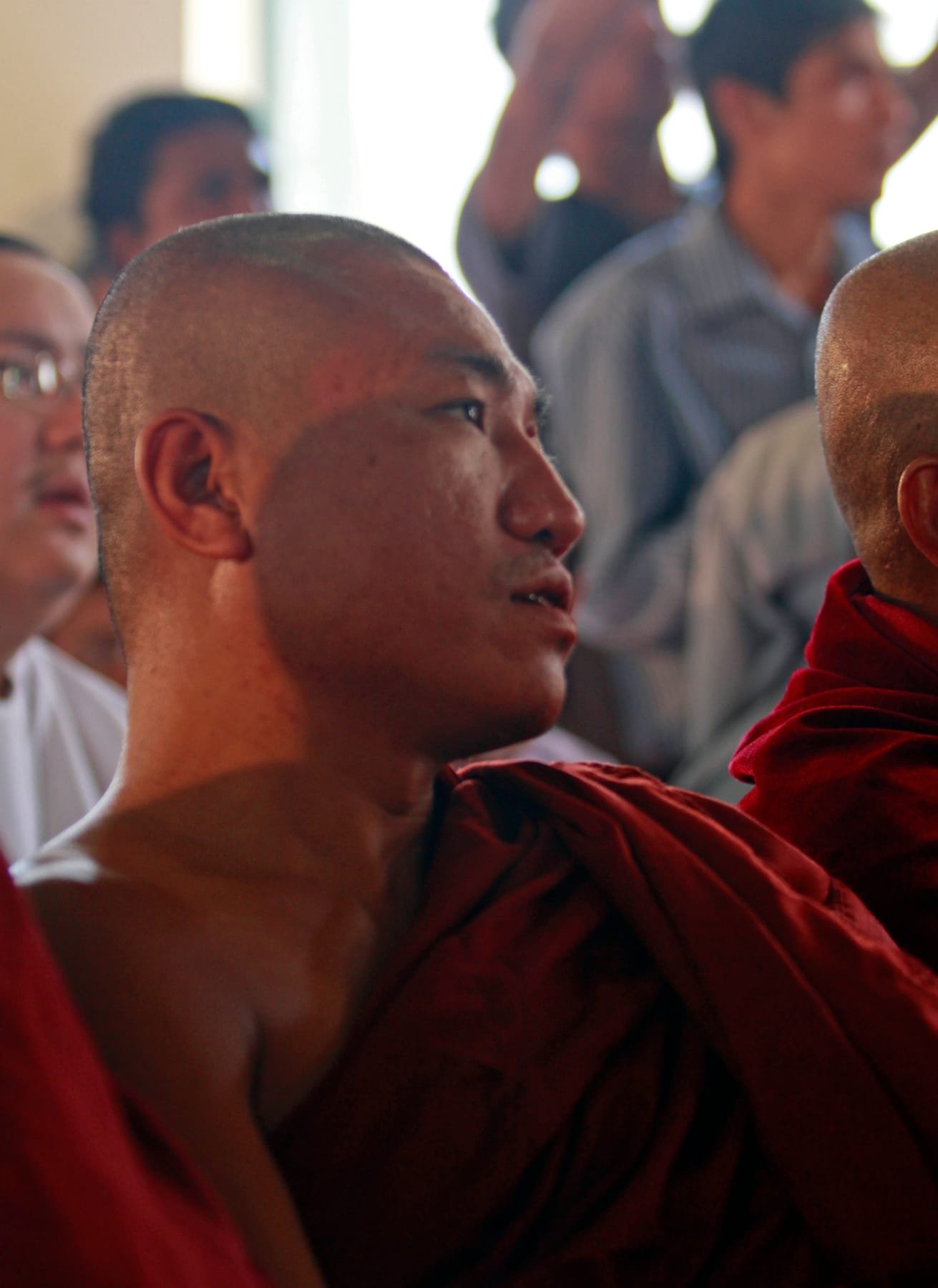
U Gambira
Former Buddhist monk and Saffron Revolution organiserThe former monk whose organisation turned protests over fuel prices into a nationwide moral challenge to military rule.Read biography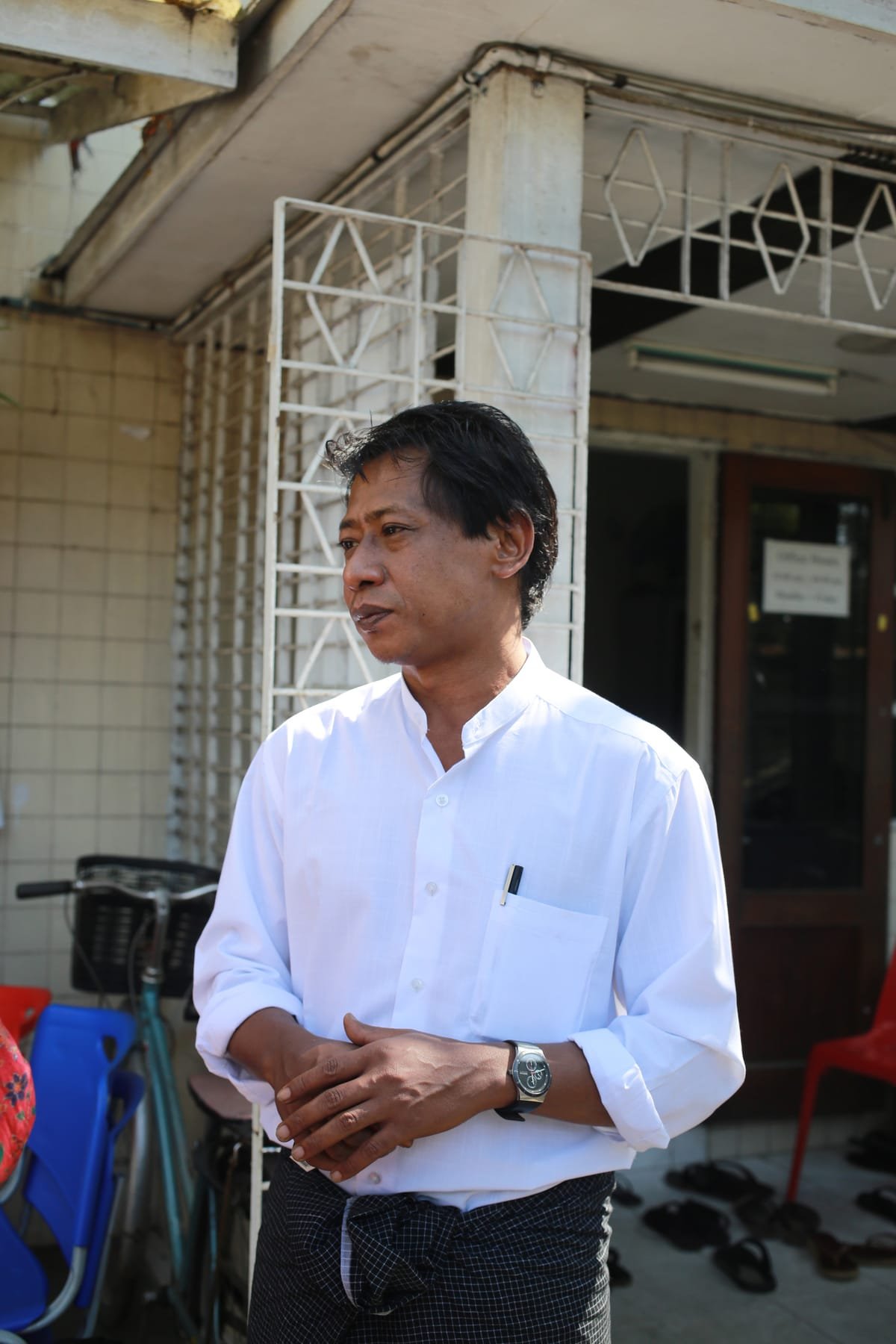
1968—
Htay Kywe
88 Generation student leader and democracy activistThe student organiser whose activism connected the 1988 uprising to the opening phase of the Saffron Revolution nineteen years later.Read biography1969—2022
Kyaw Min Yu (Ko Jimmy)
Writer, 88 Generation activist and political prisonerThe writer and veteran student activist who spent much of his adult life in prison before Myanmar’s military executed him in 2022.Read biography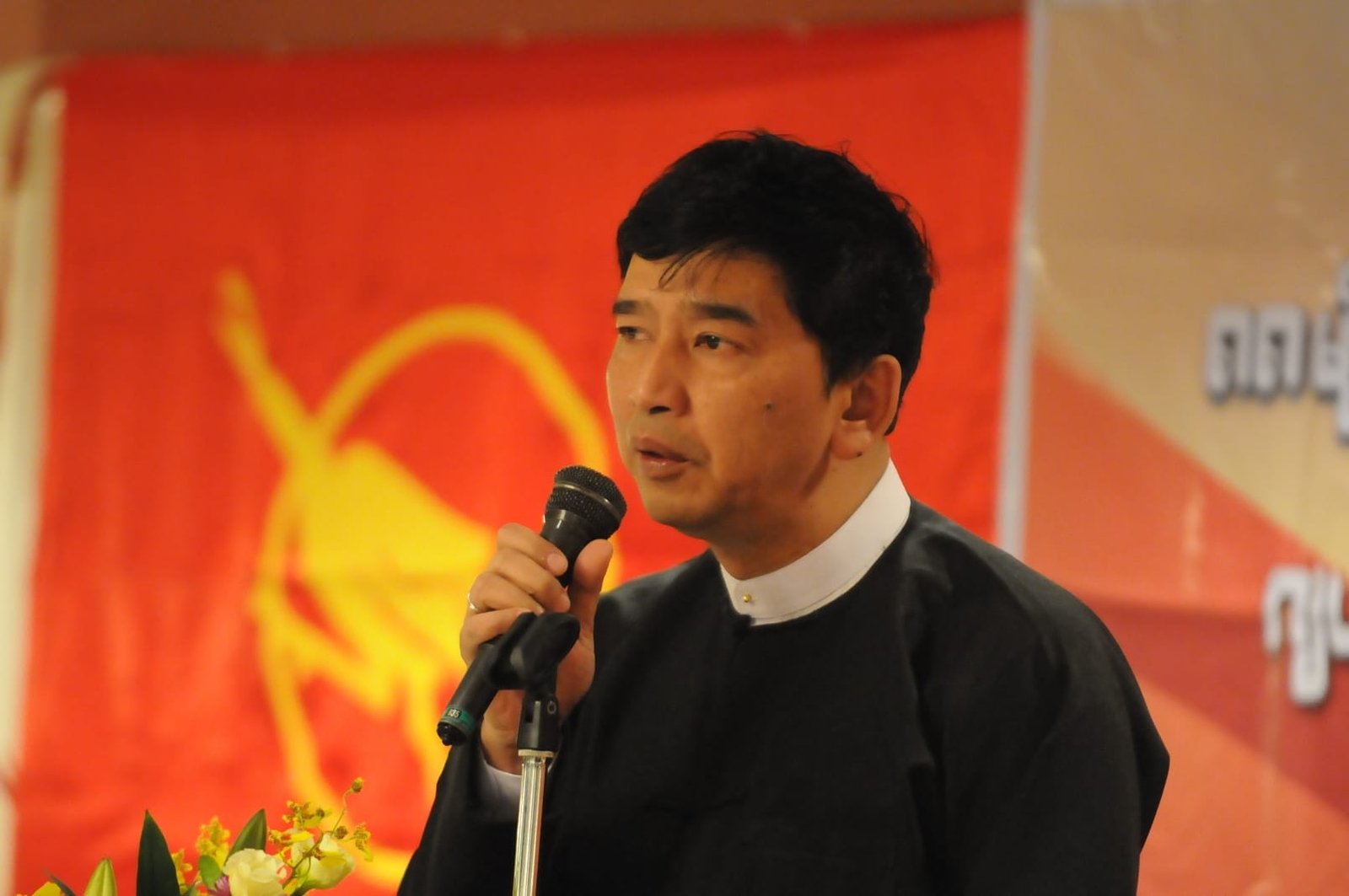
1962—
Min Ko Naing
Student leader and veteran democracy activistThe student organiser whose adopted name means “conqueror of kings” and whose repeated imprisonment made him a symbol of Burma’s 88 Generation.Read biography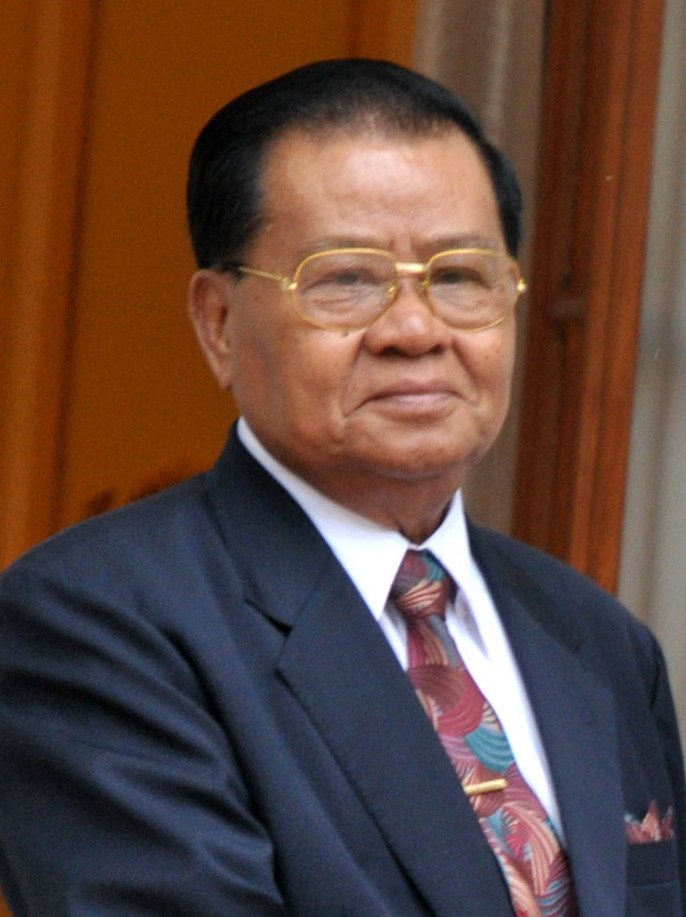
1933—
Than Shwe
Military ruler of Myanmar from 1992 to 2011The senior general who ruled Myanmar for nineteen years, suppressed organised opposition and designed the constitutional system that followed direct military government.Read biography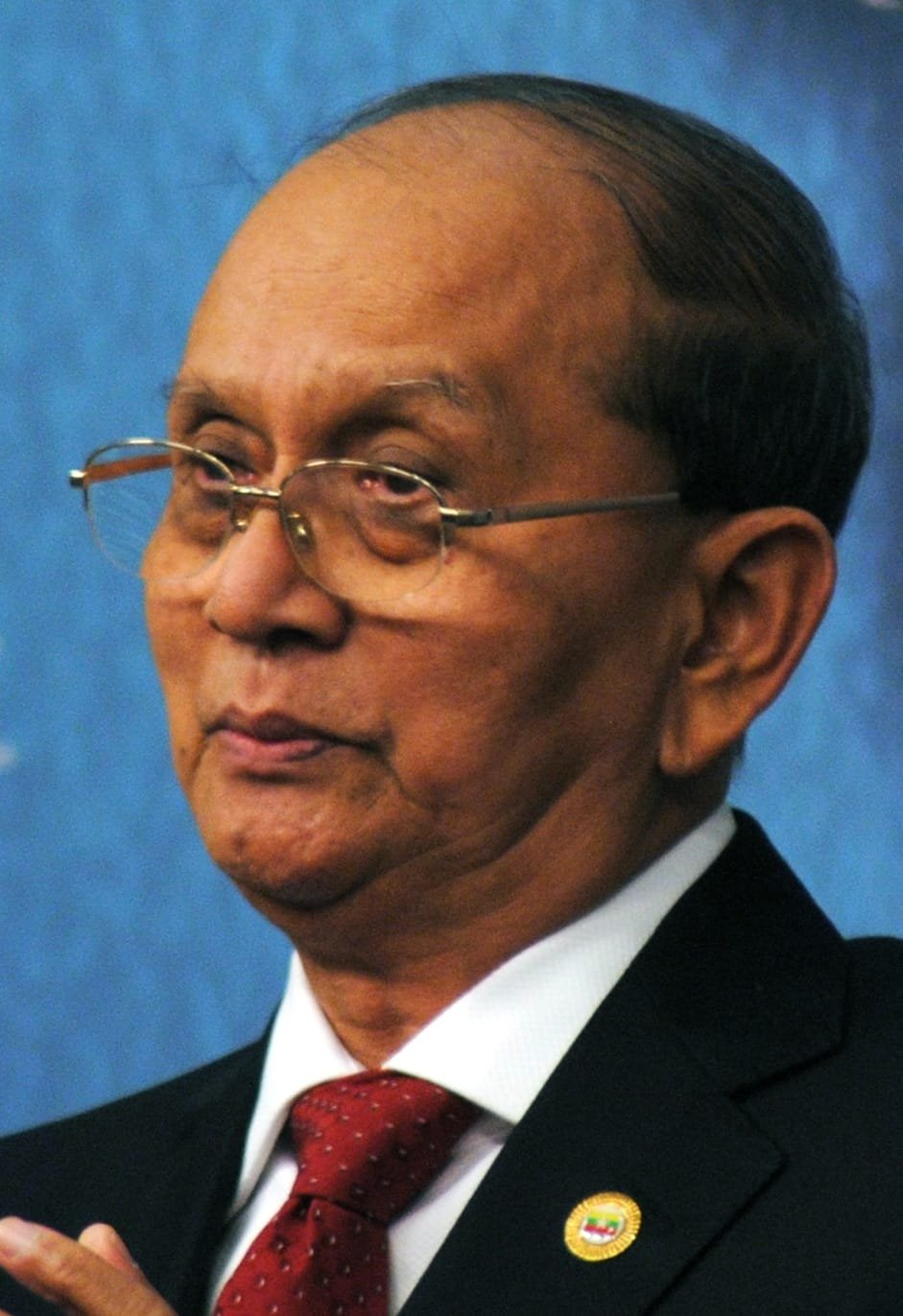
1945—
Thein Sein
President of Myanmar from 2011 to 2016The former general whose presidency released political prisoners, widened civic space and transferred power after the 2015 election without ending military autonomy.Read biography
1945—
Aung San Suu Kyi
Nobel laureate, NLD leader and former state counsellor of MyanmarThe opposition leader who spent about fifteen years in detention, won a parliamentary seat in 2012 and later led Myanmar’s civilian government through the office of state counsellor.Read biography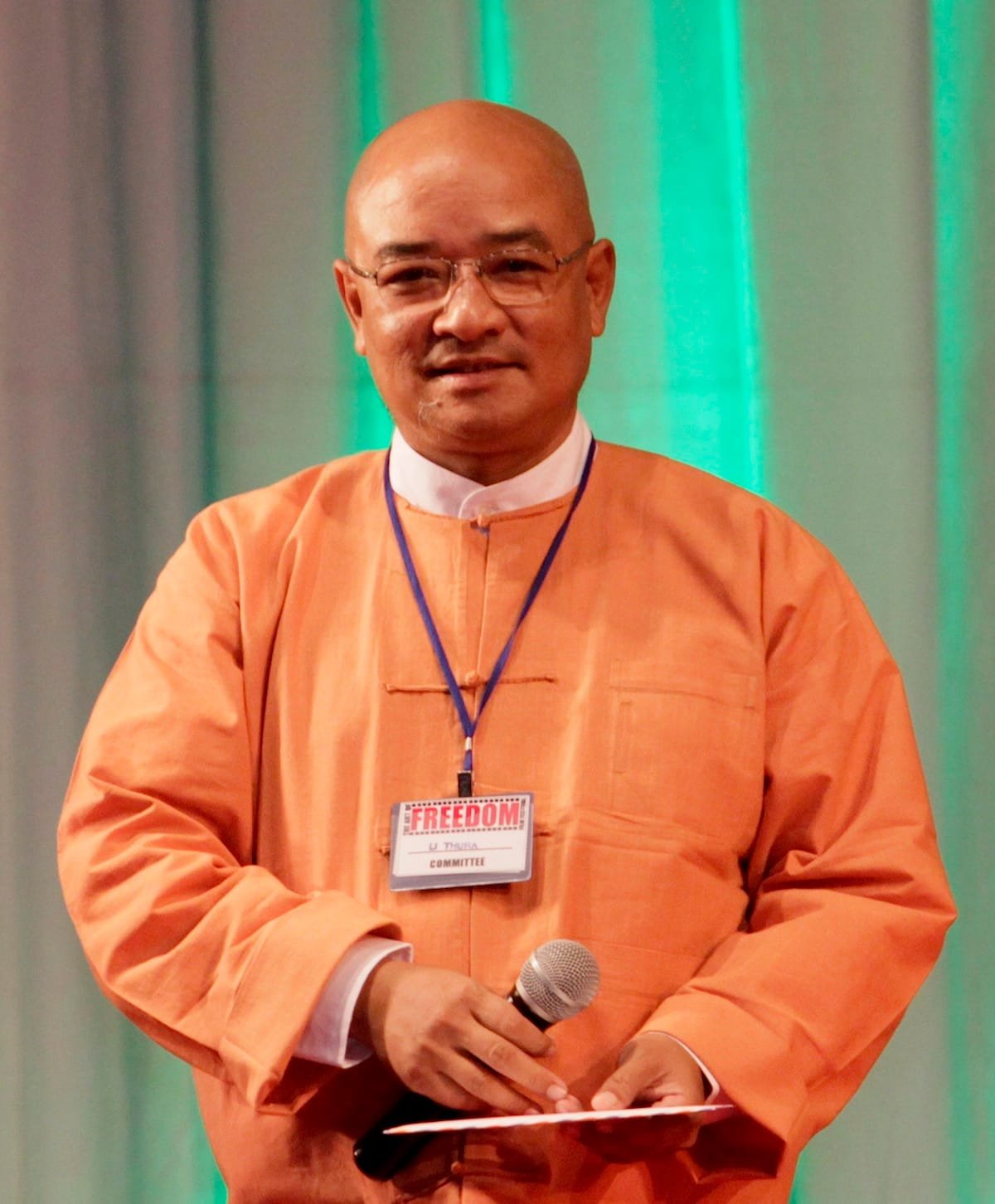
1961—
Zarganar
Comedian, poet, filmmaker and freedom-of-expression advocateMyanmar’s best-known political satirist, whose wordplay, films and humanitarian work repeatedly led to censorship and imprisonment.Read biographyQuick answers
Common questions
- What was the Saffron Revolution?
- It was a wave of economic and political protests in Myanmar during August and September 2007. Veteran student activists began the marches, Buddhist monks later led nationwide demonstrations, and the military suppressed them with lethal force and mass arrests.
- Why was it called the Saffron Revolution?
- International reporting used the colour of Buddhist monastic robes to name the movement. Many Myanmar monks wear maroon or crimson robes, so “saffron” is a symbolic label rather than a precise description of every robe.
- What triggered the protests in August 2007?
- The military government abruptly doubled petrol prices and increased compressed-natural-gas prices fivefold, raising transport, food and household costs.
- Why did monks refuse alms from military officials?
- The religious boycott followed violence against monks in Pakokku and the government’s refusal to apologise. Refusing offerings denied targeted officials the religious merit and recognition associated with supporting the Sangha.
- Who led the Saffron Revolution?
- No single person controlled the whole movement. The 88 Generation Students Group initiated fuel-price protests; U Gambira and other All Burma Monks Alliance organisers coordinated monastic action; local monks, nuns and civilians carried it across the country.
- How many people died in the crackdown?
- A United Nations Special Rapporteur found solid grounds to believe at least 31 people died. The true number may have been higher, but this guide uses the documented UN minimum rather than unsupported estimates.
- Did Aung San Suu Kyi participate in the marches?
- She remained under house arrest. On 22 September monks reached her Yangon home and she briefly appeared at the gate to greet them.
- Did the Saffron Revolution end military rule?
- No. The junta remained in power, adopted the 2008 Constitution and controlled the 2010 transition. Political opening after 2011 freed many prisoners but retained substantial military authority.
Primary and institutional sources
How this history was checked
Dates, legal milestones and historical claims are checked against the official and institutional records below. This article was reviewed on 4 October 2026.
- United Nations Human Rights CouncilSpecial Rapporteur report on the 2007 crackdown · A/HRC/6/14
- United Nations Human Rights CouncilFollow-up report on deaths, detention and disappearances · A/HRC/7/24
- Human Rights WatchCrackdown · Repression of the 2007 Popular Protests in Burma
- Human Rights WatchThe Resistance of the Monks · Buddhism and Activism in Burma
- Human Rights WatchBurma’s Forgotten Prisoners
- Amnesty InternationalFear of torture after the arrest of Htay Kywe and other activists
- Amnesty InternationalPolitical-prisoner release in January 2012
- Wikimedia CommonsMonks protesting in Yangon on 24 September 2007 · CC BY 2.0