
The short answer
Sundown names both a 1974 album and its best-known song. Separating those two objects reveals a record with more subjects and studio choices than the title single’s jealous narrator alone suggests.
Chronology
A timeline of the turning points
A reputation already established
Other performers and Toronto audiences know Lightfoot’s songwriting before Sundown.
His own voice reaches further
If You Could Read My Mind precedes the 1974 peak.
Two chart achievements
The album and the title single separately reach number one in the United States.
A later format
Rhino’s Quadio discussion concerns a remastered edition, not a new 2023 composition.
One title, two releases to distinguish
The title song is one part of a ten-song album. A number-one single and a number-one album are achievements on different charts; the success of one does not automatically establish the other. The Canadian Music Hall of Fame and contemporary career chronology identify both achievements in 1974.
Rhino and the digital listing agree on that year. Their January day labels are not used here to reconstruct an unverified territory-by-territory release schedule. The guide concerns the original 1974 work, not an assertion that every edition reached shops on the same day.
Toronto production without a retreat from folk writing
Rhino identifies Toronto and producer Lenny Waronker as the recording context. The label describes a predominantly acoustic record that nevertheless admits percussion, R&B and rock inflections, and some Moog accompaniment.
This is more useful than a binary story in which folk purity suddenly becomes commercial pop. A guitar-based song can remain recognizable while studio colour changes what surrounds it. Waronker’s production role and Lightfoot’s authorship are complementary facts, not rival explanations of who made the record.
Sources for this section: [1]
The title song’s suspicion is not the whole album
Apple’s editorial account reads Sundown as romantic paranoia. That description concerns the voice of a song; it is not evidence that listeners should endorse the narrator’s suspicion or identify every image with a specific person in the writer’s life.
The biography records Lightfoot’s own admissions about drink and failed relationships. Those facts offer context, but they do not make an imagined scene an independently witnessed event. Keeping the distinction also leaves room for different readings of the narrator’s reliability.
Carefree Highway and Circle of Steel widen the picture
Carefree Highway was the album’s other major hit. Its presence helps explain why the full record reached audiences beyond one memorable chorus. An album can balance different perspectives even when later playlists repeatedly select the same song.
Circle of Steel supplies a particularly useful counterexample to treating the record as all romantic unease. Apple’s critical note identifies its social subject beneath a folk melody. Juxtaposing those subjects—relationship suspicion and social hardship—makes the album’s range visible without pretending that one mood describes every track.
What this success followed
Lightfoot’s reputation was already supported by songs recorded by others and by his place in Toronto’s club scene. The National Music Centre’s account connects his career with the city and a Canadian centennial commission. The 1974 album was a commercial peak, not the moment he first learned to write.
That background changes the meaning of crossover. A writer can reach a larger pop audience through his own recording after years of work as a source for other performers. The career does not begin wherever one country’s chart first notices it.
Original album, later mixes and a different historical ballad
Rhino’s 2023 discussion promotes a remastered Quadio presentation of Sundown. A new format can change access to an older recording without changing its composition year. It is worth identifying the edition before comparing the original album with a later presentation.
The Wreck of the Edmund Fitzgerald is not another title for this record. That song appears on the 1976 Summertime Dream and has a different documentary problem: the relationship between an actual disaster and a memorial narrative. Following that distinction is a more useful next step than treating all famous Lightfoot songs as one album.
Continue the chronology
Related history guides
Biography context
Explore Toronto, Ontario, Canada through connected lives
Connected biographies
Canadian songwriting and the studio
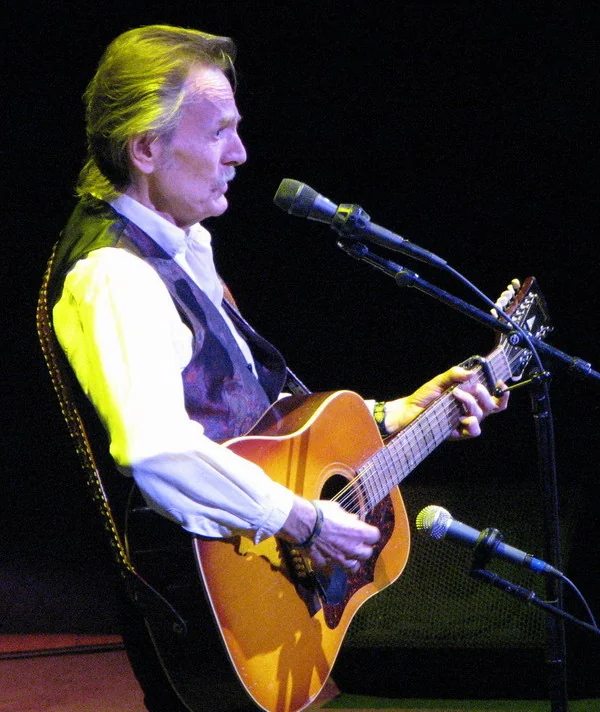
1938–2023
Gordon Lightfoot
Singer-songwriter and guitaristGordon Lightfoot was a Canadian singer-songwriter whose work moved from Toronto’s folk scene to international pop success while retaining a strong sense of place.Read biography
1943–
Joni Mitchell
Singer-songwriter, musician and painterJoni Mitchell is a Canadian singer-songwriter and painter whose albums connect intimate writing with adventurous harmony and changing instrumental arrangements.Read biographyQuick answers
Common questions
- Is Sundown a song or an album?
- Both. The 1974 album contains the song, and the two separately reached number one in the United States.
- Who produced Sundown?
- Rhino identifies Lenny Waronker as producer and Toronto as the recording location.
- Is The Wreck of the Edmund Fitzgerald on Sundown?
- No. It appears on the later 1976 album Summertime Dream.
Primary and institutional sources
How this history was checked
Label notes, actual album metadata, institutional career records and independent reporting support the distinctions here. Critical descriptions are attributed; no lyrics or fabricated complete listening session is supplied. This article was reviewed on 23 October 2026.
- RhinoSundown: ten originals, Toronto, Waronker and later Quadio edition
- RhinoOriginal album record
- Reprise / Apple MusicAlbum listing and attributed critical account
- Canadian Music Hall of FameSingle and album distinction in the career chronology
- National Music CentreToronto and earlier songwriting context
- Songwriters Hall of FameSongs and their international interpreters
- David Friend / The Canadian PressPersonal history, with song narrative kept distinct
- RhinoSummertime Dream: separate 1976 record
- Wikimedia CommonsFull-frame Massey Hall source and CC BY 3.0 grant