
The short answer
STAR Sabah grew from a 2012 branch of a Sarawak party into Jeffrey Kitingan’s independent regional organisation in 2016. Its two seats briefly decided the first post-election majority in 2018, six winners helped GRS form government in 2020, and its 2025 break with GRS returned the party to opposition with two seats.
Election record
STAR Sabah’s state election results
The 2020 candidates used the PN ballot label, so six STAR members are contained within PN’s official seventeen-seat result rather than listed separately.
| Election | STAR members elected | Ballot or alliance context | Political outcome |
|---|---|---|---|
| 2013 | 1 of 60 | Sabah branch of State Reform Party | Jeffrey won Bingkor |
| 2018 | 2 of 60 | United Sabah Alliance | Briefly supported the first BN–STAR government |
| 2020 | 6 of 73 | PN label within broad GRS | Entered Hajiji government |
| 2025 | 2 of 73 | STAR’s own symbol | Won 73,410 votes; remained in opposition |
Chronology
A timeline of the turning points
Jeffrey launches a Sabah STAR branch
The former PKR vice-president organised in Sabah under the Sarawak-based State Reform Party name and acronym.
STAR wins Bingkor
Jeffrey defeated BN–UPKO by 456 votes, giving the regionalist party its first Sabah assembly seat.
Parti Solidariti Tanah Airku is approved
The Sabah organisation separated from its Sarawak predecessor, retained the STAR acronym and adopted its own seven-point-star logo.
Two seats make STAR a temporary kingmaker
Its support helped Musa Aman claim an initial majority, and Jeffrey briefly entered the cabinet before the government changed.
STAR wins six seats with GRS
Candidates using the PN label helped the broad GRS umbrella win government, and Jeffrey became deputy chief minister.
STAR becomes a registered GRS component
The party joined PBS, SAPP and Bersatu in the coalition’s original formal four-party structure.
STAR leaves Perikatan Nasional
It remained in GRS and supported the federal unity government rather than continuing with the national opposition coalition.
STAR and PBS sign a cooperation memorandum
The two GRS components proposed closer political cooperation among Sabah’s native communities while remaining separate parties.
STAR and GRS separate before the election
GRS ended STAR’s membership after it insisted on contesting under its own symbol; Jeffrey confirmed the party’s exit.
STAR wins two seats and stays outside government
Jeffrey retained Tambunan, Mohd Ishak Ayub won Bingkor and the party declared that it would act as a responsible opposition.
No new formal alliance is in place
Jeffrey said STAR was prioritising its own organisation and had no official alliance talks with Warisan or KDM.
What is STAR Sabah?
STAR Sabah is the common name for Parti Solidariti Tanah Airku, a Sabah-based regional party founded in its present form in 2016 and led by Jeffrey Kitingan. The acronym STAR is retained from an earlier organisational phase under the State Reform Party.
The party campaigns around Sabah autonomy, Malaysia Agreement 1963, constitutional revenue rights and a preference for state government led by local parties. Its strongest electoral base has been in Kadazandusun and interior constituencies.
STAR governed through the broad GRS arrangement after the 2020 election, but left the coalition before the 2025 poll. At the 4 October 2026 review date it holds two Sabah assembly seats and remains outside any formal governing coalition.
Why did Jeffrey Kitingan build STAR?
Jeffrey had previously worked through PBS, AKAR, PBRS and PKR. Supporters see a consistent campaign for Sabah rights across those affiliations; critics point to repeated party changes. STAR gave him a permanent local vehicle under his own leadership.
At the 2016 launch, he described the party’s purpose as defending state rights in the Federal Constitution and working with local organisations that accepted a Sabah-centred agenda. The seven-point star symbol reinforced its Borneo platform.
The party’s appeal is therefore closely connected to its founder. ISEAS analysis in 2024 described STAR support as concentrated in interior Kadazandusun areas and driven substantially by Jeffrey’s nationalist profile.
What was STAR’s first election breakthrough?
In 2013 the Sabah branch contested widely but won only Bingkor. Jeffrey received 5,350 votes and defeated BN–UPKO candidate Kennedy John Angian by 456.
One seat did not give STAR broad legislative weight, but it established an elected base in the interior and demonstrated that Jeffrey’s regionalist campaign could survive outside the larger national coalitions.
The victory also distinguished the party from smaller Sabah opposition labels that failed to convert votes into seats under the first-past-the-post system.
Why was STAR a kingmaker after the 2018 election?
STAR won Tambunan and Sook, while Jeffrey also captured the Keningau parliamentary seat. The state result left BN and Warisan–PH tied at 29 elected seats, making STAR’s two assembly members decisive at the first stage of government formation.
The party supported Musa Aman, who was sworn in with a claimed 31-seat majority, and Jeffrey briefly became deputy chief minister. Six BN-winning members then shifted to Shafie Apdal, who replaced Musa as chief minister.
STAR moved into opposition after only days around executive power. The episode established a recurring strategic problem: a small regional party could determine a close majority, yet still lack the seats to control what larger partners did next.
How did STAR enter government in 2020?
STAR joined the PN–BN–PBS election umbrella commonly called GRS. Its candidates ran under the PN label, so the official result did not list a separate STAR total even though six of PN’s seventeen winners belonged to the party.
The broad GRS side won 38 of 73 seats and formed government under Hajiji Noor. Jeffrey became Deputy Chief Minister II and minister of agriculture and fisheries, returning STAR to executive office on a more durable basis.
The arrangement combined two layers: STAR belonged to national PN and also to Sabah’s GRS. When GRS later registered as a coalition in 2022, STAR was one of its four original formal components.
Why did STAR leave PN but remain in GRS?
After GE15 produced a hung Parliament in November 2022, GRS backed the unity government led by Anwar Ibrahim. PN instead became the principal federal opposition.
Jeffrey said STAR’s direction no longer aligned with PN and confirmed its departure in December. The party nevertheless remained a GRS component and supported the Sabah government.
That distinction matters because PN and GRS had overlapped in 2020 but were not the same organisation. Leaving the national coalition did not automatically end STAR’s membership of the registered Sabah coalition.
What was the PBS–STAR cooperation agreement?
PBS and STAR signed a memorandum in April 2024 to strengthen cooperation, especially among Sabah’s native communities. Joseph Pairin Kitingan witnessed the agreement between the party associated with his career and the party led by his brother Jeffrey.
The memorandum did not merge the organisations. Both remained separate GRS components with their own presidents, structures and electoral interests.
It nevertheless illustrated their overlapping political market: both appealed to Kadazandusun-Murut voters, defended regional rights and operated inside a coalition anchored by Hajiji’s Gagasan Rakyat.
Why did STAR leave GRS in 2025?
STAR objected to the coalition’s electoral cooperation with PH and insisted on using its own logo in the state election. GRS treated that decision as incompatible with component membership and announced the termination on 2 October; Jeffrey confirmed the exit.
The split divided STAR’s elected team. Five of its six assembly members chose to support GRS and left the party, weakening the organisation immediately before nominations.
STAR then campaigned as a local alternative rather than under the governing coalition label. Its position emphasised Sabah-party leadership, but the wider multi-cornered contest split voters among several organisations making similar regional claims.
How did STAR perform in the 2025 Sabah election?
STAR won two of the 73 seats. Jeffrey retained Tambunan and Mohd Ishak Ayub won Bingkor, returning the party to the constituencies associated with Jeffrey’s strongest interior base.
Its candidates received 73,410 votes, or about 6.5 percent of valid votes statewide. That was a larger vote share than UPKO’s 5.7 percent, but UPKO converted its support into three seats while STAR won two.
The party lost four seats compared with the six members elected under the PN label in 2020. It declared that it would remain outside Hajiji’s new cabinet and act as a responsible opposition supporting measures that protected Sabah interests.
Is STAR in government or opposition now?
STAR is not a component of the GRS-led Sabah government at the review date. Jeffrey’s December 2025 statement placed the party in opposition even though it could support particular policies or the orderly formation of government.
In September 2026 he said there were no official alliance negotiations with Warisan or KDM and that STAR’s immediate priority was strengthening its own organisation. Informal contact should therefore not be described as a completed coalition.
STAR’s position is best dated rather than treated as permanent. Sabah alliances have changed rapidly, and the party itself moved through PN and GRS before returning to an independent opposition role.
Who leads STAR Sabah?
Jeffrey Kitingan has led the present party since its 2016 approval and was returned unopposed for the 2024–2027 term. He remains the member of Parliament for Keningau and assembly member for Tambunan.
The party changed several acting leadership posts after the 2025 election and internal departures. Those appointments are organisational roles, while Jeffrey’s presidency remains the stable centre of its public identity.
This founder-centred structure provides message consistency but creates succession risk. STAR’s electoral record outside Jeffrey’s own constituencies is the clearest test of whether it can develop a broader institution.
How is STAR different from PBS, UPKO, Warisan and GRS?
STAR, PBS, UPKO and Warisan are individual parties; GRS is a coalition. STAR was once a GRS component but is not the same organisation as the alliance it helped put in government.
PBS and UPKO have older institutional networks, while STAR’s modern structure was built around Jeffrey after 2012. Warisan is more competitive on the east coast and in urban mixed seats; STAR’s victories have been concentrated in the interior.
All four parties use Sabah-rights language. Their differences concern leadership, community base, alliances with national parties and whether autonomy goals are better pursued from government or an independent opposition position.
Continue the chronology
Related history guides
The 2013 Sabah State Election
See Jeffrey’s 456-vote Bingkor breakthrough and STAR’s first assembly seat.
Read the timeline9–12 May 2018The 2018 Sabah State Election
Read why STAR’s two seats initially broke the 29–29 assembly tie.
Read the timeline26–29 September 2020The 2020 Sabah State Election
Follow STAR’s six PN-label winners into the first GRS government.
Read the timeline29 November–2 December 2025The 2025 Sabah State Election
Compare STAR’s two seats with the fragmented result and wider government arrangement.
Read the timeline2020–presentGabungan Rakyat Sabah: History and Parties
Trace the coalition STAR helped create, formally joined and then left in 2025.
Read the timeline1985–presentParti Bersatu Sabah: History and Leaders
Compare Joseph Pairin’s older regional party with Jeffrey’s STAR organisation.
Read the timeline1994–presentUPKO Sabah: History and Elections
Compare two parties competing for Indigenous and regionalist support in Sabah.
Read the timeline2016–presentParti Warisan Sabah: History and Elections
Contrast STAR’s interior base with the larger regional opposition party.
Read the timelineBiography context
Explore Sabah, Malaysia through connected lives
Jeffrey Kitingan
Follow STAR’s founder through research, detention, several parties and Sabah rights advocacy.
Explore the biographiesPolitical familyJoseph Pairin Kitingan
Compare Jeffrey’s party with the PBS movement led by his elder brother.
Explore the biographiesRegional archiveInfluential People from Sabah
Explore the leaders, elections and regional parties surrounding STAR’s rise.
Explore the biographiesConnected biographies
Eight biographies across STAR’s regionalist and coalition history

1948—
Jeffrey Kitingan
President of STAR and Member of Parliament for KeningauThe Keningau MP, Tambunan assemblyman and STAR founder whose long career centres on Sabah autonomy, MA63 and Indigenous political representation.Read biography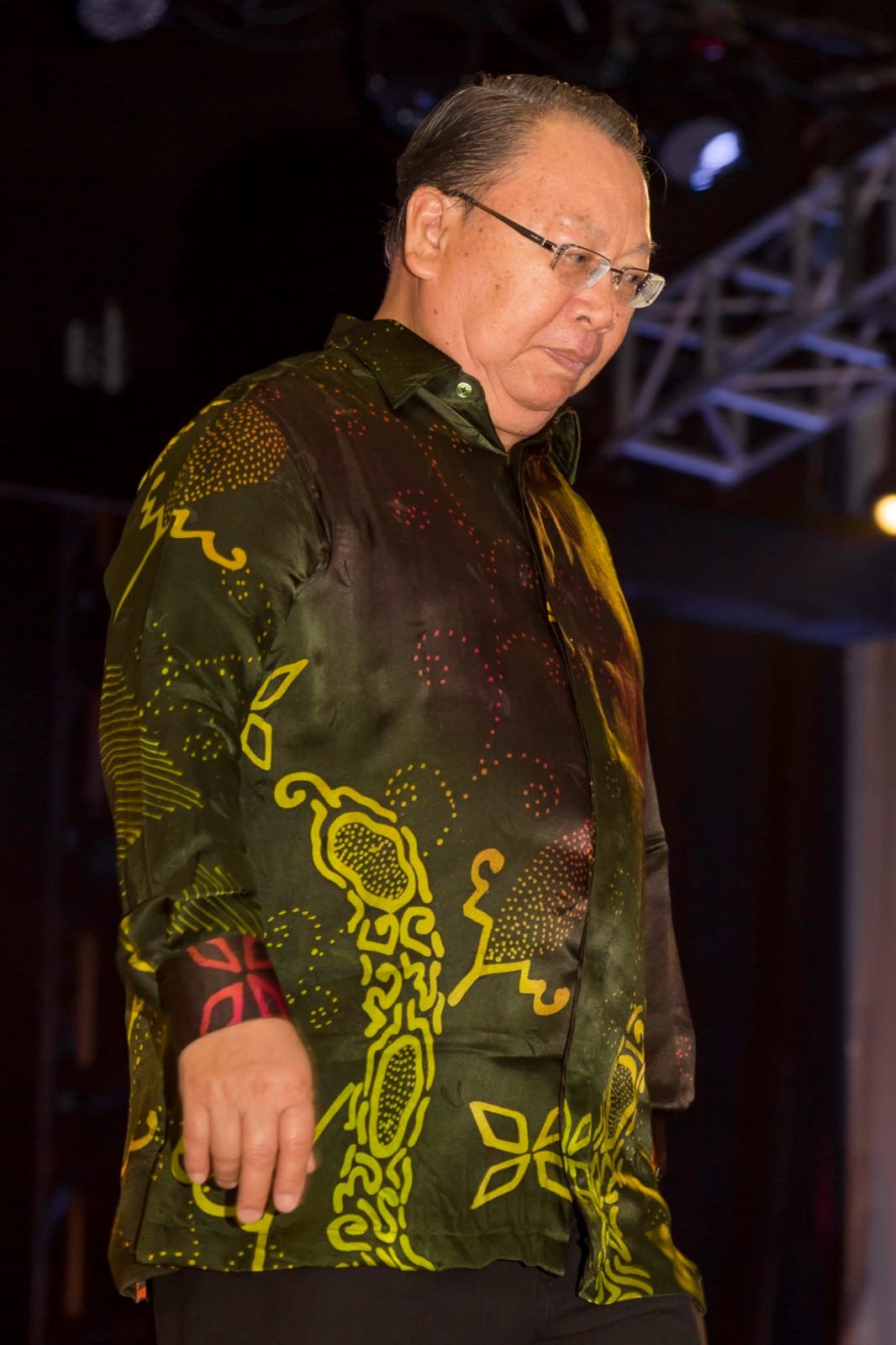
1940—
Joseph Pairin Kitingan
Founder of PBS and former Chief Minister of SabahThe lawyer and Kadazandusun leader who founded PBS, led four consecutive state-election victories and served as Sabah’s chief minister for nearly nine years.Read biography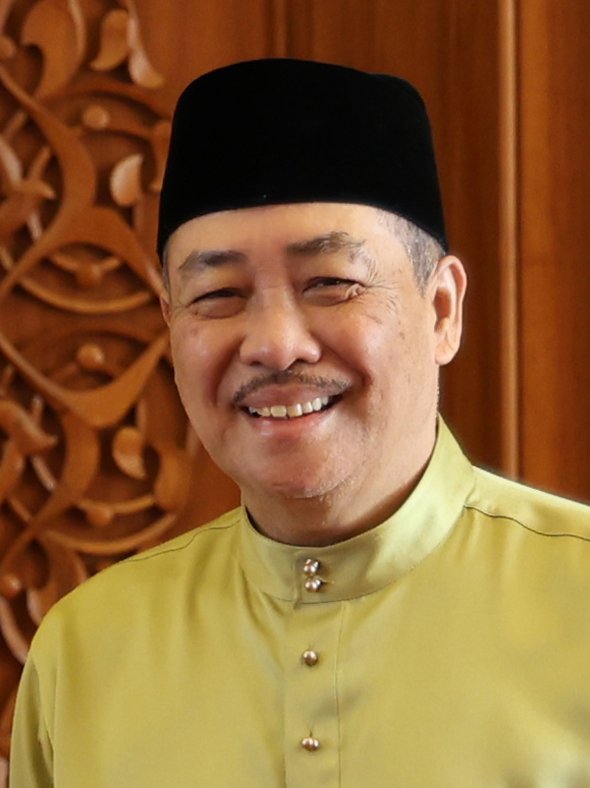
1955—
Hajiji Noor
Chief Minister of Sabah and Chairman of Gabungan Rakyat SabahThe long-serving Sulaman assemblyman who became Sabah chief minister in 2020 and won a second term at the 2025 state election.Read biography
1956—
Shafie Apdal
President of Parti Warisan and Member of Parliament for SempornaThe Semporna parliamentarian, former federal minister and Warisan founder who led Sabah from 2018 until the 2020 state election.Read biography1958—
Joachim Gunsalam
Deputy Chief Minister of Sabah and President of PBSThe physician and six-term Kundasang assemblyman who rose through PBS, entered Sabah’s senior cabinet and became the party’s third president.Read biography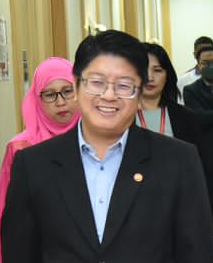
1983—
Ewon Benedick
Deputy Chief Minister of Sabah and President of UPKOThe Penampang MP and Kadamaian assemblyman who leads UPKO and became Sabah’s Deputy Chief Minister III after the 2025 state election.Read biography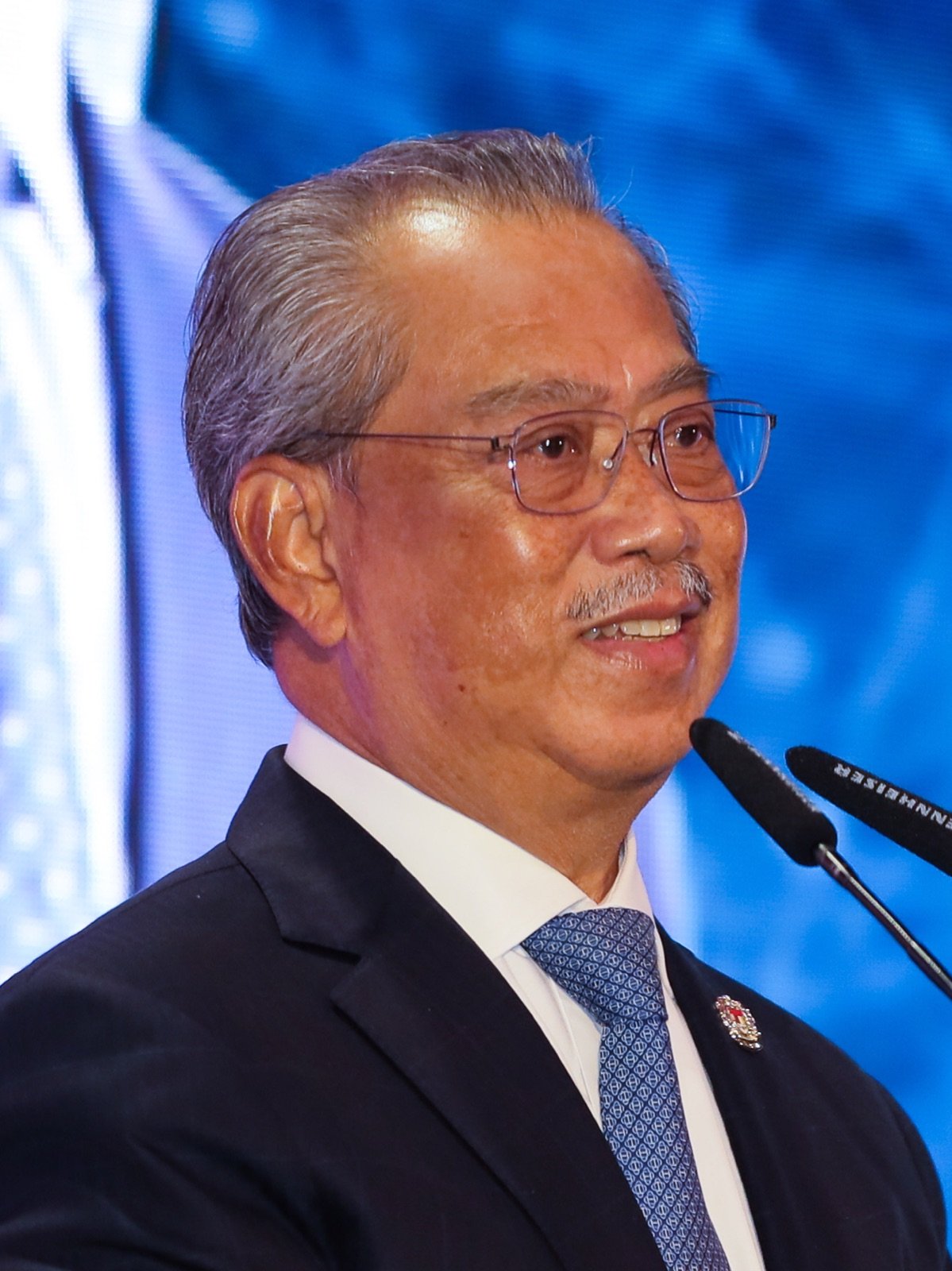
1947—
Muhyiddin Yassin
Eighth Prime Minister of MalaysiaA veteran Johor politician who became prime minister after the 2020 coalition crisis and governed through the most disruptive phase of the pandemic.Read biography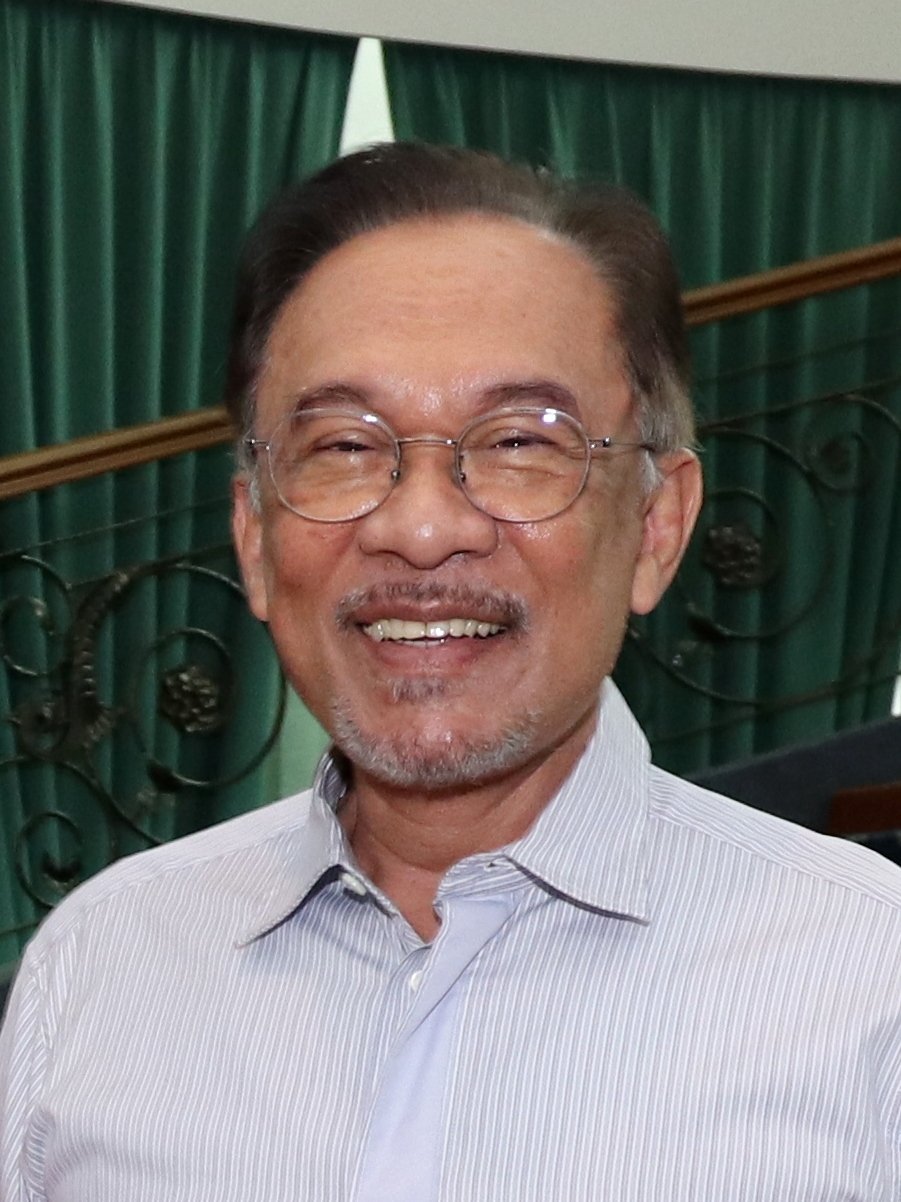
1947—
Anwar Ibrahim
Tenth Prime Minister of MalaysiaA student activist turned government minister, opposition leader and Malaysia’s tenth prime minister after one of the longest routes to national office.Read biographyQuick answers
Common questions
- What does STAR Sabah stand for?
- STAR is the acronym for Parti Solidariti Tanah Airku, commonly translated as the Homeland Solidarity Party.
- When was STAR Sabah founded?
- Jeffrey Kitingan launched a Sabah State Reform Party branch in 2012. The present independent Parti Solidariti Tanah Airku was approved in July 2016.
- Who founded and leads STAR Sabah?
- Jeffrey Kitingan founded the present party and remains its president for the 2024–2027 term.
- How many seats did STAR win in 2018?
- STAR won two Sabah assembly seats, Tambunan and Sook, and Jeffrey also won the Keningau parliamentary seat.
- How many seats did STAR win in 2020?
- Six STAR members won while contesting under the Perikatan Nasional label within the broader GRS election umbrella.
- When did STAR leave Perikatan Nasional?
- STAR confirmed its departure from PN in December 2022 while remaining a member of GRS.
- Why did STAR leave GRS?
- The 2025 split followed disagreement over cooperation with PH and STAR’s decision to contest the state election under its own symbol.
- How many seats did STAR win in 2025?
- STAR won two seats, Tambunan and Bingkor, with 73,410 votes statewide.
- Is STAR Sabah part of the government in 2026?
- No. It remains outside the GRS-led government and had no new formal alliance at the 4 October 2026 review date.
Primary and institutional sources
How this history was checked
2016 reporting establishes the split from the Sarawak organisation; Election Commission and ElectionData records establish results; Bernama and GRS reporting date coalition changes; ISEAS analyses STAR’s electoral base; the September 2026 statement fixes the current no-alliance position. This article was reviewed on 4 October 2026.
- The StarJeffrey Announces Approval of the Present STAR Sabah Party
- Malay MailSTAR Sabah Separates From the Sarawak Organisation in 2016
- ElectionData.mySabah 2013 State Election Results
- Election Commission of MalaysiaFull Results of the 16th Sabah State Election, 2020
- BernamaGRS Formally Consists of Four Parties, Including STAR, in 2022
- MalaysiaNow / BernamaSTAR Announces Its Departure From Perikatan Nasional
- ISEAS – Yusof Ishak InstituteThe Battle for Sabah: Key Players, Issues and Scenarios
- MalaysiakiniGRS Ends STAR and SAPP Membership Before the 2025 Election
- Election Commission of MalaysiaFull Results of the 17th Sabah State Election, 2025
- BernamaSTAR Says It Will Remain in Opposition
- The StarNo Formal STAR Alliance Talks With Warisan or KDM in 2026
- Wikimedia CommonsJeffrey Kitingan Portrait and Public-Domain Record