
The short answer
The Palace Rebellion was Pridi Banomyong’s failed attempt to overturn the military order created in 1947. A pro-Pridi faction occupied the Grand Palace and announced a replacement government, but army units under Sarit Thanarat retook central Bangkok and forced Pridi into permanent exile.
Chronology
A timeline of the turning points
The postwar civilian government is overthrown
The Coup Group removed Thawan Thamrongnawasawat, drove Pridi from power and placed the army back at the centre of government.
Phibun returns as prime minister
Military leaders forced Khuang Aphaiwong to resign and installed Plaek Phibunsongkhram on 8 April.
Pridi returns secretly
After exile in Singapore and China, Pridi re-entered Thailand to organise an attempt against the post-coup government.
Rebel forces occupy the Grand Palace
A pro-Pridi group drawing on naval and former Free Thai connections seized the palace and other positions in central Bangkok.
A replacement government is announced
A radio broadcast declared Phibun dismissed and named Direk Jayanama as the proposed head of a new government.
Army and rebel units fight in Bangkok
Clashes centred on the Grand Palace and the Naval Signal Corps as the uprising failed to win broad military support.
Government forces retake the palace
Army units under Sarit Thanarat used armour to break into the palace compound and collapse the rebels’ main position.
Pridi escapes capture
Pridi went into hiding before leaving Thailand for China; he never again returned to active national politics at home.
A new constitution is promulgated
The post-coup order adopted a permanent charter while military and palace-aligned institutions continued to consolidate authority.
Military rivalry continues
The failed uprising did not end factional conflict; later struggles among the army, navy and police reshaped Phibun’s second government.
What was the Palace Rebellion?
The Palace Rebellion was an unsuccessful attempt to remove Prime Minister Plaek Phibunsongkhram on 26–27 February 1949. Thai sources also describe it as the Grand Palace Rebellion or Kabot Wang Luang. Pridi Banomyong, the civilian leader displaced by the 1947 coup, returned secretly and joined naval officers and former resistance contacts in an operation centred on the Grand Palace and broadcasting facilities in Bangkok.
Calling the event a “rebellion” reflects the terminology of the victorious government. Participants and later sympathetic accounts have used language such as a democratic movement or counter-coup. Neither label should hide the method: an armed group tried to replace a government created by an earlier military seizure of power, and the contest was decided through force rather than an election or parliamentary vote.
Why did Pridi and his allies challenge Phibun?
The November 1947 coup destroyed the postwar civilian order, abolished the 1946 Constitution and forced Pridi abroad. The Coup Group initially appointed Khuang Aphaiwong, but army leaders removed him in April 1948 and returned Phibun to the premiership. Politicians and officers associated with Pridi therefore faced exclusion, surveillance and the loss of the constitutional system they had helped build.
The navy was a particularly important fault line. Naval officers had worked closely with Pridi during the Free Thai resistance and had helped Pridi, Thawan and other members of the defeated government escape arrest in 1947. Many resented growing army dominance. Yet “the navy” was not a single political actor: the uprising drew support from a pro-Pridi faction and marine units, not automatic commitment from every commander or ship.
What happened in Bangkok on 26 February?
Pridi and his supporters began their operation on the evening of 26 February. Rebel forces entered the Grand Palace, took broadcasting positions and announced that Phibun’s government had been dismissed. Holding the palace supplied a commanding location and symbolic authority, but the royal family was outside Bangkok and occupation of the compound did not produce automatic control over the armed forces or civil administration.
The broadcast named Direk Jayanama as the head of a proposed replacement government. This is evidence of the political order the rebels wanted to announce, not proof that a functioning Direk cabinet took office. Direk had been a People’s Party diplomat, Free Thai member and postwar minister, but the attempt collapsed before any replacement administration could exercise authority.
How did the government defeat the uprising?
Phibun’s government mobilised loyal army formations quickly and placed Major General Sarit Thanarat in command of the counter-operation. Fighting broke out around central Bangkok, especially near the Grand Palace and the Naval Signal Corps. Government forces retained enough communications, armour and command cohesion to prevent the seizure of selected landmarks from becoming national control.
On 27 February, Sarit ordered tanks through a palace gate and government troops retook the compound. The rebels had not secured the broad support needed to withstand the army or sustain a rival administration. The episode demonstrated that personal networks formed during the resistance could open access to men and installations, but they were no substitute for a coordinated command structure across the security services.
What happened to Pridi and the Free Thai network?
Pridi escaped the defeat and hid before leaving for China. He later settled in France and died in exile in 1983. The failed operation ended any realistic prospect of restoring his civilian faction through domestic armed action. Supporters were arrested or marginalised, while the government increasingly treated former Free Thai connections as a security threat rather than a source of postwar legitimacy.
The movement’s wartime unity had already dissolved. Seni Pramoj and Khuang Aphaiwong built a parliamentary opposition through the Democrat Party; Direk moved toward diplomacy and education; Adun Adundetcharat had lost command after the 1947 coup; and Thawan remained abroad during the rebellion. Describing all former Free Thai members as one 1949 bloc would erase the different choices they made after Japan’s surrender.
Why does the 1949 Palace Rebellion matter?
The uprising marked Pridi’s final direct attempt to return to power and accelerated the elimination of his civilian network from national politics. It also made Sarit more visible as an army commander years before he displaced Phibun and established his own authoritarian regime. For the navy, participation by a faction deepened government suspicion that would have severe consequences after the next rebellion.
More broadly, the event shows how quickly Thailand’s wartime coalition fractured after 1945. People who had cooperated against Japan divided among parliamentary parties, exile networks and competing security services. The 1947 coup created the order that the palace rebels tried to overturn; their defeat helped entrench that order and narrowed the political space available to the People’s Party’s civilian wing.
Continue the chronology
Related history guides
The 1947 Thai Coup
Start with the military takeover that removed Thawan and forced Pridi abroad.
Read the timeline1941–1945The Free Thai Movement
Trace the resistance relationships that later fragmented across rival postwar factions.
Read the timeline29–30 June 1951The 1951 Manhattan Rebellion
Continue into the failed naval revolt that further strengthened army and police power.
Read the timeline1932–presentPrime Ministers of Thailand
Compare Pridi, Thawan, Khuang and Phibun across the postwar succession.
Read the timeline1851–todayThailand History Timeline
Place the rebellion between wartime resistance and Cold War military consolidation.
Read the timelineConnected biographies
Nine biographies connecting civilian government, resistance networks and postwar military power
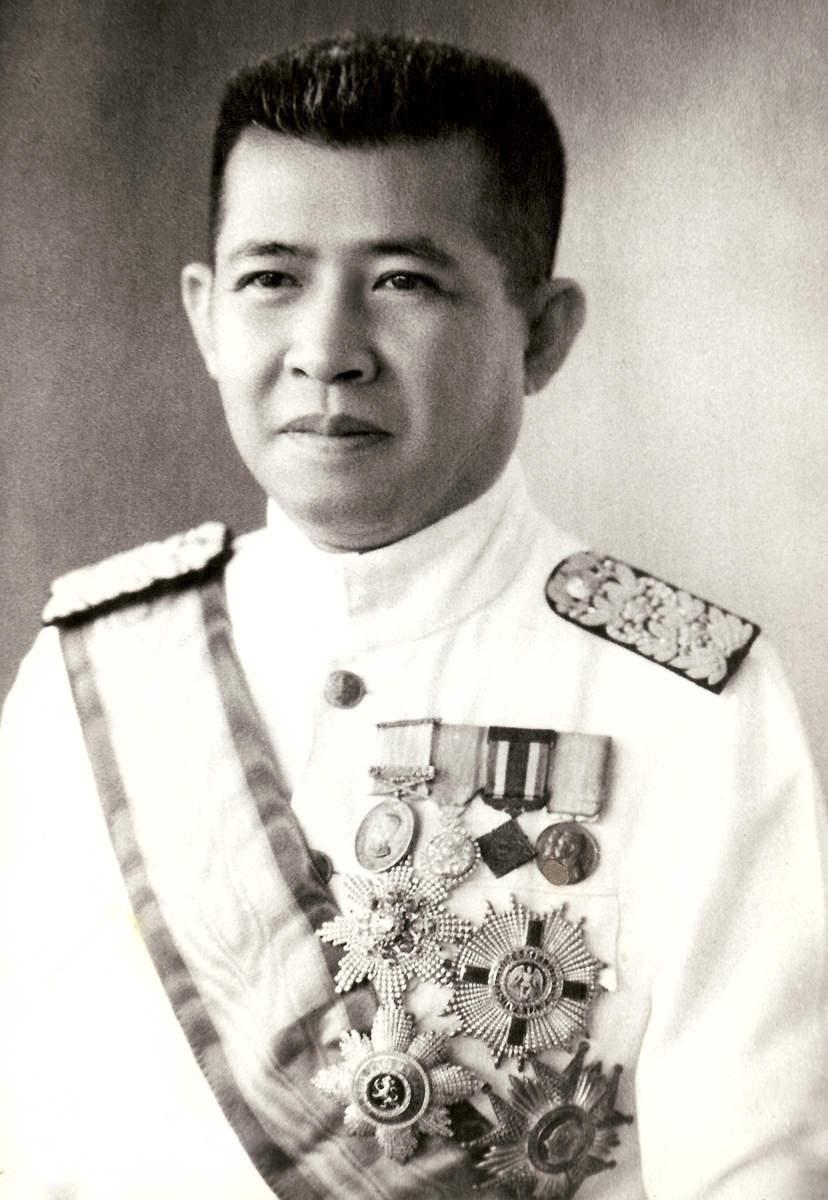 Thailand · Politics
1900—1983
Pridi Banomyong
Statesman, jurist and prime ministerA jurist and statesman who helped end absolute monarchy, founded Thammasat University and led the civilian Free Thai resistance during the Second World War.Read biography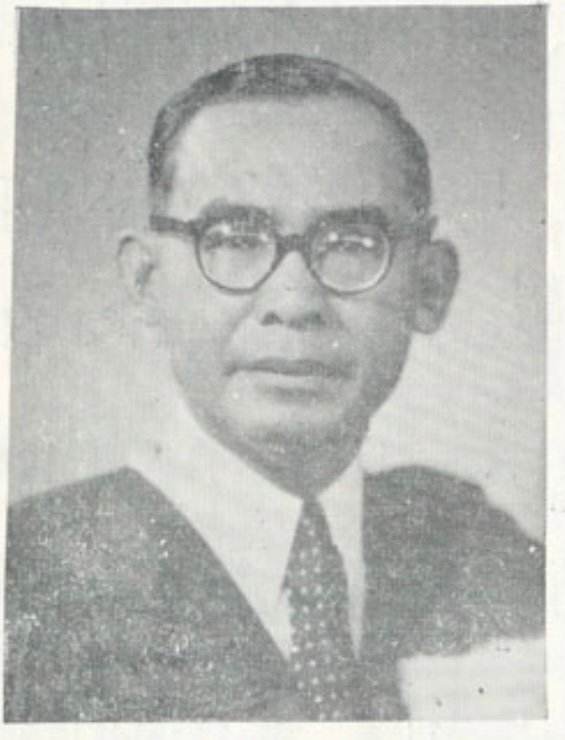 Thailand · Politics
1905—1967
Direk Jayanama
Thai diplomat, foreign minister and Free Thai memberThe lawyer, People’s Party member and diplomat who navigated Thailand’s wartime relationship with Japan, joined the Free Thai resistance and built a lasting academic institution.Read biography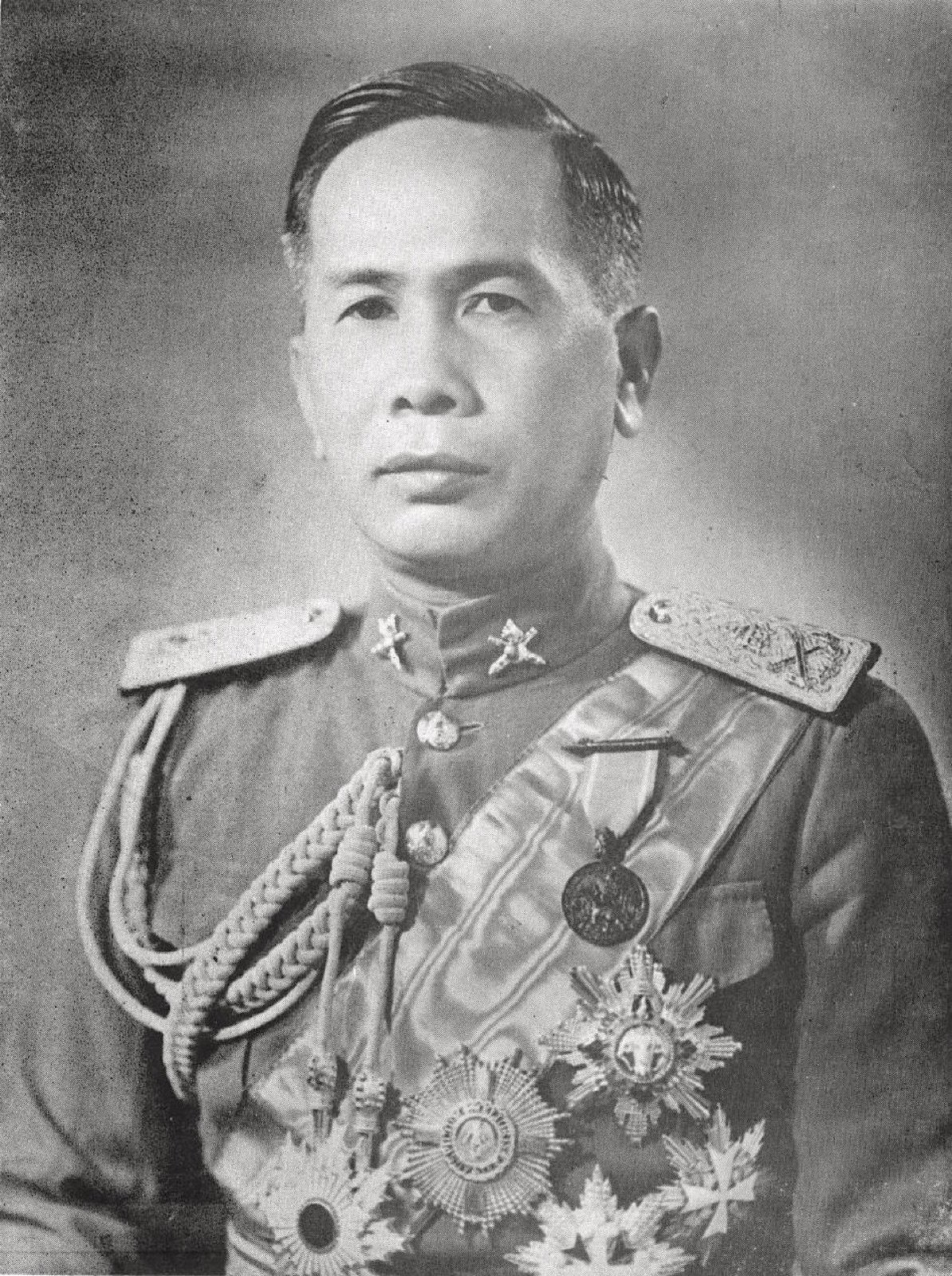 Thailand · Politics
1897—1964
Plaek Phibunsongkhram
Military officer and prime minister of ThailandA military leader of the 1932 revolution who twice served as prime minister and used state power to promote nationalism, social mandates and a new name for the country.Read biography Thailand · Politics
1908—1963
Sarit Thanarat
Military ruler and prime minister of ThailandA field marshal who displaced Phibun, abolished constitutional politics and paired coercive rule with development planning and a close United States alliance.Read biography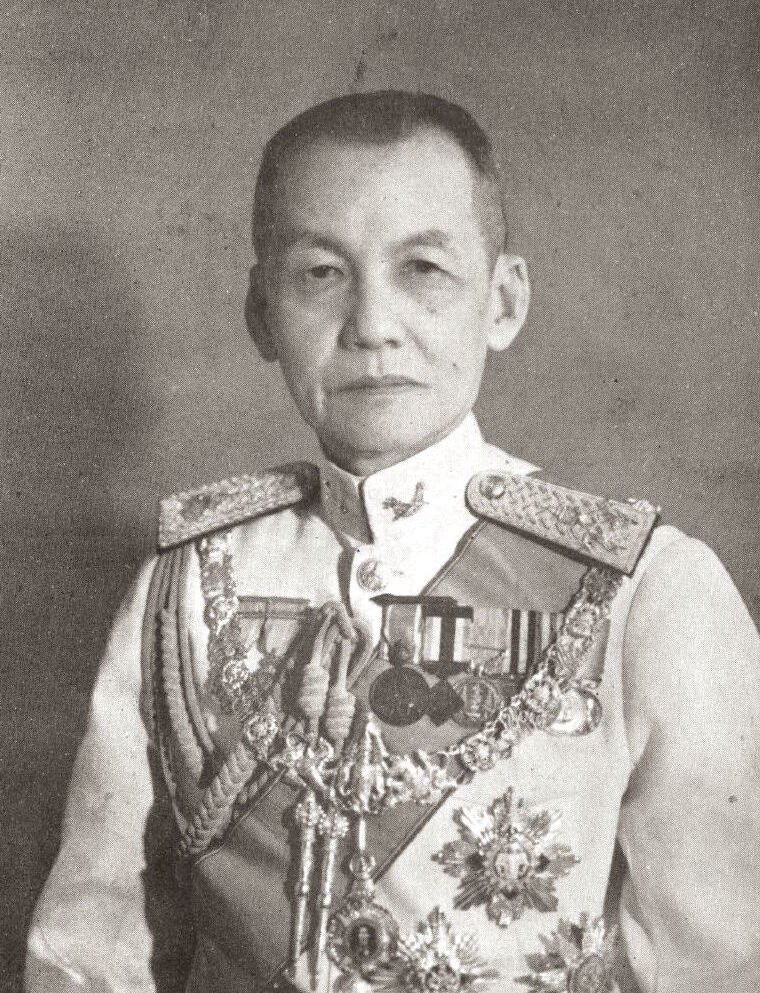 Thailand · Politics
1891—1973
Phin Choonhavan
Thai field marshal and leader of the 1947 Coup GroupA professional soldier who became the public leader of Thailand’s 1947 Coup Group, army commander and patriarch of an influential military-political family.Read biography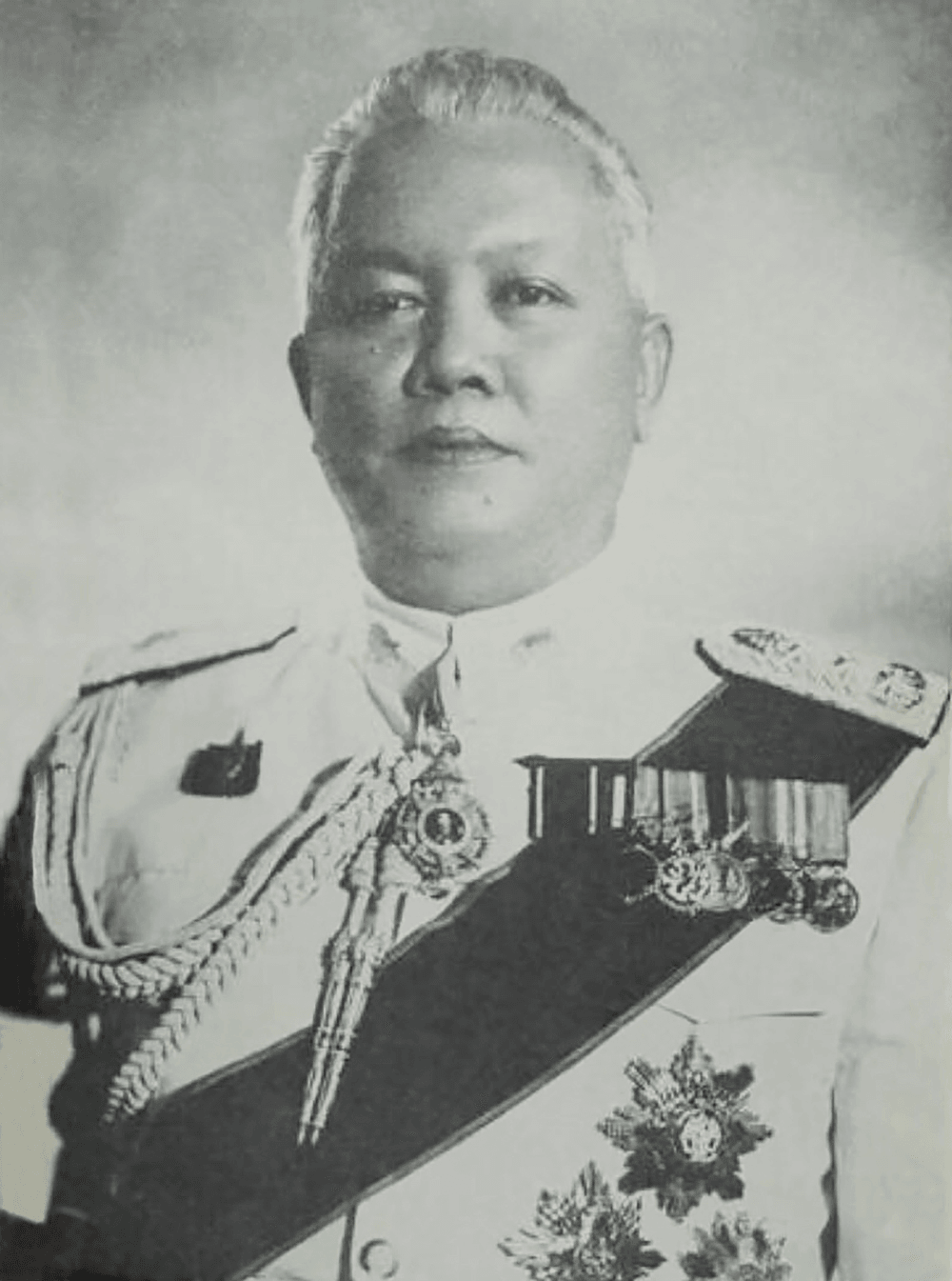 Thailand · Politics
1910—1960
Phao Siyanon
Thai police general and Cold War power brokerA police general who helped make Thailand’s national police a heavily armed Cold War power centre while presiding over political repression and a far-reaching patronage network.Read biography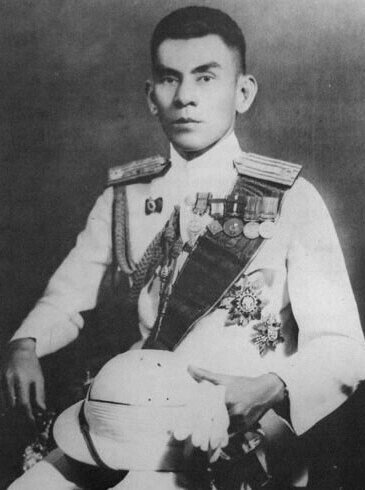 Thailand · Politics
1901—1988
Thawan Thamrongnawasawat
8th Prime Minister of Thailand and naval officerA naval officer, lawyer and People’s Party member who became prime minister during Thailand’s unstable postwar transition and was removed by the 1947 coup.Read biography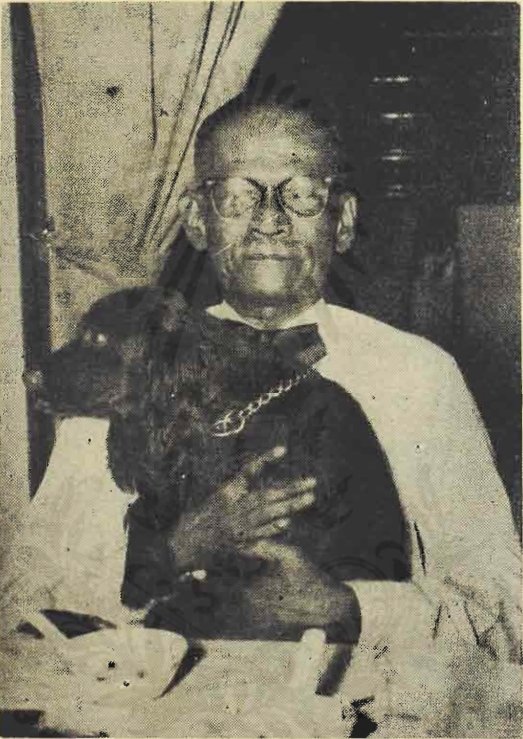 Thailand · Politics
1894—1969
Adun Adundetcharat
Thai police chief and deputy Free Thai leaderAn army officer turned national police chief who joined the 1932 revolution, built a formidable security apparatus and later made that apparatus central to the Free Thai resistance.Read biography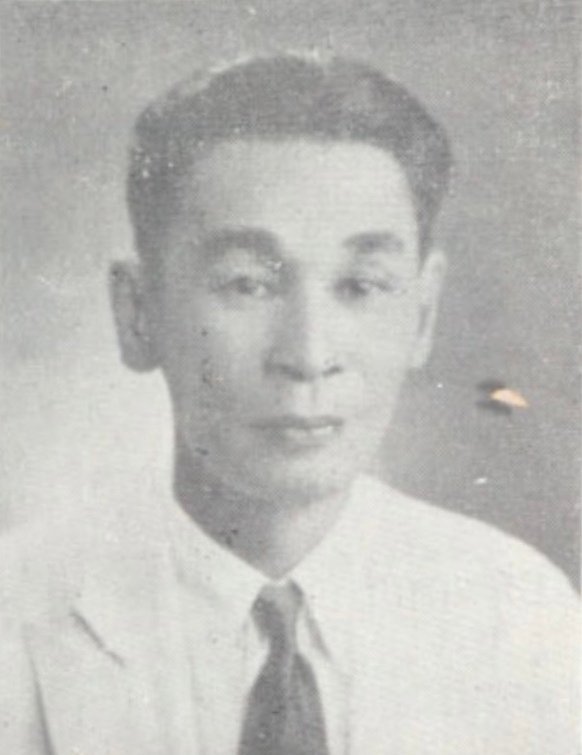 Thailand · Politics
1902—1968
Khuang Aphaiwong
4th Prime Minister of Thailand and Democrat Party founderThe engineer and People’s Party veteran who led a wartime transition, served three periods as prime minister and became the first leader of Thailand’s Democrat Party.Read biographyQuick answers
Common questions
- When was the Palace Rebellion in Thailand?
- The uprising began in Bangkok on 26 February 1949 and was defeated by government forces on 27 February.
- Who led the 1949 Palace Rebellion?
- Former prime minister Pridi Banomyong was its central political leader. The operation drew on a pro-Pridi naval faction, marines and former Free Thai connections.
- Why is it called the Palace Rebellion?
- Rebel forces occupied the Grand Palace, which became the principal battlefield and supplied the event’s Thai name, Kabot Wang Luang.
- Was Direk Jayanama prime minister during the rebellion?
- A rebel radio broadcast named Direk as head of a proposed new government, but the uprising failed before that administration could take office or exercise power.
- What happened to Pridi after the rebellion?
- He escaped capture, hid in Thailand and then went to China. He later lived in France and never returned to political power in Thailand.
- Did the entire Thai navy support the rebellion?
- No. A pro-Pridi naval faction and marine elements participated, but the navy was divided and the uprising did not secure unified armed-forces support.
Primary and institutional sources
How this history was checked
Dates, legal milestones and historical claims are checked against the official and institutional records below. This article was reviewed on 3 October 2026.
- Ministry of Foreign Affairs of ThailandThe Quest for Thai–US Alliance
- Waseda University RepositoryThe military and political rivalry around the 1949 rebellion
- Office of the Historian, U.S. Department of StateUnited States assessment of Pridi and the February 1949 attempt
- Ministry of Foreign Affairs of ThailandThailand and ASEAN, 1967–1979
- Library of CongressThailand: A Country Study
- Pridi Banomyong InstituteThawan Thamrongnawasawat and the post-1947 exile network
- Wikimedia CommonsPridi Banomyong portrait and public-domain record