
The short answer
The Senate presidency has existed across colonial government, independence, constitutional replacement, martial-law closure and democratic restoration. This complete list separates periods when no Senate operated, includes the brief and overlapping changes recorded in the 1950s, and labels the disputed June 2026 transition before Sherwin Gatchalian’s formal election.
Chronology
A timeline of the turning points
Manuel L. Quezon · first Senate president
Led the elected upper chamber throughout the American colonial legislature before becoming Commonwealth president.
Constitutional replacement and war interrupt the office
The 1935 Constitution initially created a unicameral National Assembly. A Senate was restored by amendment, but wartime occupation delayed its effective return until 1945.
Manuel A. Roxas
Presided over the revived Commonwealth Senate before leaving the chamber to become the final Commonwealth and first independent-republic president.
Jose D. Avelino
Became the first Senate president of the independent republic; a party rupture and leadership contest ended his tenure.
Mariano Jesus L. Cuenco
Replaced Avelino during a disputed reorganisation and remained president until another majority formed in the Second Congress.
Quintin B. Paredes
Held the presidency for six weeks during a year of rapid majority changes.
Camilo O. Osias · two brief periods
Official records list Osias in both years amid repeated leadership changes in the Second Congress.
Eulogio A. Rodriguez Sr. · repeated leadership
Held the presidency across much of the 1950s and early 1960s, with brief interruptions recorded for other leaders.
Jose C. Zulueta · brief presidency
Appears in the official Senate roll during the same unsettled leadership sequence before Rodriguez resumed the chair.
Ferdinand E. Marcos
Led the chamber before defeating President Diosdado Macapagal in the 1965 presidential election.
Arturo M. Tolentino
A constitutional lawyer and long-serving senator led the chamber during the opening Marcos years.
Gil J. Puyat
Was the last president of the pre-martial-law Senate; arrests and institutional closure ended ordinary legislative work.
The elected Senate is closed
Martial law and later parliamentary institutions displaced the bicameral Congress until the 1987 Constitution restored it.
Jovito R. Salonga
Became the first president of the restored Senate and led it through constitutional reconstruction and the 1991 U.S. bases vote.
Neptali A. Gonzales · first period
Succeeded Salonga near the end of the Eighth Congress and remained through the opening months of the Ramos administration.
Edgardo J. Angara
Led a productive period of legislation on higher education, technical training, health insurance and economic institutions.
Neptali A. Gonzales · second period
Returned after a new majority reorganised the leadership in the Tenth Congress.
Ernesto M. Maceda
Replaced Gonzales and presided during the final phase of the Fidel Ramos administration.
Neptali A. Gonzales · third period
Returned once more and completed his Senate career as president before the Eleventh Congress convened.
Marcelo B. Fernan
The former chief justice became the only Filipino to lead both the Supreme Court and Senate, resigning because of illness.
Blas F. Ople
A former labour minister and constitutional commissioner acted after Fernan’s resignation and was formally elected on 26 July 1999.
Franklin M. Drilon · first period
Became president as the Senate approached the constitutional crisis around Joseph Estrada.
Aquilino Q. Pimentel Jr.
Led the Senate through the Estrada impeachment trial, EDSA II and the opening months of Gloria Macapagal Arroyo’s presidency.
Franklin M. Drilon · second period
Returned to lead the Twelfth and Thirteenth Congresses during Arroyo’s first elected term and successive legitimacy crises.
Manuel B. Villar Jr.
The former House speaker became the first postwar politician to have led both legislative chambers.
Juan Ponce Enrile
Led the chamber through the 2010 transition and presided over the impeachment trial of Chief Justice Renato Corona.
Franklin M. Drilon · third period
Returned for a third presidency during the final half of the Benigno Aquino III administration.
Aquilino “Koko” Pimentel III
Led the broad coalition formed at the opening of Rodrigo Duterte’s presidency before nominating Sotto as his successor.
Vicente “Tito” Sotto III · first period
Remained president through the 2019 midterm transition and the legislative response to the COVID-19 pandemic.
Juan Miguel “Migz” Zubiri
Opened the Nineteenth Congress as president and resigned when a new majority aligned behind Escudero.
Francis “Chiz” Escudero
Was elected by acclamation, reelected with nineteen votes in July 2025 and replaced after another reorganisation in September.
Vicente “Tito” Sotto III · second period
Returned with support from a fifteen-member majority and served until the chamber again declared its leadership positions vacant.
Alan Peter Cayetano · disputed after 3 June
Was elected in place of Sotto. After a rival bloc reorganised on 3 June, Cayetano continued to claim the presidency until yielding before a formal vote.
Sherwin Gatchalian · acting during the deadlock
A rival majority elected him president pro tempore and treated him as acting president while Cayetano challenged the reorganisation.
Sherwin “Win” Gatchalian · formally elected
Thirteen senators established a quorum and elected Gatchalian after Cayetano yielded. He remained president at this page’s review date.
How did the Philippine Senate presidency begin?
The Philippine Autonomy Act created an elected Senate in 1916 as the upper chamber of a bicameral legislature under United States sovereignty. Manuel L. Quezon became its first president and held the post until the Commonwealth began in November 1935.
The office was not continuously active after that. The original 1935 Constitution replaced the Senate with a unicameral National Assembly; a later amendment restored bicameralism, but war delayed the elected chamber’s return until 1945.
Why are there gaps in the list?
Three constitutional breaks matter. The Senate did not operate during the initial Commonwealth assembly period, was prevented from functioning normally during Japanese occupation and disappeared again after martial law closed the pre-1972 Congress.
The 1987 Constitution restored a twenty-four-member nationally elected Senate. The post-EDSA sequence therefore begins with Jovito Salonga and belongs to a new constitutional period even though the institution inherited the name and traditions of the earlier chamber.
How is the Senate president elected?
Article VI, Section 16 of the 1987 Constitution says the Senate elects its president by a majority of all its members. Voters choose senators nationwide, but they do not cast a separate ballot for the chamber’s presiding officer.
The same internal majority can replace a president. Gonzales, Drilon and Sotto returned for non-consecutive periods, while the 2024–2026 sequence changed repeatedly without a general election because coalition support shifted inside the Senate.
What powers does the Senate president exercise?
The president presides over sessions, rules on procedure subject to appeal, signs approved measures and represents the chamber. Leadership also influences committee organisation, the legislative calendar and negotiations with the House and executive.
The officeholder chairs the Commission on Appointments and may preside over an impeachment trial unless the president of the Philippines is being tried, when the chief justice takes the chair. Enrile’s role in the Corona trial is the clearest recent example.
Why were there so many changes between 1992 and 2001?
Philippine parties often function as flexible coalitions rather than disciplined parliamentary blocs. Gonzales, Angara, Maceda, Fernan, Ople, Drilon and Pimentel led in rapid sequence as alliances reorganised across the Ramos and Estrada administrations.
The pattern is constitutional, not an automatic crisis: the presidency continues only while a majority supports it. Frequent replacement can nevertheless affect committee control, agenda setting and the chamber’s relationship with the executive.
What happened in the Senate leadership dispute of June 2026?
Alan Peter Cayetano replaced Sotto on 11 May. On 3 June, a rival group used Chiz Escudero’s participation to reorganise, elect Gatchalian president pro tempore and treat him as acting Senate president. Cayetano maintained that the move lacked lawful authority.
The competing claims ended politically before a special session on 17 June. Cayetano yielded, thirteen senators were present and the chamber formally elected Gatchalian. This guide records both the acting period and the dispute instead of presenting 3 June as an uncontested transfer.
Continue the chronology
Related history guides
The Avelino–Cuenco Leadership Crisis
Follow the disputed session and the Supreme Court’s initial resolution and later reconsideration.
Read the timeline1916–1935Why Quezon Was the First Senate President
Read the Jones Law context and distinguish his Senate leadership from his Commonwealth presidency.
Read the timeline1916–1972Pre-Martial-Law Senate Presidents
Open all eleven biographies from Manuel Quezon through Gil Puyat.
Read the timeline1987–presentPhilippine Senate Presidents: Biography Archive
Open all sixteen biographies from Salonga through Gatchalian.
Read the timeline1986–1987The 1987 Philippine Constitution
Read the framework that restored the Senate and defined its internal leadership.
Read the timeline16 September 1991The Senate Vote on U.S. Bases
See the restored chamber exercise treaty power under Jovito Salonga.
Read the timelineJanuary 2001EDSA II and Presidential Succession
Follow the impeachment crisis during the Drilon–Pimentel leadership transition.
Read the timeline2011–2012The Renato Corona Impeachment
Examine the Senate’s judicial role under President Juan Ponce Enrile.
Read the timeline1986–presentPost-EDSA Philippine Politics
Place Senate leadership in the wider democratic and electoral system.
Read the timelineConnected biographies
Every Senate president in the archive, 1916–present

1878—1944
Manuel L. Quezon
President of the Commonwealth of the PhilippinesThe statesman who secured Commonwealth status, became its first president and led the Philippine government in exile during the Second World War.Read biography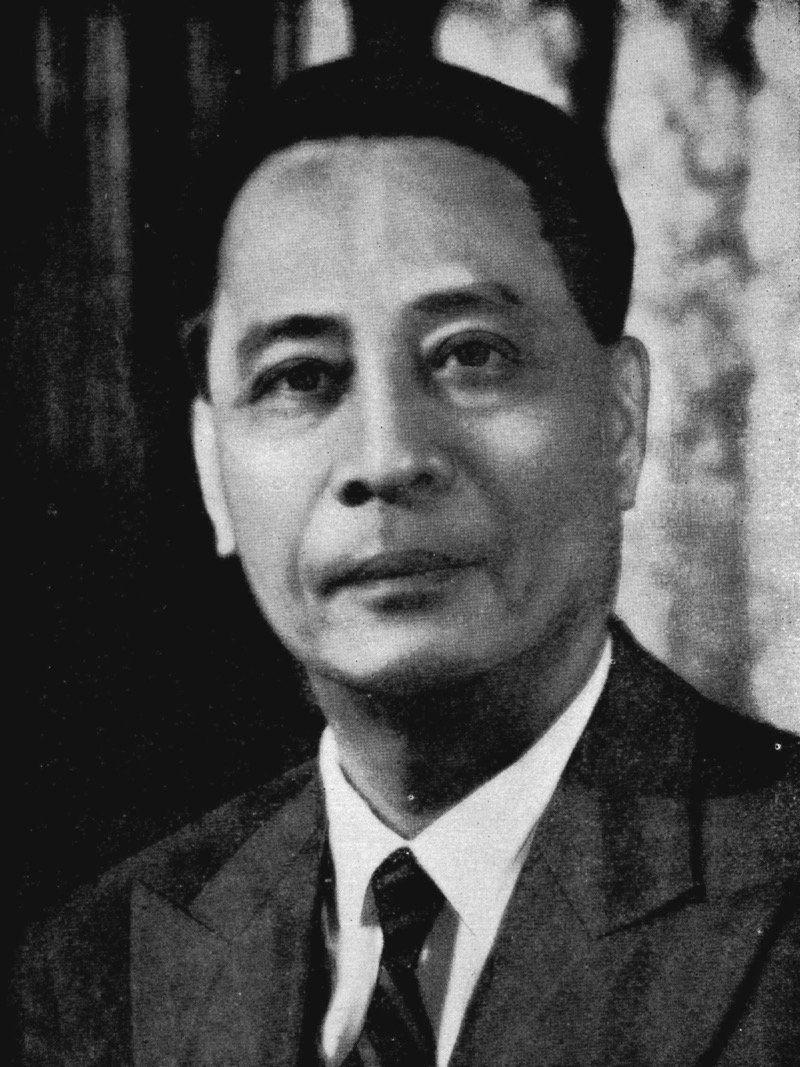
1892—1948
Manuel Roxas
Last Commonwealth president and first president of the independent Third RepublicThe final Commonwealth president who became the first leader of the independent Third Republic and confronted postwar reconstruction.Read biography
1890—1986
Jose Avelino
First Senate president of the independent PhilippinesA Samar lawyer, legislator and cabinet secretary who became the first Senate president after Philippine independence and later ran for president in 1949.Read biography
1888—1964
Mariano Jesus Cuenco
Senate president, legislator and writerA Cebuano lawyer, writer, governor and cabinet secretary who became Senate president in the 1949 leadership crisis and later figured in an electoral-tribunal case.Read biography
1884—1973
Quintin Paredes
Senate president, justice secretary and diplomatThe Abra lawyer whose legal service, independence negotiations and Commonwealth representation preceded a brief Senate presidency in 1952.Read biography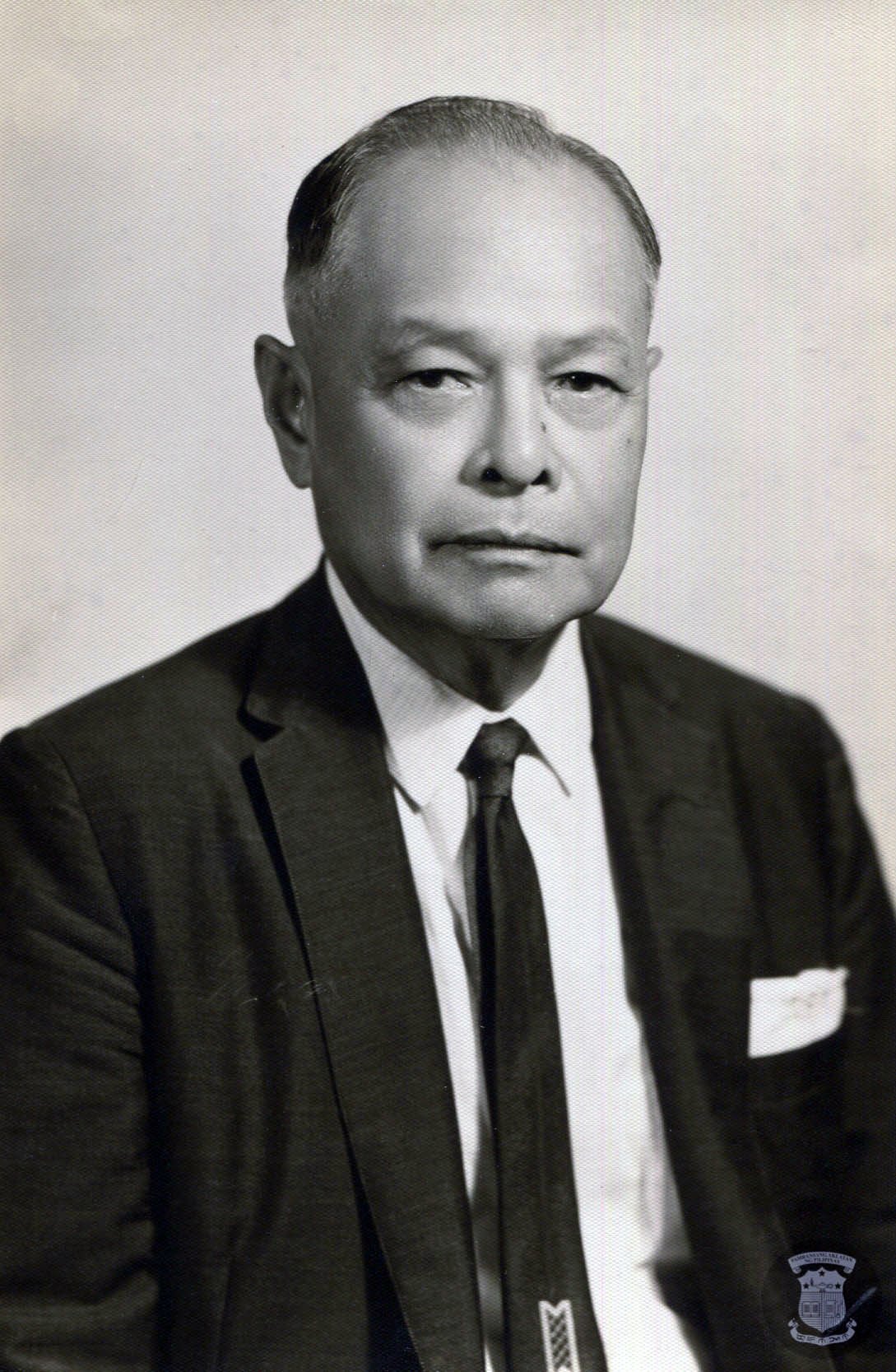
1889—1976
Camilo Osias
Educator, resident commissioner and Senate presidentAn educator and legislator who led National University, represented the Philippines in Washington and twice briefly presided over the Senate.Read biography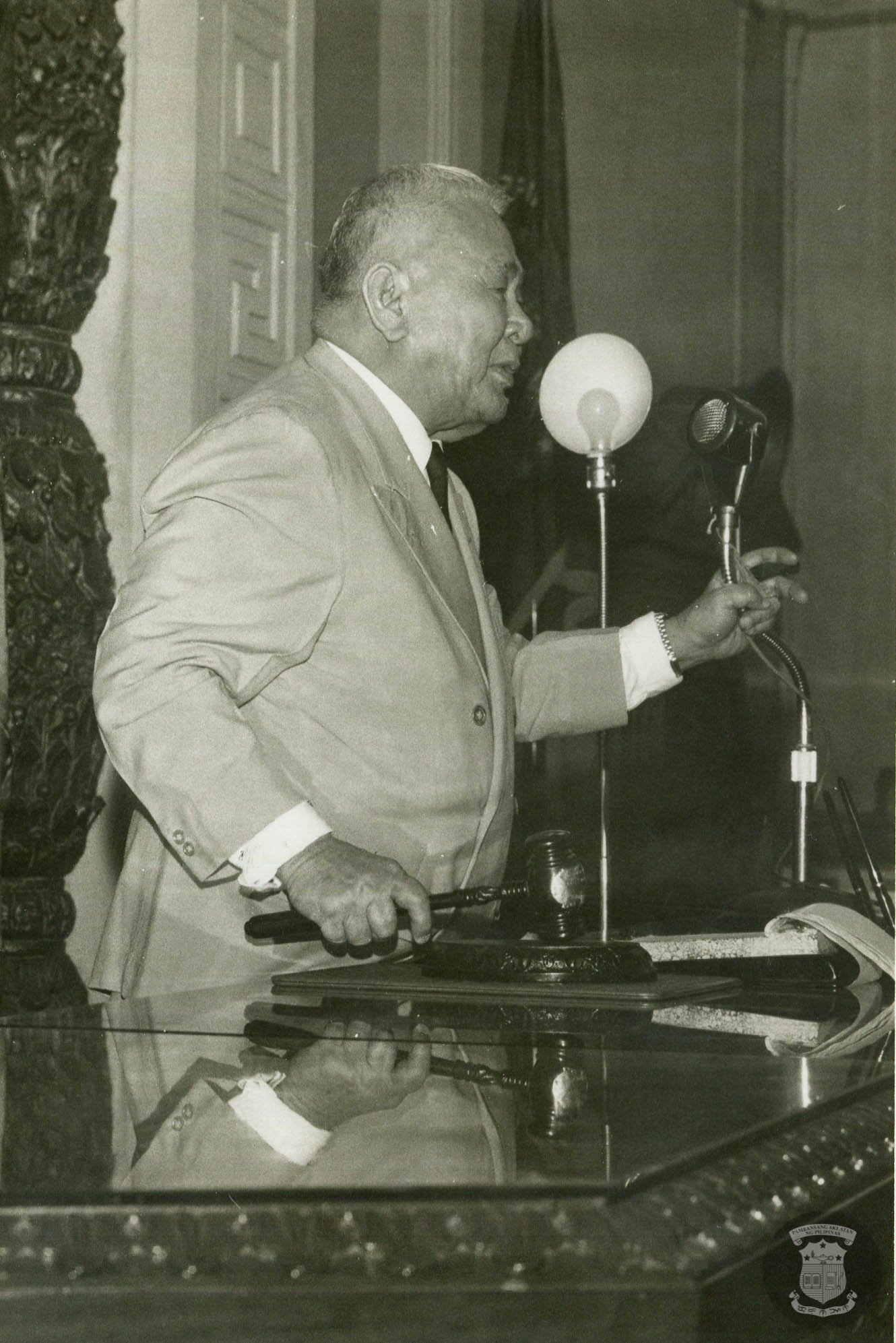
1883—1964
Eulogio Rodriguez Sr.
Long-serving Senate president and Nacionalista leaderA municipal president, Rizal governor, Manila mayor and senator who dominated the Senate presidency through most of the 1950s and early 1960s.Read biography
1889—1972
Jose Zulueta
House speaker, interior secretary and Senate presidentThe Iloilo politician whose career crossed the House, interior department, Senate and provincial government, distinct from the earlier historian José Clemente Zulueta.Read biography
1917—1989
Ferdinand Marcos
President of the Philippines, 1965–1986A president who imposed martial law, dismantled democratic checks and ruled for two decades before the 1986 People Power Revolution forced him from office.Read biography
1910—2004
Arturo M. Tolentino
Law professor, senator and Senate presidentA bar topnotcher, prolific law teacher and legislator whose long career extended from the Third Republic to the disputed 1986 election and a final Senate term.Read biography
1907—1981
Gil Puyat
Business leader and last Senate president before martial lawA business educator, civic leader and senator who became the final president of the pre-martial-law Senate.Read biography
1920—2016
Jovito Salonga
Opposition senator and post-EDSA Senate presidentA Filipino lawyer, opposition leader and statesman who survived wartime imprisonment and the Plaza Miranda bombing before helping rebuild the Senate after EDSA.Read biography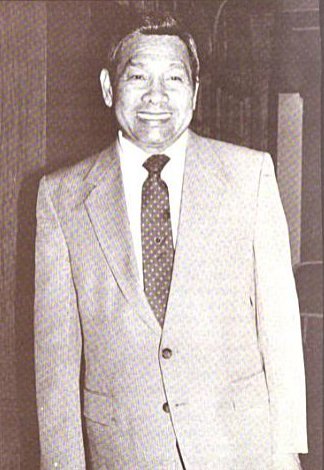
1923—2001
Neptali Gonzales
Law professor, justice secretary and three-time Senate presidentA law professor and justice secretary who served two Senate terms and led the chamber three times during the democratic transition of the 1990s.Read biography
1934—2018
Edgardo Angara
Educator, legislator and Senate presidentA university president and four-term senator whose legislative agenda created or strengthened national systems for education, skills, health insurance and culture.Read biography
1935—2016
Ernesto Maceda
Lawyer, cabinet secretary, Senate president and diplomatA lawyer and former cabinet official who broke with Ferdinand Marcos, joined the democratic opposition and led the Senate from 1996 to 1998.Read biography
1927—1999
Marcelo Fernan
Chief justice, senator and Senate presidentA Cebuano lawyer and former chief justice who entered the Senate in 1995 and led the chamber during the opening year of the Estrada administration.Read biography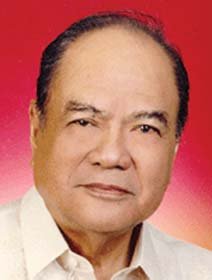
1927—2003
Blas Ople
Labour minister, senator and foreign secretaryA journalist and long-serving labour official who later helped draft the 1987 Constitution, led the Senate and became foreign secretary.Read biography
1945—
Franklin Drilon
Lawyer, former cabinet secretary and Senate presidentAn Iloilo-born lawyer who led three cabinet portfolios, served four Senate terms and became Senate president during three separate periods.Read biography
1933—2019
Aquilino Pimentel Jr.
Lawyer, local-government reformer and Senate presidentA Mindanao lawyer, mayor and opposition leader who survived detention under martial law and made local autonomy a foundation of restored democracy.Read biography
1949—
Manuel Villar Jr.
Housing entrepreneur and former leader of both houses of CongressA Tondo-born accountant and property entrepreneur whose business career preceded leadership in both chambers of Congress and a third-place presidential result in 2010.Read biography
1924—2025
Juan Ponce Enrile
Defence minister and Senate presidentThe lawyer and defence minister whose career stretched from the declaration of martial law to the EDSA breakaway, four Senate terms and the Senate presidency.Read biography
1964—
Koko Pimentel
Lawyer, former senator and Senate presidentA bar topnotcher and electoral-reform advocate who entered the Senate after a four-year protest and served as Senate president from 2016 to 2018.Read biography
1948—
Tito Sotto
Senator, musician, broadcaster and two-time Senate presidentA songwriter and television presenter turned senator who led the Philippine Senate in 2018–2022 and 2025–2026, then became president pro tempore.Read biography
1969—
Migz Zubiri
Legislator, former Senate president and majority leaderA Bukidnon legislator who served in both chambers, led the Senate from 2022 to 2024 and repeatedly managed its agenda as majority leader.Read biography
1969—
Chiz Escudero
Lawyer, senator, former Senate president and Sorsogon governorA lawyer and Sorsogon politician who served in the House, Senate and provincial government before leading the Senate from May 2024 to September 2025.Read biography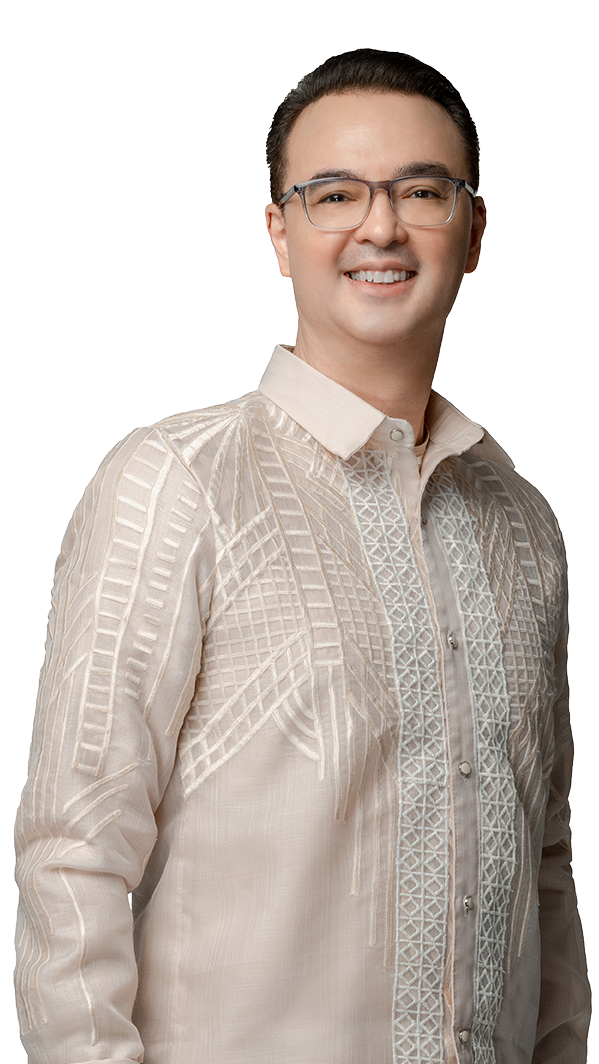
1970—
Alan Peter Cayetano
Lawyer, senator, former foreign secretary and House speakerA Taguig lawyer and legislator who served as foreign secretary, House speaker and briefly Senate president during the 2026 leadership dispute.Read biography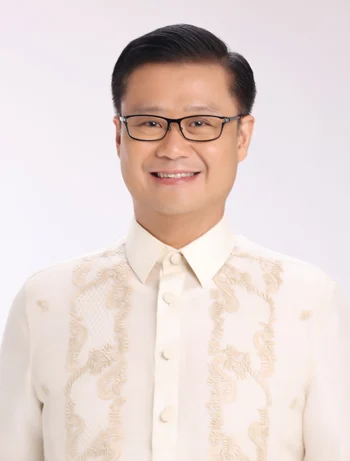
1974—
Win Gatchalian
Senate president, legislator and former Valenzuela mayorSherwin Ting “Win” Gatchalian moved from business and Valenzuela government to education and energy legislation, then formal election as Senate president in June 2026.Read biographyQuick answers
Common questions
- Who was the first Senate president of the Philippines?
- Manuel L. Quezon became the first president when the elected Philippine Senate opened on 16 October 1916.
- Who is the current Philippine Senate president?
- Sherwin “Win” Gatchalian was formally elected on 17 June 2026 and remained in office when this page was reviewed on 9 September 2026.
- Who was the first Senate president after People Power?
- Jovito Salonga led the first Senate elected under the 1987 Constitution.
- Can a Philippine Senate president be removed?
- The chamber can replace its president when another candidate gains the constitutionally required majority. Several leadership changes occurred between regular national elections.
- Who served the most separate terms after 1987?
- Neptali Gonzales and Franklin Drilon each led the restored Senate in three separate periods.
- Was the Philippine Senate active during martial law?
- No. The pre-1972 Congress was closed, and later parliamentary bodies did not include the nationally elected Senate restored by the 1987 Constitution.
Primary and institutional sources
How this history was checked
Dates, legal milestones and historical claims are checked against the official and institutional records below. This article was reviewed on 9 September 2026.
- Senate of the PhilippinesOfficial roll of Senate presidents
- Senate of the PhilippinesHistory of the Senate and leadership periods
- Senate of the PhilippinesMembers of the Philippine Senate by Congress
- The LawPhil Project1987 Constitution — Article VI on the legislature
- Senate of the PhilippinesNew Senate leadership elected on 8 September 2025
- Senate of the Philippines eClipsCayetano elected Senate president on 11 May 2026
- Senate of the Philippines eClipsGatchalian becomes acting president during the 3 June deadlock
- Philippine News AgencyGatchalian formally elected Senate president on 17 June 2026
- Senate of the Philippines eClipsGatchalian identified as Senate president in August 2026