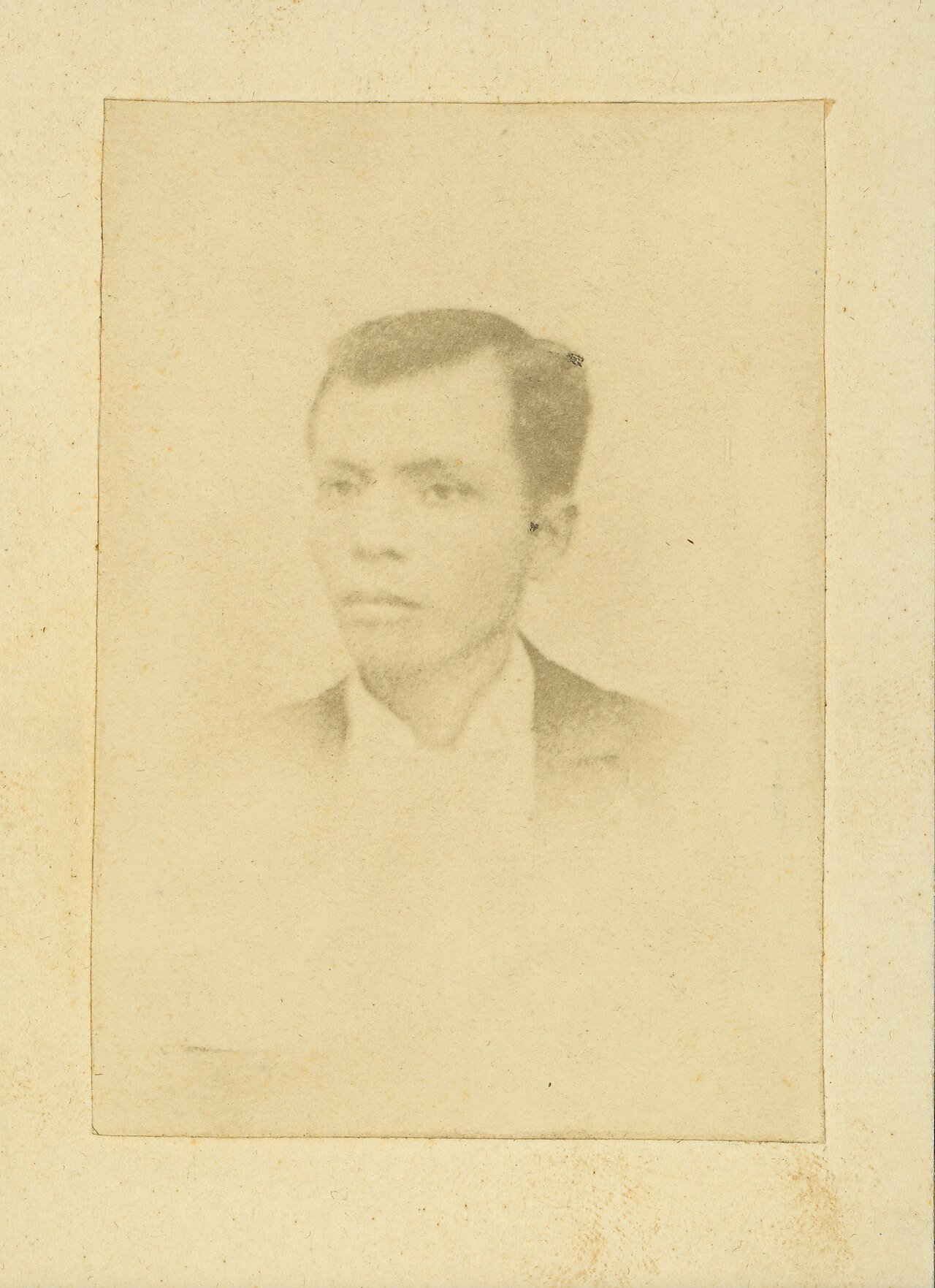

In this biography
Quick facts
- Born
- 19 June 1861
- Died
- 30 December 1896
- Birthplace
- Calamba, Laguna, Philippines
- Country
- Philippines
- Nationality
- Filipino
- Known for
- Novels that exposed colonial injustice and inspired Philippine nationalism
- Full name
- José Protasio Rizal Mercado y Alonso Realonda
- Professions
- Physician, novelist and reformer
- Major novels
- Noli Me Tangere and El Filibusterismo
- Execution
- 30 December 1896, Bagumbayan, Manila
Why this life matters
Rizal linked literature, civic reform and national identity; his execution made him an enduring symbol of principled resistance and public service.
Timeline
Key moments
Born in Calamba
Born into a farming family in Laguna on 19 June.
Published Noli Me Tangere
Used fiction to expose abuses in colonial society.
Published El Filibusterismo
Deepened his critique of oppression and failed reform.
Founded La Liga Filipina
Created a civic organisation and was soon exiled to Dapitan.
Executed in Manila
A military court convicted him of rebellion; his death accelerated nationalist mobilisation.
Writing reform into public life
Rizal studied in Manila and Europe, trained as an ophthalmologist and joined the Propaganda Movement. He argued for legal equality, representation and basic civil rights rather than an immediate armed break with Spain.
His novels Noli Me Tangere and El Filibusterismo transformed social criticism into memorable characters and stories. They described clerical abuse, racial hierarchy and the consequences of a political system that refused peaceful reform.
Exile, execution and national memory
After returning to Manila in 1892, Rizal founded La Liga Filipina and was exiled to Dapitan. When revolution began in 1896, colonial authorities tried and executed him despite the absence of evidence that he had directed the uprising.
His death at Bagumbayan turned a reform advocate into a martyr. Later generations made Rizal central to civic education, while continuing to debate the relationship between his reformism and the revolution fought in his name.
Quick answers
Frequently asked questions about José Rizal
- Who was José Rizal?
- José Rizal was a writer, physician and reform advocate. Rizal linked literature, civic reform and national identity; his execution made him an enduring symbol of principled resistance and public service.
- What is José Rizal best known for?
- José Rizal is best known for novels that exposed colonial injustice and inspired Philippine nationalism.
- When and where was José Rizal born?
- José Rizal was born on 19 June 1861 in Calamba, Laguna, Philippines.
- When did José Rizal die?
- José Rizal died on 30 December 1896.
Sources and further reading
How this biography was checked
Core dates and offices are checked against the sources below. This profile was last reviewed on 8 September 2026.