
The short answer
Sabah’s rotation system was a BN coalition agreement, not a constitutional requirement. After the 1994 change of government, the chief-ministership was meant to move every two years among Muslim-bumiputera, Chinese and non-Muslim-bumiputera leaders. Six officeholders served before Musa Aman’s 2003 appointment ended the scheduled sequence.
Leader-by-leader guide
Every chief minister in the rotation sequence
The official Sabah chronology supplies the dates. Community category describes the political formula used by BN at the time and should not be read as a complete account of any leader’s identity or constituency.
| Chief minister | Official term | Party | Rotation context |
|---|---|---|---|
| Sakaran Dandai | 17 Mar–26 Dec 1994 | UMNO / BN | Transitional Muslim-bumiputera administration after the 1994 defections |
| Salleh Said Keruak | 27 Dec 1994–27 May 1996 | UMNO / BN | First full Muslim-bumiputera phase |
| Yong Teck Lee | 28 May 1996–27 May 1998 | SAPP / BN | First Chinese-community phase |
| Bernard Dompok | 28 May 1998–14 Mar 1999 | PDS / BN | Non-Muslim-bumiputera phase cut short by election |
| Osu Sukam | 15 Mar 1999–26 Mar 2001 | UMNO / BN | Second Muslim-bumiputera phase |
| Chong Kah Kiat | 27 Mar 2001–25 Mar 2003 | LDP / BN | Final scheduled phase; represented Chinese category |
Chronology
A timeline of the turning points
PBS wins the Sabah election 25–23
Joseph Pairin Kitingan formed a government with the narrowest possible elected majority.
Defections install a BN government
Pairin resigned after losing assembly support and Sakaran Dandai became chief minister.
Salleh Said Keruak begins the first full phase
Sakaran moved to the state headship and Salleh represented the Muslim-bumiputera category.
Yong Teck Lee takes the Chinese-community phase
The SAPP president served for two years before the next scheduled transfer.
Bernard Dompok represents non-Muslim bumiputeras
The PDS president took office, but the coming state election cut his phase short.
BN wins the state election
Dompok lost his state seat as PDS won only two constituencies, ending his term after about ten months.
Osu Sukam returns the office to UMNO
The Kawang assemblyman began another Muslim-bumiputera phase and served for two years.
Chong Kah Kiat begins the final rotation phase
The LDP president became chief minister under Article 6(3) of the Sabah Constitution.
Musa Aman succeeds Chong
Musa’s appointment ended the sequence of planned two-year community transfers.
Musa remains after the election
His retention confirmed that BN had replaced rotation with continuing leadership based on coalition and assembly support.
What was Sabah’s chief minister rotation system?
The rotation system was a Barisan Nasional power-sharing arrangement used after the coalition took control of Sabah in March 1994. The chief-ministership was intended to move every two years among leaders identified with three broad categories: Muslim bumiputeras, Chinese Sabahans and non-Muslim bumiputeras, especially Kadazandusun-Murut communities.
It was a coalition formula rather than a rule requiring every Sabah government to rotate its leader. The state constitution continued to provide for the Yang di-Pertua Negeri to appoint the assembly member likely to command majority confidence. Rotation determined whom BN would support for appointment while it held that majority.
The practical sequence ran from Sakaran Dandai’s short transitional administration through Salleh Said Keruak, Yong Teck Lee, Bernard Dompok, Osu Sukam and Chong Kah Kiat. Musa Aman’s appointment in March 2003 ended the scheduled transfers, and his retention after the 2004 election confirmed the system’s abandonment.
Why was the system introduced after the 1994 crisis?
PBS won the February 1994 state election by 25 seats to BN’s 23. Pairin formed a government, but elected members crossed to BN-aligned parties within weeks and removed his majority. Sakaran then became chief minister at the head of a coalition assembled after polling.
BN needed to hold together UMNO and smaller parties representing communities that had previously supported PBS. Academic accounts describe rotation as a way to promise access to the top office while UMNO consolidated its new position as Sabah’s largest governing party.
The formula also answered a long-running problem in Sabah coalition politics: no single party could easily claim to represent the state’s religious, ethnic and regional diversity. A scheduled transfer offered symbolic inclusion without requiring BN to surrender overall control of government.
How did the two-year rotation work?
Each designated leader was expected to serve about two years before resigning so that the governor could appoint the next BN choice. The cabinet and assembly did not dissolve at every transfer; the coalition majority continued while the person at its head changed.
Sakaran’s March–December 1994 administration came before the first full two-year phase. Salleh then represented the Muslim-bumiputera category, Yong the Chinese category and Dompok the non-Muslim-bumiputera category. Osu and Chong began a second cycle for the first two categories.
This structure differed from an election mandate. Voters elected assembly members, not a chief minister for a fixed popular term, and the constitutional appointment still depended on confidence in the assembly. BN’s internal agreement supplied the timetable that the constitution itself did not specify.
Why did Bernard Dompok serve only ten months?
Dompok became chief minister on 28 May 1998 and was expected to represent the non-Muslim-bumiputera phase. Sabah then held a state election in March 1999, before his intended two years had elapsed.
PDS won only two seats and Dompok lost his own state constituency. Osu Sukam, an UMNO leader who retained Kawang, became chief minister after BN returned to government. Electoral performance therefore interrupted the rotation timetable.
The unequal result became a central criticism of the arrangement. The Muslim-bumiputera and Chinese categories received repeated or complete two-year phases, while Dompok’s roughly ten months were the only period led by the designated non-Muslim-bumiputera representative.
Did rotation create equal power among the communities?
Rotation distributed the title of chief minister, but it did not distribute every source of political power equally. UMNO remained the largest party within the BN government and retained substantial influence over coalition support, cabinet formation and relations with the federal leadership.
Smaller parties gained visibility and access to the premiership, yet their leaders served within a coalition whose legislative centre of gravity remained with UMNO. James Chin’s analysis argues that the formula helped secure non-Muslim participation while UMNO consolidated control of the state government.
The shortened Dompok term also showed that equal two-year blocks were not guaranteed. Rotation was therefore a negotiated mechanism of inclusion, not evidence that the three community categories exercised identical authority or received identical time in office.
Why did Sabah end the rotation system?
By 2003 the repeated transfers had produced six chief ministers in nine years. Supporters saw community representation; critics argued that a two-year horizon was too short for consistent administration and made succession depend heavily on bargaining inside BN.
Chong completed the final scheduled phase in March 2003 and Musa Aman was appointed chief minister. BN did not transfer the office to another community leader two years later. Instead, Musa remained after the 2004 election and ultimately served for fifteen years.
It is therefore clearest to distinguish the operational endpoint from later descriptions of formal abolition: the planned sequence ended with Musa’s appointment in 2003, while his continuation after the 2004 election made the policy change unmistakable.
What is the rotation system’s legacy?
The arrangement remains one of the most distinctive experiments in Malaysian state government. It acknowledged that Sabah’s coalition had to cross several community and party lines, but it did so by assigning the top office through broad identity categories.
Its history also connects two debates that still shape Sabah: whether regional parties or national parties should lead the state, and how power-sharing can reflect diversity without reducing political representation to a fixed communal formula.
Later administrations did not restore scheduled rotation. Sabah instead returned to the normal confidence principle: the governor appoints the assembly member judged likely to command a majority, and that leader continues while political and legislative support holds.
Continue the chronology
Related history guides
The 2004 Sabah State Election
See how UMNO’s 32 seats and Musa Aman’s continuation confirmed rotation’s end.
Read the timeline12–13 March 1999The 1999 Sabah State Election
See the result that shortened Dompok’s phase and brought Osu Sukam to office.
Read the timelineFebruary–March 1994The 1994 Sabah Political Crisis
Start with the election and defections that produced the BN government.
Read the timeline1963–presentChief Ministers of Sabah: Complete List
Compare the rotation sequence with every administration since Malaysia’s formation.
Read the timeline1973–presentBarisan Nasional: History and Parties
Place Sabah’s arrangement inside the national coalition’s changing model of power sharing.
Read the timeline1985–presentParti Bersatu Sabah: History and Leaders
Follow PBS from government through the 1994 crisis and its later return to BN.
Read the timelineBiography context
Explore Sabah, Malaysia through connected lives
Connected biographies
Eight biographies explaining the rotation era
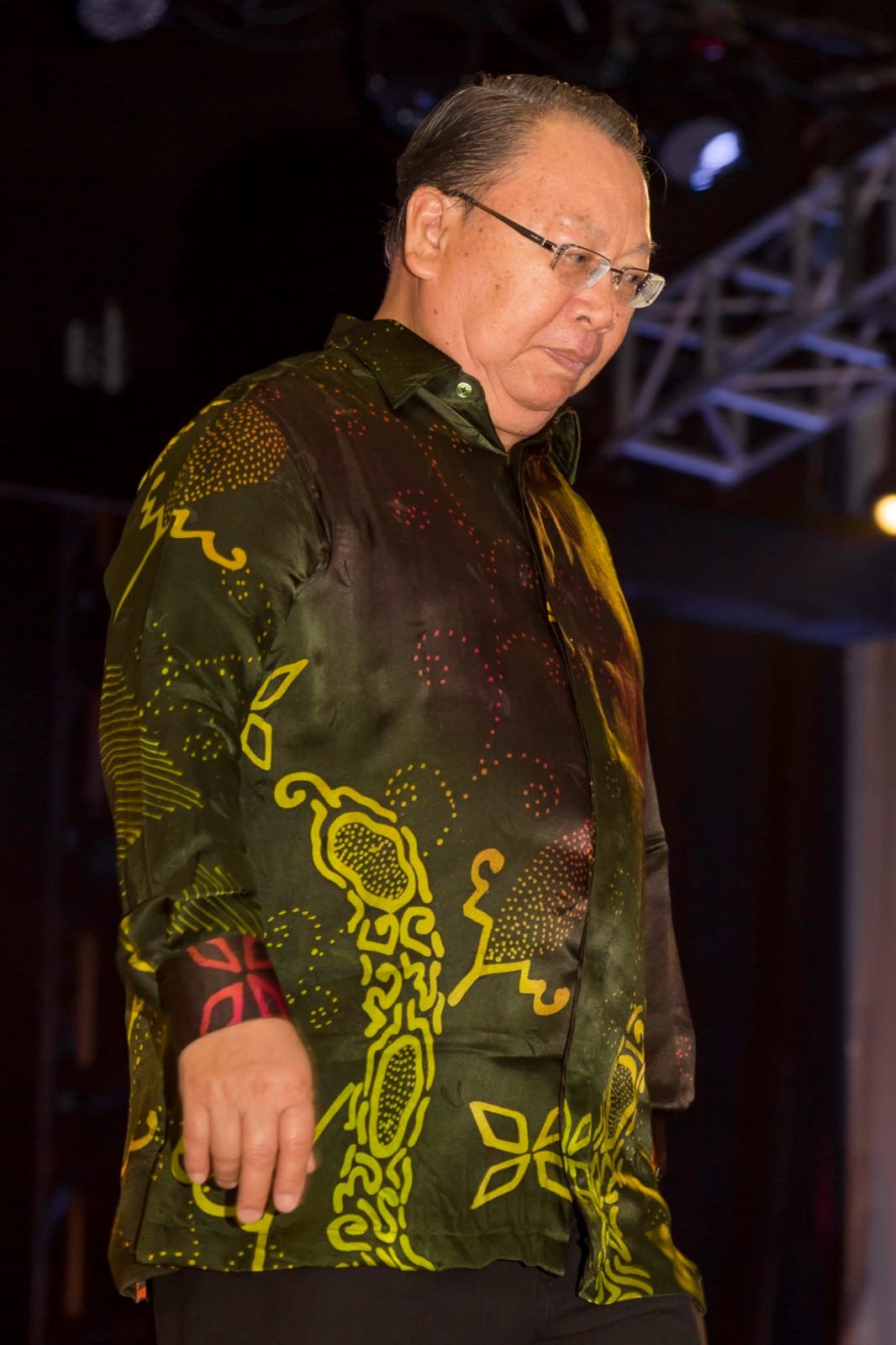
1940—
Joseph Pairin Kitingan
Founder of PBS and former Chief Minister of SabahThe lawyer and Kadazandusun leader who founded PBS, led four consecutive state-election victories and served as Sabah’s chief minister for nearly nine years.Read biography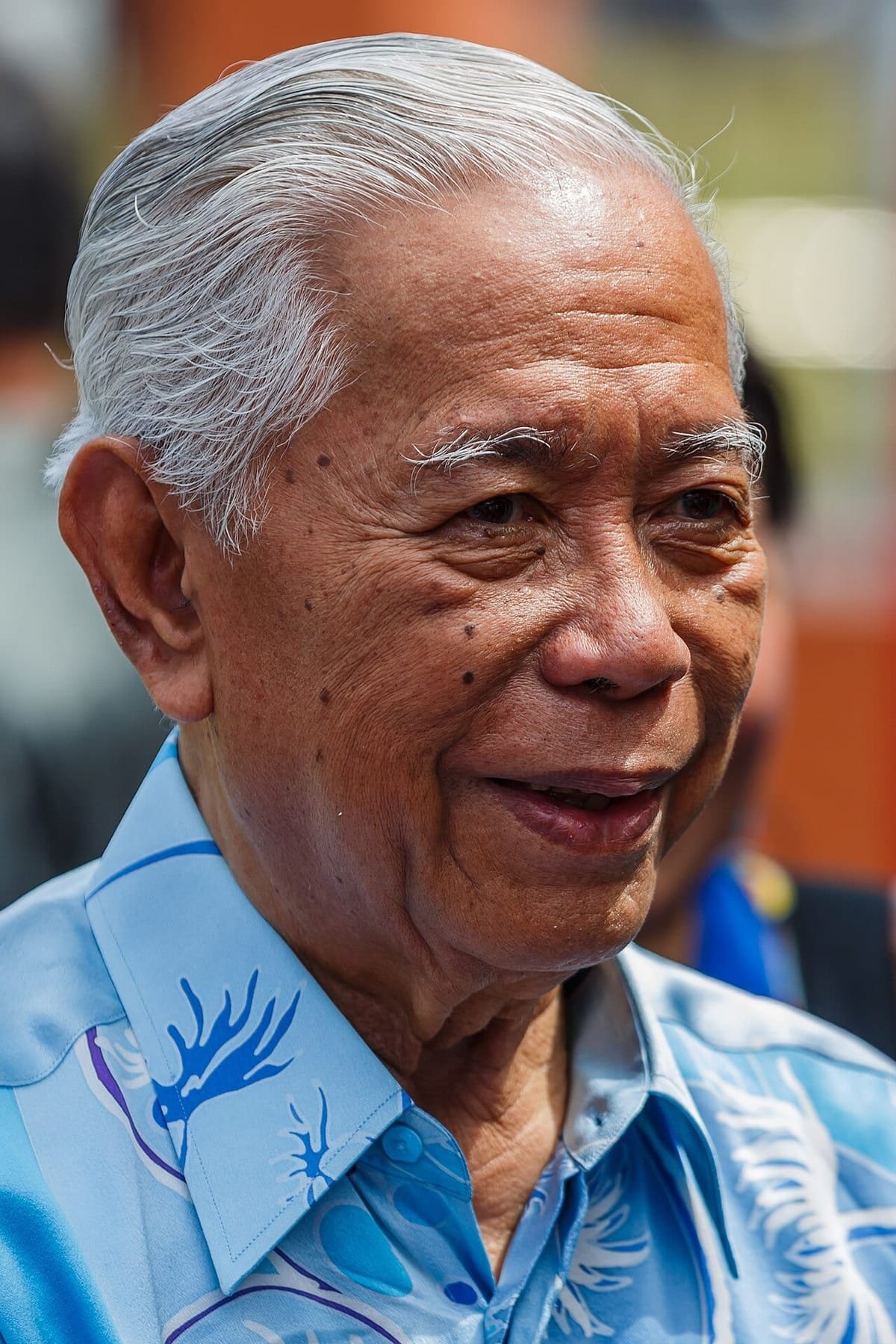
1930—2021
Sakaran Dandai
Former Chief Minister and Yang di-Pertua Negeri of SabahThe Semporna political organiser who rose through USNO and UMNO to become chief minister in 1994 and governor from 1995 to 2002.Read biography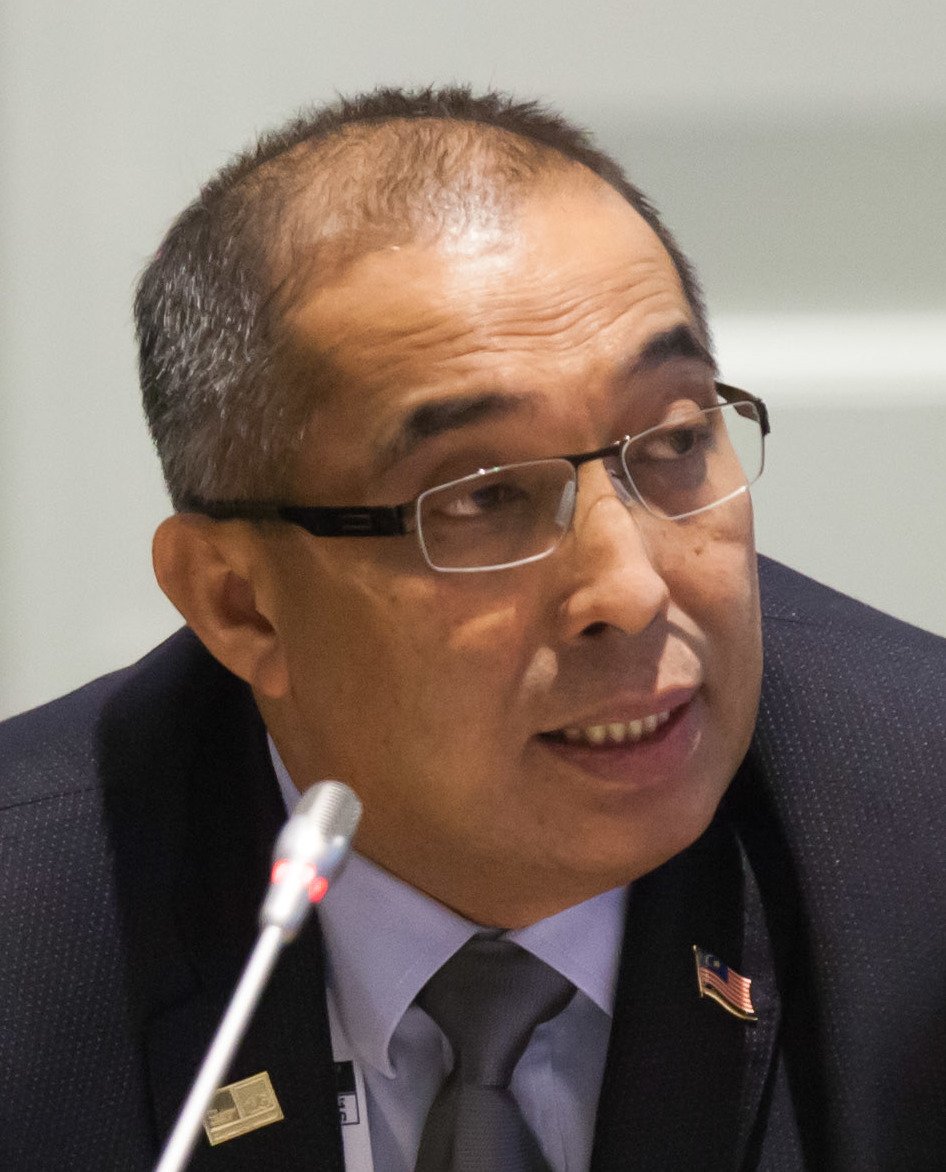
1957—
Salleh Said Keruak
Former Chief Minister of Sabah and federal ministerThe Kota Belud politician who led Sabah from 1994 to 1996, later chaired the state assembly and joined the federal cabinet.Read biography1958—
Yong Teck Lee
President of the Sabah Progressive PartyThe lawyer and former PBS deputy leader who founded SAPP in 1994, led Sabah from 1996 to 1998 and later returned as a nominated assemblyman.Read biography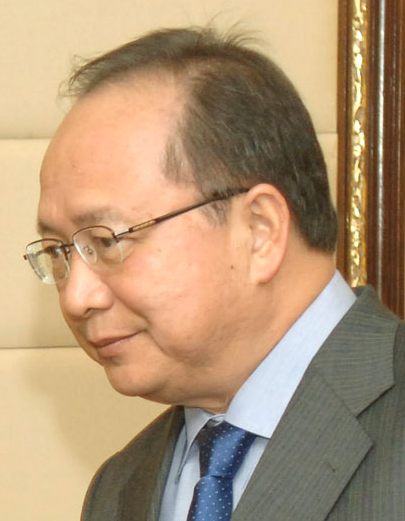
1949—
Bernard Dompok
Former Chief Minister of Sabah and Malaysian ambassadorThe land valuer turned political leader who served ten months as Sabah chief minister, led UPKO for two decades and later represented Malaysia at the Vatican.Read biography1949—
Osu Sukam
Former Chief Minister of SabahThe Papar politician and long-serving member of Parliament who led Sabah for two years after the 1999 state election.Read biography1947—
Chong Kah Kiat
Former Chief Minister of Sabah and lawyerThe Kudat lawyer who built LDP, served in the federal cabinet and led Sabah from 2001 until the rotation arrangement ended in 2003.Read biography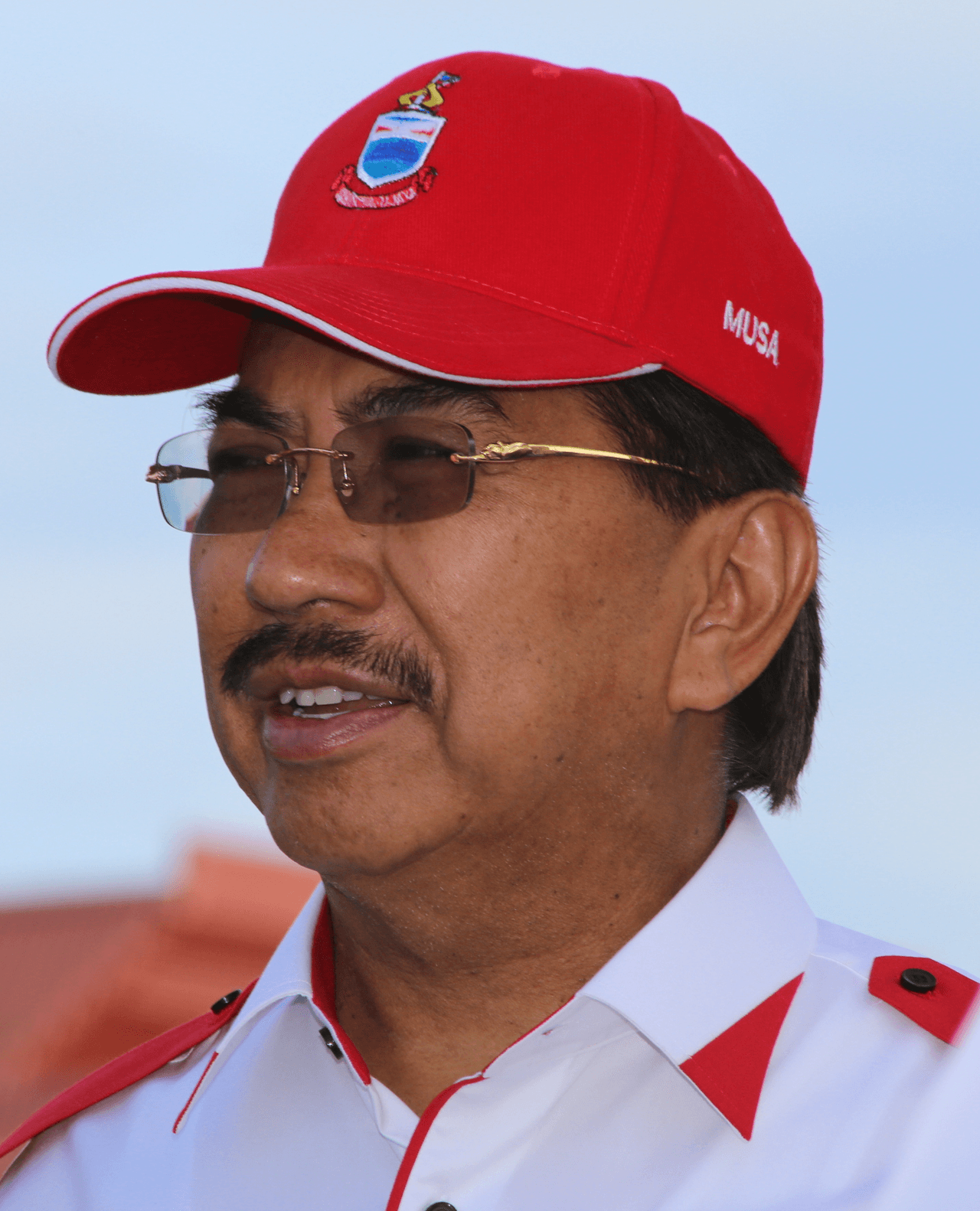
1951—
Musa Aman
Yang di-Pertua Negeri of SabahThe former Sungai Sibuga assemblyman who led Sabah for fifteen years, contested the 2018 transition and returned as Yang di-Pertua Negeri.Read biographyQuick answers
Common questions
- What was the Sabah chief minister rotation system?
- It was a BN coalition arrangement that moved the chief-ministership among Muslim-bumiputera, Chinese and non-Muslim-bumiputera leaders, normally in two-year phases.
- Was chief minister rotation required by Sabah’s constitution?
- No. It was a political power-sharing formula. Constitutional appointment still depended on the governor selecting an assembly member likely to command majority confidence.
- When did Sabah’s rotation system begin?
- It followed BN’s March 1994 change of government; Salleh Said Keruak began the first full planned phase on 27 December 1994.
- Which chief ministers served under the rotation system?
- The sequence included Sakaran Dandai, Salleh Said Keruak, Yong Teck Lee, Bernard Dompok, Osu Sukam and Chong Kah Kiat.
- Why did Bernard Dompok serve less than two years?
- The March 1999 state election interrupted his phase; PDS won only two seats and Dompok lost his constituency.
- Who was the last rotating chief minister of Sabah?
- Chong Kah Kiat was the final chief minister in the planned rotation sequence, serving from March 2001 to March 2003.
- When did the Sabah rotation system end?
- The scheduled transfers ended when Musa Aman replaced Chong on 27 March 2003; Musa’s continuation after the 2004 election confirmed that rotation had been dropped.
- Who introduced the rotation system?
- It was introduced by the BN leadership under Prime Minister Mahathir Mohamad as part of the coalition settlement that followed the 1994 Sabah crisis.
Primary and institutional sources
How this history was checked
Official government and gazette records establish the dates and appointments; academic studies explain the coalition formula, its community categories and the unequal duration of its phases; parliamentary material supplies contemporary debate. This article was reviewed on 4 October 2026.
- Government of SabahOfficial List of Sabah Chief Ministers
- Sabah State GazetteAppointment of Chong Kah Kiat as Chief Minister, 27 March 2001
- Sabah State GazetteAppointment of Musa Aman as Chief Minister, 27 March 2003
- ISEAS–Yusof Ishak InstituteExporting the BN/UMNO Model: Politics in Sabah and Sarawak
- Australian National UniversityRegime Change and Regime Maintenance: The 1999 Sabah State Election
- Universiti Malaysia SabahThe 1999 Sabah State Election: A Case Study
- Parliament of MalaysiaDewan Rakyat Debate Following the 1999 Sabah Election
- Wikimedia CommonsSalleh Said Keruak Portrait and CC BY 2.0 Record