
The short answer
The Munich Agreement postponed an immediate European war by arranging the cession of Czechoslovak territory to Germany. The question is what that settlement actually required, whom it excluded and why the relief of September 1938 did not become a durable peace.
Chronology
A timeline of the turning points
Negotiation under threat
Hitler demanded the Sudeten territories; Chamberlain travelled to Germany in an effort to avert war.
Four-power settlement
Hitler, Chamberlain, Daladier and Mussolini agreed the terms; the agreement bears the date 29 September.
Separate Anglo-German declaration
Chamberlain and Hitler issued an additional declaration about consultation and peaceful relations.
Territorial transfer
German forces occupied the ceded areas under the agreement’s timetable.
Settlement collapsed
German occupation of Bohemia and Moravia showed that the earlier concession had not secured Czechoslovak independence.
European war
Germany invaded Poland; Britain and France declared war.
The crisis concerned a state’s territory, not simply a leader’s promise
Hitler used the grievances of the Sudeten German population to demand territory from Czechoslovakia under threat of force. Chamberlain’s diplomacy developed in a Europe marked by memories of the First World War and concern about military readiness. Avoiding an immediate war was a powerful political aim, but it did not give the affected state an equal place in deciding its future.
Negotiation and rearmament proceeded together. That context helps explain British choices, while leaving open the question of whether their costs and strategic consequences were acceptable. A motive to preserve peace is different from evidence that a settlement could deliver it.
Four governments signed; Czechoslovakia did not
The agreement names Germany, the United Kingdom, France and Italy. Their leaders were Hitler, Chamberlain, Édouard Daladier and Benito Mussolini. The Czechoslovak government was excluded from the conference that settled the cession. Describing this as a five-country agreement would conceal the imbalance of power.
The text did include Czechoslovakia in an international commission responsible for implementing details. A later administrative role was not the same as participation in the decisive bargain. The distinction is visible in the document itself and is essential to understanding why Munich became associated with abandonment.
The terms required a rapid transfer with installations intact
Evacuation was to begin on 1 October and finish by 10 October. German troops would occupy specified zones in stages. Existing installations were not to be destroyed, and the Czechoslovak government was made responsible for carrying out evacuation without damage. A commission would determine final frontiers and other details.
The document also addressed options over residence and the release of certain Sudeten Germans from military service and imprisonment. These were concrete instructions imposed on a state losing territory. The annex discussed guarantees of the remaining borders, with German and Italian guarantees linked to settlement of Polish and Hungarian minority questions.
Sources for this section: [1]
The celebrated paper was not the whole territorial agreement
On 30 September Chamberlain and Hitler signed a separate Anglo-German declaration presenting consultation and peaceful relations as their intention. It is this additional paper that became bound up with Chamberlain’s public display and optimistic language on his return. The four-power agreement dealt with territorial cession and implementation.
Conflating the documents makes Munich seem only a personal promise that Britain and Germany would not fight. It removes Czechoslovakia from the centre of the story. The treaty’s actual terms and the later declaration need to be read together while retaining their different parties and purposes.
Temporary relief did not protect the remaining state
The transfer deprived Czechoslovakia of territory and weakened its position. Germany occupied the Czech lands in March 1939. The outcome made clear that Hitler’s objectives extended beyond the claim presented as a settlement of German-speaking territories. Britain’s later guarantee to Poland marked a change in policy, but it could not reverse the losses already imposed.
Munich therefore requires judgement about consequences as well as intentions. Claims that the delay helped British preparation must be weighed against the advantage gained by Germany and the damage to Czechoslovakia. The fact that war was deferred establishes a delay; it does not by itself prove the bargain necessary or successful.
Continue the chronology
Related history guides
Biography context
Explore Munich, Germany through connected lives
Connected biographies
People connected with appeasement and war

1869–1940
Neville Chamberlain
Prime minister and interwar social reformerNeville Chamberlain rose through Birmingham government and ministries responsible for health and finance before becoming prime minister in 1937. His attempt to avert war through concessions to Hitler failed, overshadowing his earlier domestic reforms.Read biography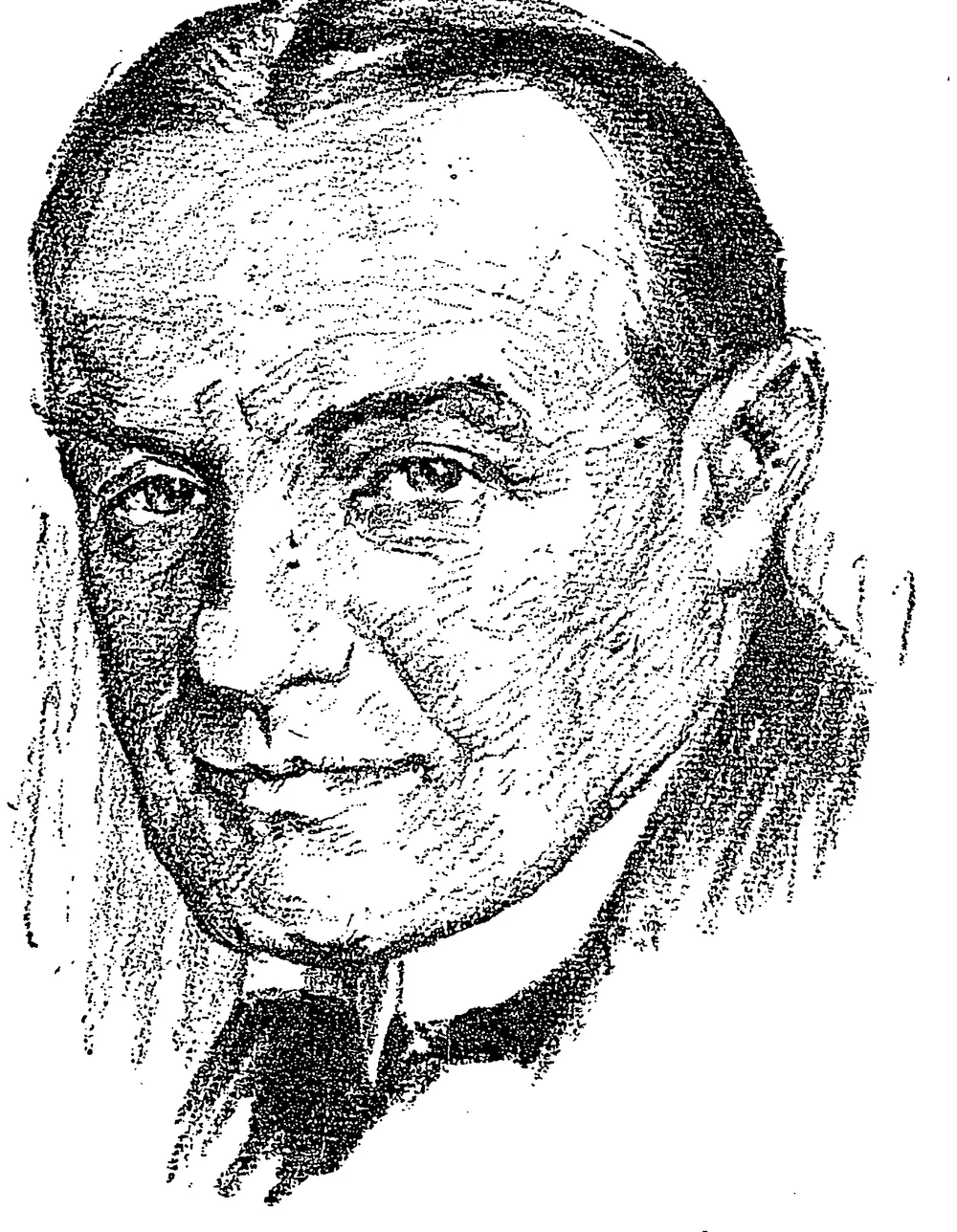
1867–1947
Stanley Baldwin
Conservative prime minister and party leaderStanley Baldwin dominated Conservative politics between the world wars, serving three times as prime minister. His reassuring public manner coexisted with bitter industrial conflict, an expanding electorate and disputed decisions about rearmament.Read biography
1874–1965
Winston Churchill
British prime minister and writerWinston Churchill was British prime minister in 1940–1945 and 1951–1955. His resistance to Nazi Germany and wartime diplomacy were decisive parts of a much longer career involving political reversals, military failures, writing and imperial power.Read biographyQuick answers
Common questions
- Who signed the Munich Agreement?
- Hitler for Germany, Chamberlain for Britain, Daladier for France and Mussolini for Italy. Czechoslovakia did not sign.
- Was it simply a non-aggression pact between Britain and Germany?
- No. The four-power agreement set terms for ceding Czechoslovak territory. A separate Anglo-German declaration of 30 September concerned peaceful relations and consultation.
- Did Munich prevent the Second World War?
- It averted the immediate crisis in September 1938 but did not produce a lasting settlement. Germany occupied the Czech lands in March 1939 and invaded Poland that September.
Primary and institutional sources
How this history was checked
The one-page treaty and annex were read directly. The National Archives introduction and IWM gallery passages were available as indexed extracts; full-page requests returned 403, so their linked documents and gallery images were not reviewed. The official Chamberlain biography’s conflation of the agreement and separate declaration is not adopted. The image is an identified 1929 painting, not conference documentation. This article was reviewed on 23 October 2026.
- Ministry of Foreign Affairs of the Czech RepublicMunich Agreement: English text and annex, 29 September 1938
- The National ArchivesChamberlain and Hitler 1938: teaching-resource introduction
- Imperial War MuseumsHolocaust Galleries large-print guide: indexed Munich and Sudetenland passages
- UK Prime Minister’s OfficeNeville Chamberlain: life and premiership
- Museum of the Prime MinisterNeville Chamberlain: biography and final government
- Wikimedia CommonsOrpen’s Chamberlain painting: attribution, 1929 exhibition, PD-Art and file history
- Creative CommonsPublic Domain Mark 1.0