
The short answer
Singapore public housing began as an emergency response to overcrowding and became a system of home ownership, town planning and social policy. Its scale transformed living conditions, but the same institutions also concentrated decisions about land, eligibility and household wealth in the state.
Chronology
A timeline of the turning points
Singapore Improvement Trust is established
The colonial body built roads and housing but never matched the scale of postwar need.
HDB begins work
The Housing & Development Board replaced the Singapore Improvement Trust.
More than 21,000 flats are completed
Standardised construction concentrated on rapidly rehousing families.
Home Ownership scheme begins
Residents gained a route to purchase long-lease public flats rather than rent them.
First five-year programme exceeds its target
HDB reported 54,430 housing units completed by the end of the programme.
Land acquisition powers expand
Legislation enabled the state to assemble land for housing, infrastructure and redevelopment.
CPF savings can finance purchases
A legal change allowed Central Provident Fund balances to be used for HDB flats.
New towns expand
Schools, markets, transport and workplaces were planned alongside housing estates.
An ethnic integration policy begins
Quotas were introduced to prevent the formation of racially concentrated estates.
Upgrading and affordability become central
Renewal, resale values, ageing leases and access for different household types shape ongoing policy debate.
What problem was HDB created to solve?
After the Second World War, overcrowding, informal settlements and limited sanitation made housing a public emergency. The colonial Singapore Improvement Trust had built estates, but population growth and postwar disruption far exceeded its output.
Created in 1960, HDB combined planning and construction at a much larger scale. Standard designs and concentrated building programmes prioritised speed, basic services and the movement of families into self-contained flats.
How did rental housing become home ownership?
The 1964 Home Ownership for the People Scheme offered eligible residents long leases on subsidised public flats. From 1968, compulsory Central Provident Fund savings could be used for purchases, linking retirement contributions to housing assets.
This system broadened ownership and tied households closely to national institutions. It also made affordability, resale values and lease decline politically important because a flat serves as both a home and a major store of household wealth.
How did public housing shape the whole city?
HDB did more than construct blocks. New towns combined homes with schools, shops, clinics, transport and recreation. Urban renewal relocated residents and changed long-established neighbourhoods while bringing water, sanitation and modern services to many more households.
Land acquisition powers made rapid development possible but also concentrated control over land and compensation in the state. The history includes both improved living conditions and the social costs of clearance and resettlement.
Why is public housing also social policy?
Eligibility, grants and flat types have been used to support family formation and redistribute access. The Ethnic Integration Policy, introduced in 1989, uses quotas to prevent racial enclaves and sustain mixed estates.
These tools make HDB central to citizenship and social engineering. Supporters emphasise stability and integration; critics debate unequal access by marital status, constraints on choice and the difficulty of balancing affordability with asset values.
Continue the chronology
Related history guides
Singapore Self-Government
See the political transition immediately before HDB’s creation.
Read the timeline1960–1980sSingapore Industrialisation and Jurong
Connect planned housing with employment and industrial land.
Read the timeline1819–todaySingapore History Timeline
Place the housing system inside the wider national chronology.
Read the timelineConnected biographies
Four public lives connected to housing, development, social policy and representation

1923—2015
Lee Kuan Yew
Founding Prime Minister of Singapore, 1959–1990The lawyer and PAP founder who became prime minister in 1959, led Singapore through independence in 1965 and remained in cabinet after handing power to Goh Chok Tong.Read biography
1918—2010
Goh Keng Swee
Deputy Prime Minister and economic architect of SingaporeA founding-generation minister whose institution-building shaped Singapore’s industrial economy, armed forces, monetary system and education policy.Read biography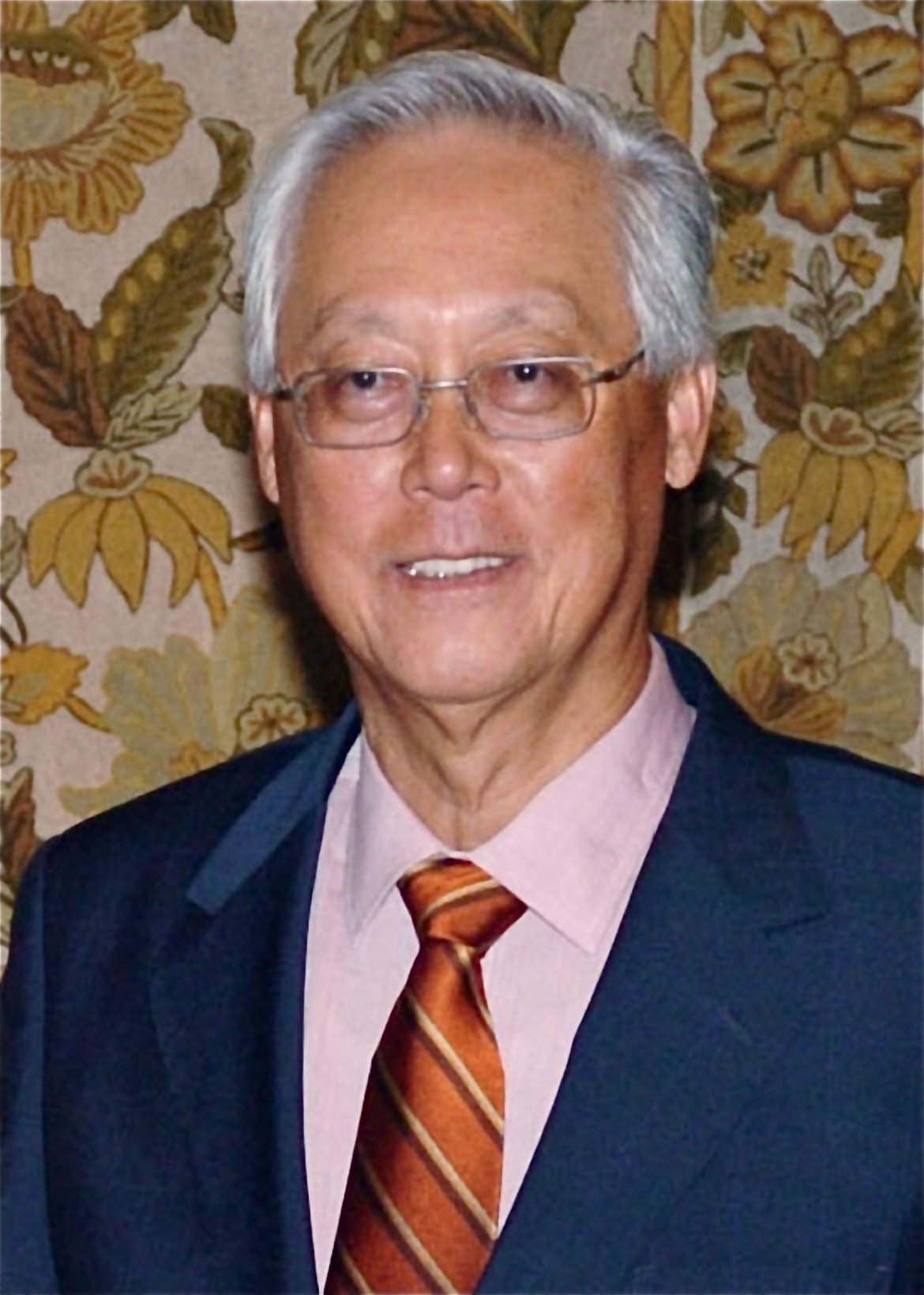
1941—
Goh Chok Tong
Second Prime Minister of SingaporeSingapore’s second prime minister, who followed Lee Kuan Yew and set a more consultative public style during fourteen years of economic and social change.Read biography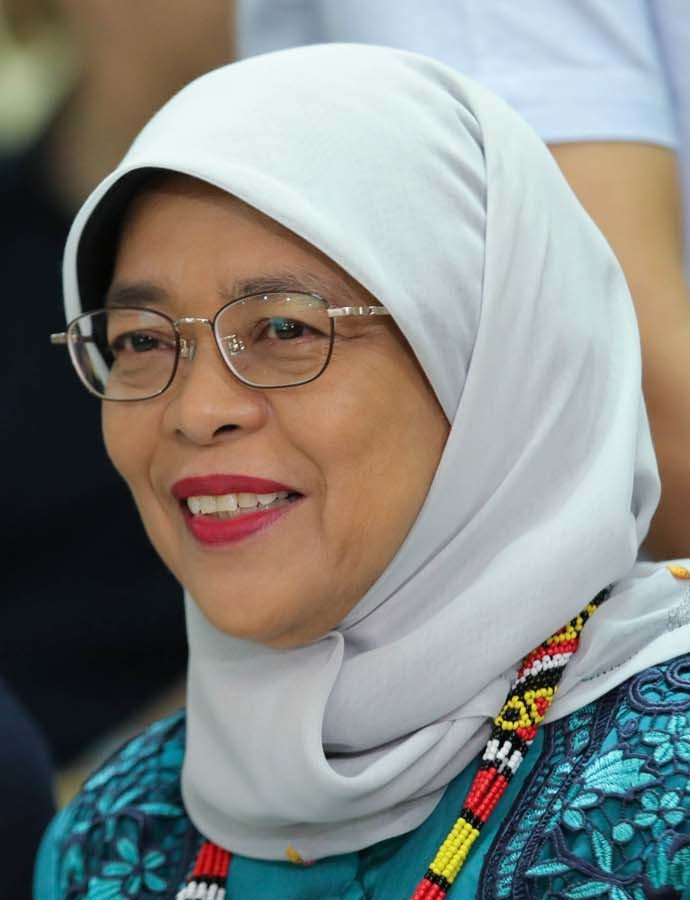
1954—
Halimah Yacob
Eighth President of SingaporeA labour lawyer, parliamentarian and former speaker who served as Singapore’s eighth president and the first woman to hold the office.Read biographyQuick answers
Common questions
- When was HDB founded?
- The Housing & Development Board began operations on 1 February 1960, replacing the Singapore Improvement Trust.
- How many flats did HDB build in its early years?
- HDB states that it completed more than 21,000 flats in its first three years and 54,430 housing units during its first five-year programme.
- When did Singapore introduce public home ownership?
- The Home Ownership for the People Scheme began in 1964. From 1968, buyers could use Central Provident Fund savings for HDB purchases.
- Are HDB flats freehold?
- Most new HDB flats are sold on 99-year leases. Buyers own a leasehold interest rather than the land indefinitely.
- What is the Ethnic Integration Policy?
- Introduced in 1989, it limits the share of each ethnic group in HDB blocks and neighbourhoods to reduce residential segregation.
Primary and institutional sources
How this history was checked
Dates, legal milestones and historical claims are checked against the official and institutional records below. This article was reviewed on 9 September 2026.