
The short answer
A singer can help create a character without appearing as that character on screen. Ghoshal’s Devdas debut offers a precise way to understand playback: who sings, who performs the scene, who composes, and how a recording made before release becomes part of a film.
Check the recording credits
Five songs, different combinations
Track-level credits identify collaborators; they do not assign every moment of a recording to a screen character.
| Country | Credited performers | Reading or listening question |
|---|---|---|
| Silsila Ye Chahat Ka | Shreya Ghoshal | How does a solo credit focus attention on a single vocal interpretation? |
| Bairi Piya | Udit Narayan; Shreya Ghoshal | How do the two credited voices participate in the scene? |
| Morey Piya | Jaspinder Narula; Shreya Ghoshal | What changes when the recording pairs two female voices? |
| Chalak Chalak | Udit Narayan; Vinod Rathod; Shreya Ghoshal | How does an ensemble credit complicate a single-singer memory? |
| Dola Re | Kavita Krishnamurthy; Shreya Ghoshal; KK | Which parts belong to the voices, composition and screen performance? |
Chronology
A timeline of the turning points
A voice reaches the director
Sa Re Ga Ma and Kalyanji’s guidance preceded Bhansali’s selection.
A recalled first sitting
Ghoshal gave this date in a July 2002 interview; it is not treated as a verified date for every recording.
A sustained preparation period
Her later account describes the film as a two-year musical education.
Film and soundtrack reach audiences
Ghoshal’s voice is associated with Aishwarya Rai’s Paro.
Recognition for the 2002 film
The 50th National Film Awards named Bairi Piya in the female playback category.
Begin by separating four creative jobs
Sanjay Leela Bhansali directed the film; Aishwarya Rai played Paro; Ghoshal supplied the principal playback associated with her; and Ismail Darbar composed the tracks examined here. The track record for Dola Re separately names Nusrat Badr as songwriter. These credits describe work done by different people, even when image and sound feel inseparable.
A performer on screen can shape a song through movement, expression and the dramatic situation. A playback singer shapes it through the recorded voice. Neither contribution cancels the other. This is why a guide to Ghoshal’s debut needs more than the familiar observation that she became Paro’s voice.
What are the five credited appearances?
The commercial track listings identify Silsila Ye Chahat Ka as a Ghoshal performance; Bairi Piya pairs her with Udit Narayan; and Morey Piya lists Jaspinder Narula with Ghoshal. Chalak Chalak credits Udit Narayan, Vinod Rathod and Ghoshal, while Dola Re credits Kavita Krishnamurthy, Ghoshal and KK.
These are performer credits, not a claim that every voice appears in equal measure or always represents the same on-screen person. They also show why an album can be a better starting point for checking collaboration than a memory of one film scene. The five appearances include a solo credit, duets and larger combinations.
The teenager was learning a character
In the July 2002 Rediff interview, Ghoshal described trying to imagine Paro’s innocence, confidence and pain. She also recalled observing experienced singers, including Kavita Krishnamurthy during Dola Re. Those recollections make the recording room a place of apprenticeship as well as performance.
Her later Khabar interview describes Devdas as a two-year crash course, from 2000 to 2002. The preparation therefore preceded the public debut by a substantial interval. A release can look like a sudden arrival because audiences hear the finished work at once; it conceals the repeated visits, guidance and learning that made that work possible.
A first sitting is not an album-release date
Ghoshal remembered her first sitting as 9 March 2000. Because her birthday is 12 March 1984, that date is just before she turned sixteen. Retrospective descriptions commonly call her sixteen during the Devdas recordings. The accounts can be presented honestly without changing a date to make them match: a sitting, a recording period and an age remembered years later are different kinds of evidence.
Digital soundtrack entries also display inconsistent January and April 2002 dates. They are useful for credits and the year, but do not settle an exact original release day. The guide consequently uses 2002 for the film and soundtrack’s public arrival and leaves the unsupported day-level album chronology open.
The award names a particular song
The official 50th National Film Awards catalogue identifies Ghoshal for Bairi Piya from Devdas, in the Best Female Playback Singer category for 2002. That specific citation matters because the same debut is also associated with the popular ensemble Dola Re and with other awards using different categories.
The film year and the award ceremony’s calendar year should remain distinct. Describing a 2003 honour for a 2002 film is not a contradiction. Nor should the national citation be broadened into an award for singing every song on the album. Exact work and exact category make the achievement easier to understand.
Sources for this section: [4]
How to use the credits while listening
A useful sequence is to compare the solo credit on Silsila Ye Chahat Ka, the duet credit on Bairi Piya and the larger combination on Dola Re. First identify the credited singers, then consider how a voice joins the scene or other voices. This is a proposed listening exercise, not a claim that every passage has been newly heard and analysed for this guide.
Ghoshal’s later account of changing her Aashiqui 2 delivery for a less experienced fictional singer provides a wider principle: the most technically imposing version is not always the most suitable dramatic one. Devdas is an early case through which to recognise the playback singer as a character performer and a collaborator. No song lyrics or audio files are reproduced here.
Continue the chronology
Related history guides
Biography context
Explore India through connected lives
Connected biographies
The singer and Paro’s screen performer

1984–
Shreya Ghoshal
Playback singer and concert performerShreya Ghoshal emerged from childhood training and television competition to become a playback singer working across Indian languages and live stages.Read biography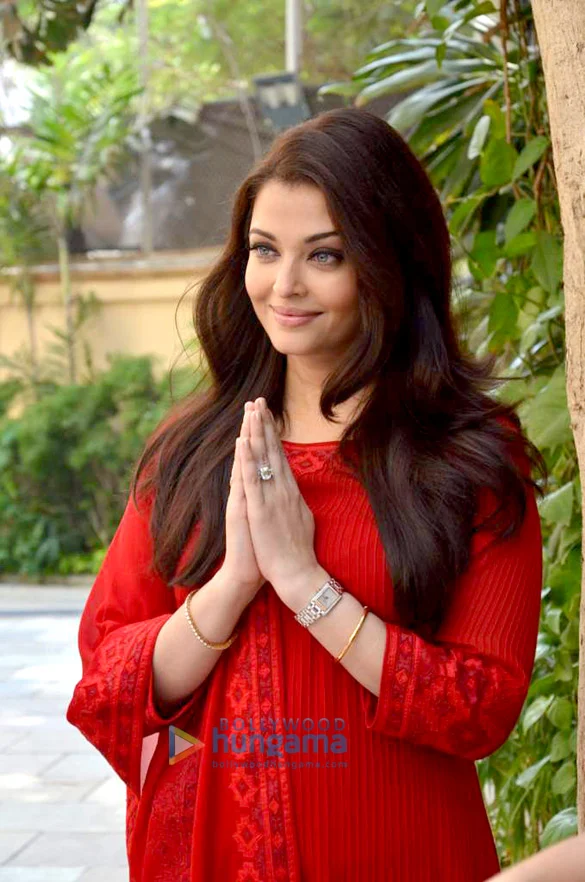
1973–
Aishwarya Rai Bachchan
Actor and former Miss WorldAishwarya Rai Bachchan moved from modelling and the 1994 Miss World title into Tamil and Hindi cinema and international screen work.Read biographyQuick answers
Common questions
- How many Devdas songs credit Shreya Ghoshal?
- Five: Silsila Ye Chahat Ka, Bairi Piya, Morey Piya, Chalak Chalak and Dola Re. Several also credit other singers.
- Who composed the Devdas songs discussed here?
- Ismail Darbar. The commercial Dola Re record separately credits Nusrat Badr as songwriter and its three vocal performers.
- Which song earned her first National Film Award?
- Bairi Piya, according to the official 50th National Film Awards citation for films of 2002.
Primary and institutional sources
How this history was checked
This guide checks commercial track credits against a contemporary 2002 interview, later first-person recollection and the official award catalogue. It proposes a listening route but does not claim a complete new soundtrack audition or film viewing. No lyrics, soundtrack files or film stills are reproduced. This article was reviewed on 23 October 2026.
- Ronjita Kulkarni / Rediff10 July 2002: first sitting, Paro and fellow singers
- Khabar2012 interview: Devdas as a two-year preparation
- Saregama12 March 1984 birth date
- Directorate of Film Festivals50th awards: Bairi Piya citation for 2002
- Apple Music / Universal Music IndiaSilsila Ye Chahat Ka: track credit
- Apple Music / Universal Music IndiaBairi Piya: track credits
- Apple Music / Universal Music IndiaMorey Piya: track credits
- Apple Music / Universal Music IndiaChalak Chalak: track credits
- Apple Music / Universal Music IndiaDola Re: performers, composer and songwriter
- FilmfareLater interview account: adapting technique to a character
- Wikimedia Commons / Bollywood HungamaLater event portrait: complete frame and CC BY grant
- Bollywood HungamaOriginal photograph event source