The short answer
The ASEAN Community is a three-part programme for a more peaceful, integrated and people-centred Southeast Asia. Its 2015 launch was a milestone in a process that began years earlier and continues today; it did not turn ASEAN into a single state or complete every integration target.
Three-pillar framework
What does each ASEAN Community pillar cover?
Each pillar has its own council and blueprint. Together they organise most of ASEAN’s long-term cooperation agenda.
| Country | Primary purpose | Examples of coordinated work |
|---|---|---|
| Political-Security Community | Maintain a rules-based, peaceful, secure and resilient region. | Political cooperation, conflict prevention, transnational crime, maritime issues, defence dialogue and external relations. |
| Economic Community | Build a more integrated, competitive and connected regional economy. | Trade in goods and services, investment, standards, connectivity, competition, digital economy and narrowing development gaps. |
| Socio-Cultural Community | Improve quality of life and strengthen a people-centred, sustainable community. | Education, health, labour, disaster management, environment, culture, youth, social welfare and inclusion. |
Chronology
A timeline of the turning points
ASEAN Vision 2020 imagined a regional community
Leaders described a stable, prosperous and outward-looking Southeast Asia joined in partnership.
Bali Concord II created a three-pillar plan
The declaration proposed political-security, economic and socio-cultural communities, originally targeted for 2020.
The Cebu Declaration accelerated the target
ASEAN leaders moved the Community deadline forward from 2020 to 2015.
Leaders signed the ASEAN Charter
The Charter placed the three Community Councils within ASEAN’s binding institutional framework.
A 2009–2015 roadmap coordinated implementation
The Cha-am Hua Hin Declaration combined blueprints for the three pillars with an implementation plan.
Leaders signed the Kuala Lumpur Declaration
At the 27th ASEAN Summit, ten leaders formally declared the establishment of the ASEAN Community.
The ASEAN Community was launched
The three-pillar Community became ASEAN’s organising framework at the end of 2015.
ASEAN Community Vision 2025 reached its horizon
A decade of post-2015 blueprints continued integration while preparations advanced for the next long-term vision.
What is the ASEAN Community?
The ASEAN Community is the framework through which member states organise deeper regional cooperation across three connected pillars: political-security, economic and socio-cultural. Leaders signed the declaration establishing it on 22 November 2015, and it was launched on 31 December 2015.
The word “community” does not mean ASEAN became one country. It describes a long-term programme among sovereign governments, supported by regional institutions and implemented substantially through national policy.
What are the three pillars of ASEAN?
The ASEAN Political-Security Community seeks a rules-based, peaceful and resilient region. The ASEAN Economic Community pursues a more integrated and competitive economy. The ASEAN Socio-Cultural Community coordinates work affecting people and shared social challenges.
The pillars separate large policy agendas so that specialised councils and ministers can manage them. They are also meant to reinforce one another: economic integration depends on stability, while social inclusion and environmental resilience affect both security and growth.
How did the 2015 target develop?
ASEAN Vision 2020 supplied an early community idea in 1997. Bali Concord II formalised the three-pillar structure in 2003 and set 2020 as the goal. In Cebu in 2007, leaders accelerated the target by five years.
The Charter and the Roadmap for an ASEAN Community 2009–2015 then gave the project institutions, blueprints and schedules. The 2015 declaration marked a milestone in that process—not the end of every promised reform.
What did the ASEAN Economic Community change?
The AEC built on decades of tariff reduction and economic agreements. Its 2015 blueprint aimed for a single market and production base, a competitive economic region, equitable development and integration into the global economy.
Progress was uneven across goods, services, investment, capital and skilled labour. The AEC is not a customs union with one external tariff, and it does not provide unrestricted movement for every worker. Its integration model remains negotiated and sector-specific.
Did ASEAN integration finish in 2015?
No. The launch recognised a major institutional milestone, while the Kuala Lumpur Declaration also adopted ASEAN 2025: Forging Ahead Together. New blueprints carried unfinished measures and additional targets into the following decade.
Regional integration is a continuing process because commitments require national laws, administrative capacity, infrastructure and political agreement. New challenges—including digital trade, public health, climate risk and geopolitical competition—also keep changing the agenda.
What are the Community’s limits?
ASEAN’s diversity is both the reason for regional cooperation and a constraint on uniform policy. Members differ widely in income, institutions, political systems, geography and administrative capacity.
Consensus and non-interference can support trust, but they can also slow responses to difficult regional problems. The Community is best understood as a structured commitment to cooperate—not a claim that Southeast Asia has achieved complete political, economic or social integration.
Continue the chronology
Related history guides
ASEAN Secretaries-General
Meet the officials who coordinated ASEAN through the Community-building era.
Read the timeline2007–2008The ASEAN Charter
Understand the legal and institutional framework beneath the three pillars.
Read the timeline23–24 February 1976TAC and Bali Concord I
Trace the treaty principles and institutions that preceded community-building.
Read the timeline27 November 1971ZOPFAN
Read ASEAN’s earlier statement on peace, freedom, neutrality and regional autonomy.
Read the timeline1967—2025ASEAN History Timeline
Follow the Community milestone within ASEAN’s full institutional history.
Read the timelineConnected biographies
Meet seven leaders from the 2015 ASEAN Community era
 Brunei · Politics
1946—
Hassanal Bolkiah
29th Sultan and prime minister of BruneiThe 29th Sultan who led Brunei into full independence in 1984 and has combined the offices of monarch and prime minister.Read biography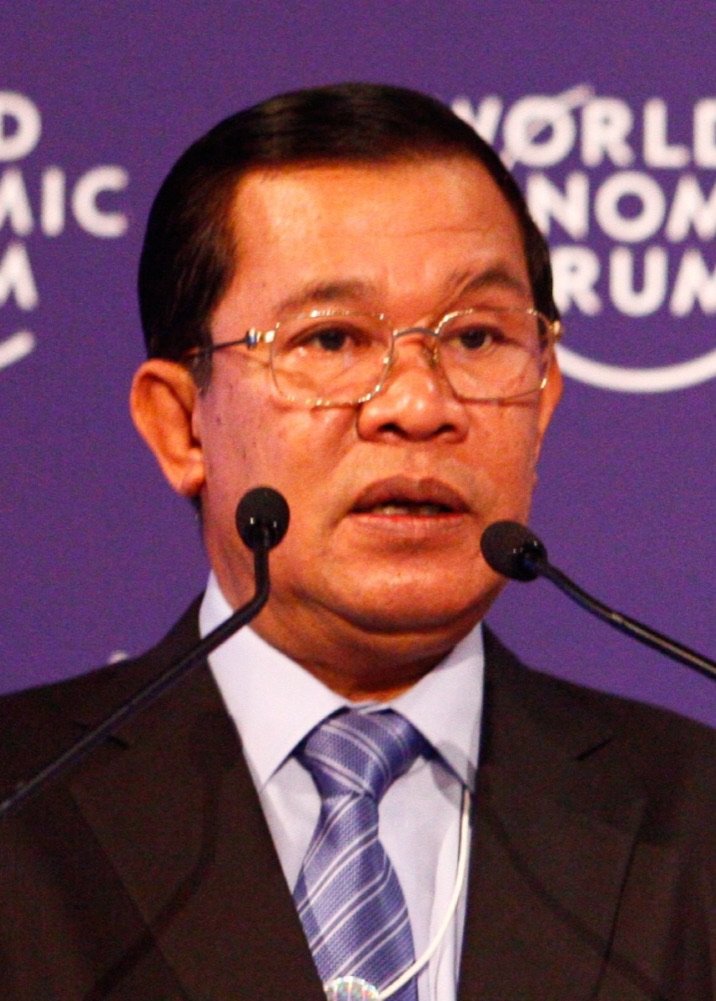 Cambodia · Politics
1952—
Hun Sen
Former prime minister and president of the SenateThe politician who became prime minister in 1985, dominated postwar Cambodian politics and transferred the premiership to his son in 2023.Read biography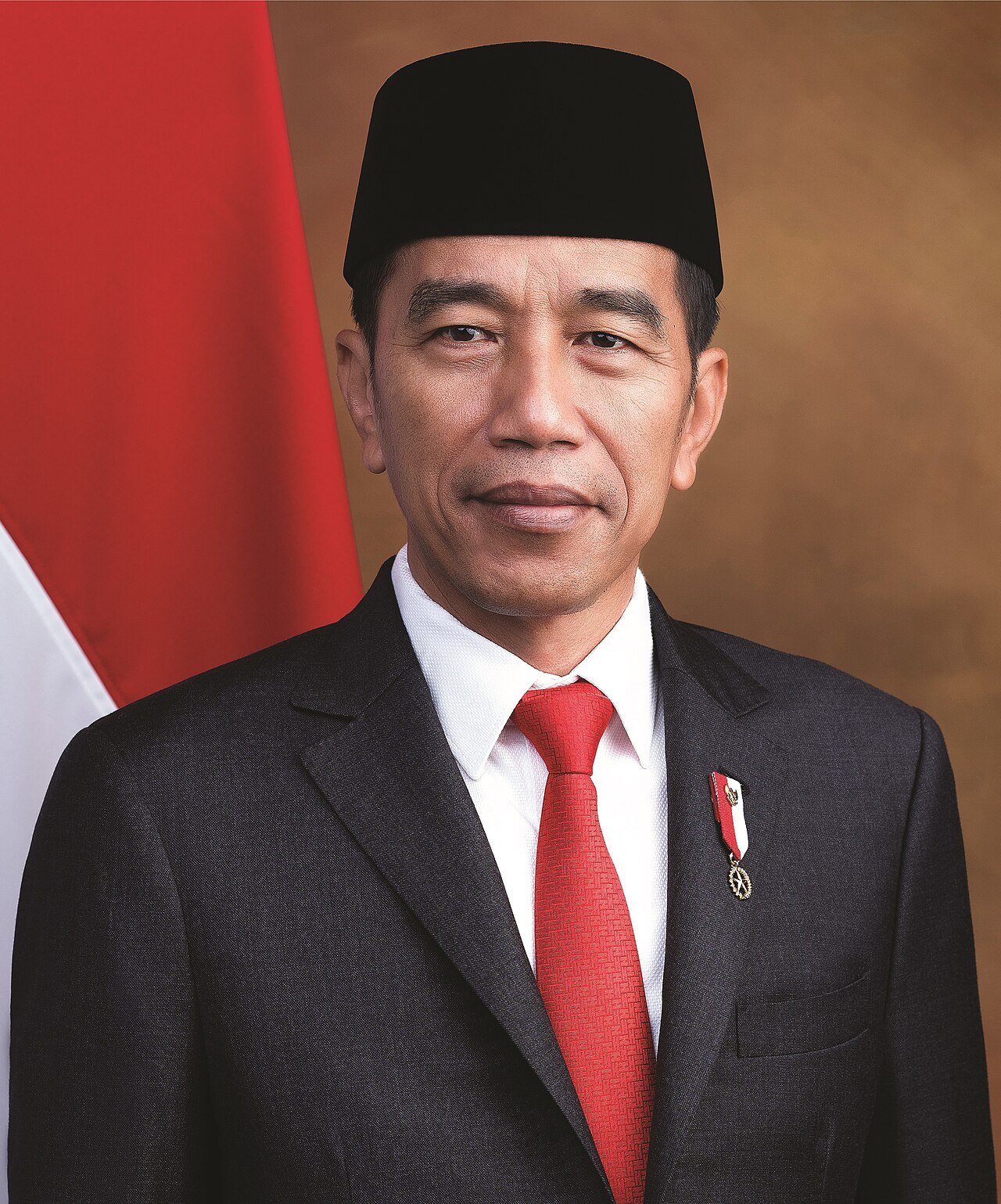 Indonesia · Politics
1961—
Joko Widodo
Seventh President of IndonesiaA furniture entrepreneur and local mayor who rose outside Indonesia’s traditional national elite to serve two terms as president.Read biography Malaysia · Politics
1953—
Najib Razak
Sixth Prime Minister of MalaysiaA political heir who led Malaysia for nine years before an historic election defeat and a later conviction in the SRC International case.Read biography Philippines · Politics
1960—2021
Benigno Aquino III
President of the Philippines, 2010–2016A president whose good-governance agenda coincided with rapid growth and whose government initiated the South China Sea arbitration.Read biography Singapore · Politics
1952—
Lee Hsien Loong
Third Prime Minister and Senior Minister of SingaporeSingapore’s third prime minister, who led two decades of economic restructuring, social-policy expansion, digitalisation and pandemic response.Read biography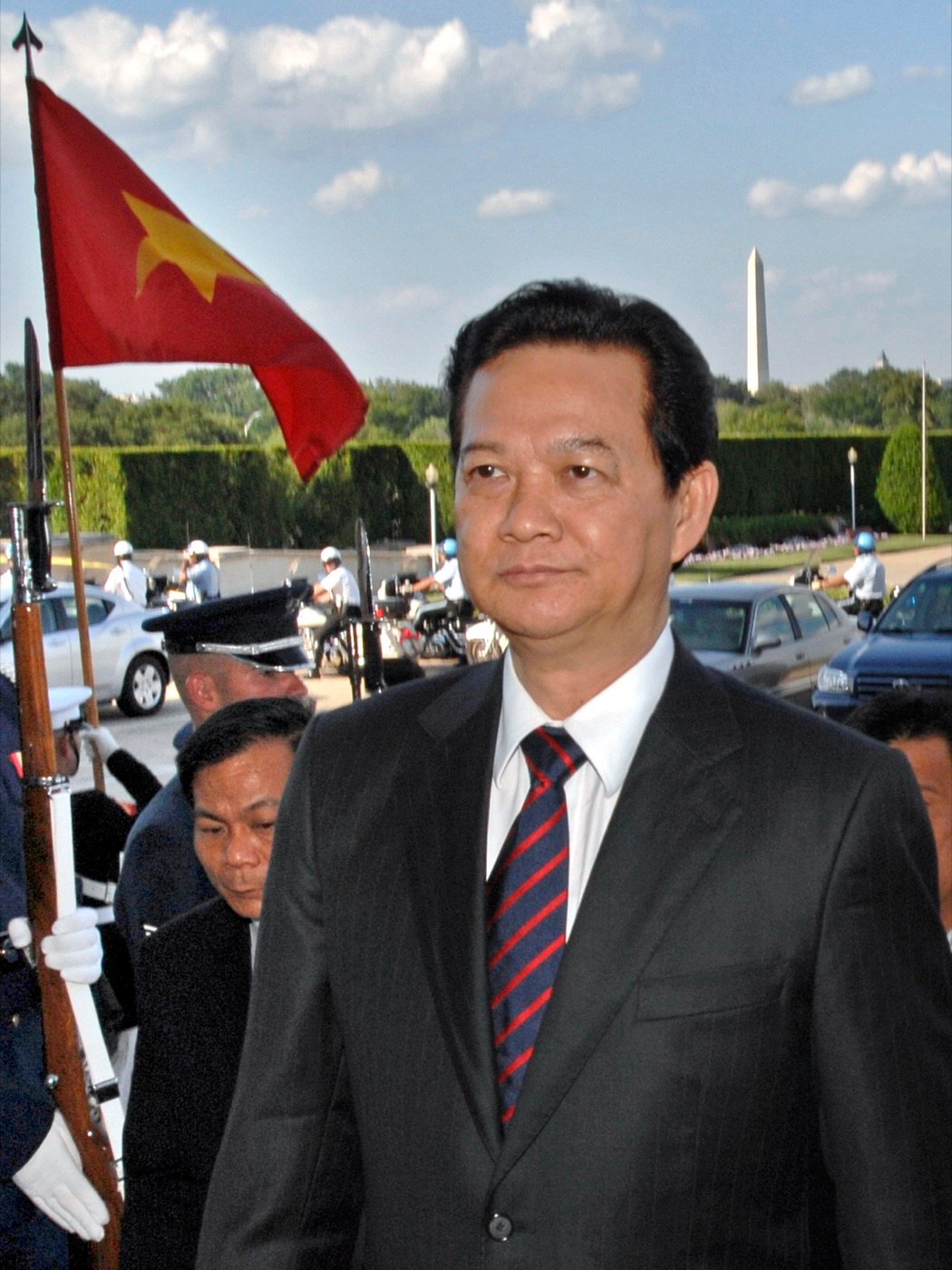 Vietnam · Politics
1949—
Nguyễn Tấn Dũng
Former prime minister of VietnamVietnam’s prime minister from 2006 to 2016, associated with WTO-era growth, a more assertive executive style and costly failures in state-owned conglomerates.Read biographyQuick answers
Common questions
- When was the ASEAN Community established?
- ASEAN leaders signed the establishment declaration on 22 November 2015, and the Community was launched on 31 December 2015.
- What are the three pillars of the ASEAN Community?
- They are the ASEAN Political-Security Community, ASEAN Economic Community and ASEAN Socio-Cultural Community.
- Who signed the 2015 ASEAN Community declaration?
- The heads of state or government of the ten ASEAN member states at the time signed the Kuala Lumpur Declaration on 22 November 2015.
- Is the ASEAN Community like the European Union?
- No. ASEAN remains an intergovernmental organisation based on sovereignty, consultation and consensus; it has no equivalent of a federal government or fully supranational legal order.
- Did ASEAN economic integration begin in 2015?
- No. It built on earlier trade and economic agreements. The 2015 AEC launch was a milestone and organising framework, not the starting point for all integration.
- Does the ASEAN Economic Community allow free movement of all workers?
- No. ASEAN arrangements facilitate movement in selected professions and categories, subject to national laws and recognition rules; they do not create unrestricted labour mobility.
- Was the ASEAN Community completed in 2015?
- No. The 2015 launch marked a formal milestone. Further blueprints and national implementation continued under the ASEAN Community Vision 2025 and later plans.
Primary and institutional sources
How this history was checked
Dates, legal milestones and historical claims are checked against the official and institutional records below. This article was reviewed on 9 September 2026.
- ASEAN SecretariatKuala Lumpur Declaration on the Establishment of the ASEAN Community
- ASEAN SecretariatDeclaration of ASEAN Concord II (Bali Concord II)
- ASEAN SecretariatCebu Declaration on accelerating the ASEAN Community
- ASEAN SecretariatASEAN 2025 at a Glance
- ASEAN SecretariatASEAN Economic Community monitoring