In this biography
Quick facts
- Born
- 25 January 1933
- Died
- 1 August 2009
- Birthplace
- Paniqui, Tarlac, Philippines
- Country
- Philippines
- Nationality
- Filipino
- Known for
- Leading the democratic transition after the People Power Revolution
- Office
- President, 1986–1992
- Historic first
- First woman president of the Philippines
- Constitution
- 1987 Constitution
- Political movement
- United Nationalist Democratic Organization
Why this life matters
Aquino embodied democratic restoration and civilian rule, while her presidency revealed how difficult it was to reform institutions, landholding and the armed forces after authoritarianism.
Timeline
Key moments
Born in Tarlac
Born into the Cojuangco family in Paniqui.
Entered national opposition leadership
The assassination of her husband Benigno Aquino Jr. transformed her public role.
People Power and presidency
Ran against Marcos and took office after mass protest ended his rule.
New constitution ratified
The charter restored Congress, term limits and a rights framework.
Completed her term
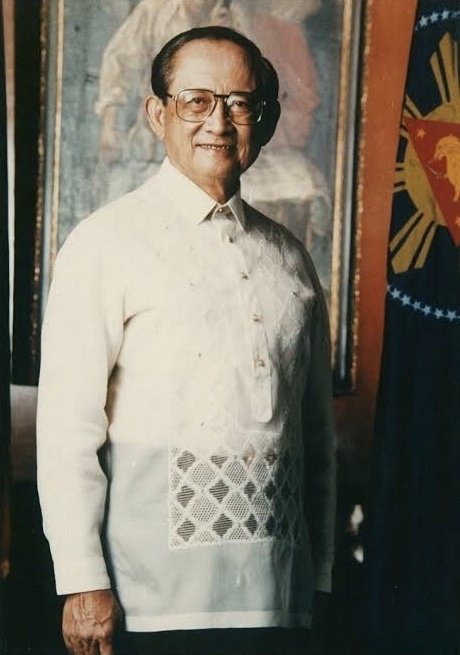
Transferred power to elected successor Fidel V. Ramos.
A reluctant candidate becomes a democratic symbol
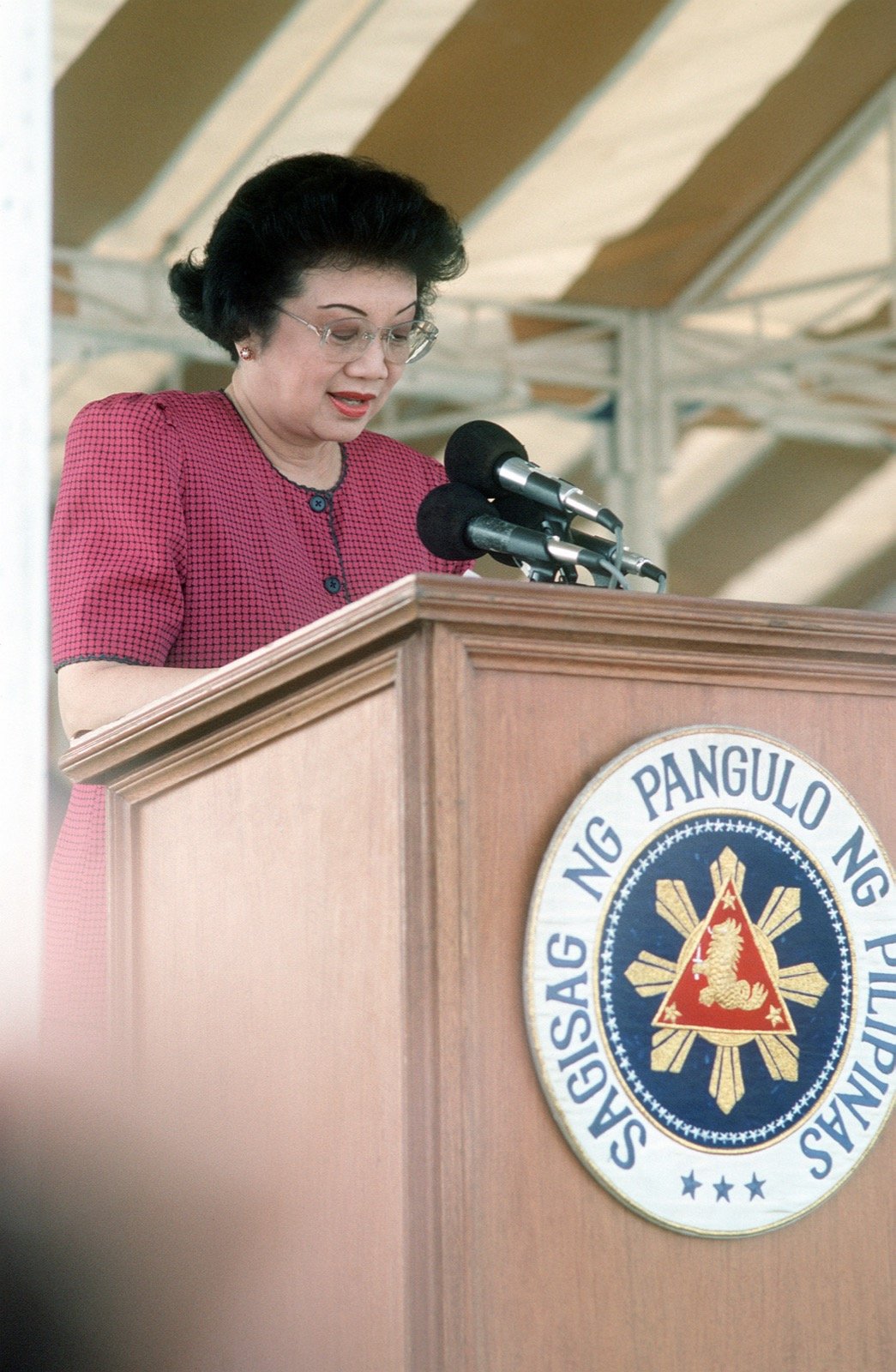
Aquino had not held public office before the 1983 assassination of her husband, the leading opposition politician Benigno Aquino Jr. She became a unifying figure for groups seeking an end to Marcos rule.
She challenged Marcos in the 1986 snap election. Competing counts and reports of fraud were followed by military defections and huge civilian demonstrations. Aquino assumed the presidency after Marcos left the country.
Rebuilding constitutional government
Aquino released political prisoners, restored civil liberties and oversaw the 1987 Constitution. Her government also faced repeated coup attempts, communist and separatist conflicts, and pressure to address poverty and concentrated land ownership.
She left office in 1992 through a constitutional transfer of power. Her record is remembered both for reopening democratic institutions and for the incomplete social and economic reform of the transition period.
Quick answers
Frequently asked questions about Corazon Aquino
- Who was Corazon Aquino?
- Corazon Aquino was a president of the Philippines, 1986–1992. Aquino embodied democratic restoration and civilian rule, while her presidency revealed how difficult it was to reform institutions, landholding and the armed forces after authoritarianism.
- What is Corazon Aquino best known for?
- Corazon Aquino is best known for leading the democratic transition after the People Power Revolution.
- When and where was Corazon Aquino born?
- Corazon Aquino was born on 25 January 1933 in Paniqui, Tarlac, Philippines.
- When did Corazon Aquino die?
- Corazon Aquino died on 1 August 2009.
Sources and further reading
How this biography was checked
Core dates and offices are checked against the sources below. This profile was last reviewed on 8 September 2026.