
The short answer
The United Nations Assistance Mission for Rwanda was created to help implement a peace agreement. During the 1994 genocide against the Tutsi, its mandate, resources and political backing proved gravely inadequate. Roméo Dallaire’s command connects the story to Canadian public life, but the events occurred in Rwanda and involved Rwandan perpetrators, people seeking protection and decisions across the international system.
Chronology
A timeline of the turning points
Arusha peace agreement
The agreement provides the political framework that the later mission is intended to support.
Resolution 872
The Security Council establishes UNAMIR with a peace-implementation mandate.
A warning from the field
Dallaire relays an informant’s account of preparations for violence and weapons caches.
Genocide and renewed war
Systematic killings of Tutsi and murders of political opponents unfold as the peace process collapses.
Resolution 912
The Council retains a reduced mission with 270 military personnel authorized.
Resolution 918
The Council expands the protection mandate and authorizes some 5,500 military personnel, with deployment delayed.
A changed political and military situation
The RPF takes control in July; Dallaire’s force command ends in August, while UNAMIR continues.
Independent inquiry
The report examines failures across the UN system rather than attributing the outcome to one commander.
A peace agreement shaped the mission’s original purpose
UNAMIR was established by Security Council resolution 872 on 5 October 1993 following the Arusha agreement of 4 August. Its responsibilities included assisting security in Kigali, monitoring the ceasefire and demilitarized arrangements, supporting mine clearance and helping coordinate humanitarian assistance.
Those tasks assumed a political process that the parties would implement. The force commander directed military operations within a wider mission and reporting structure. The Council set the mandate, the Secretariat provided direction and administration, and member states supplied personnel and equipment. Command in Kigali did not give one officer independent control over all those decisions.
Warnings exposed a gap between information and action
Dallaire’s 11 January 1994 cable relayed an informant’s account of plans against Tutsi and proposed action against arms caches. It was one warning among many from Rwandan organizations, military officers and foreign observers. UN headquarters told him that the planned operation lay outside the mandate.
The later inquiry criticized how the information was escalated and followed up. It said Dallaire should have addressed higher officials directly, and that headquarters failed to inform the Secretary-General and Council. It distinguished the contemporary mandate interpretation from the broader failure to seek a response to the dangers that interpretation left unresolved.
Withdrawal and reduction were different decisions
Belgium withdrew its contingent after ten Belgian peacekeepers were killed. Other national withdrawals and failures of command weakened UNAMIR. On 21 April, resolution 912 retained a smaller mission, with 270 military personnel authorized to assist ceasefire efforts, humanitarian relief where feasible and monitoring, including civilians sheltering with the UN.
A residual force remained under Dallaire. On 17 May resolution 918 expanded the protection mandate and authorized some 5,500 military personnel. Deployment lagged: authorization still had to become available troops, equipment and support, rather than an immediately effective protection force.
In July the RPF took control of Rwanda and established a new government. UNAMIR continued after that change, assisting protection and humanitarian work. Dallaire’s command ended in August 1994; the mission itself continued until 1996.
The inquiry examined a system and its practical failures
The independent inquiry’s December 1999 report identified inadequate resources and political commitment as fundamental failures. It also found serious mistakes in using available resources. Its selected findings address uncertain engagement rules, poor communication and fractured command involving UNAMIR, headquarters and contributing countries.
That record allows recognition of personnel who remained and protected people without treating their efforts as proof that the mission succeeded. It also prevents an account centred on one Canadian officer from replacing Rwanda’s history. Dallaire’s experience is one route into the subject; the larger question is how international promises of protection failed to become adequate action.
Continue the chronology
Related history guides
Biography context
Explore Rwanda through connected lives
Roméo Dallaire
Read his military career, Senate work, writing and later prevention and veterans’ advocacy.
Explore the biographiesAn earlier peacekeeping contextLester B. Pearson
Compare the Suez-era development of peacekeeping with the distinct conditions in Rwanda.
Explore the biographiesConnected biographies
Two different chapters in Canadian peacekeeping history
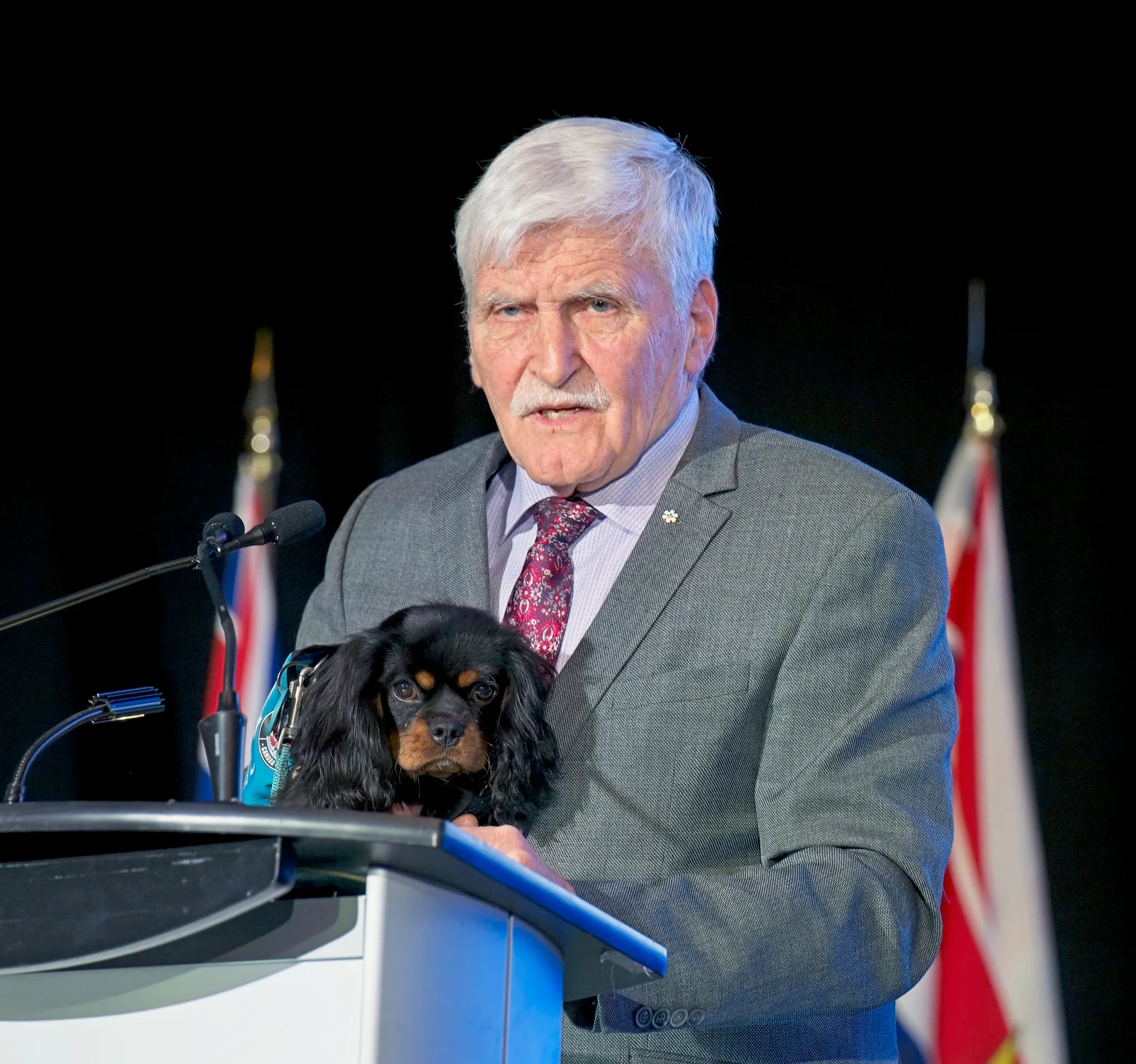
1946–
Roméo Dallaire
Retired lieutenant-general, former senator and humanitarian advocateA Canadian officer whose Rwanda command was followed by writing, Senate service, mental health advocacy and efforts to prevent the recruitment of children in war.Read biography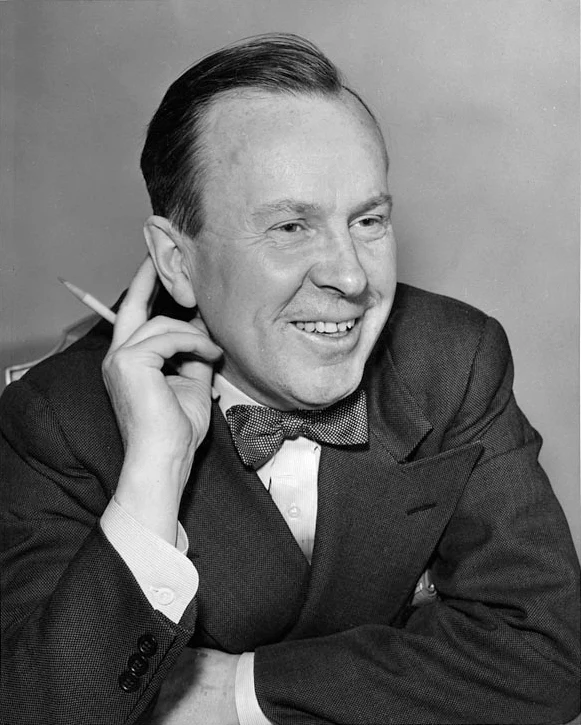
1897–1972
Lester B. Pearson
Diplomat, Nobel Peace Prize laureate and Canada’s fourteenth prime ministerLester B. Pearson moved from teaching history into diplomacy, became Canada’s external affairs minister and helped establish the UN Emergency Force during the Suez crisis. Awarded the 1957 Nobel Peace Prize, he later led two minority Liberal governments. His premiership helped develop public pensions and medical insurance while advancing a new national flag and bilingualism.Read biographyQuick answers
Common questions
- Was UNAMIR created specifically to stop a genocide?
- Its October 1993 mandate was designed to support the Arusha peace agreement. The mission’s role and circumstances changed dramatically during the genocide.
- Did Dallaire decide the size of the UN force?
- No. The Security Council authorized the mission and its strength; national governments and UN structures controlled contributions, support and wider direction.
- Did all UN peacekeepers leave Rwanda in April 1994?
- No. Some national contingents withdrew, but the Council retained a reduced mission. The authorized military strength after 21 April was 270.
- Does the 1999 inquiry blame only one person?
- No. It examines responsibility throughout the UN system, while also identifying particular mistakes in the field and at headquarters.
Primary and institutional sources
How this history was checked
UN mandate and strength records establish the mission’s formal decisions. The original scanned inquiry PDF was read selectively at pages 3–5 and 33–36, not in full. Human Rights Watch supplies an independent investigation. The 2025 portrait is illustrative and does not depict Rwanda in 1994. This Rwanda-located guide belongs editorially to the Canadian Dallaire cluster. This article was reviewed on Reviewed 23 October 2026.
- United Nations PeacekeepingUNAMIR: original and revised mandates under resolutions 872, 912 and 918
- United Nations PeacekeepingUNAMIR: force commanders, authorized strength and mission duration
- United Nations PeacekeepingUNAMIR: background and the April 1994 decision to retain a reduced mission
- United Nations PeacekeepingUNAMIR: summary of reinforcement delays and the July 1994 outcome
- United Nations / Independent InquiryReport of the Independent Inquiry into UN actions during the 1994 genocide in Rwanda, S/1999/1257, 15 December 1999
- Human Rights Watch / International Federation of Human RightsAlison Des Forges: Leave None to Tell the Story, Warnings, March 1999
- Human Rights Watch / International Federation of Human RightsAlison Des Forges: Leave None to Tell the Story, International Responsibility, March 1999
- Wikimedia Commons / Mykola SwarnykRomeo Dallaire 2025: photographer’s own work under CC BY-SA 4.0