
The short answer
Manuel L. Quezon became the first Philippine Senate president when the chamber opened on 16 October 1916. He later became the first Commonwealth president in 1935. These were different offices, and neither date marks Philippine independence from the United States.
Identify the office
Three answers that are easily confused
Senate leadership, the Commonwealth presidency and the independent republic’s presidency have separate starting dates.
| Question | Officeholder | Date |
|---|---|---|
| First president of the Philippine Senate | Manuel L. Quezon | 1916 |
| First president of the Philippine Commonwealth | Manuel L. Quezon | 1935 |
| First president of the independent republic in 1946 | Manuel Roxas | 1946 |
Chronology
A timeline of the turning points
Quezon enters the Philippine Assembly
An elected lower chamber operates alongside the appointed Philippine Commission.
Resident Commissioner in Washington
Quezon represents Philippine interests during the debate over autonomy and independence.
First Senate opens
Quezon becomes its first president within the new two-chamber legislature.
Commonwealth transition
Quezon becomes Commonwealth president and a unicameral National Assembly replaces the earlier legislature.
The Senate’s leadership sequence resumes
The Senate’s roll lists Manuel Roxas in the revived Commonwealth chamber.
Senate centennial
The institution commemorates its October 1916 beginning.
Who was the first Senate president?
Manuel L. Quezon was the first president of the Philippine Senate. He took that role when the new legislature opened on 16 October 1916, during American colonial rule. The Senate’s own biography identifies him as its first president and records his leadership across the 1916–1935 period.
Quezon had already served in the Philippine Assembly and as Resident Commissioner in Washington. His later Senate role therefore followed work in both domestic politics and the campaign to change the islands’ relationship with the United States. It was not the beginning of his public career.
Why did the Senate begin in 1916?
Before 1916, the colonial legislature paired an elected Philippine Assembly with an appointed Philippine Commission. The Jones Law, enacted by the U.S. Congress, changed that structure. It replaced the Commission’s legislative role with a Senate and established a House of Representatives as the other chamber.
The reform expanded Filipino participation in government but did not make the Philippines independent. The islands remained under U.S. sovereignty, and colonial authorities retained important powers. The U.S. House’s historical account describes both the struggle over the Jones legislation and the continuing limits on autonomy after its passage.
The distinction explains why the office’s history starts in 1916 even though the independent republic began in 1946. A legislature can develop under colonial government and later continue within a sovereign state, with constitutional interruptions and changes along the way.
Was the first Senate elected like today’s Senate?
The 1916 chamber had 24 senators, but its electoral arrangement differed from today’s nationwide contest. Eleven districts each elected two senators. The twelfth district, covering areas then treated separately within the colonial administration, had two senators appointed by the governor-general.
Calling the entire original Senate popularly elected would therefore omit the two appointed seats. Calling its members nationwide senators would also project a later system onto the district-based chamber. The Senate’s institutional history preserves both distinctions.
The Senate president is the chamber’s presiding officer, not the president of the country. Senators choose their leader through the institution’s own procedures. Under the present 1987 Constitution, the Senate elects its president by a majority of all its members. That current rule helps explain the office, but it should not be used as if it were the original 1916 electoral law.
How did Quezon move from Senate leader to president?
Quezon later became the first president of the Commonwealth of the Philippines in 1935. The U.S. proclamation establishing the Commonwealth identifies the September election and the inauguration of the new government in November. It described the Commonwealth as a step toward complete independence, rather than independence already achieved.
The original Commonwealth arrangement used a unicameral National Assembly. That constitutional change ended the earlier Senate structure. A later amendment restored a two-chamber Congress, but the Second World War interrupted its operation. The Senate’s leadership roll next lists Manuel Roxas for 1945–1946.
Quezon’s Senate presidency and Commonwealth presidency were thus different offices in successive constitutional settings. His long Senate leadership helped build his national position, while the 1935 transition changed the institution in which that authority was exercised.
Which “first president” does the question mean?
For the first president of the Senate, the answer is Quezon in 1916. For the first president of the Commonwealth, it is also Quezon, but in 1935. Those answers refer to a legislative leadership office and a national executive office, respectively.
The first president of the independent republic inaugurated in 1946 was Manuel Roxas. His earlier Senate leadership does not make him the first Senate president; it places him later in the same institutional sequence. A question using only the word president therefore needs the office and constitutional period to be clear.
The Senate’s 2016 centennial commemoration used 16 October 1916 as the institution’s founding date. That anniversary supports the starting point of the Senate story, while the full officeholder list and individual biographies explain what followed. Reading them together makes the short answer useful without losing the colonial and Commonwealth context.
Continue the chronology
Related history guides
Complete List of Philippine Senate Presidents
Continue beyond Quezon through constitutional interruptions and later officeholders.
Read the timeline1907–presentSpeakers of the Philippine House
Compare the other legislative leadership line, beginning with the Assembly.
Read the timeline1986–1987The 1987 Philippine Constitution
Read the framework governing the present Senate and its leadership.
Read the timelineConnected biographies
The leaders around the early legislature

1878—1944
Manuel L. Quezon
President of the Commonwealth of the PhilippinesThe statesman who secured Commonwealth status, became its first president and led the Philippine government in exile during the Second World War.Read biography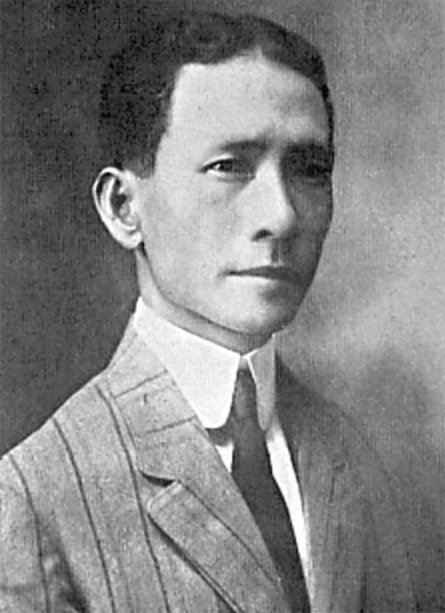
1878—1961
Sergio Osmeña
President of the Commonwealth of the PhilippinesA Cebu statesman who succeeded Manuel Quezon in exile and led the Commonwealth government during the liberation of the Philippines.Read biography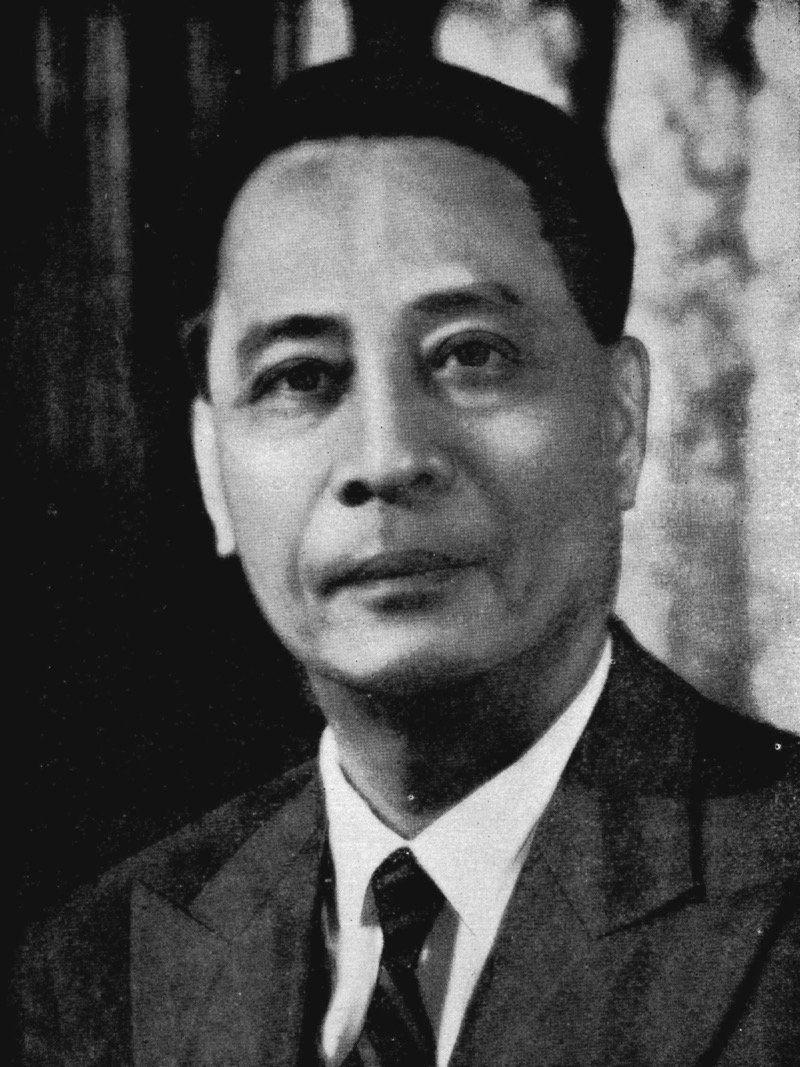
1892—1948
Manuel Roxas
Last Commonwealth president and first president of the independent Third RepublicThe final Commonwealth president who became the first leader of the independent Third Republic and confronted postwar reconstruction.Read biographyQuick answers
Common questions
- Who was the first Senate president of the Philippines?
- Manuel L. Quezon, when the Senate opened on 16 October 1916.
- Was Manuel Quezon also the first Commonwealth president?
- Yes. He became the first Commonwealth president in 1935, after serving as Senate president.
- Was Manuel Roxas the first Senate president?
- No. Roxas led the Senate in 1945–1946. Quezon had first held the office in 1916.
- Did the Philippines become independent when the Senate opened?
- No. The 1916 Senate operated under American colonial rule. U.S. sovereignty ended in 1946.
Primary and institutional sources
How this history was checked
The first officeholder and opening date follow Senate records. The Commonwealth proclamation establishes the later executive transition; the current Constitution is used only to explain the present leadership rule. This article was reviewed on 14 October 2026.
- Senate of the PhilippinesBiography of Senate President Manuel L. Quezon
- Senate of the PhilippinesHistory of the Senate: colonial and Commonwealth legislatures
- Senate of the PhilippinesSenate centennial statement, October 2016
- U.S. House of Representatives, History, Art & ArchivesThe Philippines, 1898–1946: the Jones Law and autonomy
- U.S. presidential proclamation via LawPhilEstablishment of the Commonwealth, 1935
- Senate of the PhilippinesRoll of Senate Presidents
- Senate of the PhilippinesManuel Roxas: Commonwealth and republic presidencies
- The LawPhil Project1987 Constitution, Article VI, section 16