The short answer
Independence on 4 July 1946 ended formal U.S. sovereignty and inaugurated the Third Republic. It also opened a postwar settlement in which reconstruction, trade and security agreements preserved unequal ties, making independence both a constitutional achievement and the beginning of a longer argument about autonomy.
Chronology
A timeline of the turning points
The Tydings–McDuffie Act sets a timetable
The U.S. law authorised a ten-year Commonwealth transition before recognition of Philippine independence. Philippine voters approved the resulting constitution in 1935.
The Commonwealth begins
Manuel L. Quezon and Sergio Osmeña took office under a government designed to prepare national institutions for independence.
Japan attacks the Philippines
The invasion interrupted the transition. The Commonwealth government eventually operated in exile while Japanese forces occupied the archipelago.
Osmeña succeeds Quezon
Sergio Osmeña became Commonwealth president after Quezon died in the United States.
Commonwealth authority returns at Leyte
Osmeña landed with General Douglas MacArthur as Allied forces began the campaign to liberate the Philippines.
Roxas wins the final Commonwealth election
Manuel Roxas defeated Osmeña and took office on 28 May, five weeks before the scheduled transfer of sovereignty.
The independent republic is recognised
The United States relinquished sovereignty and recognised the Republic of the Philippines. Roxas became the first president of the independent Third Republic.
Trade, parity and bases define the relationship
New agreements tied reconstruction, trade and defence to the United States. They made formal sovereignty real while limiting its immediate economic and strategic freedom.
What happened on 4 July 1946?
On 4 July 1946 the United States recognised the Republic of the Philippines as an independent state and relinquished the sovereignty it had claimed since the Spanish-American War. The two governments signed a Treaty of General Relations in Manila, and U.S. President Harry S. Truman issued a proclamation recognising the new republic.
Manuel Roxas, elected during the final months of the Commonwealth, became president of the independent Third Republic. The ceremony completed the timetable set by the 1934 Tydings–McDuffie Act, but it followed a devastating occupation and liberation campaign that had transformed the country the transition was meant to prepare.
Commonwealth preparation interrupted by war
The Commonwealth began in 1935 as a transitional government with its own constitution, elected president and national institutions. Manuel L. Quezon and Sergio Osmeña led defence, education, economic and administrative preparations for an independence date fixed ten years ahead.
Japan’s invasion in December 1941 broke that sequence. Quezon and Osmeña left with the government, which continued in exile in the United States. Inside the occupied Philippines, José P. Laurel led the Japanese-sponsored Second Republic. These rival authorities make the wartime presidency impossible to understand as one uninterrupted line of control.
Liberation and the return of civil government
Osmeña succeeded Quezon in August 1944 and returned to Leyte with Allied forces that October. Commonwealth authority was restored area by area as the military campaign advanced. The Battle of Manila and fighting elsewhere destroyed infrastructure, killed civilians and displaced communities on a vast scale.
Liberation therefore did not return the country to the conditions imagined in 1935. The government faced food shortages, ruined public services, armed groups and disputes over who had resisted, collaborated or simply survived. Reconstruction and political reconciliation became inseparable from the final transfer of sovereignty.
Roxas and the first government of the Third Republic
Roxas defeated Osmeña in April 1946 after splitting from the Nacionalista leadership and organising the Liberal Party. He became the last Commonwealth president on 28 May and the first president of the independent republic on 4 July.
His government had to rebuild a tax base, infrastructure, schools, farms and public confidence while confronting the Huk movement in Central Luzon. Roxas also chose a broad postwar reconciliation, culminating in a 1948 amnesty for many people accused of political and economic collaboration during occupation.
Why independence did not mean complete autonomy
The Treaty of General Relations formally removed U.S. sovereignty, but it anticipated separate arrangements for military bases and other matters. The 1947 Military Bases Agreement granted the United States extensive use of selected sites, embedding the new republic in an unequal but enduring security alliance.
Economic reconstruction was similarly conditional. The Philippine Trade Act, commonly called the Bell Trade Act, linked preferential access to the U.S. market with currency and trade restrictions. A constitutional parity amendment gave U.S. citizens and corporations rights in natural resources and public utilities comparable to those of Filipinos. Supporters emphasised scarce capital and war-damage payments; critics argued that independence began with severe limits on economic sovereignty.
July 4, June 12 and the meaning of independence
The republic initially celebrated Independence Day on 4 July. In 1962 President Diosdado Macapagal moved the observance to 12 June, the date Emilio Aguinaldo proclaimed independence from Spain in 1898; legislation made the change permanent in 1964. July 4 became Philippine Republic Day.
The two dates answer different historical questions. June 12 centres the Filipino revolutionary declaration and the claim to national self-determination. July 4 records international recognition and the end of formal U.S. sovereignty. Reading both prevents a legal transfer in 1946 from erasing the earlier republic—or the earlier republic from obscuring the institutional consequences of decolonisation after war.
Continue the chronology
Related history guides
Philippines History Timeline
Connect independence in 1946 to revolution, occupation and democratic change.
Read the timeline1899—1901The First Philippine Republic
Begin with the Malolos Constitution and the earlier Filipino republic that claimed sovereignty.
Read the timeline1942–1945The Japanese Occupation of the Philippines
Read the wartime governments, resistance and liberation immediately before independence.
Read the timeline3 Feb–3 Mar 1945The Battle of Manila
Examine the civilian cost and destruction behind the restoration of Commonwealth authority.
Read the timeline1946–1947The Bell Trade Act and Parity Rights
Examine the trade, currency and constitutional conditions attached to postwar recovery.
Read the timeline1946–1954The Hukbalahap Rebellion
Follow the rural conflict over land, wartime legitimacy and political inclusion.
Read the timeline1953–1957The Ramon Magsaysay Presidency
Continue through reform, counterinsurgency and the republic’s Cold War alignment.
Read the timelineTwelve sourced livesPostwar Philippine Nation-Builders
Compare the people who governed, challenged and represented the early republic.
Read the timeline1892—1899The Philippine Revolution
Trace the anti-colonial struggle behind the 1898 declaration of independence.
Read the timelineConnected biographies
Eight lives across Commonwealth, occupation, independence and economic sovereignty
 Philippines · Politics
1878—1944
Manuel L. Quezon
President of the Commonwealth of the PhilippinesThe statesman who secured Commonwealth status, became its first president and led the Philippine government in exile during the Second World War.Read biography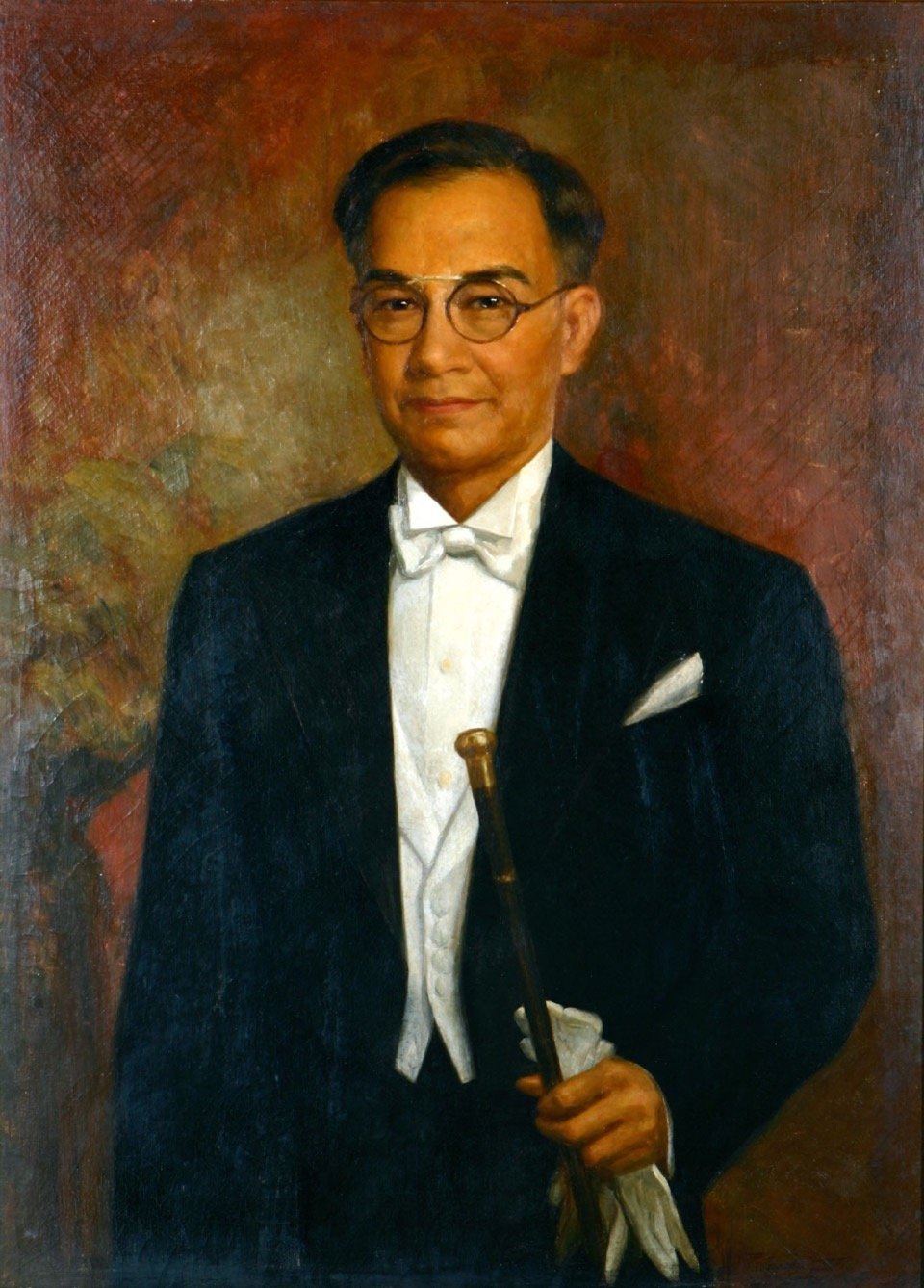 Philippines · Politics
1891—1959
José P. Laurel
President of the Japanese-sponsored Second Philippine RepublicA jurist and politician who led the Japanese-sponsored Second Philippine Republic during occupation and later returned to elected office.Read biography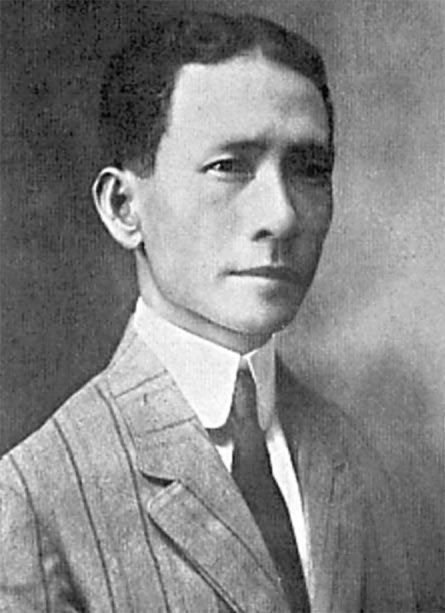 Philippines · Politics
1878—1961
Sergio Osmeña
President of the Commonwealth of the PhilippinesA Cebu statesman who succeeded Manuel Quezon in exile and led the Commonwealth government during the liberation of the Philippines.Read biography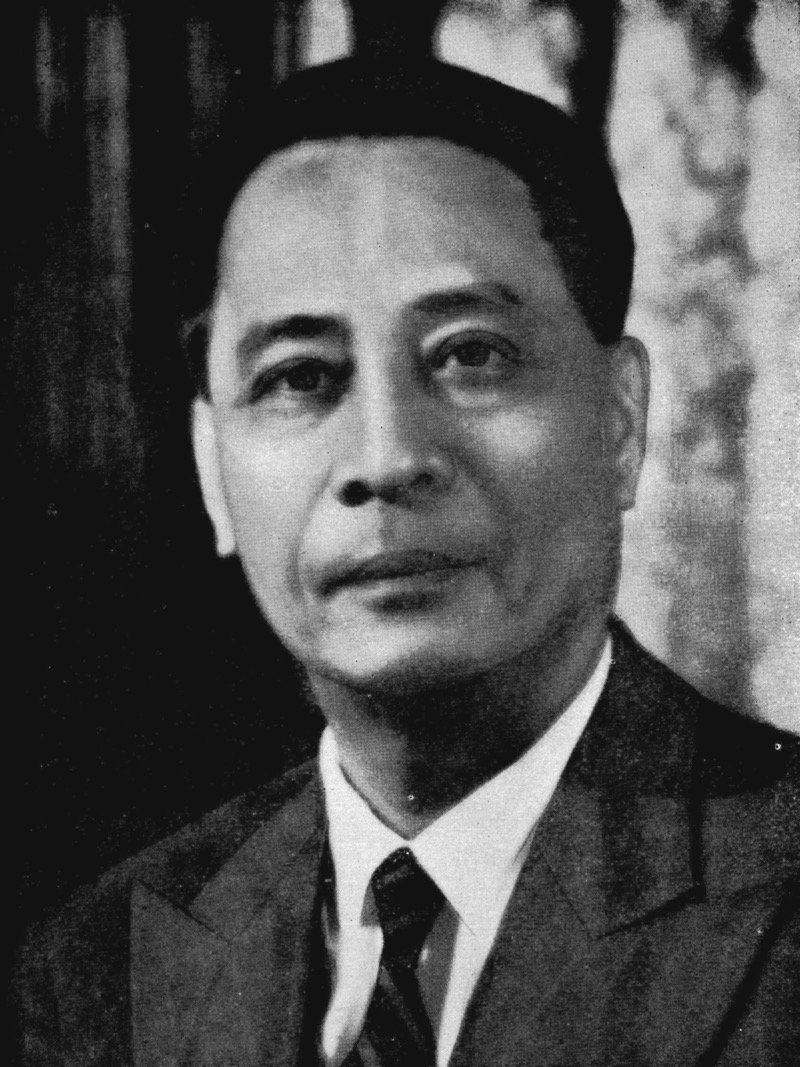 Philippines · Politics
1892—1948
Manuel Roxas
Last Commonwealth president and first president of the independent Third RepublicThe final Commonwealth president who became the first leader of the independent Third Republic and confronted postwar reconstruction.Read biography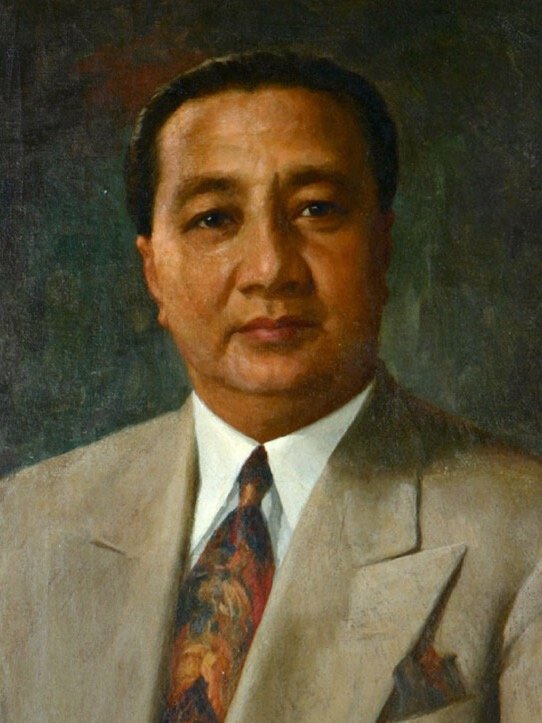 Philippines · Politics
1890—1956
Elpidio Quirino
President of the Philippines, 1948–1953A postwar president who rebuilt state institutions, established the central bank and governed through the continuing Huk rebellion.Read biography Philippines · Politics
1899—1985
Carlos P. Romulo
Journalist, diplomat and UN General Assembly presidentA Pulitzer-winning journalist, wartime official and diplomat who represented the Philippines at the United Nations across the country’s transition to independence.Read biography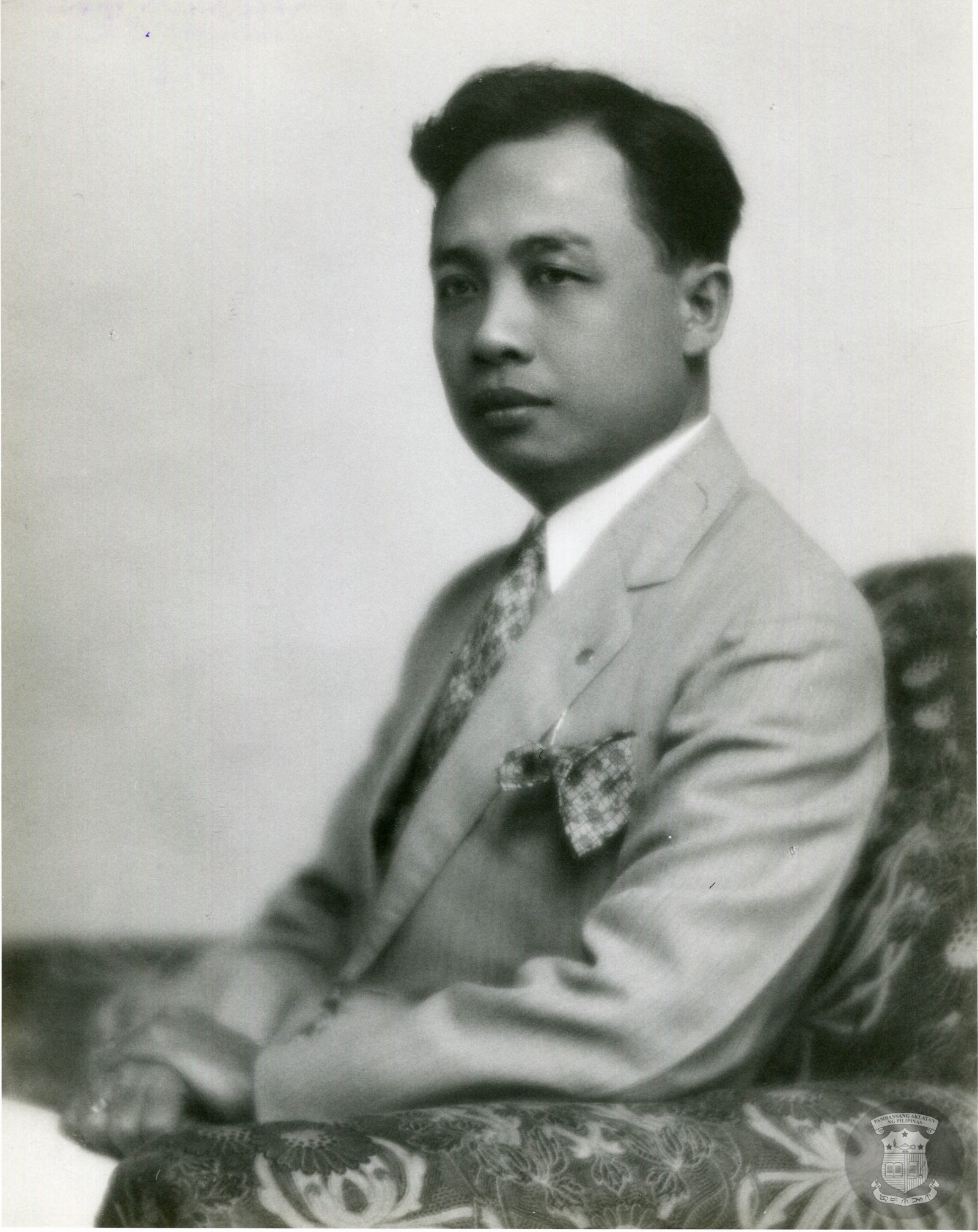 Philippines · Politics
1890—1960
Claro M. Recto
Senator, jurist and nationalist statesmanA lawyer, legislator and writer whose constitutional work and postwar nationalism challenged unequal economic and military ties with the United States.Read biography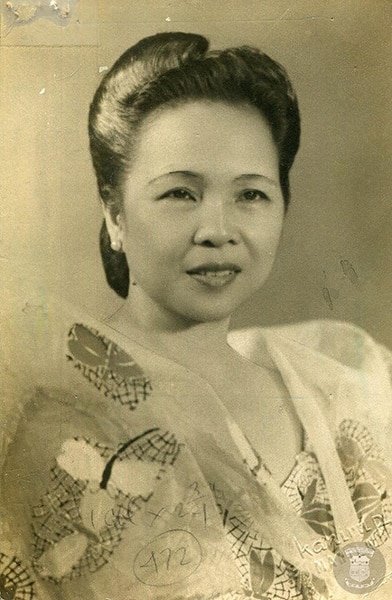 Philippines · Politics
1896—1989
Geronima T. Pecson
Educator, senator and UNESCO board memberAn educator and social worker elected in 1947 as the first woman senator, who later became the first Filipino and first woman on UNESCO’s Executive Board.Read biographyQuick answers
Common questions
- When did the Philippines become independent?
- The United States formally recognised the Republic of the Philippines as an independent state on 4 July 1946. The Philippine declaration of independence from Spain had taken place earlier, on 12 June 1898.
- Who was president when the Philippines became independent in 1946?
- Manuel Roxas was president. He served first as the last president of the Commonwealth and then, from 4 July 1946, as the first president of the independent Third Republic.
- Why does the Philippines celebrate Independence Day on June 12?
- June 12 commemorates Emilio Aguinaldo’s 1898 declaration of independence from Spain. President Diosdado Macapagal moved the national observance from July 4 to June 12 in 1962, and Republic Act No. 4166 formalised the change in 1964.
- What ended on July 4, 1946?
- The United States relinquished its claim to sovereignty over the Philippines and recognised the independent republic, although separate trade and military agreements preserved extensive U.S. influence.
- What was the Third Republic of the Philippines?
- The Third Republic is the constitutional republic inaugurated at independence in 1946. The name distinguishes it from the First Philippine Republic at Malolos and the Japanese-sponsored Second Republic during occupation.
Primary and institutional sources
How this history was checked
Dates, legal milestones and historical claims are checked against the official and institutional records below. This article was reviewed on 8 September 2026.
- The Lawphil ProjectTreaty of General Relations between the Philippines and the United States
- U.S. Department of State, Office of the HistorianRecognition of Philippine Independence, 1946
- The Lawphil ProjectCommonwealth Act No. 732: Department of Foreign Affairs
- The Lawphil ProjectCommonwealth Act No. 733: Trade agreement
- U.S. National ArchivesThe Philippines, 1898–1946
- The Lawphil ProjectRepublic Act No. 4166: Philippine Independence Day