The short answer
Cambodia gained full independence from France on 9 November 1953. Norodom Sihanouk’s royal campaign accelerated the final transfer, but the outcome also grew from wartime disruption, postwar party politics, anticolonial pressure and France’s weakening position in Indochina.
Chronology
A timeline of the turning points
French protection begins
King Norodom accepted a protectorate that gradually transferred effective authority to France.
Sihanouk ascends the throne
French authorities approved the eighteen-year-old prince during the Second World War.
Japanese forces displace French rule
Cambodia briefly declared independence before France returned after Japan’s surrender.
A constitution and elections
Political parties and an elected assembly emerged while Cambodia remained inside the French Union.
Treaty grants limited autonomy
France recognised greater internal powers but retained key controls, disappointing nationalists.
Sihanouk assumes direct authority
The king dissolved parliament amid conflict over the pace and control of decolonisation.
Royal Crusade for Independence
Sihanouk travelled abroad and mobilised public pressure for complete sovereignty.
Full independence is celebrated
French authority over defence and remaining state functions passed to Cambodia.
Geneva confirms the new position
The Indochina settlement recognised Cambodia’s independence, neutrality and territorial integrity.
What did the French protectorate control?
The 1863 agreement initially promised royal protection, but French officials progressively controlled revenue, foreign affairs and administration. Cambodia later became part of French Indochina while the monarchy remained an important source of legitimacy.
Colonial institutions expanded roads, schooling and bureaucracy unevenly. Their costs, labour demands and racial hierarchy fed nationalist criticism, while the preservation of a Cambodian court made decolonisation different from a simple transfer to a new republic.
Why did the Second World War accelerate independence?
Japanese occupation weakened French imperial authority. In March 1945 Japan removed the colonial administration and Sihanouk proclaimed independence, but the arrangement lasted only until the Allied victory and French return.
The episode showed that colonial rule was not permanent. Postwar parties, especially the Democratic Party, demanded a faster transfer of authority while regional wars made France increasingly unable to preserve the previous order.
What was Sihanouk’s Royal Crusade for Independence?
The 1949 treaty transferred some powers but stopped short of full sovereignty. In 1952 and 1953 Sihanouk concentrated authority, travelled to France, the United States, Canada and Japan, and publicised his demand for complete independence.
He also withdrew to Siem Reap and mobilised royal and popular pressure. France negotiated the transfer of judicial, police and military authority, allowing independence to be celebrated on 9 November 1953.
Did independence immediately create democracy?
Independence ended the protectorate but did not settle Cambodia’s internal balance of power. In 1955 Sihanouk abdicated in favour of his father, created Sangkum Reastr Niyum and won elections as a political leader rather than reigning king.
The Sangkum years brought development, international visibility and a policy of neutrality, yet opposition space narrowed. Independence should therefore be distinguished from later debates about constitutional rule and political pluralism.
Continue the chronology
Related history guides
Connected biographies
Three lives connected to independence and the monarchy
 Cambodia · Politics
1922—2012
Norodom Sihanouk
King, head of state and independence leaderThe king, independence campaigner and head of state whose long public career crossed colonial rule, neutrality, civil war, exile and Cambodia’s restored monarchy.Read biography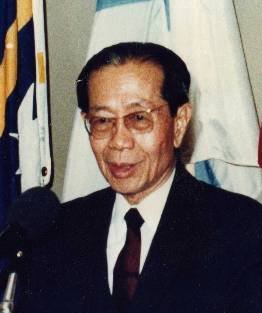 Cambodia · Politics
1911—2000
Son Sann
Economist, prime minister and resistance leaderThe economist and former prime minister who founded the Khmer People’s National Liberation Front and later helped build Cambodia’s restored parliamentary order.Read biography Cambodia · Politics
1953—
Norodom Sihamoni
King of CambodiaThe dancer, teacher and cultural diplomat elected king in 2004, bringing an artistic career to Cambodia’s constitutional monarchy.Read biographyQuick answers
Common questions
- When is Cambodian Independence Day?
- Cambodia celebrates Independence Day on 9 November, marking the transfer of full sovereignty from France in 1953.
- Who led Cambodia to independence?
- King Norodom Sihanouk led the decisive royal campaign, while elected politicians, nationalist movements and changing regional conditions also pressured French colonial rule.
- How long was Cambodia a French protectorate?
- The protectorate began in 1863 and ended with full independence in 1953, a period of roughly ninety years.
- Was Cambodia briefly independent in 1945?
- Cambodia declared independence after Japan displaced French colonial authorities in March 1945, but France returned later that year and the durable transfer came in 1953.
- What happened after independence?
- Sihanouk abdicated in 1955, formed the Sangkum movement and dominated government while pursuing development and Cold War neutrality.
Primary and institutional sources
How this history was checked
Dates, legal milestones and historical claims are checked against the official and institutional records below. This article was reviewed on 9 September 2026.