
The short answer
The Book of Negroes is both the title of Lawrence Hill’s 2007 novel and the name of a real eighteenth-century register. Understanding that connection opens the book’s history without confusing an invented narrator with a surviving archival testimony. The publication, historical document and television adaptation answer different questions.
Chronology
A timeline of the turning points
A register of departures
British and American records document Black people leaving New York during the British evacuation.
Novel published
Hill’s historical fiction appears and wins the Rogers Writers’ Trust Fiction Prize.
Commonwealth recognition
The novel wins the Commonwealth Writers’ Prize for Best Book.
Canada Reads
The novel wins the CBC reading competition.
Six-part adaptation
The series co-written by Hill and Clement Virgo reaches CBC and BET audiences.
The novel follows an invented life across the Atlantic world
Aminata Diallo begins as a free child in West Africa before being abducted and enslaved. Hill’s narrative takes her through South Carolina, New York and Nova Scotia, with later journeys to Sierra Leone and London. Enslavement, literacy, family separation and displacement shape her effort to retain control over the telling of her own life.
That narrator is fictional. Hill does not present the book as an edited autobiography by a recovered historical Aminata. His interviews describe the creative problem of imagining a woman across different ages and circumstances. Reading it as a novel allows attention to character and voice while leaving factual claims about the period open to separate historical inquiry.
The real register records people with different legal situations
Library and Archives Canada describes the 1783 Book of Negroes as a register of around 3,000 Black men, women and children departing New York from April to November. Entries can include names, ages, former enslavers, ships and claims about legal status. These are administrative records created within a contested evacuation, not a modern collection of freely chosen memoirs.
The National Archives emphasizes an important limit: people who sailed together did not all arrive with the same freedom. Some listed travellers remained enslaved by British colonists. Registration therefore cannot be used as a shortcut for declaring that every person named had been emancipated. The survival of a name is valuable evidence, but the surrounding record still needs interpretation.
Research supports plausibility without making fiction a transcript
In his interview with Jessie Sagawa, recorded in 2007, Hill described wanting the large historical movements to be credible: displacement from Africa, enslavement in the Americas, the evacuation to Nova Scotia and later migration to Sierra Leone. Historical constraints helped establish the world through which an imagined person could move.
He told Dal News in 2010 that learning about the 1792 departure of African Nova Scotians for Sierra Leone helped spark the novel. That choice moves the story beyond a simple arrival-in-Canada ending. A place of refuge could still involve broken promises and further movement; the search for home is not settled merely by crossing one national border.
Different titles belong to the same novel’s publication history
Some English-language markets published the novel as Someone Knows My Name; the French title is Aminata. These are not three successive adventures. Hill’s author page identifies the title variants, while his 2010 interview describes publishers’ concerns about how the original title’s racial terminology would be received in different countries.
The original title deliberately brings the historical record into view. A reader can recognize that purpose while also recognizing why the language can be painful. Hill won the 2007 Writers’ Trust fiction prize and the 2008 Commonwealth prize for this work; the 2009 Canada Reads success was another event, rather than its first publication date.
The 2015 screen version is a separate act of adaptation
Hill and director Clement Virgo co-wrote the six-part television adaptation, broadcast in 2015. Aunjanue Ellis portrayed Aminata. In his Dalhousie lecture that year, Hill explained that decisions about minor characters, narrative voice and how much violence to show required compromises particular to the screen.
For an introductory reading, three distinctions are useful: the 1783 register is a historical source, the 2007 novel is a researched work of fiction, and the 2015 series adapts that fiction. None should be substituted unquestioningly for the others. Comparing them can reveal how records, narrative invention and performance make different parts of a past visible.
Continue the chronology
Related history guides
Connected biographies
The writer behind the novel and its adaptation
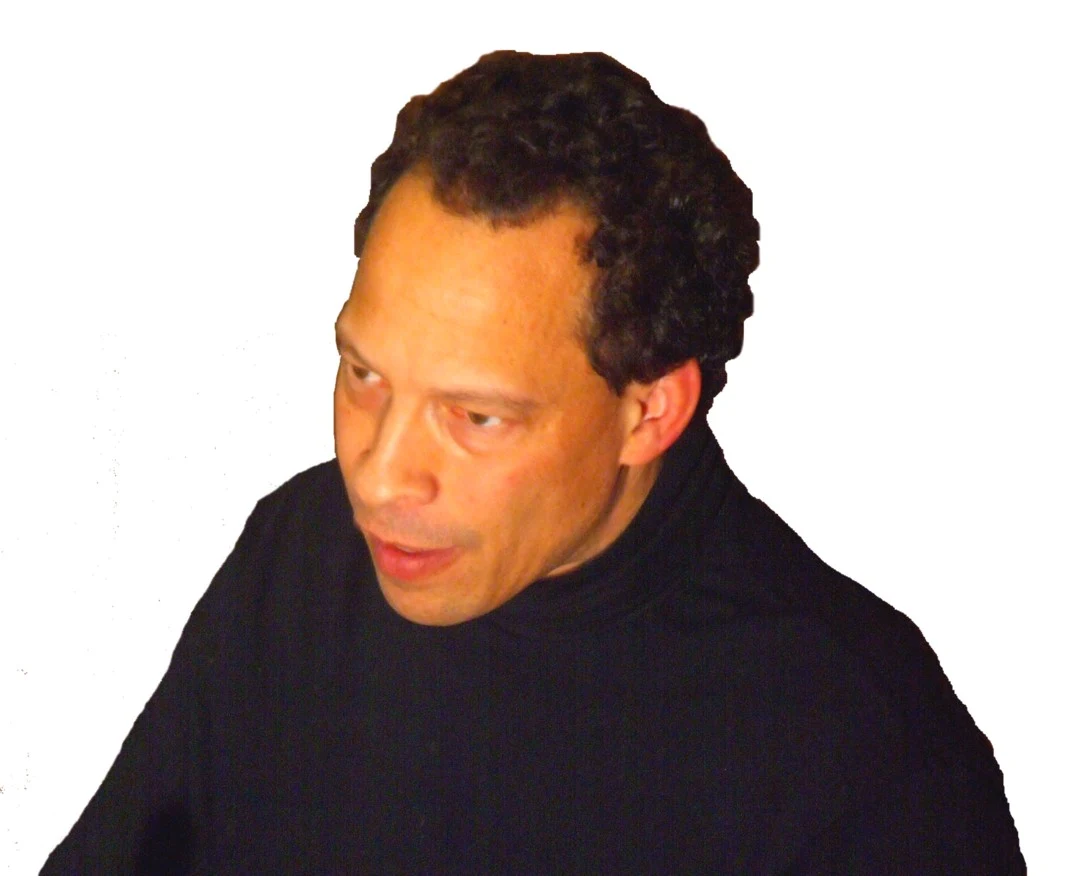
1957–
Lawrence Hill
Novelist, essayist and creative-writing teacherA Canadian writer whose novels, memoir and essays connect Black history, displacement and the search for home, alongside teaching and work supporting readers.Read biographyQuick answers
Common questions
- Is The Book of Negroes a true story?
- The novel is historical fiction. Its narrator Aminata Diallo is invented, while the 1783 register and the broader migrations it draws on are historical.
- Is Someone Knows My Name a different book?
- It is an alternative publication title for Hill’s novel, not a sequel.
- Were all people in the historical register free?
- No. Archival guidance explains that travellers had different legal situations, including some who remained enslaved.
- Did the television series come before the novel?
- No. The novel appeared in 2007; the six-part adaptation aired in 2015.
Primary and institutional sources
How this history was checked
The author’s synopsis and original interviews establish the novel’s design; archival institutions establish the register and its limits. Prize records and a contemporaneous university lecture report establish reception and adaptation. This is an introductory researched guide, not a claim to have read every manuscript, archival entry or edition or watched the complete series. No novel extract, cover art or screen still is reproduced; the 2008 author photo is illustrative. This article was reviewed on 23 October 2026.
- Lawrence HillThe Book of Negroes: author’s novel synopsis and publication context
- Lawrence HillAuthor biography: family, education, reporting and bibliography
- Jessie Sagawa / Studies in Canadian Literature, University of New BrunswickProjecting History Honestly: original interview recorded 23 October 2007, published 2008
- Maranda Moses / Mosaic MagazineOriginal Lawrence Hill interview, 17 June 2009: titles, displacement and the Commonwealth prize
- Katelynn Northam / Dalhousie UniversityIn conversation with Lawrence Hill, 17 September 2010
- Marie Visca / Dalhousie UniversityFrom manuscript to miniseries: report of Hill’s 2015 lecture and adaptation discussion
- Writers’ Trust of CanadaLawrence Hill: 2007 Rogers Writers’ Trust Fiction Prize winner
- Dalhousie UniversityLawrence Hill: 2014 honorary-degree citation, including 2009 Canada Reads
- Library and Archives CanadaBook of Negroes, 1783: register, legal status and access to records
- The National Archives, United KingdomThe Book of Negroes: historical record and the limits of the evacuation’s promise of freedom
- Joshua Sherurcij / Wikimedia CommonsLawrence Hill.JPG: own-work photograph and explicit attribution-only commercial-use grant