
The short answer
The People’s Budget asked who should pay for an expanding set of national commitments. Its social purpose, controversial taxes and rejection by the Lords belong together, but they are different questions. The immediate Finance Bill became law in April 1910; the subsequent reform of the Lords’ powers came in 1911.
Connected but separate decisions
A Budget was not the whole welfare or constitutional programme
Different laws addressed benefits, revenue and parliamentary power.
| Measure | Immediate purpose | Date distinction |
|---|---|---|
| Old-age pensions legislation | Established a pension entitlement subject to its rules. | Passed in 1908, before the People’s Budget. |
| People’s Budget / Finance Act | Raised revenue through a package of taxes. | Introduced in 1909; royal assent on 29 April 1910. |
| Parliament Act | Restricted the Lords’ ability to block specified bills. | Became law in 1911, after the Budget had passed. |
Chronology
A timeline of the turning points
Old-age pensions became a statutory commitment
Lloyd George carried forward Asquith’s pensions legislation after becoming chancellor.
The new Budget was introduced
Lloyd George presented revenue proposals and a wider case for social reform.
The Commons passed third reading
The lengthy legislative struggle reached the end of its Commons stages.
The Lords rejected the measure
Rejection of a Budget challenged established parliamentary precedent.
A general election intervened
The dispute over finance and parliamentary authority was put to the electorate.
The Finance Act received royal assent
The delayed 1909–1910 measure became law before the Parliament Act.
A separate constitutional settlement followed
The Parliament Act restricted the Lords’ powers over specified bills.
What spending commitments made new revenue necessary?
Lloyd George’s Budget addressed the cost of existing commitments as well as ambitions for a broader social programme. Old-age pensions required substantial revenue: Parliament’s history identifies a request to raise £7 million for the coming year. Naval expansion also formed part of the financial pressures. The Budget’s political language connected national resources with the prevention of poverty rather than treating taxation as a purely technical annual exercise.
The chronology matters. Pensions legislation had already passed in 1908, while the National Insurance Act would follow in 1911. The Budget did not create both systems on the day of its introduction. It sought money and political support within a longer reform programme. Separating the revenue measure from the benefits legislation makes clear what MPs were being asked to approve at each stage.
The proposals spread taxation across income, inheritance and property
The programme increased income taxation for the better off, with relief at lower income levels, and introduced a super-tax for high incomes. Higher death duties extended the contribution expected from inherited wealth. These measures expressed a progressive principle: people with greater resources should meet a larger share of the state’s financial demands.
The package also included tobacco and licensing duties, a petrol tax and motor-car licences. Proposed taxes on land attracted the fiercest resistance, particularly from landowning interests. It was therefore a mixture of taxes rather than a single levy on aristocrats. The distribution of its costs explains why arguments concerned economic behaviour, ownership and social priorities as well as whether the Treasury’s totals would balance.
Opposition challenged the programme as well as individual tax rates
The parliamentary debate extended beyond the immediate financial year. Responding on 29 April, Austen Chamberlain argued that Lloyd George had outlined a programme involving several ministers and potentially several Parliaments. He asked for information and time to examine the proposals. His response is contemporary evidence of the scale opponents perceived, rather than a neutral verdict on the Budget’s likely results.
Lloyd George’s surviving Budget notes, catalogued by Parliamentary Archives, refer to land tax, petrol duty and estate duty. The catalogue helps connect the famous speech with specific instruments. It also guards against treating the political slogan as a complete account of a complicated measure. Revenue design and the larger rhetoric of social change worked together, but neither can substitute for the other.
The Lords’ rejection changed the arena of the dispute
The Commons passed third reading on 25 November 1909; the Lords rejected the Finance Bill five days later. A conflict over taxes became a conflict over whether an unelected chamber should obstruct the elected government’s Budget. This went against parliamentary precedent and brought financial supply into a wider contest over the relationship between the Houses.
After the January 1910 election, the delayed measure received royal assent on 29 April. It did not wait for the Parliament Act of 1911. A second election in 1910 and further negotiations concerned the continuing constitutional question. The Budget’s passage and the Lords’ later loss of an indefinite veto were connected outcomes, reached through different legislation at different times.
Continue the chronology
Related history guides
Biography context
Explore United Kingdom through connected lives
Connected biographies
Read two Liberal approaches to the Treasury and reform
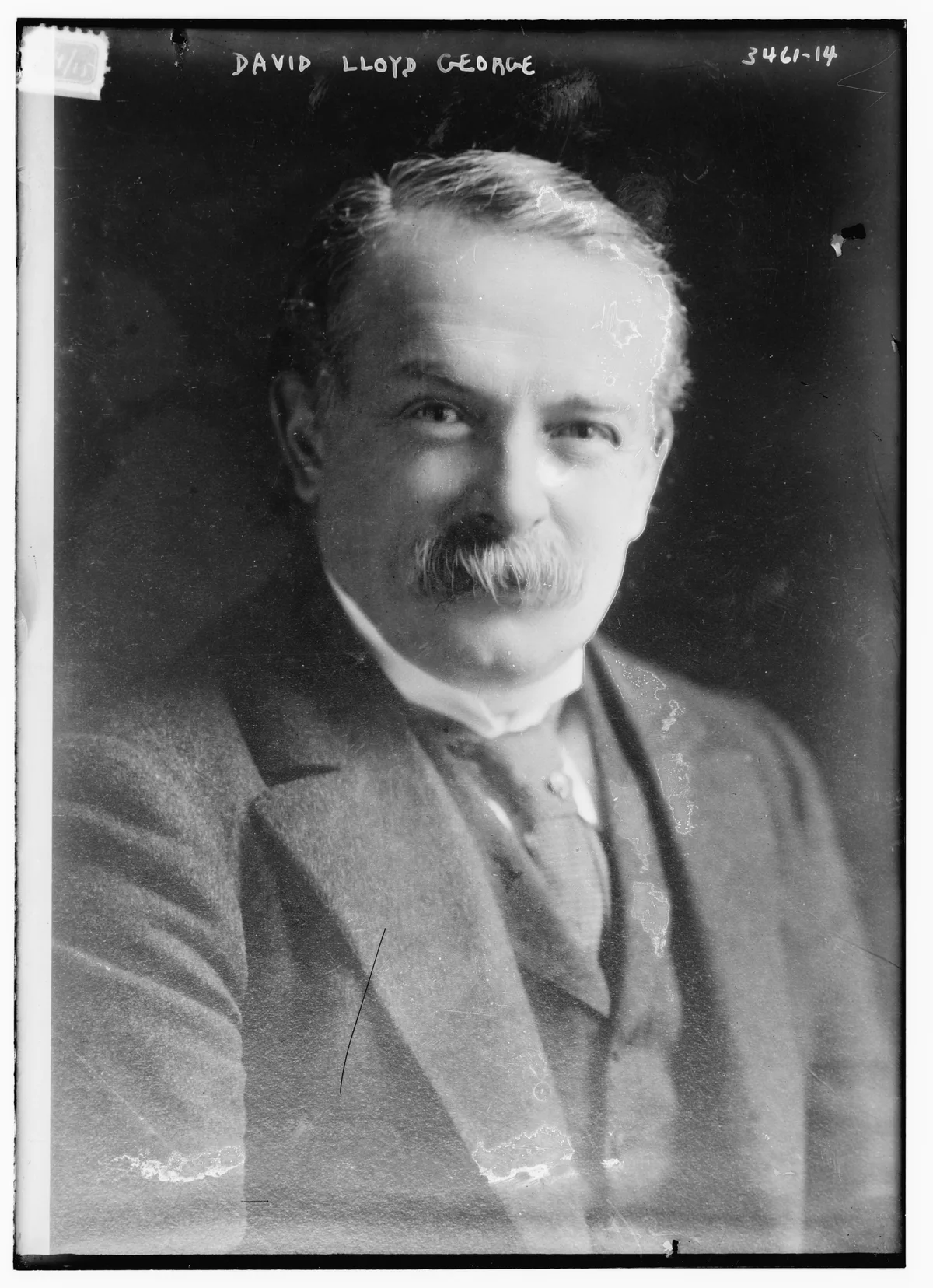
1863–1945
David Lloyd George
Welsh Liberal politician and British prime ministerDavid Lloyd George was a Welsh Liberal politician who served as British prime minister from 1916 to 1922. His career connected Welsh radicalism, pre-war social insurance, wartime mobilisation and a post-war coalition whose collapse deepened the Liberal Party’s divisions.Read biography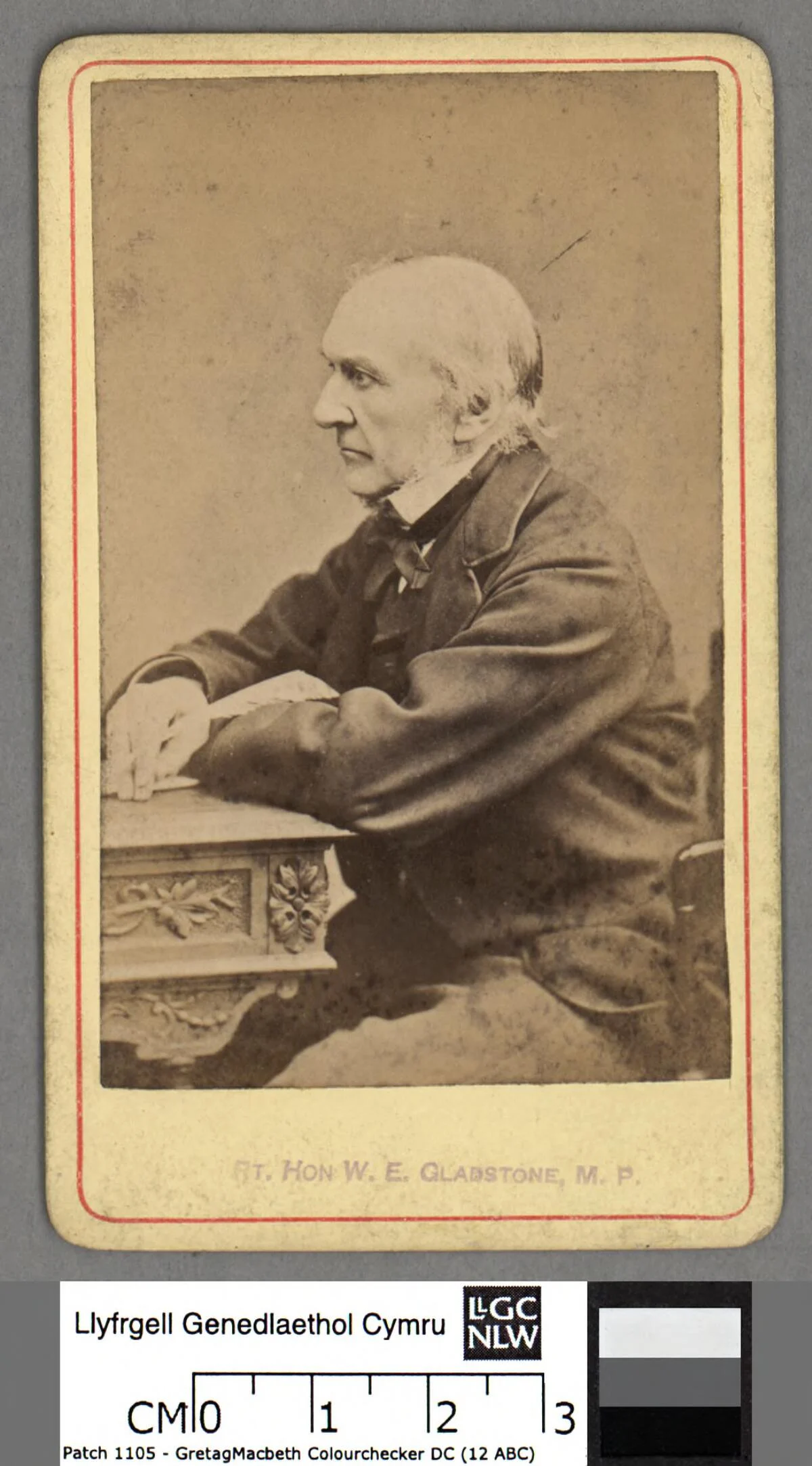
1809–1898
William Ewart Gladstone
British prime minister, Liberal leader and chancellorWilliam Ewart Gladstone was British prime minister four times between 1868 and 1894. Beginning as a Tory, he became a leading Victorian Liberal, served repeatedly as chancellor and pursued reforms of government, education and representation before dividing his party over Irish Home Rule.Read biographyQuick answers
Common questions
- Why was it called the People’s Budget?
- The name reflected the argument that taxation should finance social protection and place a larger burden on people with greater income and wealth.
- Did it tax only landowners?
- No. Land taxation was especially controversial, but the package included income tax, super-tax, death duties, tobacco and licensing duties, petrol tax and motor-car licences.
- When did the People’s Budget become law?
- The Finance (1909–1910) Act received royal assent on 29 April 1910, a year after the Budget speech and before the Parliament Act of 1911.
Primary and institutional sources
How this history was checked
Parliament’s tax history and collection records establish proposals and dates. The opening of Chamberlain’s response was read as an opponent’s contemporary argument, not as an assessment endorsed here. The Budget-notes catalogue was read; the entire manuscript and every Budget speech are not claimed as inspected. The original Finance Act record corrects the government biography’s compressed chronology. The portrait is contextual. This article was reviewed on 23 October 2026.
- UK Prime Minister’s OfficeDavid Lloyd George: birth, death and premiership
- National Library of WalesThe People’s Budget and the Welfare State
- UK Parliament, Parliamentary ArchivesFinance Act 1910: royal assent on 29 April
- Library of Congress / Wikimedia CommonsDavid Lloyd George, LCCN2014698950: complete photograph and rights
- Creative CommonsPublic Domain Mark 1.0
- UK ParliamentNew directions, new taxes: pensions and the 1909 tax proposals
- UK ParliamentMr Balfour’s poodle? The 1909 Budget and Lords rejection
- UK Parliament, Parliamentary ArchivesLloyd George’s Budget Notes, LG/C/26/1/2
- UK Parliament, Historic HansardAusten Chamberlain’s response to the chancellor, 29 April 1909
- UK ParliamentThe Parliament Acts: the two elections and constitutional sequence