
The short answer
The novel’s emotional force is inseparable from its disturbing actions and indirect storytelling. Keep the two Catherines and the two generations distinct. Plot developments, including the ending, appear in marked spoiler sections.
Chronology
A timeline of the turning points
Ellis Bell in print
Emily contributed to the sisters’ shared poetry book.
A shared publication
Wuthering Heights appeared with Anne’s Agnes Grey in three volumes.
Emily’s death
The author died at Haworth on 19 December.
A posthumous edition
Charlotte’s notice and preface defended the separate authorship and shaped Emily’s reputation.
First identify who is telling whom
The book opens in 1801 with Lockwood, a new tenant of Thrushcross Grange, calling on his landlord Heathcliff. His confidence about their supposed similarity is immediately questionable. He misreads people and relationships at Wuthering Heights. This uneasy arrival supplies a useful warning: a narrator can be observant without understanding what he sees.
Much of the earlier story reaches him through the servant Nelly Dean. She has moved between households and participated in events; she is not an invisible recording device. Letters and reported conversations add further layers. Ask who witnessed a scene, who repeats it and what judgement accompanies its retelling. These questions matter as much as the intensity of a memorable declaration.
Catherine Earnshaw’s decision is also about position
The earlier history begins with Mr Earnshaw bringing the child Heathcliff into his household. After Earnshaw’s death, Hindley subjects him to labour and humiliation. Catherine grows close to Heathcliff but also encounters the Lintons’ different material and social world at Thrushcross Grange. Neither house offers a simple moral opposite to the other.
In the conversation reported in chapter 9, Catherine explains her intention to marry Edgar Linton while describing a profound attachment to Heathcliff. Heathcliff hears her say that marriage to him would lower her status and leaves before the remainder. Partial listening becomes an event with consequences. The scene joins feeling to hierarchy and shows how access to only part of a story can redirect a life.
Sources for this section: [5]
Spoilers: injury does not excuse the exercise of power
Heathcliff returns with resources whose acquisition the novel does not fully explain. His later position lets him act upon the households that once excluded or humiliated him. Isabella’s marriage to him and Hareton’s upbringing make the costs of that power concrete. Readers need not deny the wrongs done to a child in order to judge the adult’s cruelty.
The younger Catherine, daughter of Catherine Earnshaw and Edgar, belongs to the second generation. Heathcliff confines her and Nelly to secure her marriage to his son Linton while Edgar is dying. Love-language here accompanies threats and control over movement, time and inheritance. Calling the whole novel an ideal romance conceals these acts and the vulnerable people who must live with their consequences.
Spoilers: the younger generation tries another relationship
The younger Catherine and Hareton initially repeat habits of contempt and injury. Literacy becomes one point at which their relationship can change. Near the end, Lockwood sees her helping Hareton read. The scene does not erase the history of deprivation; it makes a different use of knowledge imaginable, through attention and exchange rather than humiliation.
Their planned future offers a contrast with Heathcliff’s possessive project, but the closing movement does not supply a single authoritative verdict on the dead. Reports of haunting coexist with Lockwood’s response to the graves. One reading sees a break in repeated violence; another asks how much uncertainty survives that hopeful arrangement. The narrative gives reasons to discuss both without turning supernatural rumour into documented fact.
Sources for this section: [5]
The 1850 defence is a later interpretation too
Charlotte Brontë’s posthumous notice and preface defended Emily’s authorship and explained her to an audience unsettled by the book. That intervention helped establish the familiar picture of a secluded, unworldly genius. The St Andrews collection essay asks readers to recognise how strongly the sister’s account has governed Emily’s afterlife.
Use that account beside the novel, not as a key that unlocks every character. The contrasting houses, repeated names, shifting testimony and younger generation are crafted structures. Following them preserves the work’s difficulty and prevents a famous image of Heathcliff and Catherine from replacing the actual sequence. Strong attachment is one of the novel’s forces; it is never a reliable guarantee of just conduct.
Continue the chronology
Related history guides
Biography context
Explore United Kingdom through connected lives
Connected biographies
Distinct writers in the Brontë family
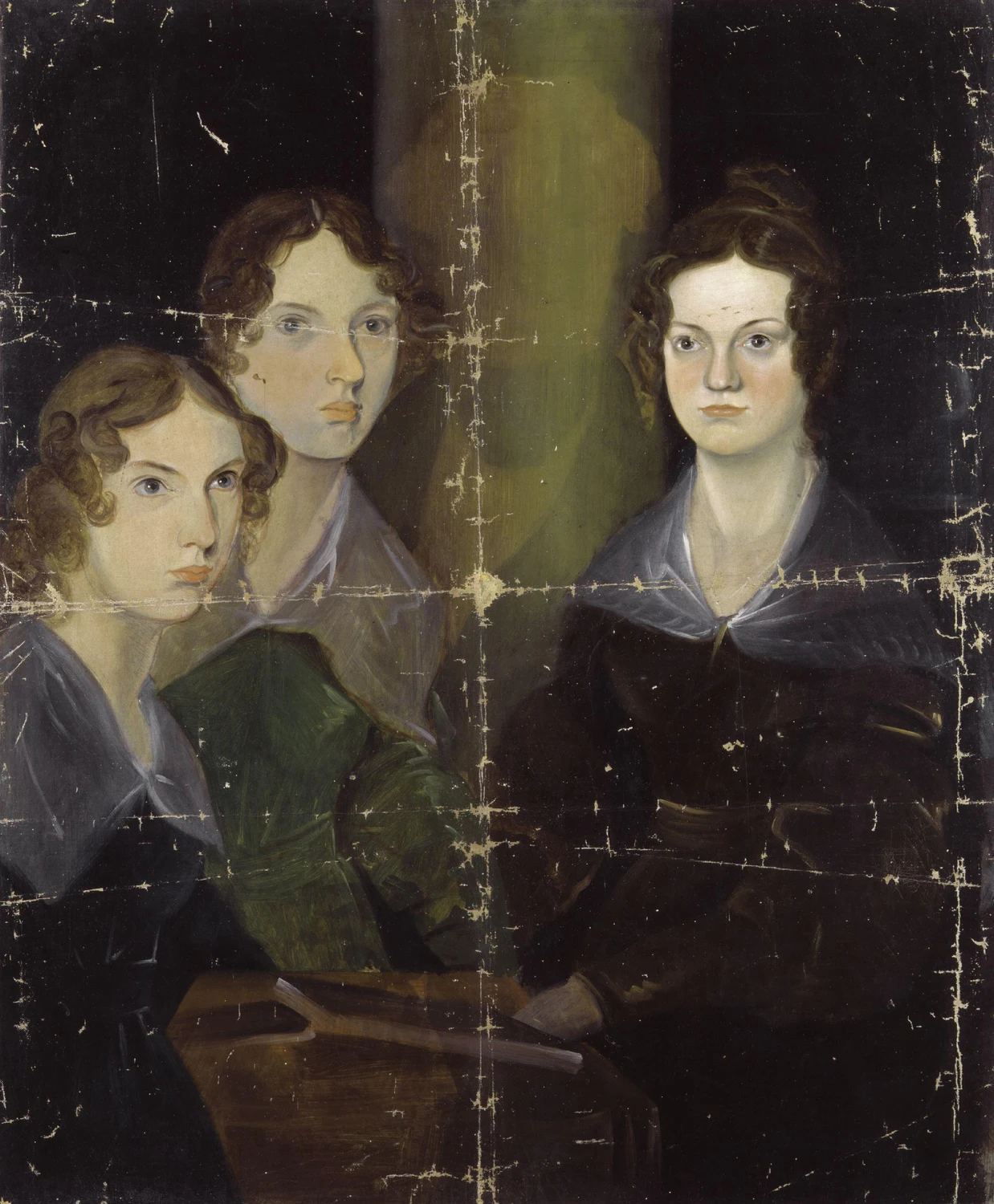
1818–1848
Emily Brontë
Novelist and poetEmily Brontë was an English poet and novelist whose Wuthering Heights made an unsettling, intricately narrated drama of belonging, property and revenge.Read biography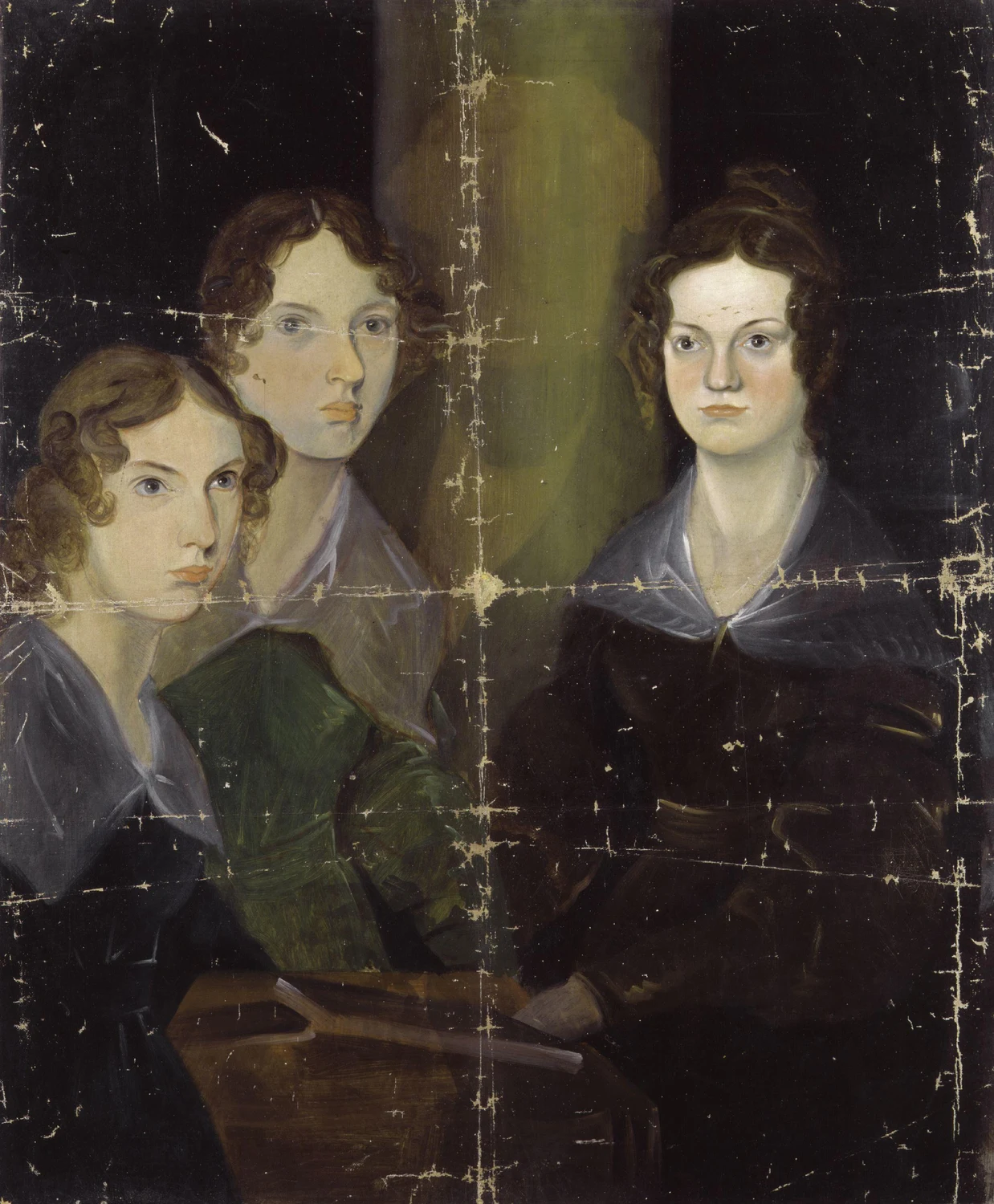
1816–1855
Charlotte Brontë
Novelist and poetCharlotte Brontë was an English novelist and poet whose forceful narrators made education, work, desire and women’s claims to respect central subjects of Victorian fiction.Read biographyQuick answers
Common questions
- Who are the two Catherines?
- Catherine Earnshaw, who marries Edgar Linton, and their daughter Catherine are different people in successive generations. Keeping them distinct is essential to the later plot.
- Does Nelly Dean tell the whole novel?
- No. Lockwood supplies the outer account and receives much of the earlier history from Nelly. Other testimony, including letters and reported speech, adds further layers.
- Does the novel endorse Heathcliff’s behaviour as romantic?
- His attachment to Catherine is intense, but the plot also shows his coercion and cruelty. A reading that treats every action as justified by love neglects much of the novel.
Primary and institutional sources
How this history was checked
Read the opening and selected chapter 9, confinement, literacy and closing passages in the linked transcription, alongside the British Library account, Charlotte’s 1850 notice and St Andrews’s reception discussion. This is not a claim to have reviewed every chapter, every early review or an 1847–1850 textual collation. Character judgements are literary readings, not diagnoses of Emily or her invented people. This article was reviewed on 23 October 2026.
- Academy of American PoetsEmily Brontë: family, education, poetry and novel
- Poetry FoundationEmily Brontë: selected indexed passages on manuscripts and Gondal poetry
- University of St AndrewsEmily Brontë at 200: the 1850 edition and Charlotte’s influential portrait
- Charlotte Brontë / Project Gutenberg1850 Biographical Notice and editor’s preface: a sister’s retrospective account
- Emily Brontë / Project GutenbergWuthering Heights: selected opening, confession, coercion and closing passages
- British LibraryWuthering Heights: publication, multiple narrators and early reception
- Branwell Brontë / Wikimedia CommonsComplete original group portrait, public-domain basis and sole original upload
- Wikimedia CommonsOriginal full group JPEG
- Wikimedia CommonsSeparate 2009 digital restoration record, examined to exclude that derivative
- National Portrait Gallery / Richard OrmondNPG 1725: selected indexed extended catalogue text and historical paint changes
- Morgan Library & Museum / Christine NelsonThe Professor: indexed introduction and publication-history passages