
The short answer
Gabungan Rakyat Sabah began as the PN–BN–PBS umbrella that won the 2020 state election, registered as a coalition in 2022 and became centred on Hajiji Noor’s Gagasan Rakyat. It won the largest 2025 bloc with 29 seats but required partners to govern; further exits and UPKO’s 2026 entry changed its current six-party structure.
Membership changes
How the GRS coalition changed from 2020 to 2026
Election cooperation, legal membership and government support are different categories. This table dates each snapshot instead of projecting today’s structure backward.
| Snapshot | Structure | Election or legal status | Outcome |
|---|---|---|---|
| September 2020 | PN, BN and PBS election umbrella | Loose electoral alliance using several labels | 38 elected seats; Hajiji formed government |
| March 2022 | Narrower formal coalition | Registration approved by RoS | GRS gained its own legal identity |
| November 2024 | Eight local component parties | Official pre-election membership statement | Gagasan Rakyat served as the anchor |
| November 2025 election | GRS after STAR and SAPP exits | 55 candidates under the GRS label | 29 seats; largest bloc without a majority |
| 4 October 2026 | Gagasan, PBS, LDP, PCS, Harapan Rakyat and UPKO | Active registered coalition; six dated components | Leads state government and supports federal government |
Chronology
A timeline of the turning points
GRS is announced for the Sabah election
PN, BN and PBS entered a common opposition umbrella against the Warisan-led state government.
The GRS-aligned parties win 38 elected seats
PN won 17, BN 14 and PBS seven, giving the alliance the 37 seats needed for a simple majority.
Hajiji Noor becomes chief minister
The Sulaman assemblyman was sworn in to lead the new state government.
GRS becomes a registered coalition
The Registrar of Societies approved a formal entity separate from the loose 2020 election umbrella.
Sabah Bersatu leaders leave and Gagasan Rakyat becomes the anchor
Hajiji and allied assembly members moved into a locally based party while retaining the GRS government.
Hajiji survives a state political crisis
Support from PH assembly members and other allies kept the chief minister in office after Sabah BN withdrew backing.
STAR and SAPP leave GRS
The parties chose to contest the coming election under their own symbols after a dispute over electoral cooperation.
GRS wins 29 of 73 elected seats
It became the largest bloc but fell eight seats short of the 37 required for a majority on its own.
Hajiji begins a second term
The state governor appointed him chief minister after post-election support was assembled.
USNO leaves the coalition
GRS publicly identified five remaining components after another membership change.
UPKO is admitted to GRS
The supreme council approved the application in June and the coalition publicly welcomed UPKO in August.
What is Gabungan Rakyat Sabah?
Gabungan Rakyat Sabah means Sabah People’s Coalition and is commonly abbreviated GRS. It began as an election alliance in 2020 and later became a registered Sabah political coalition.
GRS is led by Chief Minister Hajiji Noor. Its central claim is that Sabah-based parties should lead the state while maintaining a workable relationship with the federal government.
The name has described two related but different structures: the broad PN–BN–PBS umbrella used at the 2020 election and the formal coalition registered in 2022. An accurate history must not treat every 2020 ally as a permanent component.
How did GRS win power in 2020?
GRS was announced during the campaign for the snap Sabah election. It brought together candidates from Perikatan Nasional, Barisan Nasional and Parti Bersatu Sabah against the Warisan-led administration.
The Election Commission recorded 17 seats for PN, 14 for BN and seven for PBS. Their combined 38 elected seats passed the 37-seat simple-majority threshold in the 73-member elected chamber.
Hajiji, then Sabah Bersatu leader, became chief minister. The result created a government under a shared alliance name even though candidates had contested through several different party and coalition labels.
Why did GRS register as a formal coalition?
A loose campaign arrangement depends heavily on negotiations among its leaders. Formal registration created a constitution, common organisation and legal identity that could outlast a single state election.
The Registrar of Societies approved GRS on 11 March 2022. The registered structure was narrower than the entire 2020 electoral front, which had included BN as an allied bloc rather than a permanent GRS component.
Registration did not end fluidity. Sabah politicians and parties continued to change affiliation, and the coalition later admitted additional local organisations while losing others.
How did Gagasan Rakyat become the anchor party?
After GE15, Hajiji and other Sabah leaders left Bersatu. They subsequently joined and led Parti Gagasan Rakyat Sabah, moving the coalition’s core away from a peninsula-based party.
The transition gave GRS a clearer local anchor but coincided with a January 2023 attempt to change the state government. Sabah BN withdrew support from Hajiji, while PH assembly members and other allies backed him and kept the administration in office.
The episode shows that party membership and confidence in a chief minister answer different questions. A coalition can change internally while a government survives through support from members outside its formal component list.
What happened at the 2025 Sabah election?
GRS entered the election after STAR and SAPP had left to contest separately. It fielded 55 candidates under its own label and won 29 seats, the largest total in a highly fragmented result.
Warisan won 25, BN six, independents five and UPKO three; STAR won two, while PH, PN and KDM won one each. No party or coalition reached the 37 elected seats required for a majority by itself.
Hajiji assembled sufficient post-election support and was appointed chief minister again on 30 November. The official gazette establishes the appointment; the result itself establishes only that GRS was the largest bloc, not that it held a standalone majority.
Which parties are in GRS in 2026?
Membership changed on both sides of the 2025 election. STAR and SAPP left in October 2025, and USNO left in April 2026. At that point GRS publicly comprised Gagasan Rakyat, PBS, LDP, Parti Cinta Sabah and Parti Harapan Rakyat Sabah.
The GRS Supreme Council approved UPKO’s admission on 8 June 2026, and Hajiji welcomed the party publicly in August. On that dated basis, the six components are Gagasan Rakyat, PBS, LDP, PCS, Harapan Rakyat and UPKO.
The Registrar of Societies search listed GRS as active immediately before this article’s review. Because Sabah alignments change frequently, this membership statement is explicitly dated 4 October 2026 rather than presented as permanent.
How does GRS work with the federal government?
GRS supported the federal government formed after GE15 and retained representation in the cabinet. Cooperation gives the state administration access to federal negotiation while GRS preserves a separate Sabah identity.
Support for Anwar’s administration does not make GRS a PH component. The Sabah government after the 2025 election also includes parties and individuals whose electoral labels were outside GRS, making the government bloc wider than the registered coalition.
This distinction helps explain apparently contradictory headlines. A party can support Hajiji’s government without joining GRS, and GRS can support the federal government without surrendering its own registration or candidate label.
Why is Sabah politics more fragmented than Sarawak politics?
Sabah has several parties competing to represent local autonomy, regional identity and distinct communities. Leaders and elected members have also moved between national and state-based organisations more frequently than in neighbouring Sarawak.
ISEAS analysis described the 2025 GRS result as defensive rather than a GPS-style consolidation. GRS won 29 of the 55 seats it contested, but Warisan recorded a slightly larger statewide vote share and no bloc achieved broad dominance across constituency types.
The comparison should not be reduced to instability alone. Fragmentation also reflects Sabah’s varied regional and ethnic bases, candidate-centred contests and continuing debate over whether state interests are best advanced through confrontation, autonomy or cooperation with federal leaders.
Continue the chronology
Related history guides
STAR Sabah: History and Elections
Follow the founding GRS component from its six-seat 2020 contribution to its 2025 exit.
Read the timeline1994–presentUPKO Sabah: History and Elections
Trace the PDS–UPKO lineage and the party’s route from BN and PH into GRS.
Read the timeline2016–presentParti Warisan Sabah: History and Elections
Compare GRS with the single regional party that governed before it and remains its main rival.
Read the timeline29 November–1 December 2025The 2025 Sabah State Election
See the full 29–25 result, popular vote, fragmentation and formation of Hajiji’s second government.
Read the timeline26–29 September 2020The 2020 Sabah State Election
See the complete result, campaign alignment and pandemic context behind GRS’s first government.
Read the timeline9–12 May 2018The 2018 Sabah State Election
Start with the transition that broke BN dominance and preceded Sabah’s GRS-era realignment.
Read the timeline1985–presentParti Bersatu Sabah: History and Leaders
Trace the longest-established current GRS component from Pairin to Joachim.
Read the timelineFebruary–March 1994The 1994 Sabah Political Crisis
Compare today’s coalition changes with the election and defections that ended PBS rule.
Read the timeline2018–presentGabungan Parti Sarawak: History and Parties
Compare GRS with Sarawak’s more consolidated four-party coalition.
Read the timeline1952–presentMalaysia’s Political Parties Explained
Place GRS beside BN, PH, PN and GPS.
Read the timeline19 November 2022Malaysia’s 2022 General Election
Follow the federal result after which GRS supported the unity government.
Read the timeline16 September 1963The Formation of Malaysia
Read the federal history behind current Sabah autonomy debates.
Read the timeline1955–presentHow Malaysia’s Elections Work
Understand why the largest bloc may still need partners to form government.
Read the timelineBiography context
Explore Sabah, Malaysia through connected lives
Chief Ministers of Sabah
Place Hajiji’s administration in the complete state leadership chronology.
Explore the biographiesRegional archiveInfluential People from Sabah
Browse political, cultural, business and sporting lives connected to the state.
Explore the biographiesCountry archiveExplore Malaysia
Continue through the people, institutions and elections shaping the federation.
Explore the biographiesConnected biographies
Thirteen leaders across Sabah’s regional and coalition politics
1955—
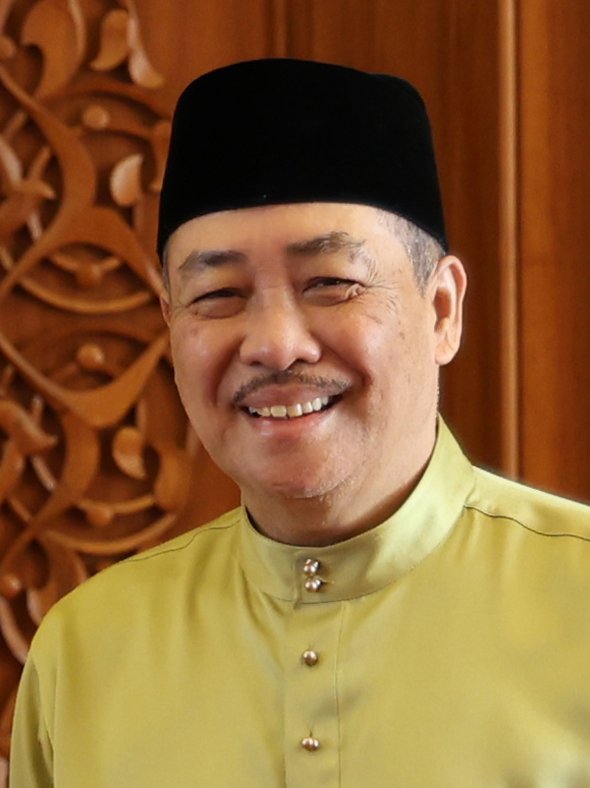
Hajiji Noor
Chief Minister of Sabah and Chairman of Gabungan Rakyat SabahThe long-serving Sulaman assemblyman who became Sabah chief minister in 2020 and won a second term at the 2025 state election.Read biography
1956—
Shafie Apdal
President of Parti Warisan and Member of Parliament for SempornaThe Semporna parliamentarian, former federal minister and Warisan founder who led Sabah from 2018 until the 2020 state election.Read biography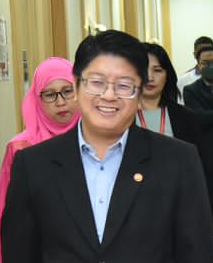
1983—
Ewon Benedick
Deputy Chief Minister of Sabah and President of UPKOThe Penampang MP and Kadamaian assemblyman who leads UPKO and became Sabah’s Deputy Chief Minister III after the 2025 state election.Read biography
1948—
Jeffrey Kitingan
President of STAR and Member of Parliament for KeningauThe Keningau MP, Tambunan assemblyman and STAR founder whose long career centres on Sabah autonomy, MA63 and Indigenous political representation.Read biography1958—
Joachim Gunsalam
Deputy Chief Minister of Sabah and President of PBSThe physician and six-term Kundasang assemblyman who rose through PBS, entered Sabah’s senior cabinet and became the party’s third president.Read biography
1950—
Masidi Manjun
Deputy Chief Minister and Finance Minister of SabahThe lawyer and former public administrator who has represented Karanaan since 2004 and now serves as Sabah’s Deputy Chief Minister II and finance minister.Read biography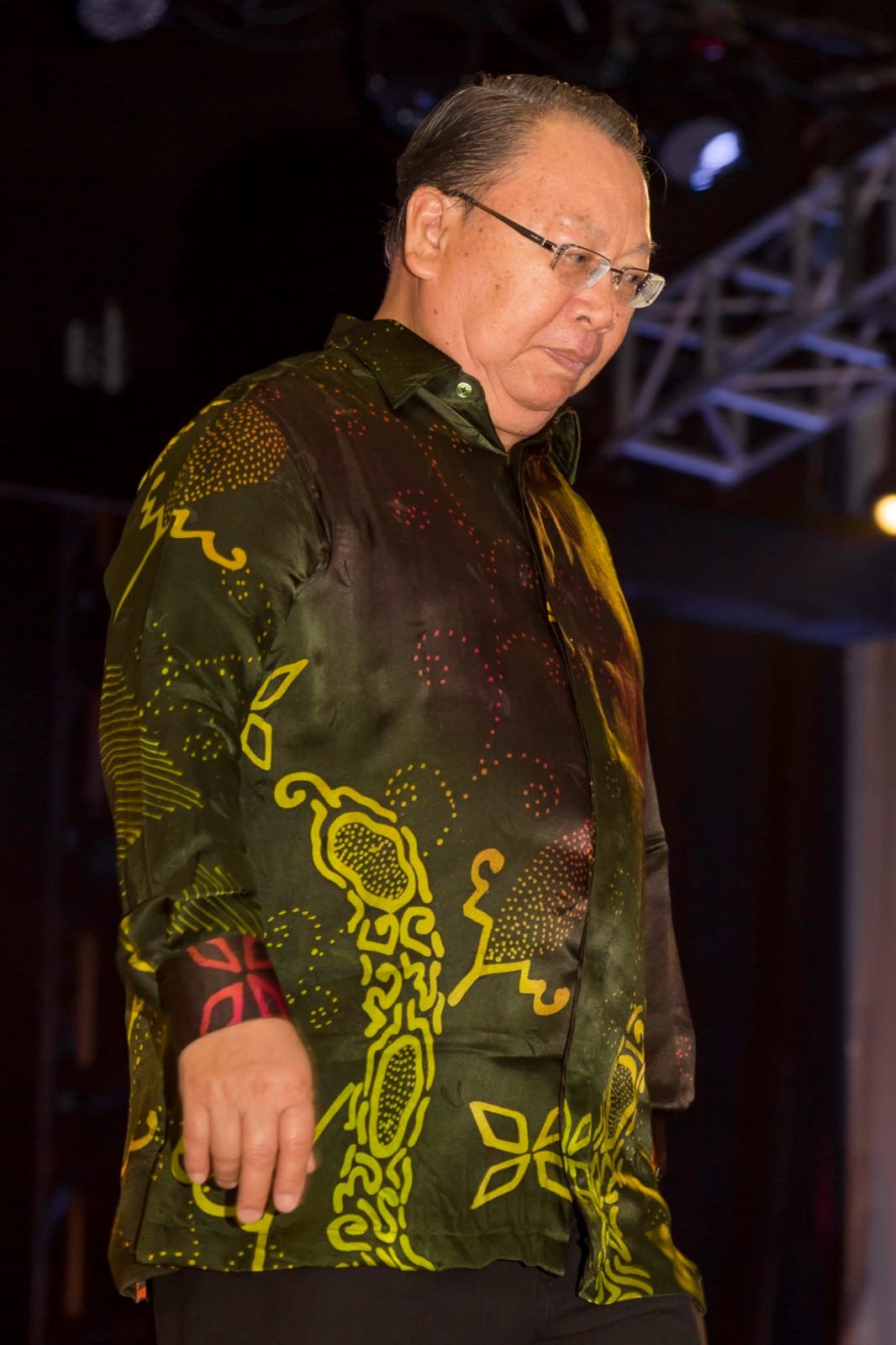
1940—
Joseph Pairin Kitingan
Founder of PBS and former Chief Minister of SabahThe lawyer and Kadazandusun leader who founded PBS, led four consecutive state-election victories and served as Sabah’s chief minister for nearly nine years.Read biography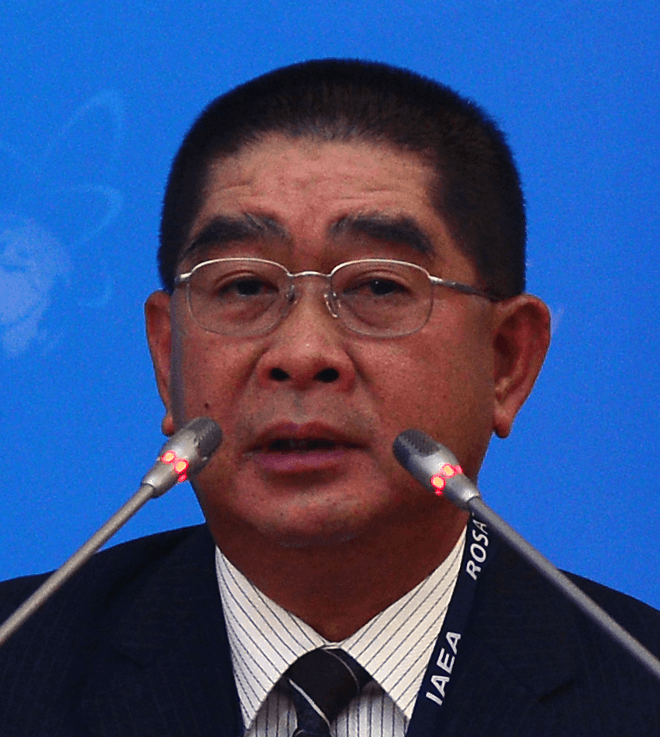
1953—
Maximus Ongkili
Chairman of the Energy Commission of Sabah and former PBS PresidentThe researcher-turned-politician who represented Sabah in Parliament for twenty-seven years, led several federal ministries and became PBS’s second president.Read biography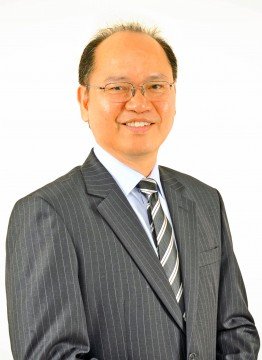
1958—
Wilfred Madius Tangau
Member of Parliament for Tuaran and Assemblyman for TamparuliThe forester and development researcher who became a long-serving Tuaran MP, led UPKO and won a second elected mandate in Tamparuli in 2025.Read biography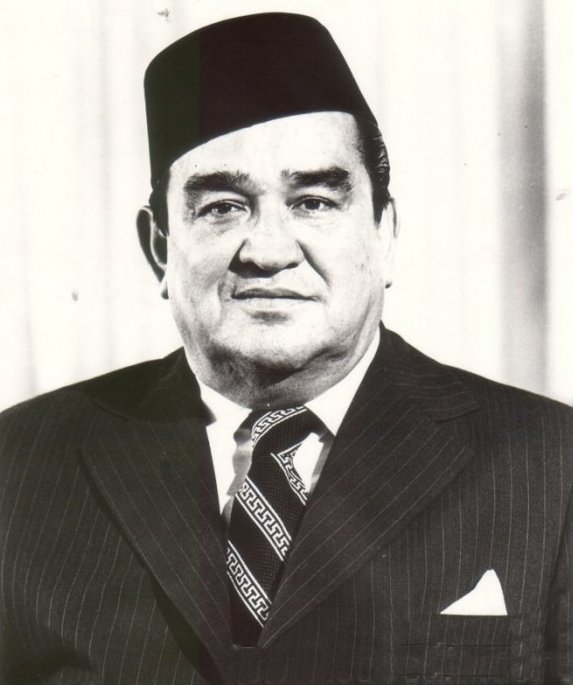
1920—1976
Fuad Stephens
First Chief Minister of SabahThe journalist and political leader who helped negotiate Sabah’s place in Malaysia, became the state’s first chief minister and later returned to the office in 1976.Read biography
1918—1995
Datu Mustapha Datu Harun
First Yang di-Pertua Negeri of SabahA Sabah formation-era leader who became the state’s first head of state, later served as chief minister and expanded education through the Sabah Foundation.Read biography1953—
James Wong Chye Fook
Football forward for Malaysia and SabahThe Sabah striker known as King James, whose late winner against Korea Republic completed one of the most celebrated nights in Malaysian football.Read biography1958—
Yong Teck Lee
President of the Sabah Progressive PartyThe lawyer and former PBS deputy leader who founded SAPP in 1994, led Sabah from 1996 to 1998 and later returned as a nominated assemblyman.Read biographyQuick answers
Common questions
- What does GRS stand for?
- GRS stands for Gabungan Rakyat Sabah, translated as Sabah People’s Coalition.
- When was GRS formed?
- It was announced as an election alliance on 12 September 2020 and became a formally registered coalition on 11 March 2022.
- Who leads GRS?
- Sabah Chief Minister Hajiji Noor is the coalition chairman at the 4 October 2026 review date.
- Which parties are in GRS in 2026?
- The dated six-party structure is Gagasan Rakyat, PBS, LDP, PCS, Parti Harapan Rakyat Sabah and UPKO.
- Are STAR and SAPP still in GRS?
- No. Both left in October 2025 and contested the November state election outside the coalition.
- When did UPKO join GRS?
- The GRS Supreme Council approved UPKO’s admission on 8 June 2026, and the entry was publicly welcomed in August.
- How many seats did GRS win in 2025?
- The Election Commission recorded 29 GRS victories among the 73 elected Sabah state seats.
- Did GRS win a majority on its own in 2025?
- No. A simple majority required 37 elected seats. Hajiji formed a government with support beyond GRS and was appointed for a second term.
- Is GRS part of Pakatan Harapan?
- No. It supports the federal unity government and cooperates with PH, but remains a separate registered Sabah coalition.
- What is the difference between GRS and GPS?
- GRS is based in Sabah and has experienced frequent membership changes; GPS is a four-party Sarawak coalition with a much larger state majority.
Primary and institutional sources
How this history was checked
Election Commission, gazette and Registrar records establish legal and electoral facts; Sabah government statements establish dated membership changes; ISEAS research supplies attributed analysis of the 2025 result. This article was reviewed on 4 October 2026.
- Election Commission of MalaysiaFull Results of the 16th Sabah State Election, 2020
- BERNAMARegistrar of Societies Approves GRS Registration
- Office of the Chief Minister of SabahGRS Component Parties Before the 2025 Election
- Election Commission of MalaysiaFull Results of the 17th Sabah State Election, 2025
- Sabah State GazetteAppointment of Hajiji Noor as Chief Minister, 30 November 2025
- ISEAS – Yusof Ishak InstituteThe 2025 Sabah State Election: Regional Consolidation or Fragmentation?
- Malay MailGRS Component Structure After the USNO Exit
- Office of the Chief Minister of SabahUPKO Entry Into GRS Approved and Welcomed
- Registrar of Societies MalaysiaActive Registration Record for Parti Gabungan Rakyat Sabah
- Wikimedia CommonsHajiji Noor Portrait and Public-Domain Record