
The short answer
Indonesia declared independence on 17 August 1945. The declaration created the republic’s founding claim, while four years of revolution and negotiation were required before the Netherlands transferred sovereignty in December 1949. The two dates mark different stages of the same struggle.
Chronology
A timeline of the turning points
Japan announces its surrender
Japan’s capitulation created an immediate political opening. Indonesian youth activists pressed Sukarno and Mohammad Hatta to declare independence without waiting for Japanese-sponsored institutions.
The Rengasdengklok episode accelerates the decision
Youth activists took Sukarno and Hatta outside Jakarta to push for a prompt declaration. After their return, the proclamation text was drafted at Rear Admiral Tadashi Maeda’s residence.
Sukarno and Hatta proclaim independence
At 10 a.m. in Jakarta, Sukarno read the short proclamation signed by himself and Hatta “on behalf of the Indonesian nation.” Indonesia marks this date as its independence day.
The republic receives a constitutional structure
The Preparatory Committee adopted the 1945 Constitution and selected Sukarno as president and Hatta as vice president, turning the declaration into an emerging state framework.
Allied arrival produces armed confrontation
British-led forces arrived to accept the Japanese surrender and release prisoners while Dutch authority sought to return. Fighting spread, and the Battle of Surabaya became a defining episode of resistance.
The Linggadjati Agreement is reached
The Netherlands recognised the republic’s de facto authority over Java, Madura and Sumatra, while both sides envisaged a federal United States of Indonesia and a Netherlands–Indonesian union.
The first Dutch military offensive begins
The Netherlands launched what it called a “police action.” The conflict moved more firmly onto the United Nations agenda and international mediation followed.
The Renville Agreement sets another ceasefire
Negotiated aboard the USS Renville under UN auspices, the agreement stopped fighting temporarily but left the republic territorially and politically constrained.
Dutch forces capture Yogyakarta
A second offensive occupied the republican capital and detained Sukarno, Hatta and other leaders. Guerrilla resistance continued while international pressure on the Netherlands increased.
The Roem–Van Roijen statements reopen negotiations
Republican representatives agreed to support a ceasefire and attend a conference after the government returned to Yogyakarta; the Netherlands agreed to restore the republican administration.
The Round Table Conference reaches a settlement
Negotiations in The Hague produced arrangements for the transfer of sovereignty to a federal Indonesian state, while the status of West New Guinea was left unresolved.
The Netherlands transfers sovereignty
Sovereignty passed to the United States of Indonesia. For the Indonesian republic, this was international recognition of a state already proclaimed in 1945—not a replacement for the 17 August founding date.
A unitary republic is restored and joins the UN
The federal structure was replaced by the unitary Republic of Indonesia on the fifth anniversary of the proclamation. Indonesia became the United Nations’ sixtieth member on 28 September.
When did Indonesia become independent?
Indonesia dates its independence to 17 August 1945, when Sukarno and Mohammad Hatta proclaimed the republic after Japan’s surrender. The state, its public commemorations and the United Nations all treat that proclamation as the foundational date.
The Netherlands did not accept the declaration at the time. Four years of armed revolution, negotiation and international mediation ended with a formal transfer of sovereignty on 27 December 1949. The two dates therefore describe different moments: Indonesia’s declaration and founding claim in 1945, and Dutch recognition and transfer in 1949.
How the proclamation was written and announced
The Japanese surrender divided nationalist leaders over timing. Younger activists feared that delay would make independence appear to be a Japanese grant. Sukarno and Hatta were taken to Rengasdengklok on 16 August, then returned to Jakarta after assurances that a declaration would proceed quickly.
Sukarno drafted the text with contributions from Hatta and Ahmad Soebardjo at Maeda’s residence. Sayuti Melik typed the final version, and Sukarni proposed that Sukarno and Hatta sign for the nation. The next morning Sukarno read it at his home at 56 Pegangsaan Timur. Its brevity left the new republic to build institutions while simultaneously defending its existence.
From declaration to revolutionary war
The proclamation did not give the republic uncontested control of the archipelago. Japanese forces were still present, Allied troops arrived to manage surrender and repatriation, and Dutch civil and military authorities attempted to restore colonial rule. Indonesian groups acquired arms, organised local administrations and fought to hold the new state together.
Violence involved republican forces, Dutch and Allied units, local militias and civilians. The period also included attacks on Dutch, Indo-European, Chinese and other civilians during the chaotic Bersiap phase. A responsible account has to recognise both anticolonial struggle and the civilians harmed amid collapsing authority, communal tension and war.
Diplomacy, federalism and United Nations pressure
Negotiation repeatedly alternated with military action. Linggadjati offered limited Dutch recognition and a federal plan, while Renville established another fragile ceasefire. Each settlement was interpreted differently, and neither prevented renewed conflict.
The Dutch offensives brought the dispute before the United Nations. After republican leaders were detained in December 1948, the Security Council pressed for their return to Yogyakarta and renewed negotiation. The Roem–Van Roijen understandings made participation in a final conference possible, and the UN Commission for Indonesia helped supervise the process.
Why sovereignty was transferred to a federal state
The 1949 settlement created the United States of Indonesia, combining the Republic with federal states promoted or organised under Dutch authority. Republican leaders accepted the arrangement as the available route to internationally recognised sovereignty, even though many nationalists preferred a unitary state.
The federation proved brief. Its constituent states joined the republic, and on 17 August 1950 Indonesia adopted a unitary structure. West New Guinea was excluded from the 1949 transfer and remained disputed until an internationally supervised process brought it under Indonesian administration in the 1960s.
Recognition, memory and the meaning of 17 August
For decades, Dutch official language centred 27 December 1949. In 2023 the Dutch government stated that it fully and unreservedly recognised that Indonesia became independent on 17 August 1945. That acknowledgement aligned the former colonial power’s language more closely with Indonesia’s own constitutional and public memory.
The distinction still matters because words can reproduce a colonial viewpoint. Saying that Indonesia was simply “granted” independence in 1949 erases the 1945 declaration, republican government and revolution. Saying only that independence arrived instantly in 1945 can obscure four years of war and the difficult path to international recognition.
Why the independence era matters to later biographies
Sukarno and Hatta became symbols of a joint proclamation but followed different political paths. Sukarno remained president and increasingly concentrated authority; Hatta resigned the vice presidency in 1956 and became associated with constitutionalism, cooperatives and criticism of Guided Democracy.
The institutions built under revolutionary pressure shaped every later presidency. Debates over presidential power, military authority, federalism, regional autonomy, national unity and the interpretation of Pancasila all carry arguments first sharpened between 1945 and 1949.
Continue the chronology
Related history guides
Indonesian Presidents
Continue from the founding presidency through the New Order, Reformasi and direct elections.
Read the timeline1965—1998Indonesia’s New Order Era
Trace the transfer of power from Sukarno to Suharto and the institutions built over the next three decades.
Read the timeline1997—2004Reformasi and Democratic Transition
Follow the crisis, protest movement and constitutional changes that ended the New Order system.
Read the timelineTwo neighboursMalaysia–Indonesia Shared Histories
Compare independence leadership, Konfrontasi, regional reconciliation and cultural exchange.
Read the timelineConnected biographies
Three biographies connecting proclamation, revolutionary leadership and the later transfer of power
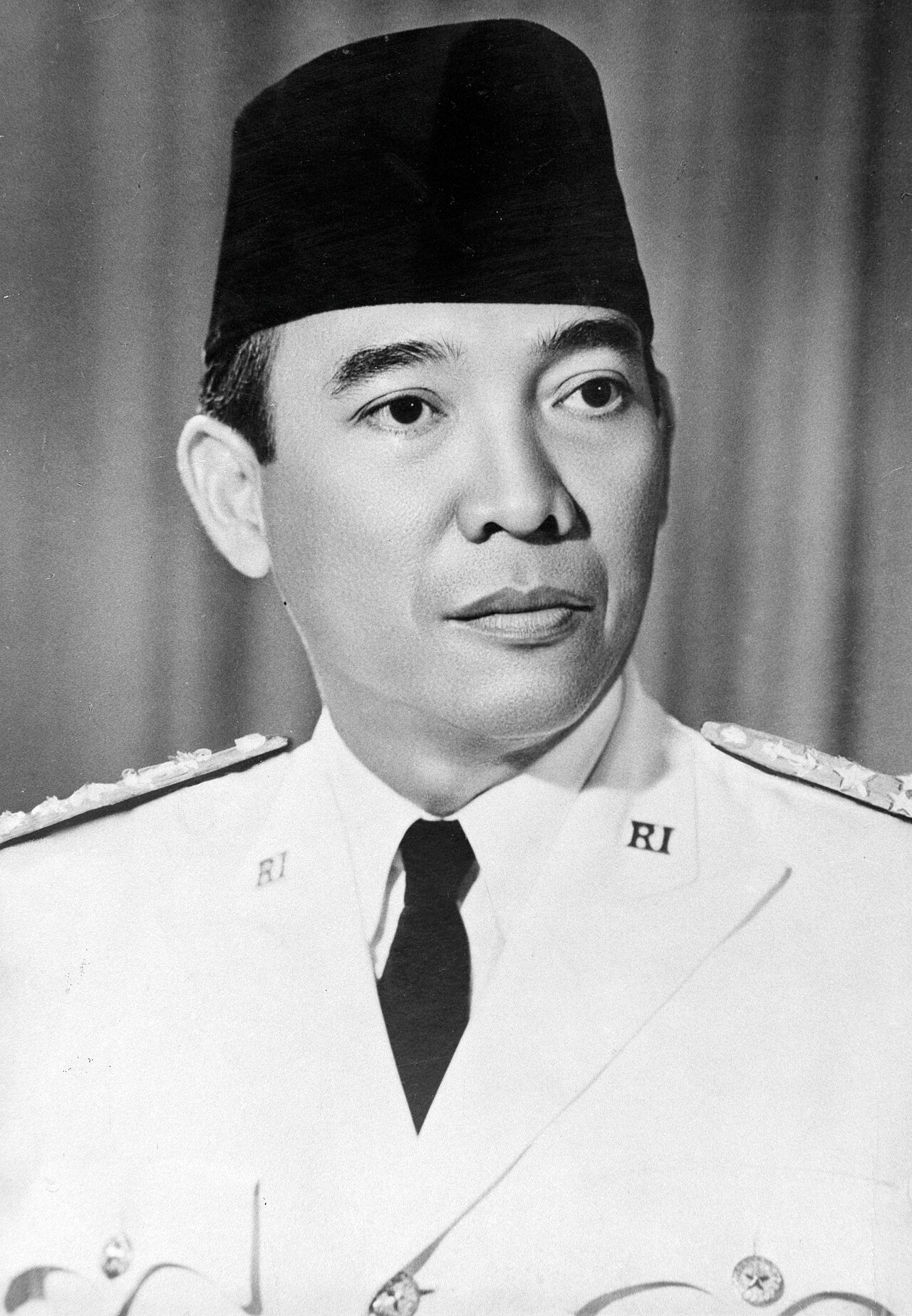 Indonesia · Politics
1901—1970
Sukarno
First President of IndonesiaAn independence leader, orator and Indonesia’s first president, who helped unite a vast archipelago around a new republic.Read biography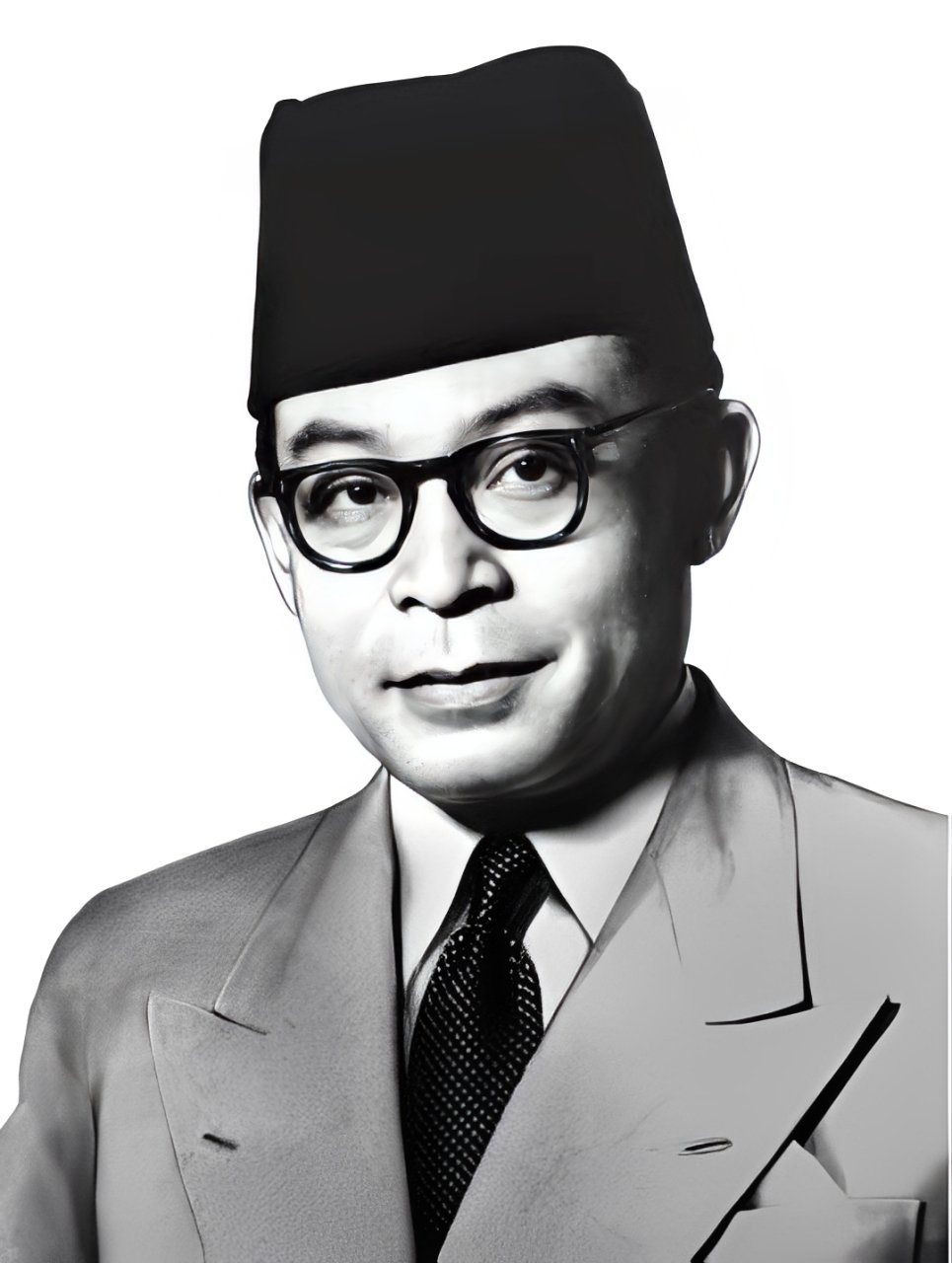 Indonesia · Politics
1902—1980
Mohammad Hatta
First Vice President of IndonesiaAn economist, independence leader and Indonesia’s first vice president, remembered as a co-proclaimer of the republic and an advocate of cooperatives.Read biography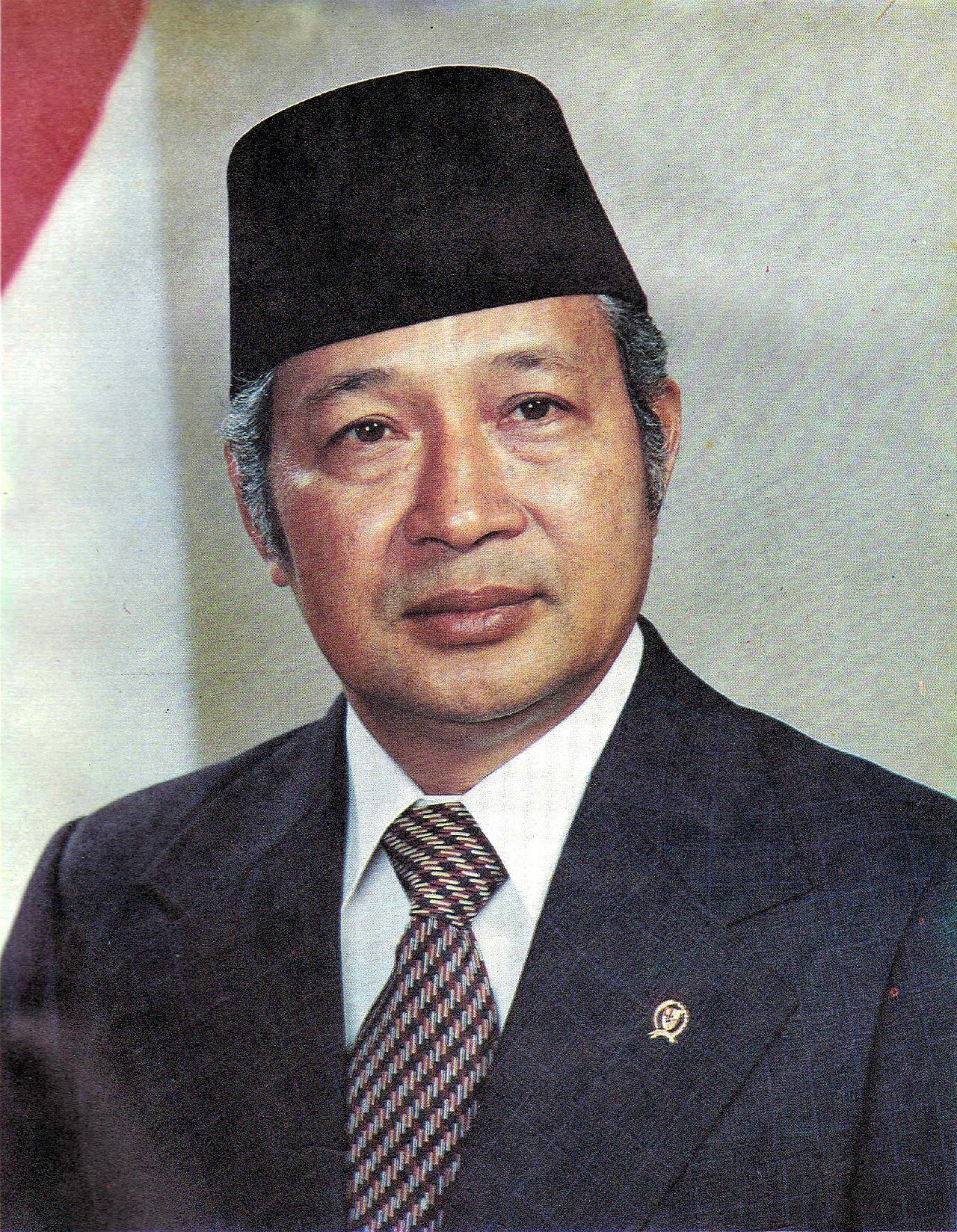 Indonesia · Politics
1921—2008
Suharto
Second President of IndonesiaThe army general who displaced Sukarno and led Indonesia’s New Order from 1967 to 1998, combining economic growth with authoritarian rule.Read biographyQuick answers
Common questions
- When is Indonesian Independence Day?
- Indonesia celebrates Independence Day on 17 August, marking Sukarno and Mohammad Hatta’s proclamation of independence in Jakarta on 17 August 1945.
- Who proclaimed Indonesian independence?
- Sukarno read the proclamation, which was signed by Sukarno and Mohammad Hatta on behalf of the Indonesian nation. The two are remembered as Indonesia’s Proclaimers of Independence.
- Why are both 1945 and 1949 associated with Indonesian independence?
- The republic proclaimed independence in 1945. The Netherlands rejected that claim and transferred sovereignty only on 27 December 1949 after four years of revolution, diplomacy and international pressure.
- What was the Indonesian National Revolution?
- It was the armed and diplomatic struggle from 1945 to 1949 in which the Indonesian republic resisted the restoration of Dutch colonial authority and sought international recognition.
- When did Indonesia join the United Nations?
- Indonesia was unanimously admitted as the United Nations’ sixtieth member on 28 September 1950, five years after the proclamation of independence.
Primary and institutional sources
How this history was checked
Dates, legal milestones and historical claims are checked against the official and institutional records below. This article was reviewed on 8 September 2026.
- State Secretariat of the Republic of IndonesiaThe Moments of the Proclamation, 17 August 1945
- State Secretariat of the Republic of Indonesia75th Anniversary Virtual Presidential Archive Exhibition
- National Archives of the NetherlandsTransfer of Sovereignty to Indonesia, 1949
- U.S. Department of State, Office of the HistorianForeign Relations of the United States: The Indonesian Question, 1949
- United NationsThe United Nations in Indonesia: Membership and Milestones
- United NationsYearbook of the United Nations, 1950: Admission of Indonesia