
The short answer
Thailand’s second election of 1992 converted the political defeat of Black May into a civilian government. The Democrats won only 79 of 360 seats, but Chuan Leekpai united five pro-democracy parties behind a 207-seat coalition and a stronger norm that the premier should emerge from the elected House.
Election results
The leading parties in the September 1992 House
No party came close to a majority, but the Democrats led a coalition of groups associated with opposition to Suchinda.
| Political party | Seats | Change from March | Coalition position |
|---|---|---|---|
| Democrat Party | 79 | +35 | Governing coalition |
| Chart Thai Party | 77 | +3 | Opposition |
| Chart Pattana Party | 60 | New | Opposition |
| New Aspiration Party | 51 | −21 | Governing coalition |
| Palang Dharma Party | 47 | +6 | Governing coalition |
Chronology
A timeline of the turning points
Black May breaks the military-backed order
Troops attacked demonstrations against unelected prime minister Suchinda Kraprayoon.
Suchinda resigns
Coalition and public pressure ended the coup leader’s forty-seven-day premiership.
An elected-premier rule is adopted
A constitutional amendment required future prime ministers to hold an elected House seat.
Anand returns as interim premier
The respected civilian formed a caretaker government to stabilise the transition.
The House is dissolved
Anand called a second election after the pro-military coalition lost authority.
Thailand votes again
Sixteen parties fielded more than 2,400 candidates for the 360-seat House.
The Democrats become the largest party
Chuan’s party won 79 seats, two more than Chart Thai and nineteen more than Chart Pattana.
Chuan becomes prime minister
The elected Democrat leader assembled a five-party coalition with 207 seats.
A coalition cabinet is announced
Technocrats entered key posts alongside representatives of the allied parties.
The coalition era produces another election
A partner’s withdrawal over a land-reform controversy ended Chuan’s first government.
Why did Thailand vote twice in 1992?
The March election returned a House majority for parties aligned with the 1991 coup makers. Their decision to install army commander Suchinda Kraprayoon as prime minister without his standing for election produced a nationwide legitimacy crisis. Military force against demonstrators during Black May made the arrangement politically unsustainable.
After Suchinda resigned, parliament amended the constitution to require the premier to be an elected MP. Anand Panyarachun returned as interim prime minister and dissolved the House on 29 June. The September vote was therefore not a routine repeat contest: it was the electoral settlement of the May confrontation.
What did Anand’s interim government change?
Anand’s cabinet reduced the immediate role of the military in government and prepared the election under the new premier rule. The army chief publicly pledged to respect the result. Those commitments mattered because the same command structure had backed the February 1991 coup and enforced the May crackdown.
The transition still operated under the 1991 Constitution and an appointed Senate. It did not remove the military from Thai politics. It did, however, narrow the route to executive office and give the September House result a clearer relationship to who would govern.
What were the September 1992 results?
The Democrat Party won 79 of 360 seats, up 35 from March. Chart Thai followed with 77, while the new Chart Pattana Party won 60. New Aspiration fell to 51, Palang Dharma increased to 47 and Social Action took 22. Eleven parties entered parliament, so coalition bargaining remained unavoidable.
The IPU estimated turnout at 62 per cent. Its archive does not provide a precise voter total for this contest, and an estimate should not be presented as an exact count. The important comparison is political: the parties identified with the pro-democracy side gained enough seats to assemble a working majority.
How did Chuan form a 207-seat coalition?
Chuan combined the Democrats with New Aspiration, Palang Dharma, Social Action and Solidarity. Together they held 207 seats, twenty-six above the majority threshold. The coalition united parties that had opposed Suchinda, but it did not erase ideological, factional or leadership differences among them.
Chuan became prime minister on 20 September and announced his cabinet nine days later. The appointment was significant because an elected civilian party leader, rather than a serving or recently retired coup commander, now derived his claim directly from the House result.
Did the election end military influence?
No. The military retained institutional autonomy, the Senate remained appointed and senior officers continued to shape security policy. The IPU described the transition as a clear break from decades of military control, but that phrase is best read as a change in the immediate route to government—not as a permanent removal of military power.
Later coups in 2006 and 2014 demonstrate the limit. What September 1992 established was a stronger norm: a prime minister should win an elected seat and command the House. That expectation raised the political cost of openly installing a coup leader after an election.
Why did Chuan’s first government fall in 1995?
The five-party alliance was a democratic coalition, but it was also a negotiated distribution of cabinet power. Disputes over appointments, policy and alleged corruption persisted. A controversy over land allocated through an agricultural reform programme became the decisive rupture when Palang Dharma withdrew in May 1995.
Chuan dissolved the House before a no-confidence vote. In the July election, the Democrats increased their seats but finished behind Banharn Silpa-archa’s Chart Thai. The transfer showed both the achievement and fragility of the 1992 settlement: governments now changed through elections, yet fragmented coalitions remained short-lived.
How did September 1992 shape later reform?
Black May and the second election strengthened campaigns for cleaner elections, accountable ministers, enforceable rights and institutions independent of cabinet patronage. Chuan’s government created a Democracy Development Committee, while later governments carried forward the constitutional process.
The resulting 1997 Constitution introduced an elected Senate, a mixed electoral system, stronger rights and new oversight bodies. Those reforms sought to preserve the legitimacy achieved in 1992 while reducing the coalition instability and money politics that the September result did not solve.
Continue the chronology
Related history guides
The March 1992 Thai General Election
Begin with the vote and unelected premiership that created the crisis.
Read the timeline17–20 May 1992Black May 1992
Read the protest, killings and political rupture behind the second election.
Read the timeline2 July 1995The 1995 Thai General Election
Continue to the coalition collapse and Banharn’s seven-party government.
Read the timeline11 October 1997The 1997 Constitution of Thailand
See how the reform movement tried to institutionalise the democratic opening.
Read the timeline1932–presentPrime Ministers of Thailand
Compare Chuan’s first coalition with other paths to the premiership.
Read the timelineConnected biographies
Six biographies connecting Black May, the caretaker transition, coalition government and later reform
 Thailand · Politics
1938—
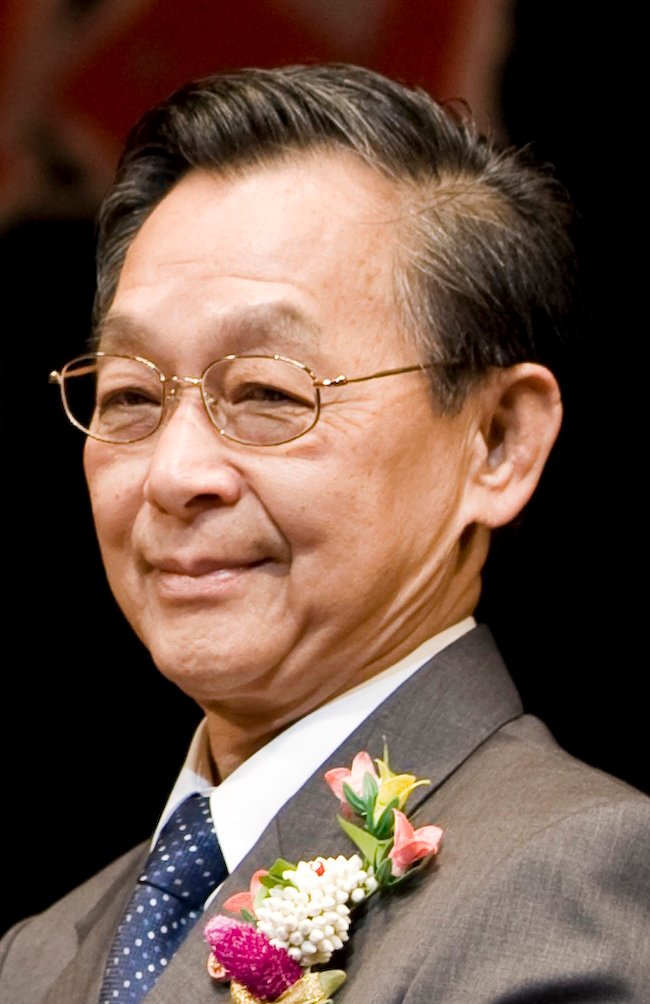
Chuan Leekpai
20th Prime Minister of Thailand, 1992–1995 and 1997–2001The lawyer and veteran parliamentarian who led Thailand after the 1992 democratic transition and returned during the Asian financial crisis.Read biography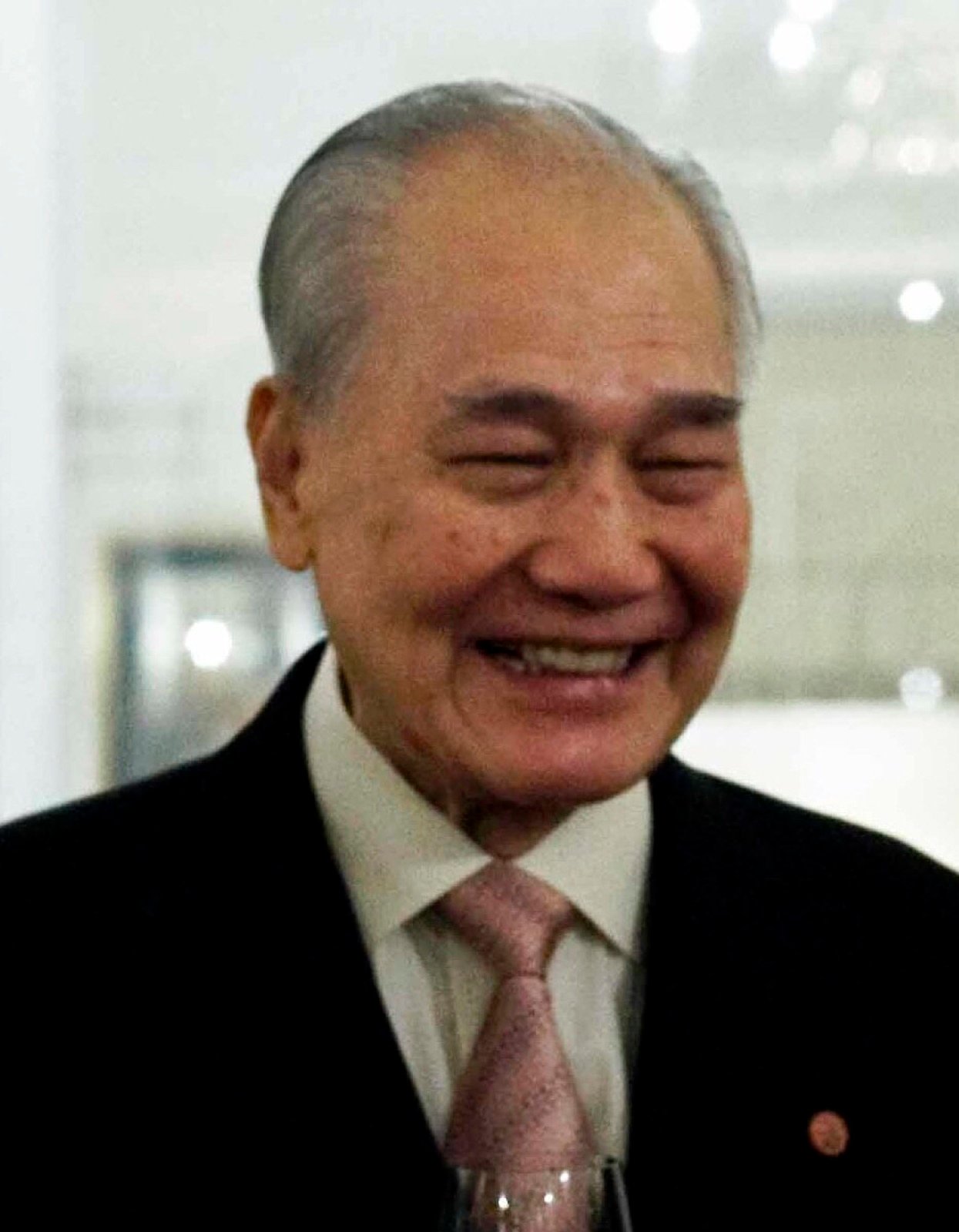 Thailand · Politics
1932—
Anand Panyarachun
Diplomat, business executive and former prime ministerA career diplomat and business leader who headed two appointed governments in 1991 and 1992 and later chaired major national and United Nations reform work.Read biography Thailand · Politics
1932—
Chavalit Yongchaiyudh
Retired general and former prime ministerA former army commander who entered electoral politics, formed the New Aspiration Party and served as prime minister as the baht crisis became a regional financial shock.Read biography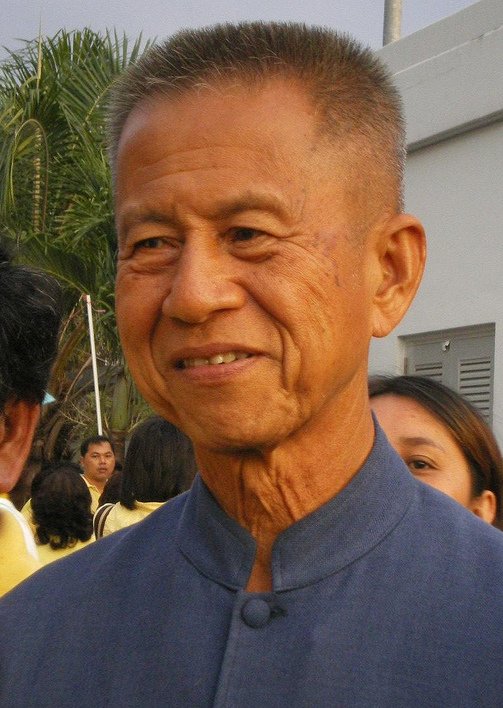 Thailand · Politics
1935—
Chamlong Srimuang
Former Bangkok governor, party leader and democracy activistThe former general and Bangkok governor whose austere public-service image, Palang Dharma movement and Black May leadership made him a major democratic campaigner.Read biography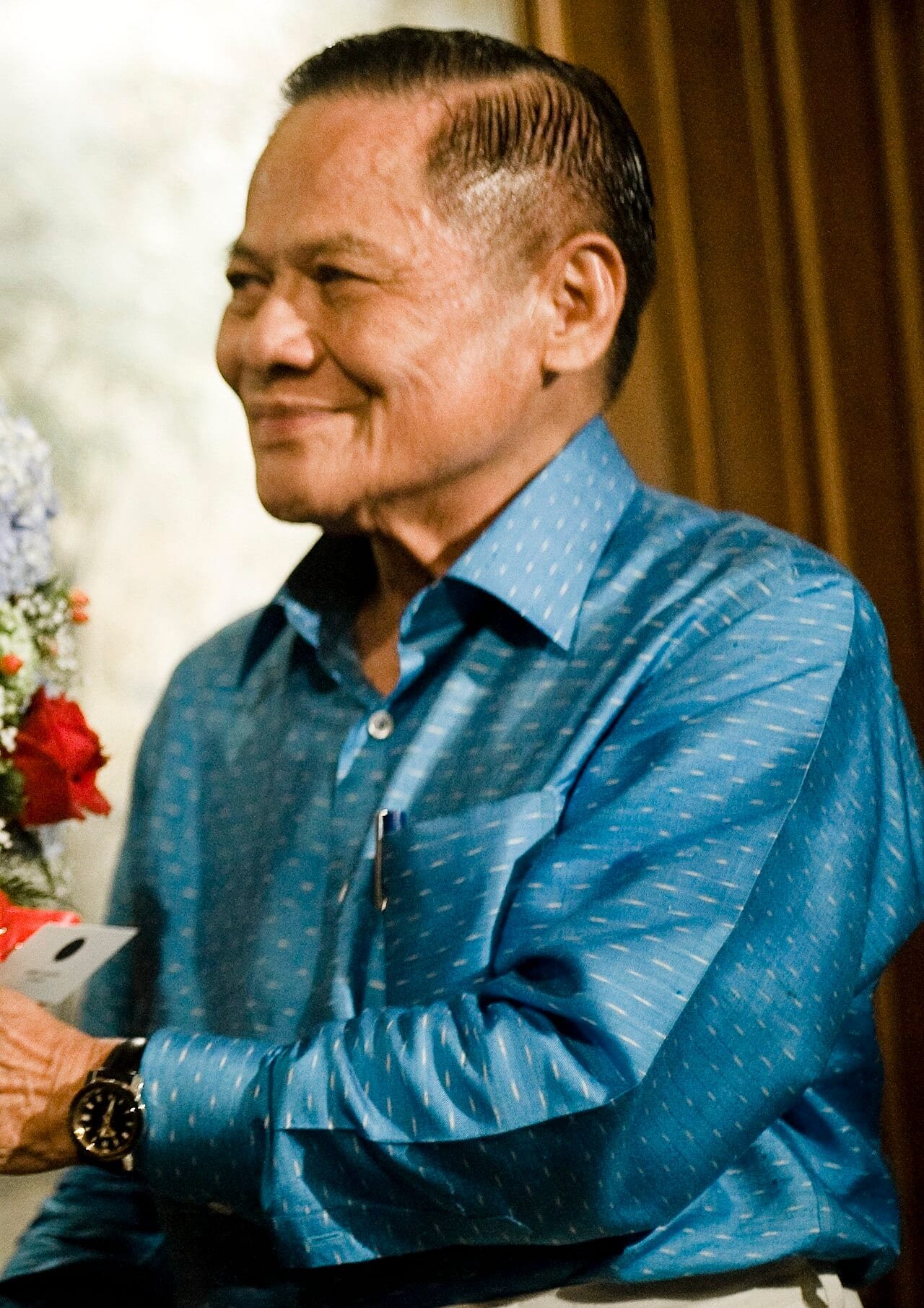 Thailand · Politics
1932—2016
Banharn Silpa-archa
21st Prime Minister of Thailand, 1995–1996The construction entrepreneur and Suphan Buri power broker who led Chart Thai to first place in 1995 and headed a seven-party coalition for sixteen turbulent months.Read biography Thailand · Politics
1927—2016
Bhumibol Adulyadej
King of Thailand, 1946–2016Thailand’s longest-reigning monarch, whose seven decades on the throne spanned rapid development, repeated political crises and profound social change.Read biographyQuick answers
Common questions
- When was Thailand’s second 1992 general election?
- It was held on 13 September 1992, less than six months after the March election.
- Which party won the September 1992 election?
- The Democrat Party became the largest party with 79 of 360 seats; no party won a majority.
- How many seats did Chuan Leekpai’s coalition have?
- The five pro-democracy coalition parties together controlled 207 House seats.
- What was turnout in September 1992?
- The Inter-Parliamentary Union estimated turnout at 62 per cent but did not publish an exact voter count in its archive page.
- Why was this election connected to Black May?
- The May violence forced Suchinda’s resignation and led to constitutional change, an interim Anand government and dissolution of the March-elected House.
- Did the election permanently end military intervention?
- No. It strengthened the elected-premier norm and returned civilians to government, but later coups showed that military power remained embedded.
Primary and institutional sources
How this history was checked
Dates, legal milestones and historical claims are checked against the official and institutional records below. This article was reviewed on 3 October 2026.
- Inter-Parliamentary UnionThailand parliamentary election, 13 September 1992
- ConstitutionNet · International IDEAConstitutional history of Thailand
- Human Rights WatchWorld Report 1993: Thailand
- Inter-Parliamentary UnionThailand parliamentary election, 2 July 1995
- ConstitutionNetThe Thai Constitution of 1997: Sources and Process
- Secretariat of the Prime Minister of ThailandOfficial directory of prime ministers of Thailand
- Wikimedia CommonsChuan Leekpai portrait and CC BY 2.0 licence record